Sikkim's Unique Noodle Culture – Thukpa, Gyathuk, Thenthuk & More
When the mist curls through Gangtok's lanes and the temperature drops below the treeline, there is one thing every Sikkimese household reaches for: a steaming bowl of noodles. Not just any noodles — bowls simmered with stories, shaped by Tibetan refugees, Bhutia homemakers, and Nepali grandmothers who turned flour, broth, and mountain vegetables into edible warmth.
Sikkim's noodle culture is one of the most underrated culinary traditions in India. It's a living tapestry woven from three ethnic threads — Lepcha, Bhutia, and Nepali — and it tells you as much about the state's history as any monastery or mountain pass. Here's your complete guide to slurping your way through the Himalayan noodle bowl.
The Roots: How Noodles Came to Sikkim
Sikkim's love affair with noodles traces back to Tibet. Traditional noodle soup, or thukpa, has a long history dating back to the Tibetan highlands and a rich legacy. In 1959, when the current Dalai Lama left Tibet and travelled to India to seek sanctuary, all of them survived on tsampa and thukpa during the journey. In exile, the Dalai Lama's mother familiarised the Indian community with thukpa, and soon it became a much sought-after dish.
But in Sikkim, the connection runs even deeper. Sikkim is the meeting point of many cultures and while Thenthuk is originally a Tibetan dish, it has travelled further and become a staple of many cuisines in northeast India as well. The Bhutia community — descended from Tibetan settlers — brought their cooking traditions that favour yak meat, chhurpi, pork, and butter-rich preparations suited to high-altitude living, while the Nepali community contributed dal-bhat, gundruk, sel roti, and rich curry traditions. The result? A noodle culture that is distinctly Sikkimese — neither fully Tibetan nor Nepali, but something beautifully in between.
Thukpa – The Everyday Soul Warmer
If Sikkim had a national dish, thukpa would be a strong contender. In Sikkim, thukpa is something that cuts across all communities. Thukpa is a Tibetan and Nepalese noodle soup, which originated in the eastern part of Tibet. It has been described as a "generic Tibetan word for any soup or stew combined with noodles."
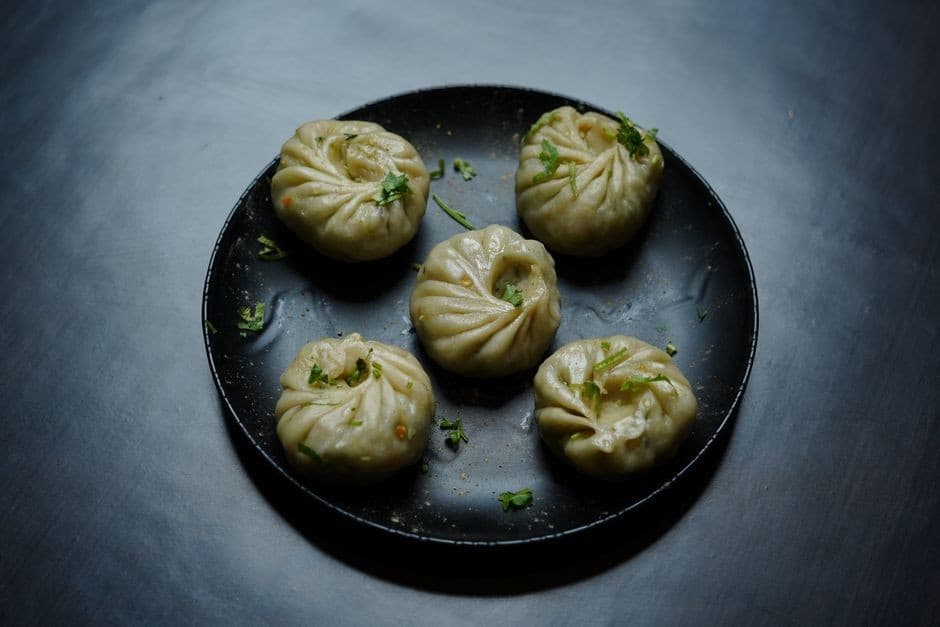
In practice, a classic Sikkimese thukpa involves wheat or rice noodles swimming in a fragrant broth loaded with seasonal vegetables — carrots, cabbage, spinach, bell peppers — and often chicken or pork. Chillies, garlic, and coriander provide the flavouring. Interestingly, some people love to pair it with momos, where they eat the dumplings and wash them down with thukpa — a combination that has worked really well in most homes and even in restaurants.
Where to try it: Head to Taste of Tibet on MG Marg, Gangtok — it's iconic for thukpa and gets packed early. For a more relaxed setting, 9INE Native Cuisine in Gangtok serves an excellent bowl alongside other Sikkimese specialities.
Gyathuk – The "Chinese Noodle" Cousin
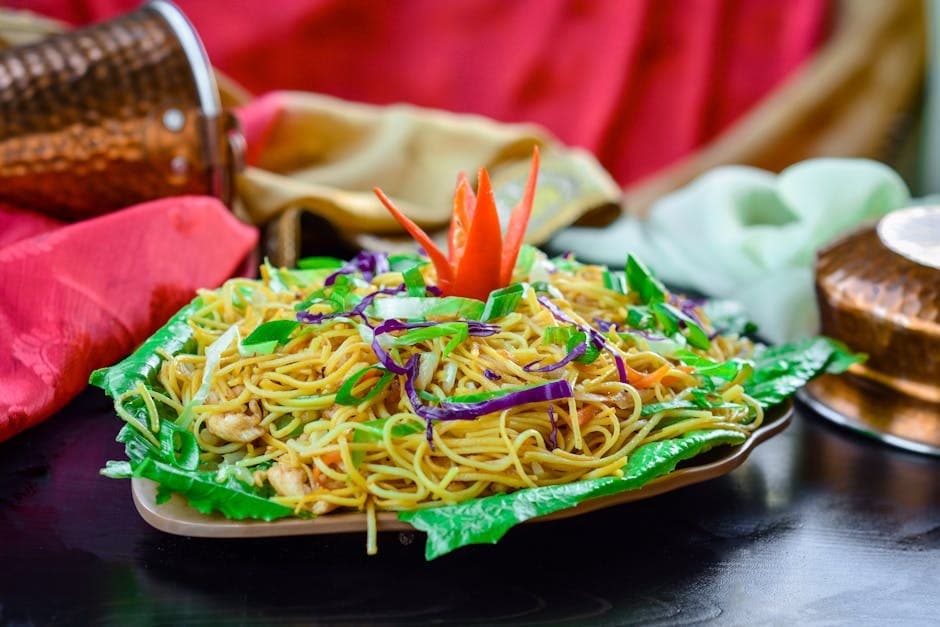
Gyathuk is thukpa's close relative, and the two names are sometimes used interchangeably in Sikkim's eateries, which can confuse first-time visitors. Gyathuk means "Chinese Noodles" in Tibetan language, so Thukpa Gyathuk has Chinese-style noodles added to it. Available in most restaurants and eateries across Sikkim, gya-thuk is made with rice or wheat noodles, meat, vegetables, and local spices.
The key difference? Gyathuk tends to use longer, smoother, machine-cut noodles (think closer to spaghetti), while a traditional thukpa may use shorter, rougher hand-made varieties. Some versions serve gyathuk as a drier, stir-fried noodle dish topped with a meat curry rather than submerged in broth. It is a warm and filling dish and is perfect for keeping oneself warm and hydrated during harsh and dry winters.
Insider tip: Ask for pork gyathuk at a local hole-in-the-wall — the slow-cooked pork lends a depth of flavour that the chicken version can't match.
Thenthuk – The Art of Hand-Pulled Noodles
If thukpa is everyday comfort, thenthuk is the artisan's version. In Tibetan, "then" means pull and "thuk" means noodles. Its defining feature is the hand-pulled noodles. Unlike machine-cut or pre-packaged varieties, Thenthuk's noodles are torn and stretched by hand moments before they're plunged into bubbling broth, giving the dish its signature chewy texture and rustic charm.
Thick noodles are hand-pulled into boiling broth with vegetables, yak meat, or chicken, seasoned with garlic, ginger, and chilli flakes. Thenthuk is a traditional Tibetan noodle soup, popular in Sikkim, which people usually eat during dinner. The best part about Thenthuk is that there is no hard and fast rule about what goes into it since it's usually made with seasonal and local ingredients.
Watch for the cook pulling dough at the counter — it's half the experience. Every piece is irregular, every bite slightly different, and that's the whole point.
Where to try it: Taste of Tibet (Gangtok) is the most popular Thenthuk joint in town. Also try Nimtho near New Market for a warm, homestyle version.
Beyond the Big Three: More Noodle Dishes to Know
Sikkim's noodle repertoire doesn't stop at thukpa, gyathuk, and thenthuk. Noodle-based dishes such as thukpa, chow mein, thenthuk, fakthu, gyathuk, and wonton are popular cuisines in Sikkim. Here are a few more worth seeking out:
Fakthu
A lesser-known noodle preparation where small squares or diamonds of dough are cooked into a thick, stew-like broth. It's heartier and chunkier than thukpa — think of it as Sikkim's answer to pasta e fagioli. You'll find it mostly in Bhutia homes and at small local eateries rather than tourist restaurants.
Wonton Soup
Sikkim's version of wonton soup features delicate dumplings filled with minced pork or vegetables, floating in a clear, ginger-spiked broth. It's lighter than thukpa and often served as a starter or a light evening meal.
Guthuk – The New Year's Fortune Soup
Guthuk is the only Tibetan food that is eaten only once a year as part of a ritual of dispelling any negativities of the old year and to make way for an auspicious new one. Guthuk gets its name from the Tibetan word gu meaning nine and thuk which refers generally to noodle soups. The gu part of the name also comes from the fact that the soup traditionally has at least nine ingredients.
Guthuk features ingredients like meat, rice, vegetables, and yak cheese, along with dumplings containing symbolic items such as chili peppers, wool, coins, or charcoal. These hidden objects predict the eater's New Year fortune, sparking laughter and lively discussions during the meal. If you're visiting Sikkim during Losar (the Tibetan New Year, usually Feb–March), try to get yourself invited to a Bhutia household for this unforgettable experience.
Where to Eat: A Noodle-Lover's Gangtok Crawl
Gangtok's MG Marg cafe-hopping and local eats — the pedestrian-only boulevard at the heart of the capital — is your launchpad. Here's a suggested crawl:
- Taste of Tibet (MG Marg): Start here for the classic thukpa-and-momo combo. Arrive before noon to beat the queue.
- 9INE Native Cuisine: Order the gyathuk alongside gundruk soup and kinema curry for a full Sikkimese spread.
- Nimtho (New Market): Warm, homestyle Nepali-Tibetan fare — their thenthuk is comforting and generous.
- The Dragon Wok (MG Marg): An Asian-forward menu with Japanese and Tibetan touches; great for groups wanting variety.
- Baker's Café (MG Marg): Wind down with coffee and bakes with mountain views — the perfect mid-crawl pause.
Beyond Gangtok, keep your eyes open in Lachen, Lachung, and Pelling — small roadside kitchens in these towns often serve the most authentic bowls, made with whatever the garden yielded that morning.
Why Sikkim's Noodles Taste Different
Three things set Sikkimese noodles apart from what you'll find elsewhere in India:
- Organic ingredients: Sikkim is India's first fully organic state. The vegetables in your thukpa — the carrots, the leafy greens, the radish — are grown without chemical pesticides or fertilisers. You can genuinely taste the difference.
- Altitude and climate: At 1,500 metres and above, water boils at a lower temperature, broths simmer longer, and flavours concentrate differently. The cold air also means noodle dishes are designed to warm from within — hence the generous use of ginger, garlic, and chilli.
- Cultural layering: The Nepalese version of Thukpa has a predominant vegetarian feature and a bit of spicier flavour, while Bhutia versions lean into pork and yak meat with milder seasoning. This interplay means that even the same dish can taste entirely different depending on which neighbourhood you're eating in.
Practical Tips for Noodle Hunting in Sikkim
- Best season: The prime travel months of March–June and October–November are ideal for exploring, though noodles taste best when it's cold — a winter trip (December–February) with a steaming bowl after a snowy drive to Tsomgo Lake is unforgettable.
- Pair with tongba: Sikkim's traditional millet brew, served warm in a wooden mug with a bamboo straw, is the perfect companion to a bowl of thenthuk on a chilly evening.
- Go local: Tourist restaurants serve decent noodles, but the best bowls come from tiny shops with plastic chairs and a single cook pulling dough behind a counter. Ask your hotel or homestay host for their favourite spot.
- Vegetarian-friendly: Most noodle dishes are easily made vegetarian — just ask. The protein ingredients of the dish are given vegetarian alternatives according to availability, including beans, chickpeas, gram, and kidney beans.
- Permits matter: If you're heading to North Sikkim (Lachen, Lachung) or the Old Silk Route for off-the-beaten-path noodle hunting, remember that Indians need permits arranged 24–48 hours in advance, and foreigners face additional restrictions.
The Bottom Line
Sikkim's noodle culture is more than a menu category — it's a window into how three communities learned to share a small, mountainous homeland and, in doing so, created something greater than any single tradition. What makes Sikkim's cuisine truly special isn't just its taste — it's the harmony of land, faith, and adaptation.
So on your next trip to this Himalayan gem, skip the hurried sightseeing lunch. Instead, find a foggy lane, follow the steam rising from a kitchen window, sit down, and order a bowl. Whether it's thukpa, gyathuk, thenthuk, or something you've never heard of — let the noodles tell you the story of Sikkim, one slurp at a time.
Leave a Comment
Explore Sikkim
Ready to plan your trip? Check out our complete travel guide and packages.