Best Time to Visit Sikkim: A Complete Season-by-Season Guide
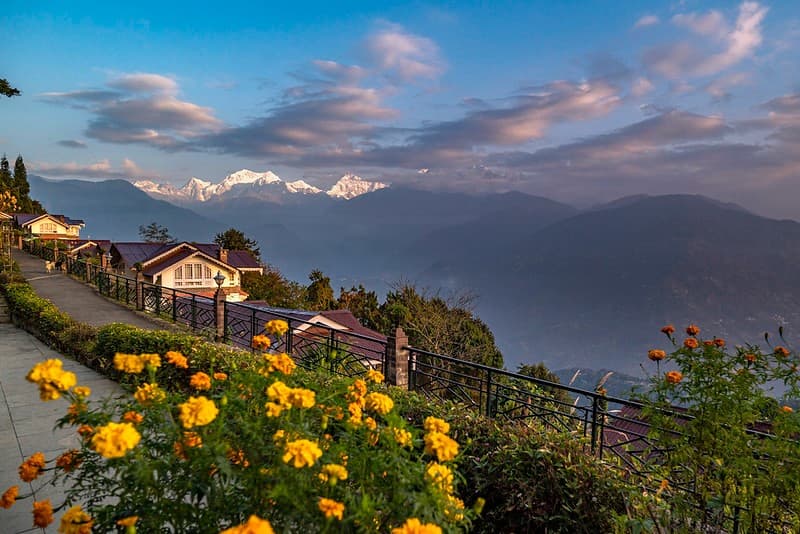
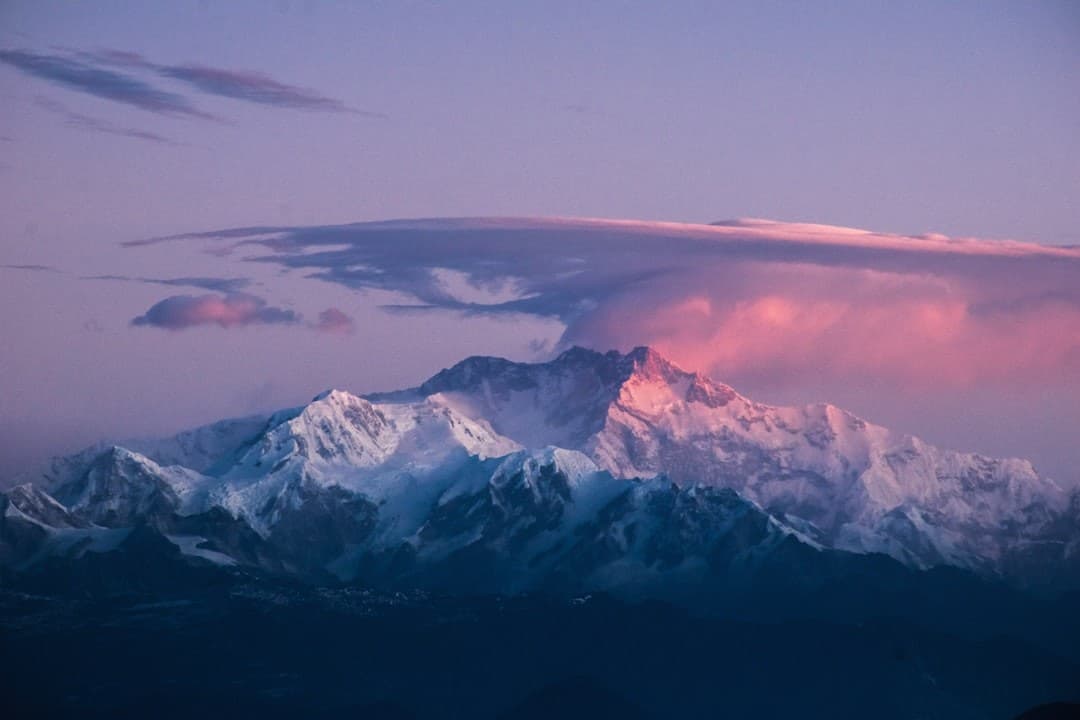
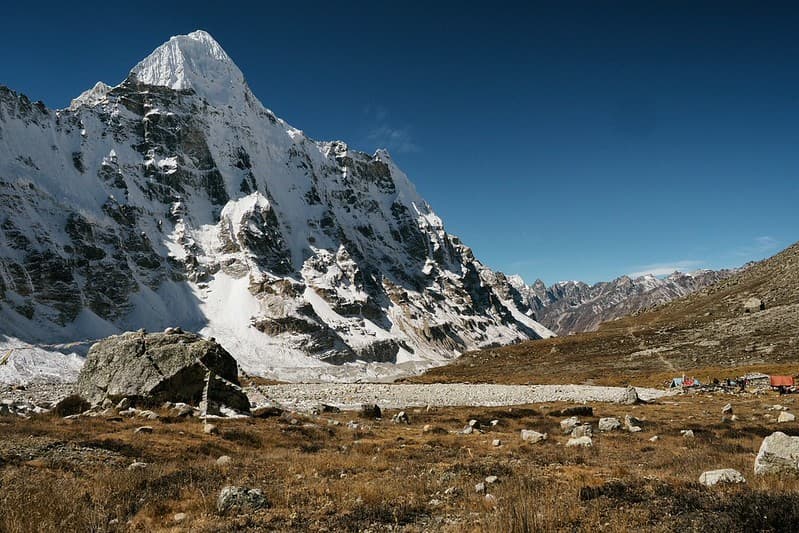
Imagine standing on a misty mountain ridge, the world's third-highest peak — Kanchenjunga — towering before you, its snow-capped summit blushing gold in the morning light. Below, valleys carpeted in rhododendrons stretch endlessly, and the faint chime of monastery bells drifts through the crisp Himalayan air. This is Sikkim, and when you visit this tiny northeastern Indian state can completely transform your experience.
Whether you're chasing snowfall, planning a honeymoon, hunting for blooming rhododendrons, or simply craving clear mountain views, timing is everything. Let's break down each season so you can plan the perfect Sikkim trip.
The Short Answer: When Should You Visit Sikkim?
According to the official Sikkim Tourism Board, the best time to visit Sikkim is between March and June or October and mid-December. During these windows, the weather is pleasant, skies are generally clear, and most roads and attractions remain accessible.
That said, every season in Sikkim has its own magic. The best time really depends on what you want to experience. Let's dive deeper.
Spring (March – May): The Golden Season
If you could only pick one season, spring is your safest bet. Temperatures range from a comfortable 5°C to 25°C, making it ideal for sightseeing, trekking, and exploring without battling extreme cold or monsoon rains.
Why Spring Stands Out
- Rhododendron blooms: This is the crown jewel of a spring visit. Sikkim is home to over 40 species of rhododendrons, and from late March through early May, entire mountainsides erupt in brilliant reds, pinks, and whites. The Shingba Rhododendron Sanctuary in Yumthang Valley and the Barsey Rhododendron Sanctuary in West Sikkim are absolute must-visits.
- Trekking season opens: The legendary Goecha La trek — a 90 km round trip through Khangchendzonga National Park (UNESCO) — is at its finest. Around 30 species of rhododendrons have been documented on this trail alone. The Yuksom-Dzongri Meadows trek is another spectacular option.
- Orchids in bloom: Alongside rhododendrons, Sikkim's famous orchids add even more color to the landscape.
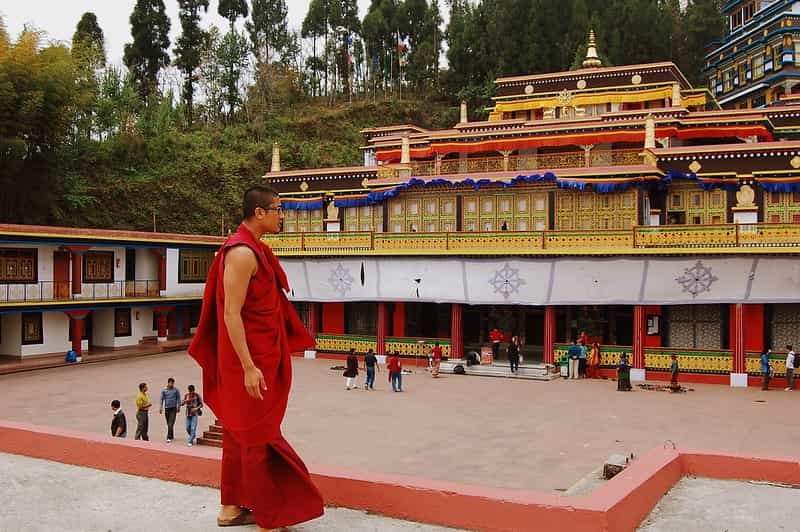
- Saga Dawa Festival: This sacred Buddhist festival commemorating the birth, enlightenment, and death of Lord Buddha falls on May 31 in 2026. Monasteries across Sikkim — especially the Tsuklakhang (Royal Chapel) in Gangtok and Rumtek Monastery — come alive with processions, butter lamp ceremonies, and chanting.
Insider Tip
If you're visiting for the rhododendron bloom, April 10–25 is the sweet spot for peak flowering across multiple elevations. Book permits for North Sikkim at least a week in advance during spring — it's peak tourist season, and availability fills up fast.
Summer (April – June): Warm Days, Cool Nights
Sikkim's summers overlap with late spring and are remarkably mild compared to the rest of India. Temperatures rarely exceed 25°C even in lower regions, making it a refreshing escape from the scorching plains.
What to Expect
- Perfect for families: Pleasant weather makes it comfortable for travelers of all ages
- Adventure activities: River rafting on the Teesta/Rangeet, paragliding over Gangtok valley, and mountain biking are all in season
- Clear mountain views: Gangtok, Pelling, and Tsomgo (Changu) Lake offer breathtaking scenery without the extreme chill
- Cultural exploration: Visit the iconic Rumtek Monastery (Dharma Chakra Centre), stroll the charming MG Marg in Gangtok, and explore the ancient ruins of Rabdentse Ruins
Insider Tip
By late May, afternoon clouds become more frequent as the monsoon approaches. Plan your sightseeing and photography for mornings when skies are clearest.
Monsoon (June – September): The Lush Gamble
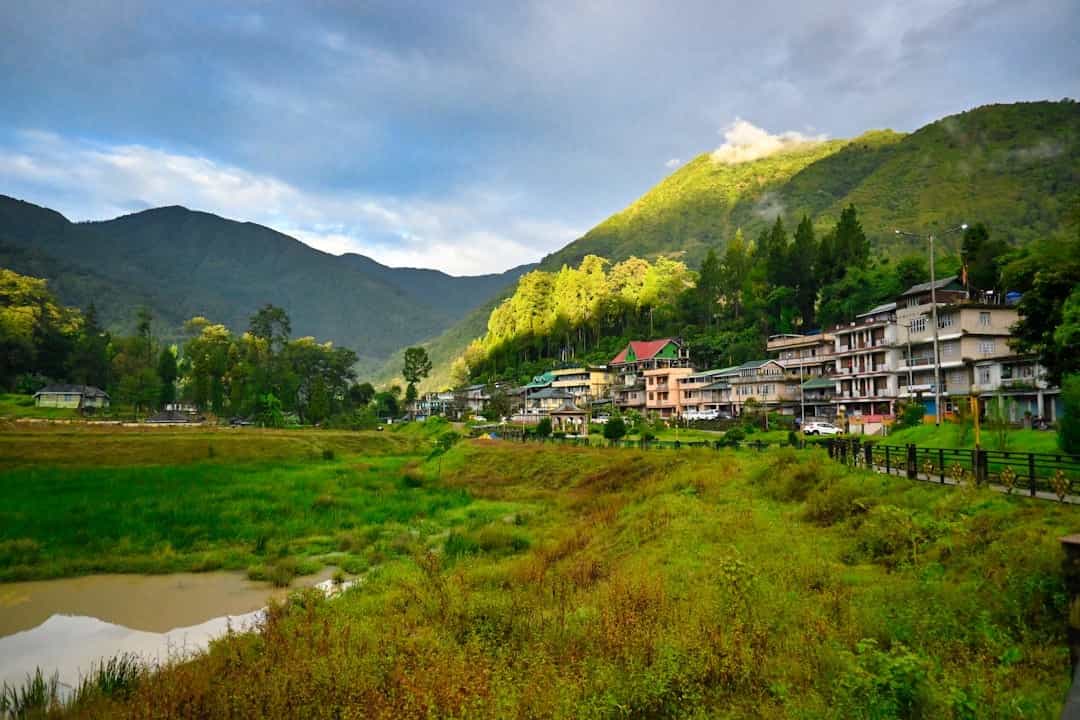
Here's where it gets tricky. The monsoon transforms Sikkim into an impossibly green paradise with thundering waterfalls at every turn — but it comes with serious caveats.
The Good
- Dramatically lush landscapes perfect for photography
- Fewer tourists and significantly lower prices — budget travelers can save 30–40% on tour packages
- Rare bird sightings for avid birdwatchers
- Cascading waterfalls everywhere you look
The Not-So-Good
- Heavy rainfall: July is the wettest month, with Gangtok receiving over 1,100 mm of rain
- Landslides are common and can block roads for hours or even days
- Many high-altitude areas become inaccessible, including parts of North Sikkim
- Adventure activities like paragliding and rafting are typically suspended
Insider Tip
If you must visit during monsoon, September is your best bet. The rains begin to retreat, the air feels fresh and clean, and you'll find fewer tourists with improving conditions. It's also when cherry blossoms start to appear in parts of Sikkim.
Autumn (October – November): The Photographer's Dream
Autumn is arguably the most underrated season to visit Sikkim. The monsoon has washed the skies clean, and what you get are crystal-clear views of the entire Himalayan range that are simply unmatched.
Why Autumn is Special
- Panoramic mountain views: The clearest skies of the year mean unobstructed views of Kanchenjunga and surrounding peaks
- Crisp, comfortable weather: Temperatures hover between 4°C and 16°C — cool but not biting
- Vibrant foliage: Autumn colors add a warm glow to the landscape
- Festival season: Catch the Red Panda Winter Festival in Gangtok, the Maniram Bhanjyang Tourism Festival with local homestay experiences, and the Losoong/Namsoong Festival (marking the harvest season's end) featuring spectacular Chaam masked dances at monasteries
- Post-monsoon trekking: Trails are refreshed, and the Barsey Rhododendron Sanctuary trek (spring blooms) offers stunning clear-sky views of Kanchenjunga even without blooms
Insider Tip
October is statistically the driest month in Gangtok. If mountain photography is your priority, this is your month.
Winter (December – February): The Snow Wonderland
Winter in Sikkim is not for the faint-hearted, but it rewards the brave with some of the most magical scenery in all of India.
What Winter Offers
- Snowfall: From December to February, places like Yumthang Valley (Valley of Flowers), Lachung, Nathula Pass, Tsomgo Lake, and Zero Point (Yumesamdong) are blanketed in pristine white snow
- Temperatures: Range from -5°C to 7°C — bundle up!
- Snow sports: Skiing, snow trekking, and snowman-building are all on the table
- Losar (Tibetan New Year): Falling in February 2026, this vibrant festival fills Sikkim with feasting, masked dances, and community celebrations
- Fewer crowds at most tourist spots
Insider Tip
Visit in mid-December for a sweet spot between festive vibes and manageable crowds. The Sikkim Red Panda Winter Carnival in Gangtok features cultural dances, food stalls, and snow games. Always check road conditions before heading to high-altitude areas — some roads close temporarily after heavy snowfall.
Best Time to Visit Sikkim by Activity
| Activity | Best Months |
|---|---|
| Trekking (Goecha La, Dzongri) | March – May, October – November |
| Rhododendron viewing | Mid-April to early May |
| Snowfall & snow sports | December – February |
| Honeymoon | March – May or December – February |
| Budget travel | July – September (monsoon discounts) |
| Photography | October – November (clearest skies) |
| Festivals & culture | February (Losar), May (Saga Dawa), October–December (Losoong) |
Essential Practical Tips for Any Season
- Permits are mandatory for many destinations including Nathula Pass excursion on the Indo–China border, Yumthang Valley (Valley of Flowers) meadows and views, and all of North Sikkim. Sikkim is transitioning to a digital permit system in 2026, but still carry physical copies of government-issued ID and passport-sized photos
- Layer your clothing — Sikkim's weather can change within minutes, especially at higher elevations. Carry warm layers even in peak season and always have a light raincoat handy
- Acclimatize properly — If heading to high-altitude spots like Gurudongmar Lake (5,430m) or Zero Point, give your body time to adjust. Stay hydrated and watch for altitude sickness symptoms
- Book early for peak season — March to May sees the highest tourist influx. Hotels and permits fill up quickly
- Hire local drivers — They know the roads intimately and can help arrange permits on the ground
- Bagdogra Airport in West Bengal (about 4–5 hours from Gangtok) is the nearest major airport. Plan your arrival accordingly
Final Takeaway: Which Season Is Right for You?
There's no single "perfect" time to visit Sikkim — only the perfect time for your kind of trip. Here's the quick cheat sheet:
- Want pleasant weather and blooming flowers? → Visit March to May
- Want crystal-clear Himalayan views? → Visit October to November
- Want snow and winter magic? → Visit December to February
- Want budget-friendly solitude? → Visit September (late monsoon)
- Want cultural immersion? → Time your visit around Saga Dawa (May), Losar (February), or Losoong (December)
Sikkim is one of those rare destinations that genuinely rewards visitors in every season. The key is matching your expectations to the calendar — and then letting this enchanting Himalayan state do the rest. Pack your bags, grab those permits, and get ready for a trip you'll never forget.
Leave a Comment
Explore Sikkim
Ready to plan your trip? Check out our complete travel guide and packages.