Traditional Music and Dance Forms of Sikkim: A Cultural Guide
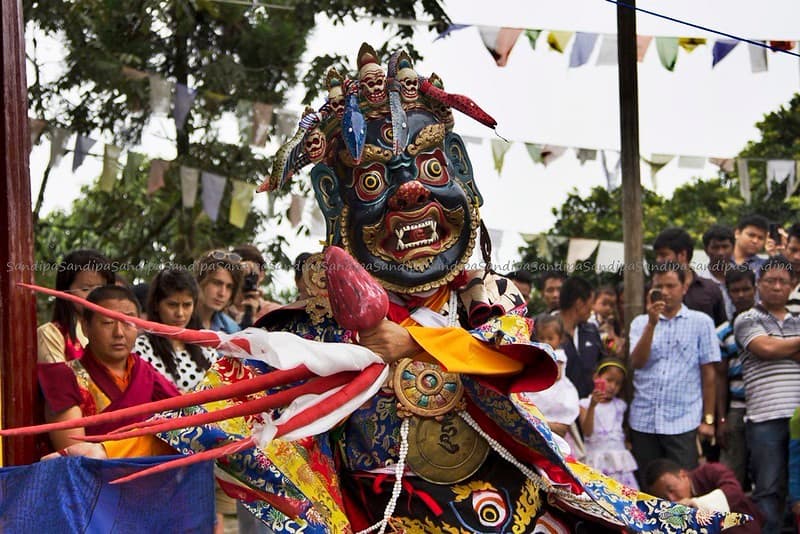
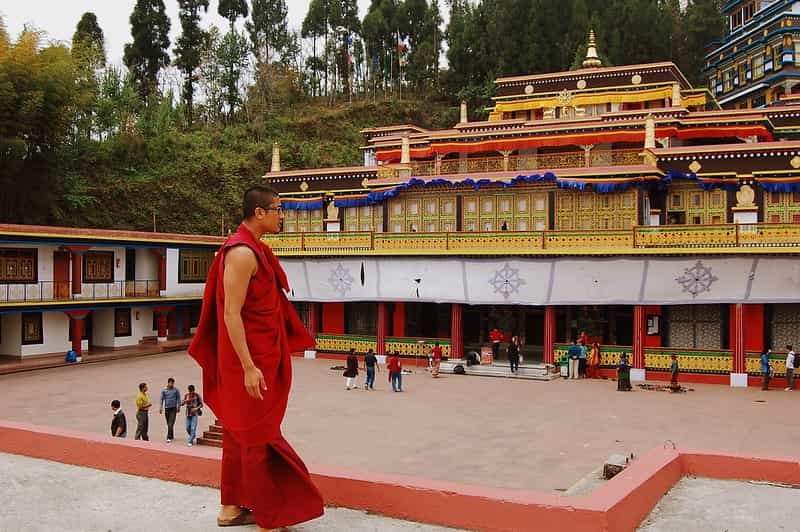
When the mist lifts over a Sikkimese monastery courtyard and monks in swirling brocade robes begin a slow, thunderous mask dance, you realise this tiny Himalayan state holds something far deeper than scenic beauty. Sikkim's traditional music and dance forms are living prayers—stories of guardian mountains, harvest gratitude, and ancient brotherhood, all set to the beat of hand-stretched drums and the wail of long horns.
Whether you're planning a monastery circuit, timing your trip around a festival, or simply want to understand what makes Sikkim's culture so magnetic, this guide walks you through the dance and music traditions you can still witness today.
The Three Cultural Streams of Sikkimese Performing Arts
Sikkim's performing arts draw from its three principal ethnic communities. The Lepcha, Sikkim's indigenous inhabitants, bring nature-worship dances rooted in animism and folklore. The Bhutia (Sikkimese-Tibetan) community contributes the spectacular Buddhist monastery dances. And the Nepali community—the state's largest group—adds exuberant folk dances tied to harvests, weddings, and festivals.
Together, these traditions form what the Sikkim Tourism Department describes as "an ingrained part of Sikkimese culture," with dances that relate to natural beauty, the harvest season, and prayers for good luck and prosperity.
Lepcha Dances: Songs of the Hidden Paradise
The Lepchas call Sikkim Ney Mayel Lyang—"a heavenly, hidden paradise." Their dances reflect a deep bond with the land, its rivers, and its peaks.
Chu Faat – Worshipping the Snowy Range
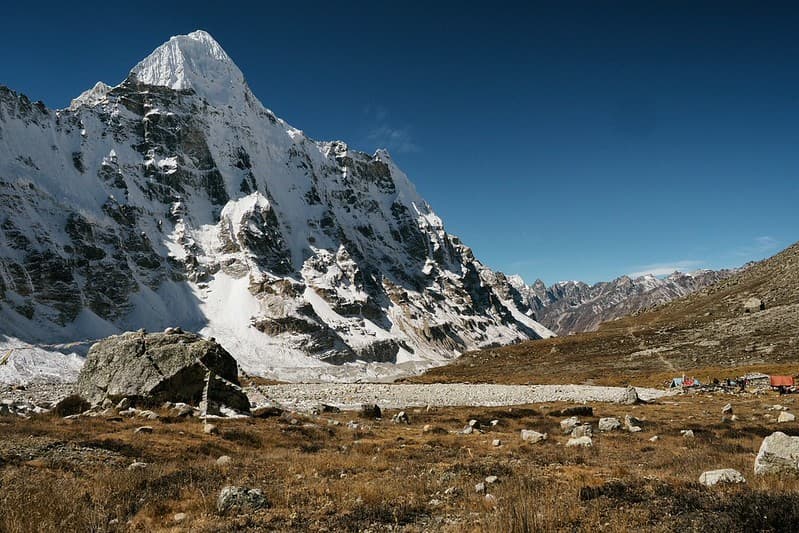
Chu means "Snowy Range" and Faat means "Worship." This ancient group dance honours Mount Khangchendzonga and its four companion peaks—Narshing, Pandim, Simbrum, and Kabru—believed to be storehouses of five sacred treasures: salt, sacred texts, minerals, medicines, and food grains. Dancers carry butter lamps and green bamboo leaves while singing devotional songs, creating a scene of quiet reverence that feels timeless.
Zo-Mal-Lok – The Harvest Dance
This joyful Lepcha folk dance depicts the agricultural cycle—sowing, reaping, and harvesting paddy. Old and young join hands in merry-making, accompanied by instruments like the tungbuk (drum), flute, and cymbal. If you visit a Lepcha village during harvest season, you may be lucky enough to see it performed in its authentic setting.
Tendong Lho Rum Faat
Based on a famous Lepcha folk legend, this group dance retells the story of a great flood. According to the tale, Lepchas living on Tendong Hill in South Sikkim offered prayers through dance to save themselves from rising waters. Legend says a divine bird appeared and sprinkled sacred millet beer to calm the flood—a story that resonates with the community's deep ecological awareness.
Bhutia Dances: Monastery Mask Dances (Chham)
If one image defines Sikkim's cultural identity, it's the Chham—the masked monastery dance. These aren't performances in the entertainment sense; they are ritualistic re-enactments of Buddhist mythology, where every gesture, mask, and musical note carries sacred meaning.
Kagyed Chham – The New Year Dance
The word Kagyed comes from the Bhutia language: Ka (oral transmission), Gyed (eight), and Chham (ritualistic dance). It represents the eight Tantric Gods of Tantric Buddhism. This annual dance is held in various Sikkimese monasteries and marks a time of celebration as the Bhutia community welcomes the New Year with prayers, butter lamps, and offerings.
Rumtek Chham and Enchey Chham
The Rumtek Chham, performed on the 10th day of the 5th Tibetan month (around June), symbolises the eight manifestations of Guru Rinpoche and draws pilgrims and visitors alike with its colour and pageantry. The Enchey Chham, performed in December–January, is another revered monastic dance. Though Chham dances are performed across Sikkim's monasteries, the ones at Pemayangtse, Rumtek, and Enchey are considered the most impressive.
Singhi Chham and Yak Chham
The Bhutia community, historically herdsmen and weavers, also performs Singhi Chham, a dance honouring the mythical snow lion of the upper Himalayas. Dancers wear white lion costumes and engage in mock fights, paying homage to Khangchendzonga. In Yak Chham, dancers don yak-shaped costumes to celebrate the relationship between herdsman and yak—an animal central to high-altitude life in Sikkim. The dance illustrates the movements of the yak and the simple lifestyle of mountain herdsmen.
Nepali Folk Dances: Colour, Rhythm, and Community
Sikkim's Nepali community brings some of the state's most vibrant and accessible folk traditions.
Maruni – The Festival Dance
Maruni is one of the oldest Nepali dance forms, traditionally linked to Tihar (Diwali) but also performed at weddings and births. Usually performed by three male and three female dancers, it features a comic character called the Dhatu Waray (the clown) who keeps the audience entertained. The dance is often accompanied by the Naumati Baja, a nine-instrument orchestra that is a spectacle in itself.
Tamang Selo – The Damphu Dance
Tamang Selo is both a music genre and a dance tradition of the Tamang community. Performed to the rhythmic beats of the Damphu—a disc-shaped drum made of wood and leather—the dance is so infectious that it's also called the "Damphoo dance." Tamang Selo music can be lively and catchy or slow and melodious, and is sung to convey love, sorrow, happiness, or to retell folklore. Instruments like the Madal and Tungna (a string instrument) often join the ensemble.
Chyabrung – The Limboo Drum Dance
The Limboo (Subba) community's Chyabrung dance is named after its signature instrument—a hollow, oblong wooden drum strung around the neck. Male dancers beat one side with their palm and the other with a stick, producing contrasting treble and bass tones. The synchronised footwork depicting movements of wild animals and birds makes this a mesmerising performance.
Other Nepali Dance Forms
- Ghantu Dance: Patronised by the Gurung community, this ancient dance depicts the colourful lifestyle of Sikkim's people and is performed by young girls in traditional costumes.
- Chutkey Naach: Young boys and girls dance adorned with flowers to the beats of tambourine and drums at fairs and festivals.
- Dhaan Naach: A harvest celebration dance of the farming community, marking the paddy season.
The Instruments That Make the Music
Sikkim's folk music is inseparable from its distinctive instruments:
- Damphu (Domba): The iconic Tamang drum, essential for Tamang Selo performances.
- Chyabrung (Ke/Kay): The Limboo double-ended drum that defines their dance tradition.
- Madal: A hand drum central to Nepali folk music across the region.
- Tungna: A stringed instrument of the Tamang community.
- Yangjey and Yarka: String instruments used in Lepcha and Bhutia performances.
- Naumati Baja: The nine-instrument Nepali orchestra featuring senai (shehnai), turhi, damaha (kettledrum), dholki, and jhyamta (cymbal).
- Conch shells, long horns, and cymbals: Essential to monastery Chham performances.
Pang Lhabsol: Where Dance Becomes Devotion
No article on Sikkim's performing arts is complete without Pang Lhabsol, the festival unique to Sikkim that fuses masked dance with warrior dance. Celebrated on the 15th day of the 7th Tibetan month (late August or early September), it commemorates the consecration of Mount Khangchendzonga as Sikkim's guardian deity.
The highlight is the Pangtoed Chaam (warrior dance), which was choreographed by the third Chogyal (King) of Sikkim, Chador Namgyal, after it appeared to him in a vision. Lamas wearing fiery red masks crowned with five skulls ride on a snow lion, performing acrobatic moves to the thunderous rhythm of drums and cymbals. The festival also commemorates the historic Blood Brotherhood Treaty between the Lepchas and Bhutias, making it a celebration of both spiritual reverence and communal unity.
The grandest celebrations take place at the Tsuklakhang (Royal Chapel) in Gangtok, though Pemayangtse Monastery in Pelling and Rabong Monastery in Ravangla also host impressive observances.
Where and When to Experience Sikkim's Traditional Performing Arts
Here's how to plan your trip around these cultural experiences:
| Festival / Event | Typical Timing | Best Venues |
|---|---|---|
| Gutor Chaam (pre-Losar) | February | Rumtek Monastery |
| Bumchu | Feb–March | Tashiding Monastery |
| Saga Dawa | May–June | Monasteries statewide |
| Pang Lhabsol | Aug–September | Tsuklakhang (Gangtok), Pemayangtse |
| Kagyed Chham | December–January | Enchey, Phodong monasteries |
| Losoong / Namsoong | December | Multiple monasteries |
Insider tips:
- Time your monastery circuit (Rumtek–Phodong–Pemayangtse–Tashiding) to coincide with festival days for the best chance of witnessing live Chham dances.
- Visit the Directorate of Handicrafts & Handloom Emporium in Gangtok for thangka paintings and traditional textiles that depict dance motifs.
- The Sikkim Culture Department periodically organises folk-song and dance workshops—check local listings on arrival.
- For Nepali folk dances like Maruni and Tamang Selo, village festivals and local fairs (especially during Tihar in October–November) are your best bet.
A Living Heritage Worth Protecting
Sikkim's traditional music and dance forms are more than tourist attractions—they are the spiritual and social glue of a multi-ethnic Himalayan society. From the solemn Chham of a misty monastery courtyard to the joyous Damphu beats at a village wedding, these art forms carry centuries of mountain wisdom, ecological reverence, and communal harmony.
As the Sikkim government's recent folk-arts workshops demonstrate, there is a conscious effort to pass these traditions to a new generation of artists. For travellers, witnessing these performances is one of the most profound ways to connect with Sikkim beyond its landscapes—to understand why the Lepchas call this land a hidden paradise, and why its people dance in gratitude for the mountains that watch over them.
Planning your Sikkim trip? Align your visit with the best time to visit Sikkim—spring (March–June) and autumn (October–November) offer clear skies and overlap with several major festivals. And don't forget: permits are required for many areas, so plan ahead and carry the right documents.
Leave a Comment
Explore Sikkim
Ready to plan your trip? Check out our complete travel guide and packages.