Buddhist Pilgrimage in Sikkim: Sacred Sites & Monastery Circuits
Few places on earth weave spirituality into their landscape as seamlessly as Sikkim. Prayer flags snap in the mountain wind, butter lamps glow inside centuries-old shrines, and the guardian massif of Khangchendzonga watches over it all like a silent protector deity. With over 200 monasteries spanning the Nyingmapa, Kagyu, Gelugpa, and Sakyapa traditions, this tiny Himalayan state is one of the most concentrated Buddhist pilgrimage destinations in the world — and one of the most beautiful.
Whether you're a devoted practitioner seeking merit or a curious traveller drawn to sacred architecture and mountain stillness, Sikkim's Buddhist circuit offers something rare: a living, breathing spiritual tradition set against India's most dramatic scenery.
Why Sikkim Is a Premier Buddhist Pilgrimage Destination
Buddhism arrived in Sikkim as early as the 9th century, but its defining moment came in 1642 AD at Yuksom, when three revered lamas from Tibet crowned Phuntsog Namgyal as the first Chogyal ("Religious King") of Sikkim at the Norbugang Coronation Throne. That event fused statecraft and spirituality forever, and Tibetan Vajrayana Buddhism became the state religion.
Today, Sikkim's monasteries are not museum relics — they are active institutions of prayer, study, and ritual practice. Monks in crimson robes chant daily, masked cham dances mark festival calendars, and sacred ceremonies like the Bumchu water divination at Tashiding Monastery continue to shape community life.
The Must-Visit Sacred Sites
1. Rumtek Monastery (Dharma Chakra Centre) — East Sikkim
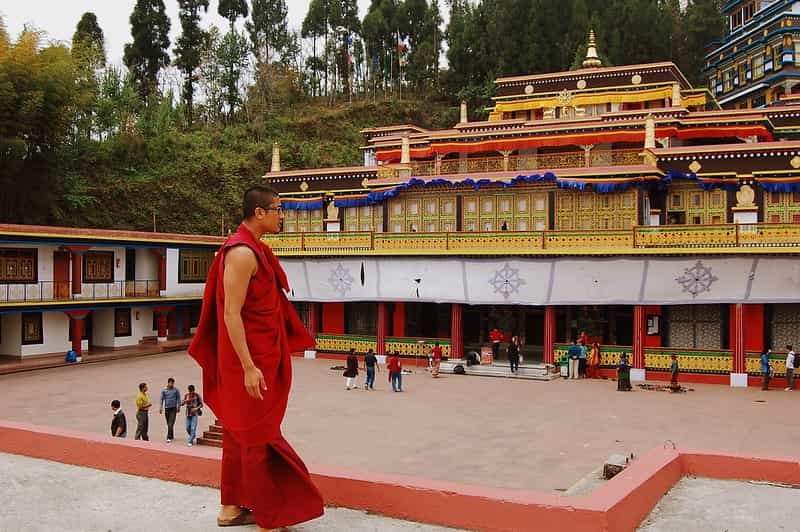
Sikkim's largest monastery sits on a forested ridge about 24 km from Gangtok and serves as the principal seat of the Karma Kagyu lineage outside Tibet. Its architecture mirrors the original Tsurphu Monastery in Tibet. Inside, you'll find vibrant murals, gold stupas, and one of the finest collections of Buddhist religious art in the world. A government-approved photo ID is required for entry.
2. Pemayangtse Monastery — West Sikkim (Pelling)
Founded in 1705, Pemayangtse Monastery — meaning "Perfect Sublime Lotus" — belongs to the Nyingmapa sect and is one of Sikkim's oldest and most revered monasteries. Its top-floor wooden masterpiece, the Zangdog Palri (a seven-tiered model of Guru Rinpoche's celestial palace), is extraordinary. Pair your visit with the nearby Rabdentse Ruins and the Pelling Skywalk & Chenrezig Statue for a full Pelling loop.
3. Tashiding Monastery — West Sikkim
Perched on a conical hilltop between the Rathong and Rangit rivers, Tashiding is widely regarded as the holiest monastery in Sikkim. It is home to the Thongwa Rangdol chorten — a stupa believed to cleanse all sins by mere sight. Every year during the Bumchu Festival (Feb–Mar), a sacred urn is opened and the water level inside is used to predict the year's fortune for the state.
4. Dubdi Monastery — Yuksom
Established in 1701, Dubdi Monastery ("The Hermit's Cell") is considered Sikkim's oldest monastery. A 30-minute forest hike above the historic village of Yuksom leads to this serene Nyingmapa shrine, which preserves rare ancient manuscripts and murals. Yuksom itself is the birthplace of the Sikkimese state — the stone coronation throne at Norbugang still stands beneath an ancient Cryptomeria pine.
5. Enchey Monastery — Gangtok
Meaning "the solitary temple," this 200-year-old monastery sits amid tall pines on a ridge northeast of Gangtok. Local legend credits its founding to Lama Druptob Karpo, a tantric master said to have possessed the power of flight. It's an easy stop while exploring the capital.
6. Phodong & Labrang Monasteries — North Sikkim Highway
Built in 1740 AD by the fourth Chogyal, Phodong Monastery belongs to the Karma Kagyu sect and is counted among the six most important monasteries in Sikkim. Nearby Labrang Monastery is known for its octagonal architecture called Rinchen Surgay. Both are natural stops on any drive northward from Gangtok.
Sacred Lakes: Where Nature Meets Devotion
Sikkim's pilgrimage geography extends well beyond monastery walls. Two sacred lakes hold special significance:
- Khecheopalri Lake (West Sikkim) — Revered as a "wish-fulfilling" lake and believed to be a manifestation of Goddess Tara. Locals say birds swoop down to remove any leaf that falls on its surface, keeping the water pristine. No boating or fishing is permitted.
- Gurudongmar Lake (5,183 m, North Sikkim) — Named after Guru Padmasambhava, who visited in the 8th century. It is one of the highest lakes in the world and a source of the River Teesta. Note: Indian nationals only; extreme altitude requires careful acclimatisation.
Pilgrimage Circuits: How to Plan Your Route
The West Sikkim Monastic Trail (5–7 Days)
This is the classic Buddhist circuit, threading together Sikkim's holiest sites through forests, villages, and river valleys:
Pelling → Sangachoeling → Khecheopalri Lake → Yuksom → Dubdi → Tashiding → Ralang (Ravangla)
You can cover the major monasteries by jeep in 3 days, or hike the ancient trails connecting these villages over 7 days with homestay accommodation for a deeper, slower experience. The trek passes through low-altitude evergreen forest and is moderate in difficulty.
The East Sikkim Circuit (2–3 Days)
Based out of Gangtok, this loop covers:
Enchey Monastery → Do Drul Chorten Stupa → Rumtek Monastery (Dharma Chakra Centre) visit → Lingdum (Ranka) Monastery
All sites are within 25 km of the capital and accessible by shared jeep or taxi.
The Extended Buddhist Circuit (7–10 Days)
For the dedicated pilgrim, combine both routes and add:
- Namchi — Home to the 135-ft statue of Guru Padmasambhava at Samdruptse (Guru Padmasambhava Statue) Hill
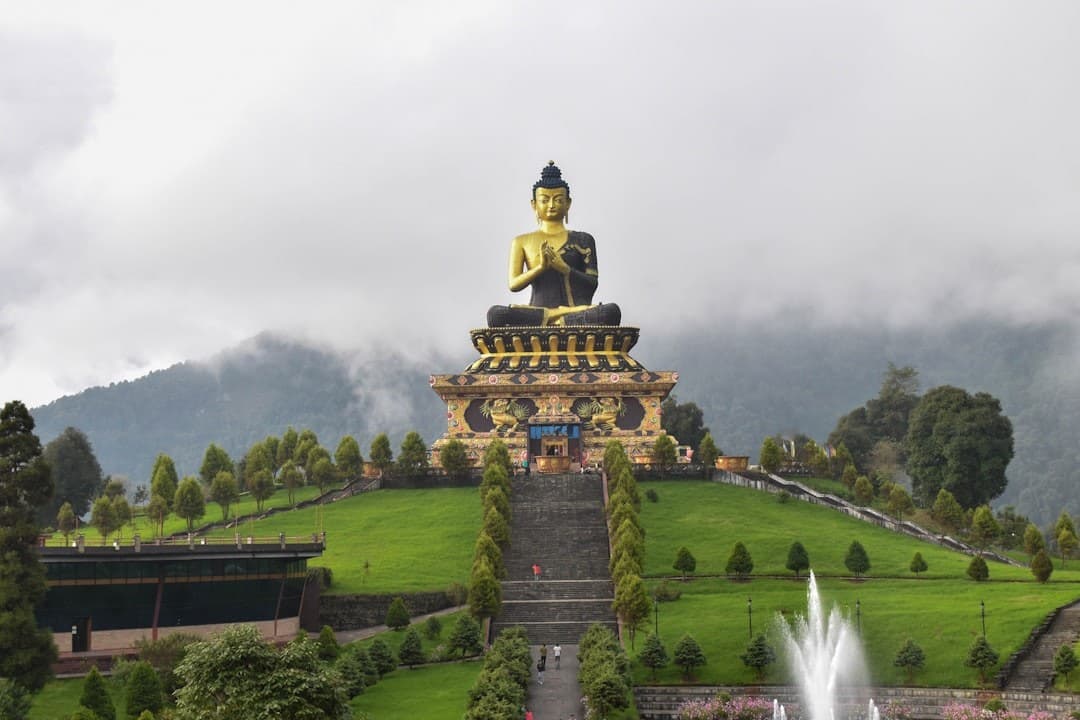
- Tathagata Tsal (Buddha Park of Ravangla), Ravangla — A serene complex with a 130-ft seated Buddha and walking meditation circuits
- Phodong Monastery visit and Phensang on the North Sikkim Highway
The most popular pilgrimage towns on the extended circuit are Gangtok, Pelling, Yuksom, Namchi, Ravangla, Aritar, Mangan, and Lachen.
Festivals That Deepen the Pilgrimage
Timing your visit around a Buddhist festival transforms a sightseeing trip into a genuinely spiritual experience:
- Saga Dawa (May 31, 2026) — The most sacred Buddhist festival, commemorating the birth, enlightenment, and parinirvana of Lord Buddha. Monks lead grand processions carrying sacred texts through Gangtok; devotees light butter lamps and make offerings at monasteries statewide.
- Bumchu at Tashiding (Feb–Mar) — The holy-water divination ceremony that foretells Sikkim's fortune.
- Losar (Feb/Mar) — Tibetan New Year, celebrated with masked cham dances at monasteries across the state.
- Pang Lhabsol (Aug/Sep) — Unique to Sikkim, honouring Khangchendzonga as the state's guardian deity.
Practical Tips for Buddhist Pilgrimage in Sikkim
Permits
- Indian nationals need permits for Tsomgo (Changu) Lake, Nathula Pass, North Sikkim, and the Old Silk Route — arrange through registered operators 24–48 hours in advance.
- Foreign nationals require a Protected/Restricted Area Permit to enter Sikkim and can visit only designated areas (e.g., Tsomgo Lake but not Gurudongmar or Nathula). Carry your passport and two photos.
Getting There
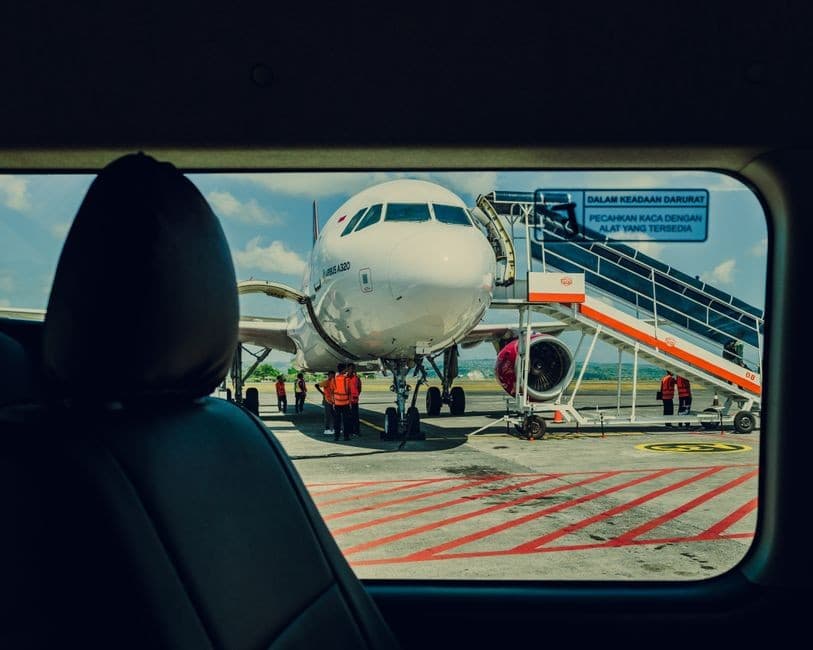
- Fly into Bagdogra Airport (IXB) and drive 4–5 hours to Gangtok, or take a train to New Jalpaiguri (NJP) and continue by road.
- Within Sikkim, shared jeeps and hired taxis are the primary transport. Mountain roads, weather, and permits make self-driving impractical for most visitors.
Monastery Etiquette
- Dress modestly — cover shoulders and knees. Remove hats and shoes before entering shrine halls.
- Walk clockwise around chortens, prayer wheels, and monastery compounds.
- Ask permission before photographing monks, rituals, or sacred objects.
- Maintain silence or speak softly inside prayer halls.
Best Time to Visit
- March–June and October–November offer clear skies, comfortable temperatures, and full access to high-altitude sites. Spring brings rhododendron blooms; autumn delivers the crispest mountain views.
- Monsoon (July–September) brings landslide risks and road closures but fewer crowds.
- Winter (Dec–Feb) is cold at altitude and some passes close, but monasteries remain active and the festive Losar season adds warmth.
For a detailed breakdown of when to plan your trip, see our Best Time to Visit Sikkim: A Complete Season-by-Season Guide.
Beyond the Monastery Walls
A Buddhist pilgrimage in Sikkim isn't only about monasteries. It's about the organic meals shared in village homestays, the silence of a forest trail broken only by birdsong, the first golden light hitting Khangchendzonga's five summits at dawn. Nearly a third of the state lies within Khangchendzonga National Park (UNESCO), India's only UNESCO Mixed World Heritage Site — recognised for both its exceptional nature and its living sacred landscape.
After a day of monastery visits, unwind with a bowl of steaming thukpa at a Gangtok café, sip Temi tea from Sikkim's only organic estate at Temi Tea Garden, or simply sit beside a fluttering line of prayer flags and let the mountains do what they do best — remind you of what's vast and what's small.
Your Next Steps
- Choose your circuit — the 3-day East Sikkim loop for a short trip, or the 7-day West Sikkim monastic trail for a deeper journey.
- Time it right — aim for Saga Dawa (late May 2026) or the Bumchu Festival (Feb–Mar) to experience living Buddhist tradition.
- Book permits and stays early, especially in peak season (April–June, October–November).
- Travel slow — the pilgrimage is as much about the path as the destination. Let Sikkim's pace become your own.
Sikkim doesn't shout its spirituality. It hums it — in the turning of prayer wheels, the murmur of mountain streams, and the quiet conviction that some places on earth are simply closer to the sky.
Leave a Comment
Explore Sikkim
Ready to plan your trip? Check out our complete travel guide and packages.