Paragliding & High-Altitude Camping in Sikkim: The Ultimate Guide
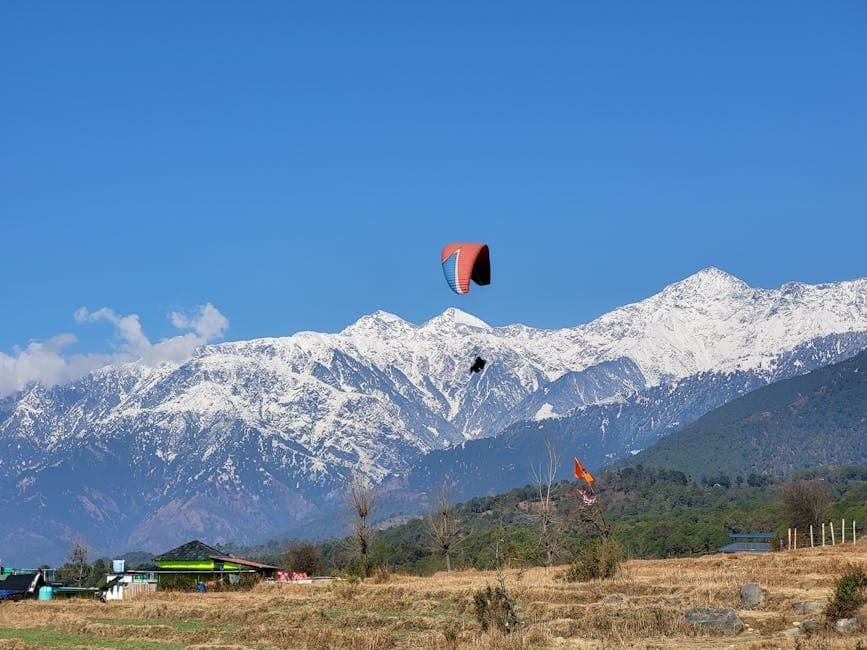
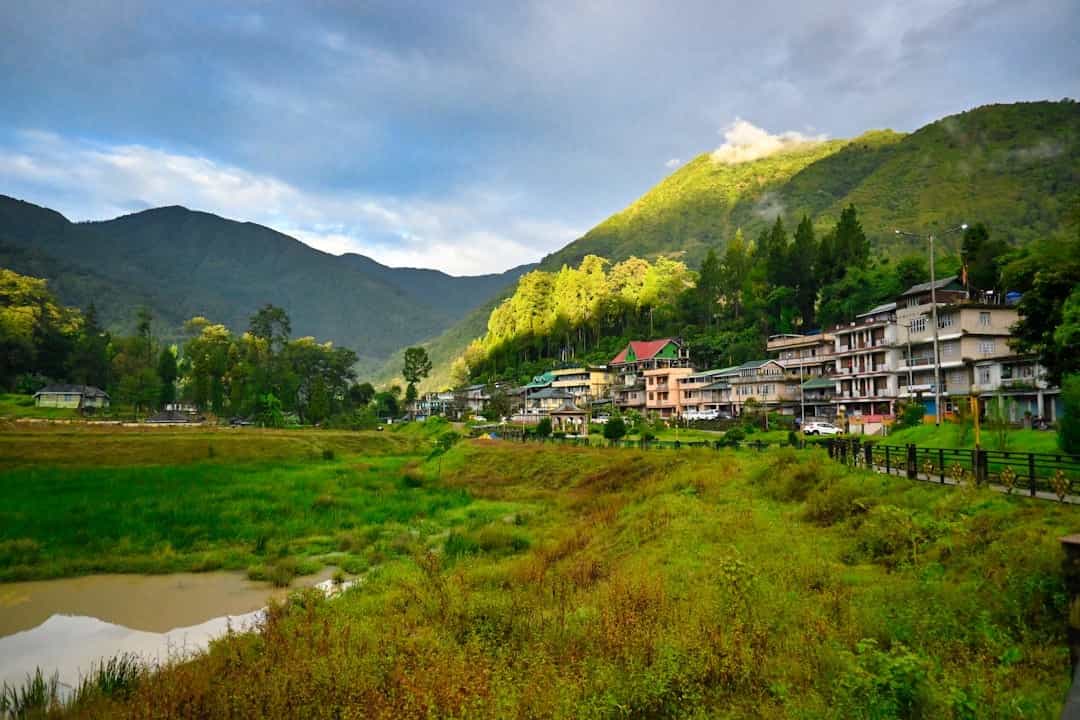
Few places on Earth let you fly over rhododendron forests one day and fall asleep at 4,000 metres under a sky full of stars the next. Sikkim—India's first fully organic state, cradled by snow peaks and teal rivers—delivers exactly that combination. Whether you're clipping into a tandem harness above Gangtok or pitching a tent on the Dzongri meadows with Khangchendzonga National Park as your backdrop, this tiny Himalayan state packs an outsized punch for adventure seekers.
In this guide we cover everything from take-off points and flight options to the best high-altitude camping treks, practical permits, packing lists and the best time to visit Sikkim for each activity.
Paragliding in Sikkim: Your Ticket to the Himalayan Sky
When people talk about parachute expeditions in Sikkim, they're almost always referring to paragliding—a free-flight sport that uses a parachute-shaped canopy to carry you over valleys, forests and ridgelines. Sikkim doesn't currently have a licensed skydiving dropzone, but its paragliding scene more than makes up for it: you launch from forested hillsides, catch thermals rising off terraced slopes and glide with the five-summited massif of Khangchendzonga shimmering on the horizon.
Where to Fly
Gangtok is the undisputed paragliding hub. The two most popular launch sites sit just outside the capital:
- Baliman Dara (Reshithang Village) — A Medium Fly take-off at roughly 1,400 m. Flights last 5–10 minutes and land at the Reshithang Sports Village stadium. Ideal for first-timers who want a taste of flight without extreme altitude.
- Bulbuley Dara — Located further uphill, this High Fly point sits at about 2,200 m. Sessions run 15–20 minutes and reward you with sweeping views of Gangtok city, Tashi View Point and the Khangchendzonga range.
Beyond Gangtok, Chakung Durpin Dara in West Sikkim (82 km from the capital, elevation ~1,700 m) offers a spectacular 15–20-minute descent to the Jorethang River Beach. Further south, Namchi is emerging as a serene alternative, with flight paths that drift over monasteries and sacred hillsides.
Flight Types and Costs
Sikkim's operators typically offer two tiers:
| Flight Type | Altitude | Duration | Approximate Cost (2026) |
|---|---|---|---|
| Medium Fly | ~1,300–1,400 m | 5–10 min | ₹2,500–₹3,000 per person |
| High Fly | ~2,200 m | 15–20 min | ₹4,500–₹7,000 per person |
All flights are tandem—you're strapped to a certified pilot who handles the canopy while you soak in the views. Video recording on a handheld GoPro-style camera is usually available for an extra ₹500.
Best Season to Paraglide
The ideal months are March–June and September–November, when skies are clear and winds are favourable. Monsoon months (July–August) bring fog and unpredictable gusts that ground most flights. Winter flying is possible on calm days, but cold and reduced visibility narrow the window.
Safety Tips for First-Time Flyers
- Book with licensed operators listed at the Reshithang Sports Village or recommended by the Sikkim Tourism department.
- Wear snug-fitting shoes and layers (it's cooler aloft); avoid scarves or loose clothing that could tangle.
- Arrive early—9:00 AM to 11:00 AM often has the calmest thermals. Afternoon winds can delay or cancel flights.
- Inform your pilot of any medical conditions. A basic level of fitness is fine; no prior experience is needed.
High-Altitude Camping in Sikkim: Sleeping Among the Giants
Sikkim's trekking trails double as some of India's finest high-altitude camping corridors. The state's dramatic vertical gradient—from subtropical forest at ~1,200 m to glacial moraines above 5,000 m—means you can camp in wildly different ecosystems on the same trek.
Top Treks With Overnight Camping
1. Dzongri Trek (Moderate | 5 Days | Max 4,200 m)
The Dzongri trek (shorter Kanchenjunga viewpoint) is Sikkim's most accessible high-altitude camping experience. Starting from the historic town of Yuksom, the trail winds through Kanchenjunga National Park past rhododendron forests, suspension bridges and Buddhist settlements. The reward at Dzongri Top is a panoramic sunrise over Mt Khangchendzonga, Kabru and Pandim. Campsites at Tshoka and Dzongri are well-established with eco-friendly tent setups.
2. Goecha La Trek (Challenging | 10–12 Days | Max ~4,940 m)
An extension of the Dzongri route, the Goecha La trek in Kanchenjunga National Park is the crown jewel. The trail continues past Dzongri to the pristine Samiti Lake and on to Goecha La pass, where dawn paints the southwest face of Khangchendzonga in gold. Camping at Lamuney on the Goecha La trail is an unforgettable night—think four-season tents, hot meals cooked by a dedicated kitchen crew and a sky so clear you can photograph the Milky Way.
3. Green Lake Trek (Difficult | 14+ Days | Max ~5,050 m)
For seasoned trekkers craving solitude, the Green Lake Trek in North Sikkim follows the Zemu Glacier river to the base of Khangchendzonga's north face. The landscape shifts from dense forest to alpine scrub reminiscent of the Tibetan plateau. This is classified as an expedition trek, so permits and logistics are more involved—but the payoff is unmatched remoteness.
4. Singalila–Yambong Trek (Moderate-Hard | 7–10 Days)
This ridge walk traces the Sikkim–Nepal border through high-altitude lakes and meadows with views stretching from Khangchendzonga all the way to Everest, Lhotse and Makalu on clear days. Camping beside glacial tarns at sunset is the stuff of bucket-list photography.
What to Expect at a High-Altitude Camp
- Accommodation: Sturdy four-season tents (typically two trekkers per tent), foam sleeping mats and sleeping bags rated to −10°C.
- Meals: A kitchen team travels with the group, preparing hot breakfasts, packed lunches and cooked dinners. Expect dal-rice, noodle soups, porridge and plenty of tea.
- Facilities: Basic toilet tents at established campsites; eco-friendly waste-out policies are standard inside the national park.
- Safety gear: Responsible operators carry medical kits, pulse oximeters for altitude checks, gaiters and micro-spikes for icy sections.
Permits You'll Need
Sikkim's border-state status means permits are non-negotiable:
- Trekking permits for routes inside Khangchendzonga National Park (Dzongri, Goecha La, Green Lake) must be arranged through a registered tour operator, usually 2–4 weeks in advance.
- Inner Line Permits / Protected Area Permits are required for foreigners entering Sikkim; certain areas (Gurudongmar, Zuluk) are restricted to Indian nationals only.
- Carry two passport-size photos per traveller and valid photo ID (Voter ID, Passport or Driving Licence—Aadhaar is often not accepted).
- Paragliding itself doesn't require a separate government permit, but always confirm operator credentials.
How to Reach Sikkim
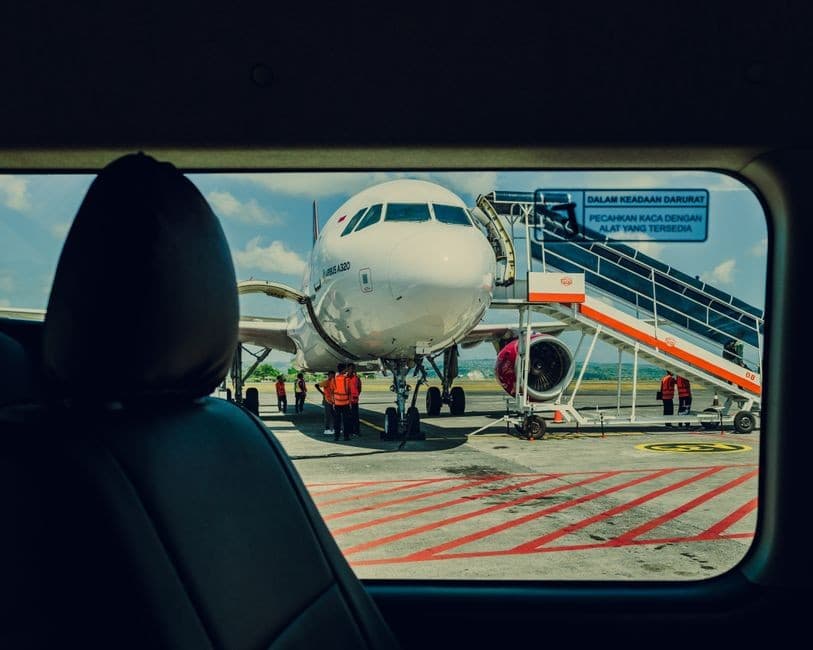
- By air: Fly into Bagdogra Airport (IXB) in Siliguri, West Bengal, then drive 4–5 hours to Gangtok. Pakyong Airport (PYG) near Gangtok has had intermittent service—verify schedules before booking.
- By rail: New Jalpaiguri (NJP) is the nearest major railhead (~120 km to Gangtok). The Sivok–Rangpo railway under construction may bring direct rail access by 2027.
- By road: NH-10 from Siliguri via Sevoke–Teesta Bazar–Rangpo is the standard route; monsoon landslides can cause delays.
Once in Sikkim, shared jeeps and hired taxis are the most practical way to reach trek base camps (like Yuksom) or paragliding sites.
Packing Checklist: Fly + Camp Combo Trip
| Paragliding Day | High-Altitude Camp |
|---|---|
| Snug trainers or trekking shoes | Waterproof trekking boots |
| Windproof jacket | Down jacket + fleece layers |
| Sunglasses with strap | UV-rated sunglasses + sunscreen |
| Light layers (it's chilly aloft) | Thermals, gloves, beanie |
| Fully charged phone for video | Headlamp, power bank |
| — | Trekking poles, rain shell |
| — | Personal first-aid, blister kit |
Combining Both Adventures: A Sample 10-Day Itinerary
| Day | Activity |
|---|---|
| 1 | Arrive Bagdogra → Drive to Gangtok |
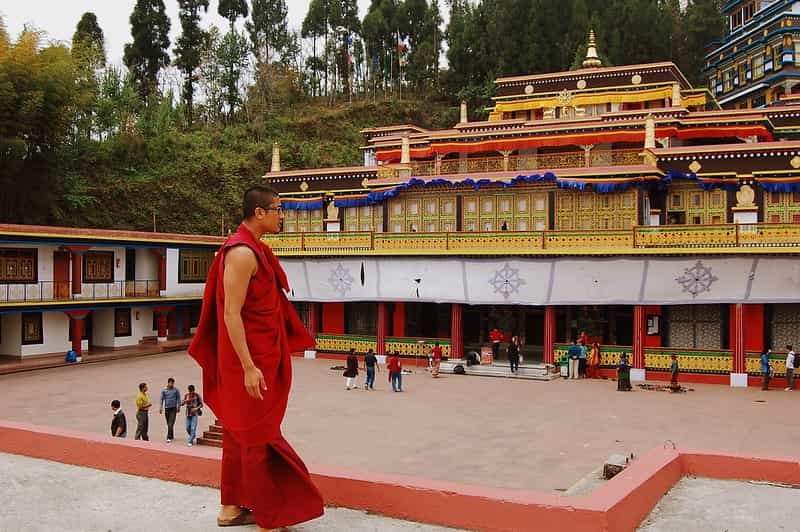
| 2 | Gangtok sightseeing: Rumtek Monastery, MG Marg, Gangtok Ropeway |
| 3 | Paragliding over Gangtok valley (High Fly); afternoon at Temi Tea Garden |
| 4 | Drive Gangtok → Pelling; visit Chenrezig Skywalk & Pemayangtse Monastery |
| 5 | Drive Pelling → Yuksom; trek briefing & permit check |
| 6 | Trek Day 1: Yuksom → Sachen (camp) |
| 7 | Trek Day 2: Sachen → Tshoka (camp amid rhododendrons) |
| 8 | Trek Day 3: Tshoka → Dzongri Meadows (camp at ~4,020 m) |
| 9 | Trek Day 4: Sunrise at Dzongri Top → descend to Tshoka (camp) |
| 10 | Trek Day 5: Tshoka → Yuksom → drive to Gangtok or onward |
Extend by 4–5 days if continuing to Goecha La.
Final Thoughts
Sikkim quietly offers one of India's most thrilling adventure doubles: a morning soaring over Himalayan foothills under a parachute canopy, followed by days of camping in some of the planet's most spectacular high-altitude wilderness. The state's compact geography, well-regulated permit system and deeply respectful mountain culture make it both accessible and unforgettable.
Whether you choose a quick tandem flight above Gangtok or a full expedition to the foot of the world's third-highest peak, Sikkim rewards those who look up—and those who lace up. Start planning, secure your permits early, and let the mountains do the rest.
Leave a Comment
Explore Sikkim
Ready to plan your trip? Check out our complete travel guide and packages.