Sikkim for Spiritual Travelers – Finding Peace in the Himalayas
There are places you visit, and then there are places that visit you — that settle into your bones and quietly rearrange something inside. Sikkim is the latter kind.
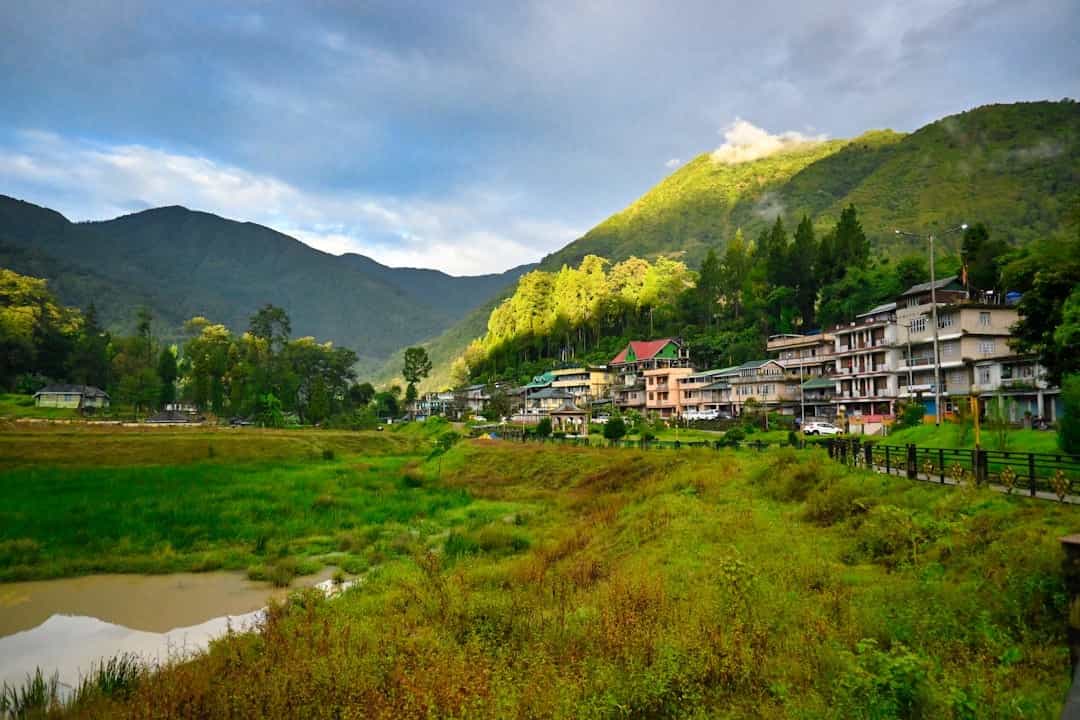
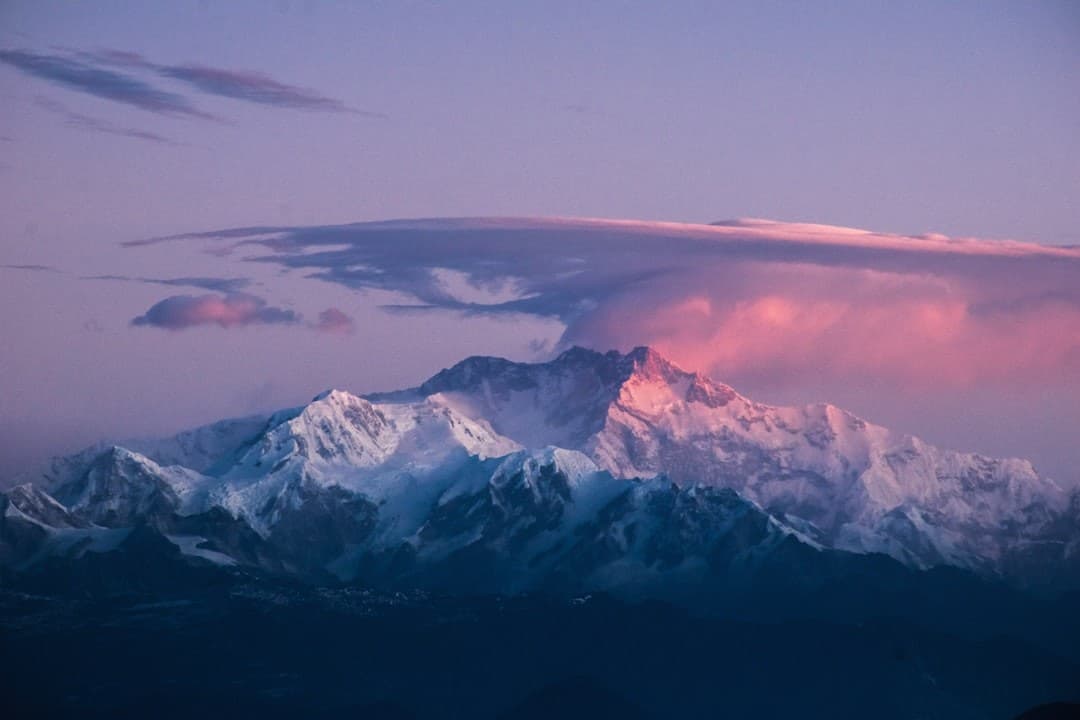
Cradled between Nepal, Bhutan, and Tibet, this small Himalayan state is home to snow-gilded peaks, misty rhododendron forests, and a spiritual heritage that stretches back centuries. Nearly one-third of its land is protected inside Khangchendzonga National Park, India's only UNESCO Mixed World Heritage Site, honored for both its extraordinary biodiversity and its living sacred culture. With over 200 monasteries dotting its ridges and valleys, sacred lakes revered by pilgrims, and festivals that bring ancient Buddhist traditions to vivid life, Sikkim is one of the most profoundly spiritual destinations in all of Asia.
Whether you're a devoted practitioner or simply someone seeking stillness in a noisy world, here's your guide to finding peace and enlightenment in Sikkim.
The Monastery Circuit: Sikkim's Living Spiritual Heritage
Sikkim's monasteries aren't museum pieces — they are vibrant, breathing centers of faith where monks chant at dawn, butter lamps flicker before golden Buddhas, and prayer flags carry intentions into the mountain wind.
Rumtek Monastery (Dharma Chakra Centre)
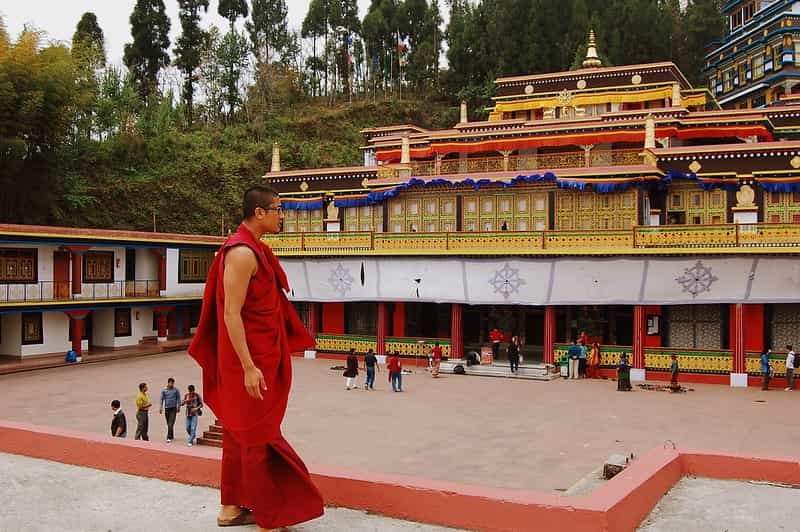
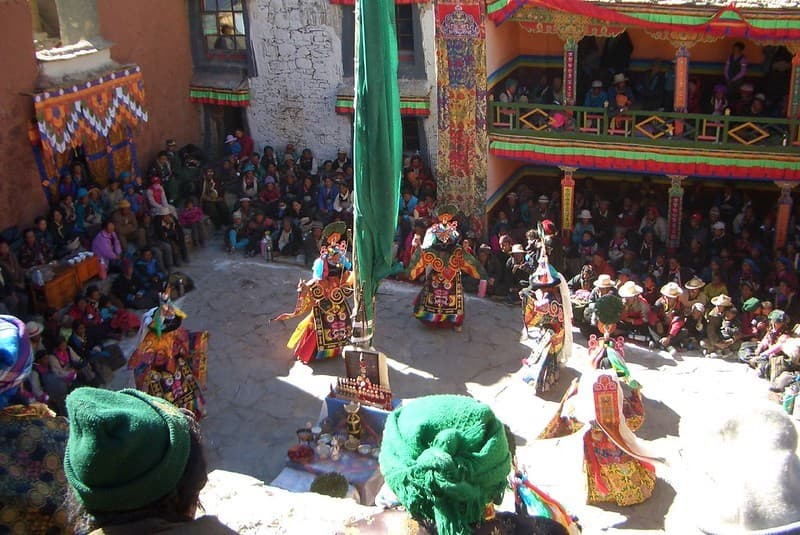
Start your spiritual journey at Rumtek Monastery, Sikkim's largest and most significant monastery, perched on a hill 23 km from Gangtok. As the seat-in-exile of the Karmapa and a major center of the Karma Kagyu lineage, Rumtek houses some of the world's rarest pieces of Buddhist religious art. Its four-storey main structure features vibrant murals of guardian deities, an active monastic college, and a retreat centre. Time your visit for a festival day to witness the mesmerizing cham (masked lama) dances.
Pemayangtse Monastery
In West Sikkim, Pemayangtse Monastery stands as one of the state's most spiritually significant landmarks. Founded in 1705 AD by Lhatsun Chenpo — one of the three lamas who consecrated Sikkim's first king — the name translates to "Perfect Sublime Lotus." Don't miss the rare seven-tiered wooden model of Guru Rinpoche's celestial palace on the top floor, carved by a single lama over five years. The monastery belongs to the Nyingma sect, the oldest school of Tibetan Buddhism, and retains an atmosphere of authentic practice rather than tourist spectacle.
Tashiding Monastery
Considered one of the holiest sites in all of Sikkim, Tashiding Monastery sits at the sacred confluence of the Rangit and Rathong rivers. Local tradition holds that a visit here cleanses all sins and negative karma. It's also the venue for the extraordinary Bumchu Festival (February–March), where a sealed pot of holy water is opened by lamas — the water level inside is believed to foretell the coming year's fortunes.
Dubdi Monastery
For those willing to earn their spiritual reward, Dubdi Monastery near Yuksom requires a 30-to-60-minute trek through lush forest to reach. Established in 1701, it's one of Sikkim's oldest monasteries. Known as the "Hermit's Cell," its intimate scale and remote woodland setting make it one of the most atmospheric spiritual experiences in the state.
Insider tip: Build a monastery circuit connecting Rumtek, Phodong, Pemayangtse, and Tashiding over several days. Entry to most monasteries is free, though donations are welcome. Dress modestly, remove shoes before entering prayer halls, and always ask before photographing monks or sacred objects.
Sacred Lakes: Water, Silence, and Devotion
In Sikkim, lakes aren't just geographical features — they are living deities, places where the boundary between the earthly and the divine grows thin.
Khecheopalri Lake — The Wish-Fulfilling Lake
Tucked in the forests of West Sikkim, Khecheopalri Lake is sacred to both Buddhists and Hindus. Originally known as Kha-Chot-Palri — meaning "the heaven of Padmasambhava" — the lake is believed to grant wishes to those who pray at its shores. Pilgrims seek healing and fertility here, and monks from the nearby monastery perform ceremonies throughout the year. According to local folklore, birds keep the lake's surface pristine by whisking away any fallen leaves. No boating or fishing is allowed — this is a place for reverence, not recreation.
The lake is part of a broader Buddhist pilgrimage circuit that includes Yuksom, Dubdi Monastery, Pemayangtse, the Rabdentse royal ruins, and Tashiding Monastery — a route that can be walked over several contemplative days.
Tsomgo (Changu) Lake
Tsomgo Lake, sitting at 3,753 meters, is a turquoise glacial jewel 40 km from Gangtok. Revered by locals and surrounded by prayer flags, it freezes solid in winter and glows with shifting colors through the seasons. A permit is required (arranged through registered operators 24–48 hours in advance), and foreigners can visit the lake itself though not continue onward to Nathula Pass.
Gurudongmar Lake
At 5,183 meters, Gurudongmar Lake is one of the highest lakes on Earth and carries deep spiritual significance. Open only to Indian nationals, the journey here demands respect for altitude — acclimatize slowly and heed your body's signals.
Festivals That Feed the Soul
Sikkim's Buddhist festivals aren't performances staged for tourists — they are living rituals that have unfolded for centuries. Timing your visit to coincide with one can transform a trip into a pilgrimage.
Saga Dawa (May 31, 2026)
The most sacred Buddhist festival in Sikkim, Saga Dawa commemorates the birth, enlightenment, and passing of Buddha Shakyamuni. In 2026, it falls on May 31. The main celebrations unfold at the Tsuklakhang Palace Monastery and Rumtek Monastery in Gangtok, where monks light hundreds of butter lamps, carry holy scriptures through the streets, and lead processions accompanied by chanting and traditional music. Tourists are welcome to observe respectfully.
Bumchu at Tashiding (February–March)
This holy water divination ceremony at Tashiding Monastery is unique to Sikkim. The water level in a sacred sealed vessel is interpreted by lamas to predict the year ahead — a half-full pot signals peace and prosperity.
Pang Lhabsol (August–September)
Found nowhere else in the world, Pang Lhabsol gives thanks to Mt. Khangchendzonga as Sikkim's guardian deity. The festival features spectacular warrior dances and masked cham performances at monasteries across the state.
The Buddha Park and Chenrezig Skywalk: Modern Devotion
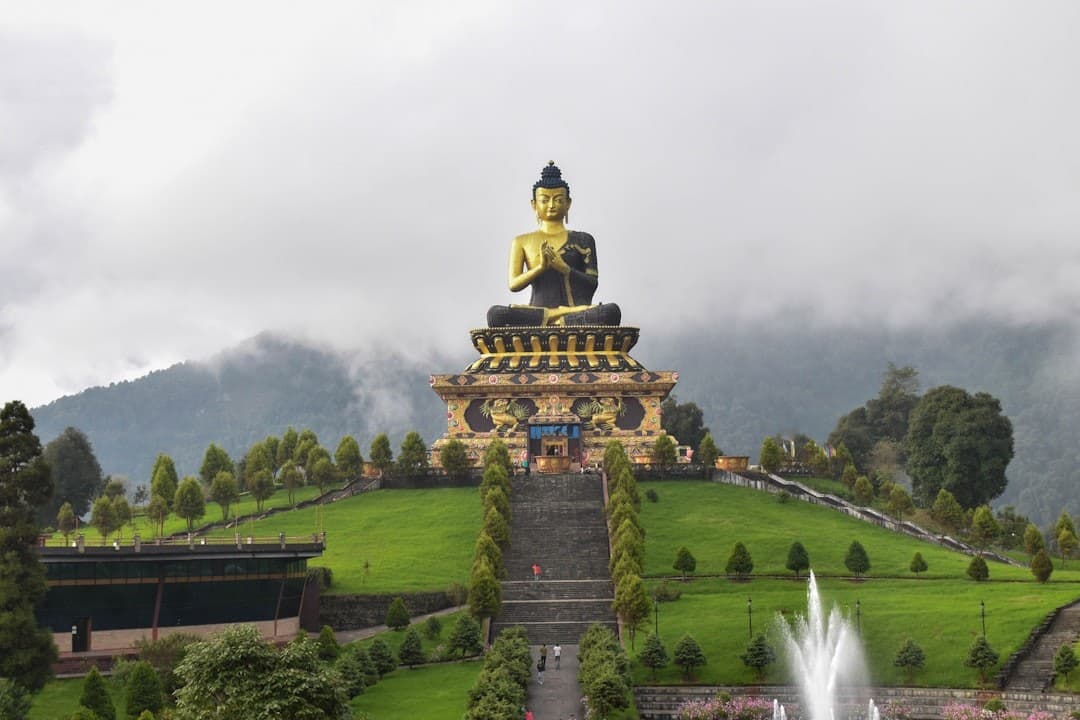
Sikkim's spiritual landscape isn't frozen in the past. At Buddha Park (Tathagata Tsal) in Ravangla, a serene 130-ft statue of the Buddha presides over walking meditation circuits with panoramic Himalayan views — ideal for quiet contemplation.
In Pelling, the Chenrezig Skywalk pairs India's first glass skywalk with a 137-ft statue of Chenrezig (Avalokiteshvara, the Bodhisattva of Compassion). Walking the glass bridge suspended above the valley, clouds drifting below, is itself a kind of meditation on impermanence.
Yoga and Meditation Retreats
Sikkim's growing retreat scene offers structured spiritual experiences for visitors. Several centers near Gangtok and in West Sikkim offer yoga, meditation, and mindfulness programs set against Himalayan backdrops. Most welcome complete beginners and incorporate walking meditation, pranayama, and monastery visits into their itineraries. The slower pace of life here — far from urban noise — naturally supports deeper practice.
Practical Tips for the Spiritual Traveler
- Best time to visit: April–June and October–November offer clear skies, open high-altitude lakes, and comfortable temperatures. The monastery circuit is accessible year-round, though winter brings cold mornings at altitude.
- Permits: Indians need permits for Tsomgo, Nathula, North Sikkim, and the Old Silk Route. Foreigners require a Protected/Restricted Area Permit and can visit only certain areas. Carry passport photos and valid ID (Aadhaar is often not accepted for border-area permits).
- Getting there: Fly into Bagdogra Airport (IXB) and drive 4–5 hours to Gangtok, or take a train to New Jalpaiguri (NJP) and continue by road.
- Monastery etiquette: Remove shoes, dress modestly (cover shoulders and knees), walk clockwise around stupas and prayer wheels, speak softly, and never touch sacred objects without permission.
- Pace yourself: Sikkim rewards slowness. Build buffer days into your itinerary — for weather, for altitude, and for the kind of serendipity that only happens when you stop rushing.
- Nourish the body too: Try gundruk soup, thukpa, and momos at places like Taste of Tibet or 9INE Native Cuisine on MG Marg in Gangtok. Sip organic Temi tea at source. Spiritual travel is richer when the body is well fed.
Your Sikkim Spiritual Itinerary at a Glance
| Day | Experience |
|---|---|
| 1 | Arrive Gangtok; evening stroll on MG Marg |
| 2 | Rumtek Monastery & Enchey Monastery; Gangtok Ropeway at sunset |
| 3 | Day trip to Tsomgo Lake (with permit) |
| 4 | Drive to Pelling; visit Pemayangtse Monastery & Rabdentse ruins |
| 5 | Khecheopalri Lake pilgrimage; Chenrezig Skywalk |
| 6 | Drive to Yuksom; trek to Dubdi Monastery |
| 7 | Tashiding Monastery; return toward Gangtok or continue to Ravangla for Buddha Park |
Finding What You Came For
Sikkim doesn't shout its spirituality from the rooftops. It whispers it — in the low hum of monks chanting before dawn, in the stillness of a sacred lake where even the birds keep the water clean, in the first golden light striking the five summits of Khangchendzonga on a clear morning.
You don't need to be Buddhist to feel it. You just need to slow down, show up with respect, and let the mountains do the rest. In Sikkim, peace isn't something you have to search for — it's something that finds you.
Leave a Comment
Explore Sikkim
Ready to plan your trip? Check out our complete travel guide and packages.