Traditional Games and Sports of Kerala: A Cultural Deep Dive
Kerala isn't just about dreamy backwaters and fragrant spice gardens. Beneath the postcard-perfect surface lies a fiercely competitive, deeply communal sporting culture that has shaped village life for centuries. Whether it's a hundred oarsmen rowing a serpentine boat in thunderous unison or children flicking seeds across a carved wooden board, traditional games and sports in Kerala offer travelers a window into the state's soul that no houseboat cruise alone can provide.
Here's your guide to the most thrilling traditional games and sports you can witness — and sometimes join — on your next trip to God's Own Country.
Kalaripayattu: The Mother of Martial Arts
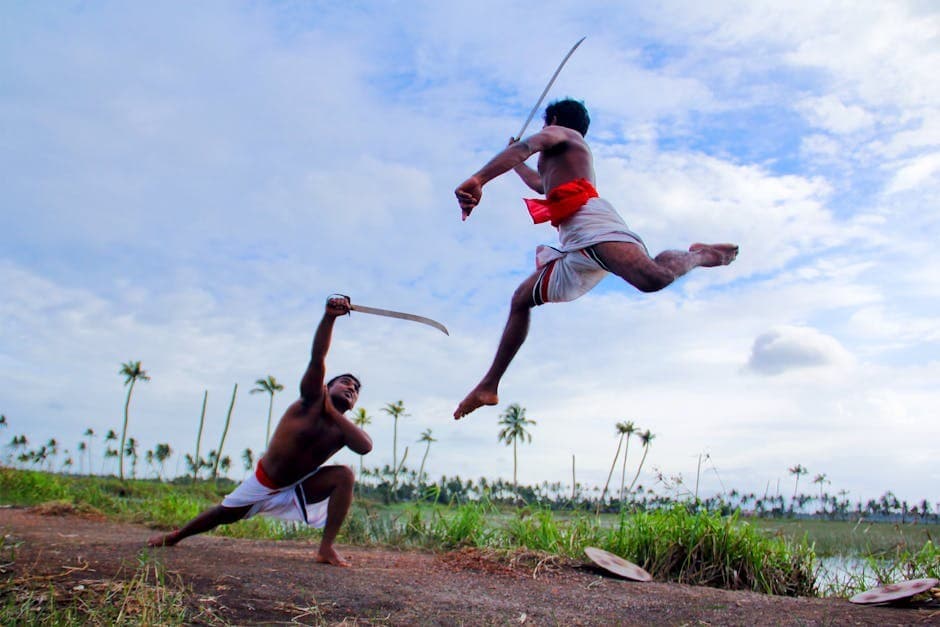
No conversation about Kerala's sporting heritage begins without Kalaripayattu, widely regarded as one of the oldest martial art systems still practiced in the world. The name itself tells the story: kalari means "training ground" and payattu means "to practice combat."
Kalaripayattu developed out of combat techniques during the 11th–12th century battlefield era, with weapons and fighting methods unique to Kerala. Legend credits the warrior-sage Parashurama — the sixth avatar of Lord Vishnu — with founding the tradition, establishing 108 training centers and appointing 21 master teachers to spread the art.
Training unfolds across four progressive stages: Maithari (body control exercises), Kolthari (wooden weapons), Ankathari (metal weapons like swords, spears, and the fearsome flexible urumi), and Verumkai (bare-hand combat). Two major regional styles exist — the acrobatic Vadakkan Kalari of northern Malabar and the powerful Thekkan Kalari of the Travancore south.
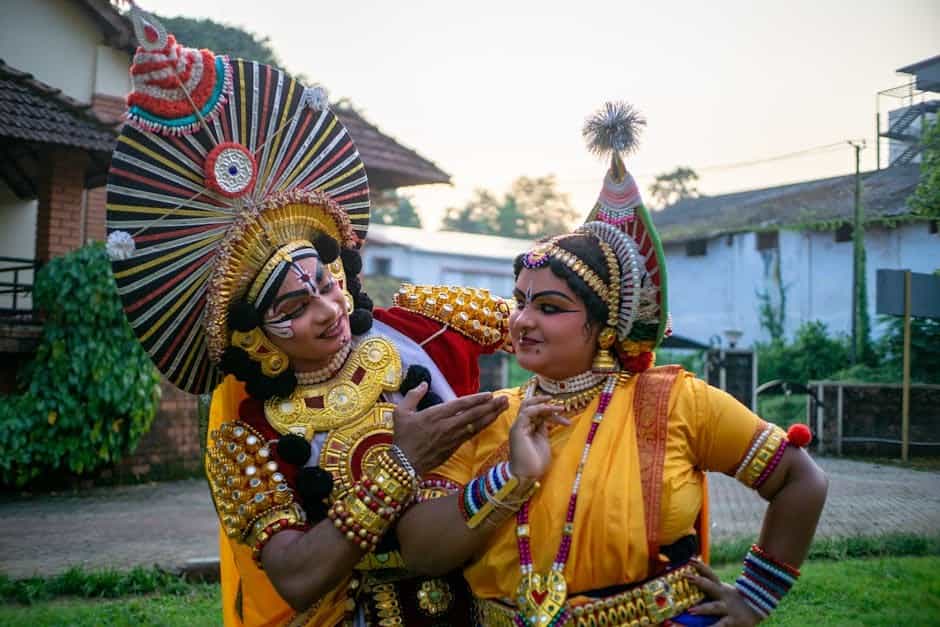
Kalaripayattu's influence runs deep through Kerala's cultural DNA. Even Kathakali classical dance performance, the state's famed classical dance-drama, borrows footwork, body conditioning, and massage techniques from Kalari training. The British banned the practice in 1804 following the rebellion led by Pazhassi Raja, but secret training kept the art alive until a revival began in the 1920s in Thalassery.
Where to experience it: Catch electrifying demonstrations at Kadathanadan Kalari Sangam in Wayanad, CVN Kalari centers across Kerala, or evening performance shows in Fort Kochi and Thekkady. Many kalaris also welcome short-term students — even a single introductory session is unforgettable.
Vallam Kali: The Legendary Snake Boat Races
If Kalaripayattu is Kerala's warrior spirit on land, Vallam Kali is its roaring expression on water. Translated simply as "boat game," these traditional races feature the magnificent Chundan Vallams — snake boats stretching 100 to 120 feet, crewed by 80 to 150 oarsmen who row in breathtaking synchrony.
The tradition traces its origins to the 13th century, when King Devanarayana of Chembakassery commissioned the first snake boat during a conflict with the rival kingdom of Kayamkulam. Over time, these war vessels evolved into ceremonial racing boats, deeply intertwined with temple festivals and the Onam harvest celebration.
The most famous event is the Nehru Trophy Snake Boat Race (Punnamada Lake), held on the second Saturday of August at Punnamada Lake in Alappuzha. The race owes its name to India's first Prime Minister, Jawaharlal Nehru, who was so captivated by a snake boat race during a 1952 visit that he donated a silver trophy. Other major regattas include the ancient Champakkulam Moolam Boat Race and the ritual-focused Aranmula Uthrattathi Boat Race on the Pampa River.
Rowers chant vanchipattu (traditional boat songs) to maintain rhythm, producing a soundscape that is equal parts haunting and electrifying. In 2019, Kerala Tourism launched the Champions Boat League (CBL), a franchise-style tournament with live broadcasts that has brought global attention to the sport while honoring its soul.
When to visit: Plan your trip between July and September to catch the major races. The atmosphere along the backwater banks — with cheering crowds, percussion ensembles, and floral decorations — is absolutely unmissable.
Pallankuzhi: The Ancient Seed-and-Board Game
Shift from the thundering backwaters to a quiet veranda, and you might find two players hunched over a carved wooden board with 14 small cups — that's Pallankuzhi (also spelled Pallanguzhi), a traditional mancala-style game deeply rooted in South Indian culture.
The game uses a wooden board with two rows of seven pits, filled with cowry shells, pebbles, or tamarind seeds. Players take turns distributing seeds around the board, aiming to capture their opponent's pieces through strategic placement. It was traditionally designed to sharpen hand-eye coordination and counting skills, making it popular among children and elders alike.
While it may lack the adrenaline of boat races, Pallankuzhi is a beautiful example of Kerala's quieter intellectual traditions. You'll sometimes spot boards at heritage homestays, Ayurveda retreats, and cultural centers — ask your host for a game and you'll earn instant goodwill.
Kuttiyum Kolum: Kerala's Answer to Cricket
Long before cricket took over India's playgrounds, Kerala's children were playing Kuttiyum Kolum ("stick and cane"), a folk game similar to North India's gilli-danda. A kol (stick about 18 inches long) is used to strike a small kutti (a peg chiseled at both ends), launching it as far as possible from a small hole dug in the ground.
The game goes by many regional names — Kottiyum Pullum in Malabar, Chottayum Maniyum in other areas — and was once a staple of village life played on open fields and school grounds. Sadly, it is slowly fading as modern sports take over, but you can still catch it during Onam festivities in rural Kerala, when traditional games enjoy a spirited revival.
Onam Games: A Festival of Folk Sports
Speaking of Onam — Kerala's grand harvest festival (August–September) is the single best time to witness traditional games in full swing. The festive spirit sparks a revival of folk sports that might otherwise remain dormant:
- Onathallu — A dramatic open-palm fighting contest where teams advance into each other's territory, sometimes lasting for days with expert fighters performing acrobatic leaps and dodges
- Vadamvali — Classic tug-of-war, a crowd favorite at village grounds
- Uriyadi — A blindfolded pot-breaking game (think of it as Kerala's piñata)
- Pulikali (Tiger Dance) — Not a game per se, but men painted as tigers and leopards dance to frenzied drum beats in Thrissur's streets, showcasing physical prowess and artistic skill
- Nadan Panthu Kali — A rural ball game combining elements of football and cricket, played with a small leather ball stuffed with coconut fiber, popular in the villages of Kottayam district
These games foster an extraordinary sense of community. They transform paddy fields and village commons into arenas of laughter, rivalry, and togetherness.
Aadu Puli Attam: The Game of Goats and Tigers
Another beloved board game is Aadu Puli Attam ("Goats and Tigers"), a strategic hunt game popular across South India, including Kerala. One player controls three tigers while the other commands 15 goats on a triangular grid. The tigers try to "kill" goats by jumping over them; the goats aim to surround and immobilize the tigers.
It's a peasant's game in the best sense — historically drawn on the ground with a stick, played with stones or seeds. You'll find ancient versions of the board carved into temple floors across Kerala and Tamil Nadu, a testament to its centuries-old popularity.
Gatta Gusthi: Kerala's Traditional Wrestling
Before freestyle wrestling arrived, Kerala had Gatta Gusthi, a form of submission wrestling competed in open-air rings called godha, often on beaches. The sport comprises around 100 techniques, and its wrestlers, called phayalvans, were local heroes. Though its popularity declined after the 1960s with the rise of modern combat sports, pockets of practice survive, and cultural organizations are working to preserve this gritty tradition.
Practical Tips for Travelers
- Best time for traditional sports: Visit during Onam (August–September) for boat races and folk games, or attend temple festivals between October and May for Kalaripayattu martial arts show demonstrations and Theyyam ritual performance (seasonal)
- Where to watch Kalaripayattu: Fort Kochi, Thekkady, and Wayanad host regular evening shows; arrive early for front-row views
- Boat race viewing: For the Nehru Trophy, reach Alappuzha a day early and book waterfront seats or a viewing boat in advance — it gets packed
- Join in: Many resorts and homestays organize Onam-themed game sessions for guests, including Pallankuzhi, Kuttiyum Kolum, and tug-of-war
- Combine with culture: Pair a Kalaripayattu show with a Kathakali performance for a powerful double bill of Kerala's performing traditions
- Respect the tradition: These aren't tourist performances alone — they carry deep community significance. Ask before photographing rituals, and cheer enthusiastically; locals love it
The Living Spirit of Kerala's Games
Traditional games and sports are more than entertainment in Kerala — they are the threads that weave communities together across generations. From the spiritual discipline of Kalaripayattu to the communal roar of a snake boat finish line, these traditions offer travelers something no luxury resort can replicate: a genuine connection to the living pulse of God's Own Country.
Plan your trip around Onam or the monsoon boat-race season, lace up your curiosity, and let Kerala's ancient games sweep you into a world where tradition and thrill are one and the same.
Leave a Comment
Explore Kerala
Ready to plan your trip? Check out our complete travel guide and packages.