Cultural Etiquette in Sri Lanka: 15 Essential Tips Every Traveler Needs
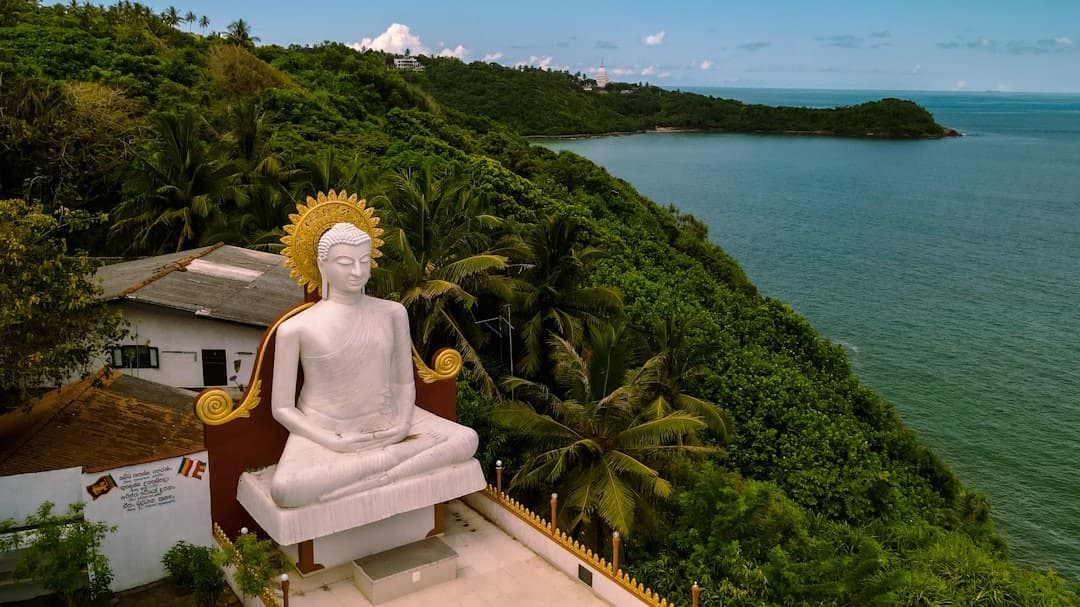
Sri Lanka — the tear-drop-shaped island that locals lovingly call the Pearl of the Indian Ocean — is a place where ancient traditions, warm hospitality, and deep spirituality are woven into everyday life. From misty hill-country tea plantations to golden coastal temples, every corner of this island carries a story, a belief, and a way of doing things that may feel beautifully different from what you're used to.
But here's the thing: while Sri Lankans are among the most welcoming people you'll ever meet, a little cultural awareness goes a long way. A respectful gesture, a properly dressed temple visit, or knowing which hand to eat with can transform your trip from a good holiday into a deeply meaningful experience. So let's dive in.
Greetings: How to Say Hello Like a Local
Forget the casual wave. The traditional Sri Lankan greeting is "Ayubowan" (pronounced ah-yu-BOH-wan), which translates to "May you have a long life." It's typically accompanied by pressing your palms together in front of your chest and giving a slight bow — similar to the Indian namaste.
If you're visiting Tamil-speaking areas in the north and east, the greeting is "Vanakkam." Either way, locals genuinely appreciate it when visitors make the effort.
A few things to keep in mind:
- Handshakes are common in business settings, but cross-gender handshakes are not the norm. If you're a man greeting a woman, wait for her to offer her hand first.
- Elders are treated with marked respect. Always acknowledge older people first in a group setting.
- Sri Lankans don't typically say "goodbye" — it's considered too final. Phrases like "see you later" are preferred.
- Use titles (Mr., Mrs., Dr.) when addressing someone until they invite you to use their first name.
Temple Etiquette: The Rules You Absolutely Must Follow
Sri Lanka is home to thousands of Buddhist and Hindu temples, and visiting them is one of the island's most enriching experiences. But temples are active places of worship — not just tourist attractions — and the rules here are non-negotiable.
Dress Code
- Cover your shoulders and knees. Long pants, skirts, or dresses are ideal. Shorts above the knee, tank tops, and revealing clothing will get you turned away.
- Remove your shoes and hat before entering temple premises. This applies to the entire outdoor area, not just the buildings.
- Carry a lightweight sarong or shawl in your daypack — it's your best friend for impromptu temple visits.
- White clothing is preferred by devout locals visiting temples, though it's not mandatory for tourists.
Behavior at Sacred Sites
- Never turn your back to a Buddha statue, especially for selfies. This is considered highly disrespectful and can result in serious consequences.
- Don't touch statues or sacred objects, and never sit on or climb them.
- Speak softly and keep your phone on silent. Temples are spaces for prayer and meditation.
- Walk clockwise around stupas and shrines, in line with Buddhist practice.
- Photography may be restricted in certain areas — always check for signs or ask a temple official before snapping photos.
- Avoid pointing your feet at Buddha statues or monks. If you sit down, tuck your legs beneath you or point them away from sacred icons.
The Buddha Image: A Serious Matter
This deserves its own section because travelers have gotten into real trouble over it. Sri Lanka takes the treatment of Buddha's image extremely seriously.
- Do not wear clothing with Buddha images printed on them. T-shirts, leggings, or accessories featuring the Buddha are considered offensive.
- Buddha tattoos can get you deported. There have been multiple documented cases of tourists being detained and removed from the country for visible Buddha tattoos. If you have one, keep it covered at all times during your visit.
- Never pose with, kiss, or sit on Buddha statues. French tourists received suspended prison sentences for kissing a Buddha statue, and a famous musician was banned from the country over a music video featuring a Buddha statue.
This isn't about being overly cautious — it's about understanding that Buddhism holds the "foremost place" in Sri Lanka's constitution, and roughly 70% of the population is Buddhist.
Dining Etiquette: Eating with Your Hands (the Right One!)
Sri Lankan cuisine is a glorious, spice-laden adventure — and traditionally, it's eaten with the hands. Here's how to navigate mealtime like a pro:
- Always use your right hand for eating, passing food, and handling objects. The left hand is considered unclean in Sri Lankan culture.
- The technique? Mix rice and curry together, then use your fingertips to form small balls and scoop the food up. Don't worry — it gets easier with practice!
- Wash your hands before and after eating. Most restaurants and homes will provide facilities for this.
- Don't lick your fingers when you're done — it's considered rude.
- If eating with your hands isn't your thing, requesting cutlery at restaurants is perfectly acceptable, especially in tourist areas.
The "Clean Plate" Trap
Here's an insider tip that catches many visitors off guard: finishing all the food on your plate signals that you're still hungry, and your host will likely serve you more. Leave a small amount of food on your plate to indicate you're full and satisfied.
If you're invited to a Sri Lankan home, accept any refreshments offered — declining is considered impolite. And don't arrive expecting to eat right away; socializing before the meal is the norm.
Dress Code Beyond the Temple
Sri Lanka is a conservative country, and modest dress is appreciated everywhere — not just at religious sites.
- Women should avoid low-cut tops, very short shorts, and overly tight or revealing clothing in towns and cities.
- Men can wear comfortable shorts and t-shirts, but very short shorts and going shirtless outside of the beach area is frowned upon.
- Nudity and topless bathing are prohibited and can result in heavy fines.
- Once you leave the beach, cover your swimwear before walking through town.
Public Behavior: What to Avoid
Sri Lankans value politeness, composure, and respect in public interactions. Here are some important behavioral norms:
- Public displays of affection — even between couples — are generally frowned upon. Holding hands is usually fine, but kissing and hugging in public will attract uncomfortable stares.
- Never raise your voice or display anger. Losing your temper in a dispute is seen as a sign of poor character and will work against you.
- Don't point with your index finger, especially at sacred objects or people. Instead, gesture with your whole hand, palm facing upward.
- Don't touch anyone on the head — it's considered the most sacred part of the body.
- Ask permission before photographing people, especially in rural areas or at religious sites. A smile and polite request go a long way.
Gift-Giving Customs
If you're invited to a Sri Lankan home, bringing a small gift is a thoughtful gesture:
- Sweets or chocolates are always a safe choice. A small gift from your home country is also appreciated.
- Avoid flowers — they're associated with mourning.
- Avoid white or black wrapping — these are funeral colors.
- Give and receive gifts with both hands as a sign of respect.
- Don't expect your host to open the gift in front of you — Sri Lankans typically open gifts privately.
- If the recipient is Muslim, avoid pork products or alcohol. If Hindu, avoid leather gifts.
Poya Days and Religious Observances
Sri Lanka observes Poya days (full moon days) every month, which are public holidays with special religious significance. On these days, many shops close, alcohol sales are restricted (including at hotels in some areas), and temples are especially busy with worshippers. Being aware of these days helps you plan accordingly and shows cultural sensitivity. For more on timing your trip around these observances, see our best time to visit Sri Lanka guide.
Tipping Etiquette
Tipping isn't mandatory in Sri Lanka, but it's appreciated — and given the country's economic challenges, thoughtful tipping makes a real difference.
- Restaurants: Check your bill for a 10% service charge first. If none is included, leaving 10% or a few hundred rupees is generous.
- Tuk-tuk drivers: Round up the fare or add a small tip.
- Private drivers: 500–1,000 LKR per day is respectful for multi-day hires.
- Always tip in Sri Lankan Rupees rather than foreign currency — it saves staff the hassle of exchange.
- Carry small bills. Most places can't break large notes, so stock up on smaller denominations.
Quick-Reference Cheat Sheet
| ✅ Do | ❌ Don't |
|---|---|
| Greet with "Ayubowan" | Turn your back to Buddha statues |
| Remove shoes at temples and homes | Wear Buddha images on clothing |
| Use your right hand for eating | Point with your index finger |
| Dress modestly | Display public affection |
| Ask before taking photos | Touch people on the head |
| Carry a sarong for temple visits | Raise your voice in disputes |
| Tip in local currency | Finish all food on your plate (unless you want more!) |
Final Thoughts
Sri Lanka is one of those rare destinations where a little cultural effort is rewarded tenfold. The locals notice when you greet them in Sinhala, when you dress respectfully at their temples, and when you eat rice and curry with your right hand (even if it's a little messy the first time).
You don't need to be perfect — Sri Lankans are understanding and forgiving with tourists who are genuinely trying. But making the effort shows that you see their country as more than just a backdrop for holiday photos. It shows you see it as a living, breathing culture worthy of respect.
So pack that sarong, practice your "Ayubowan," and get ready for one of the most culturally rich travel experiences of your life. Sri Lanka is waiting — and trust me, it's worth every bit of preparation.
Leave a Comment
Explore Sri Lanka
Ready to plan your trip? Check out our complete travel guide and packages.