Sikkim Weather Guide: Month-by-Month Climate for Your Perfect Trip
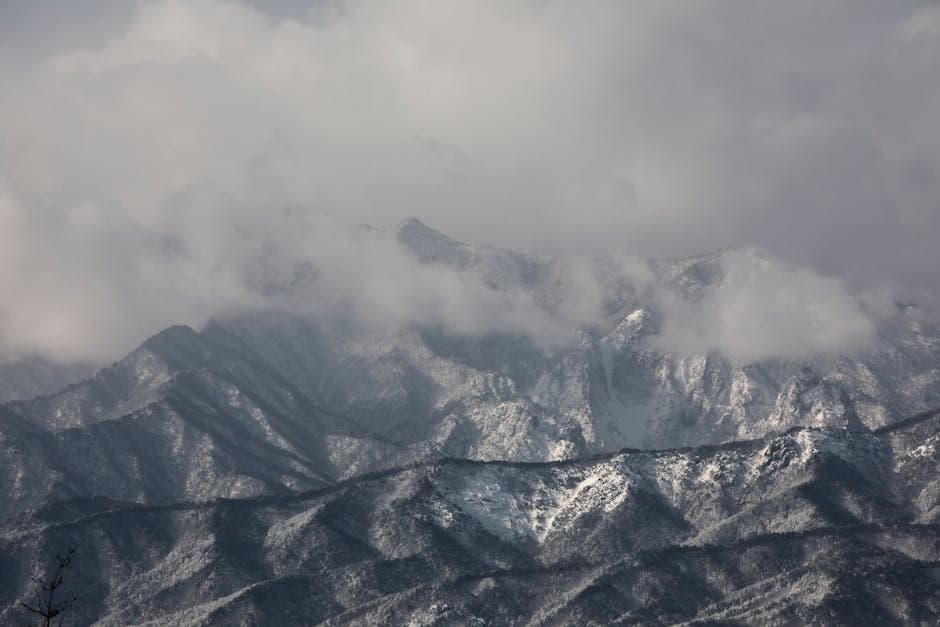
Nestled in the lap of the mighty Himalayas, Sikkim is a treasure trove of breathtaking landscapes, ancient monasteries, and vibrant culture. But here's the thing – this tiny northeastern Indian state experiences dramatically different weather conditions throughout the year, and understanding these patterns can make or break your trip.
Whether you're dreaming of witnessing the majestic Kanchenjunga bathed in golden sunrise hues, trekking through rhododendron-filled valleys, or simply soaking in the tranquility of Buddhist monasteries, timing your visit right is absolutely crucial. In this comprehensive guide, I'll walk you through Sikkim's weather month by month, helping you choose the perfect time for your Himalayan adventure.
Understanding Sikkim's Unique Climate
Before we dive into the monthly breakdown, let's understand what makes Sikkim's weather so unique. The state's terrain varies dramatically – from subtropical forests in the south (around 300 meters) to alpine meadows and glaciers in the north (exceeding 8,500 meters). This elevation difference creates multiple climate zones within a relatively small area.
Key Climate Factors
- Altitude variations create temperature differences of up to 20°C between regions
- Monsoon influence brings heavy rainfall from June to September
- Himalayan proximity causes sudden weather changes, especially at higher altitudes
- Rain shadow effect makes North Sikkim drier than the southern regions
Season-by-Season Weather Breakdown
Spring (March to May): The Blooming Paradise
This is arguably the most magical time to visit Sikkim.
March marks the beginning of spring, with temperatures ranging from 8°C to 20°C in Gangtok. The days are pleasant, and the famous rhododendron forests start bursting into spectacular shades of red, pink, and white. It's nature's own festival!
April brings warmer weather and clearer skies. This is prime time for:
- Trekking to Dzongri and Goecha La
- Visiting Yumthang Valley (the "Valley of Flowers")
- Photography enthusiasts capturing snow-capped peaks
May is the last month before monsoons arrive. Temperatures can reach 25°C in lower regions, making it slightly warm but still comfortable. The mountain views remain spectacular, though afternoon clouds become more common.
Insider Tip: Book your permits for North Sikkim at least a week in advance during spring – it's peak tourist season, and availability fills up fast!
Summer/Monsoon (June to September): The Rainy Retreat
The southwest monsoon transforms Sikkim into a lush, green wonderland – but it comes with challenges.
June sees the onset of monsoons with heavy rainfall averaging 400-500mm. Landslides become common, and many high-altitude areas become inaccessible.
July and August are the wettest months. Expect:
- Continuous rainfall, sometimes for days
- Temperatures between 15°C to 22°C in Gangtok
- Leeches on forest trails
- Limited mountain visibility
- Road closures due to landslides
September brings retreating monsoons. The latter half of the month shows improving conditions, with occasional sunny spells.
Should You Visit During Monsoons?
Honestly, I'd advise against it unless you're a seasoned traveler who doesn't mind uncertainties. However, if you do visit:
- Stick to lower elevations like Gangtok and Pelling
- Keep your itinerary flexible
- Pack quality rain gear and waterproof bags
- Enjoy discounted hotel rates and fewer crowds
Autumn (October to November): The Golden Window
This is THE best time to visit Sikkim – period.
October offers crystal-clear skies, comfortable temperatures (10°C to 20°C), and the most spectacular views of the Himalayan range. The monsoons have washed away the dust, leaving behind pristine air quality and stunning visibility.
November continues the pleasant weather, though temperatures start dropping. Early November is perfect for:
- Kanchenjunga views at their absolute best
- High-altitude treks before winter snow
- Visiting Tsomgo Lake and Nathula Pass
- Exploring remote villages in North Sikkim
Pro Tip: The Diwali and Tihar festivals usually fall in October-November, adding cultural richness to your visit. Witness local celebrations in Gangtok for an unforgettable experience!
Winter (December to February): The Snowy Wonderland
Winter transforms Sikkim into a snow-lover's paradise, but it's not for everyone.
December sees temperatures dropping to 0°C to 10°C in Gangtok, with higher regions experiencing sub-zero conditions. Snowfall begins in areas above 3,000 meters.
January is the coldest month. North Sikkim becomes largely inaccessible, and even Tsomgo Lake freezes over. However, this creates magical frozen landscapes for those willing to brave the cold.
February marks the transition toward spring. The latter half brings slightly warmer days and the first hints of blooming flowers.
Winter Travel Considerations:
- Accessible areas: Gangtok, Pelling, Ravangla, and Namchi remain open
- Restricted zones: Nathula Pass, Gurudongmar Lake, and most of North Sikkim close due to heavy snow
- What to pack: Heavy woolens, thermal innerwear, hand warmers, and moisturizer (the air is extremely dry)
- Advantages: Minimal crowds, lower prices, and surreal snow-covered landscapes
Region-Specific Weather Guide
Gangtok (Capital City)
| Season | Temperature | Conditions |
|---|---|---|
| Spring | 8°C - 22°C | Pleasant, occasional showers |
| Monsoon | 15°C - 25°C | Heavy rainfall, humid |
| Autumn | 8°C - 20°C | Clear skies, perfect weather |
| Winter | 2°C - 12°C | Cold, dry, occasional frost |
North Sikkim (Lachen, Lachung, Gurudongmar)
This region sits at elevations above 3,000 meters, experiencing extreme weather conditions. Temperatures can drop to -15°C in winter, and the area receives heavy snowfall from December to March. Best visited between April to June and September to November.
West Sikkim (Pelling, Yuksom)
Slightly warmer than Gangtok due to lower elevation, West Sikkim offers comfortable weather year-round except during peak monsoons. The Kanchenjunga views from Pelling are best enjoyed from October to December.
Practical Tips for Weather-Smart Travel
What to Pack (Year-Round Essentials)
- Layered clothing – temperatures change rapidly with altitude
- Waterproof jacket – useful even in dry seasons
- Sturdy walking shoes – trails can be slippery
- Sunscreen and sunglasses – high-altitude UV exposure is intense
- Medications – for altitude sickness, especially if visiting North Sikkim
Dealing with Altitude and Weather Changes
- Acclimatize gradually – spend a day in Gangtok before heading to higher regions
- Stay hydrated – the dry mountain air can be deceptive
- Monitor weather forecasts – conditions can change within hours
- Keep emergency contacts – note local helpline numbers
Best Time to Visit: Quick Summary
| Travel Purpose | Recommended Months |
|---|---|
| Overall best experience | October - November |
| Rhododendron blooms | Late March - May |
| Snow experiences | December - February |
| Budget travel | June - September |
| Trekking | April - May, October - November |
| Photography | October - November |
Final Thoughts: Plan Smart, Travel Happy
Sikkim's weather is as diverse as its landscapes, and that's precisely what makes this destination so special. Whether you're chasing snow-capped peaks under clear autumn skies or witnessing the explosion of spring colors in the rhododendron valleys, there's a perfect time for every traveler.
My personal recommendation? If you can only visit once, choose mid-October to mid-November. The combination of perfect weather, stunning visibility, and festive atmosphere creates an experience that will stay with you forever.
However, don't let the "off-season" deter you entirely. Each season in Sikkim has its own charm – you just need to plan accordingly and keep your expectations realistic.
Ready to plan your Sikkim adventure? Start by checking permit requirements, booking accommodations in advance (especially during peak season), and keeping your itinerary flexible enough to accommodate weather surprises. The Himalayas have a way of rewarding patient travelers with moments of pure magic.
If you enjoy exploring the broader northeastern region, the Wildlife & National Parks in Seven Sisters: Northeast India Guide is a great companion resource for planning a wider itinerary. For those considering similar mountain destinations, the Uttarakhand Weather Guide: A Complete Month-by-Month Climate Overview offers useful seasonal comparisons. Travelers venturing into the Himalayas may also find the 12 Off-Beat Destinations in Nepal: Hidden Gems Beyond Everest helpful for extending their adventure. And if you're planning a multi-destination trip through the region, the How to Plan Transportation Between Valleys in Bhutan: Complete Guide provides practical logistics advice for neighbouring Bhutan.
Happy travels to the Land of the Sleeping Buddha!
Leave a Comment
Explore Sikkim
Ready to plan your trip? Check out our complete travel guide and packages.