How to Plan Transportation Between Valleys in Bhutan: Complete Guide

Imagine winding through mist-shrouded mountain passes, prayer flags fluttering in the crisp Himalayan air, as your vehicle descends into yet another breathtaking valley. This is the reality of traveling through Bhutan—a country where the journey between destinations is just as magical as the destinations themselves.
But here's the thing: planning transportation between Bhutan's valleys isn't quite like booking an Uber or hopping on a train. This small Himalayan kingdom operates differently, and understanding how to move between its isolated valleys is essential for a smooth, stress-free adventure.
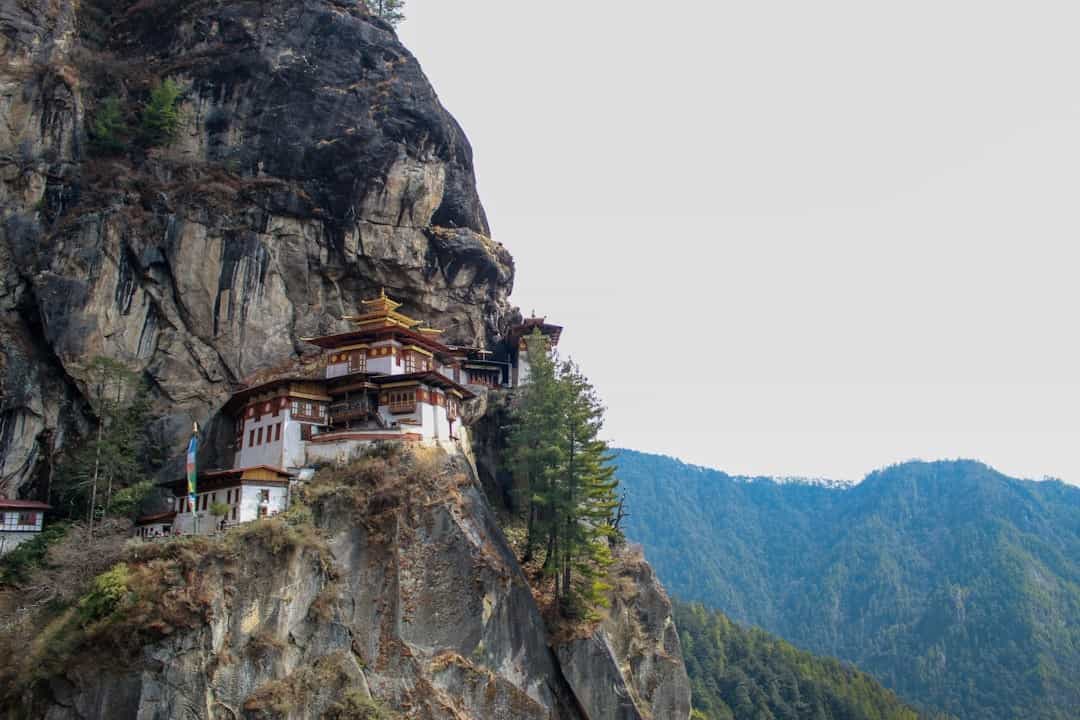
Whether you're dreaming of exploring the sacred Tiger's Nest in Paro, the bustling capital of Thimphu, or the ancient temples of Bumthang Valley, this comprehensive guide will help you master the art of valley-hopping in Bhutan.
Understanding Bhutan's Unique Geography
Before diving into transportation logistics, it's crucial to understand why getting around Bhutan requires special planning.
The Valley System
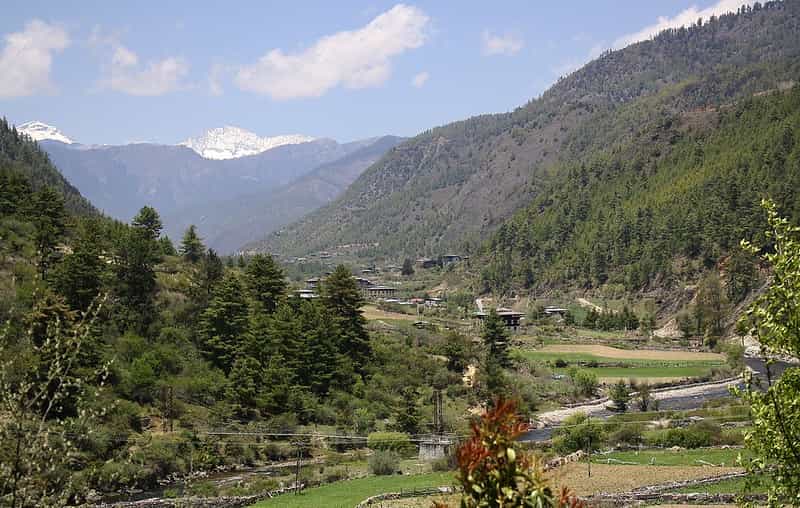
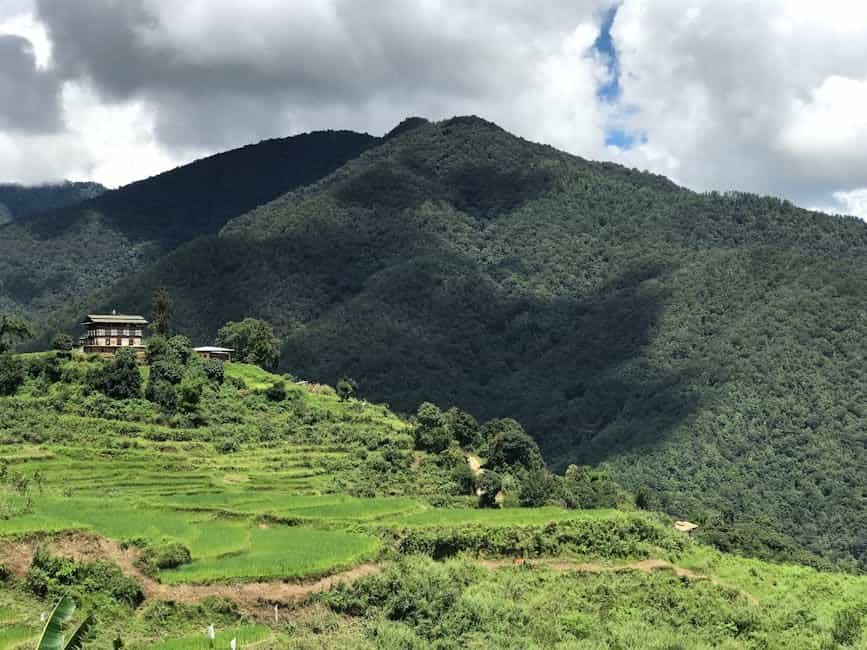
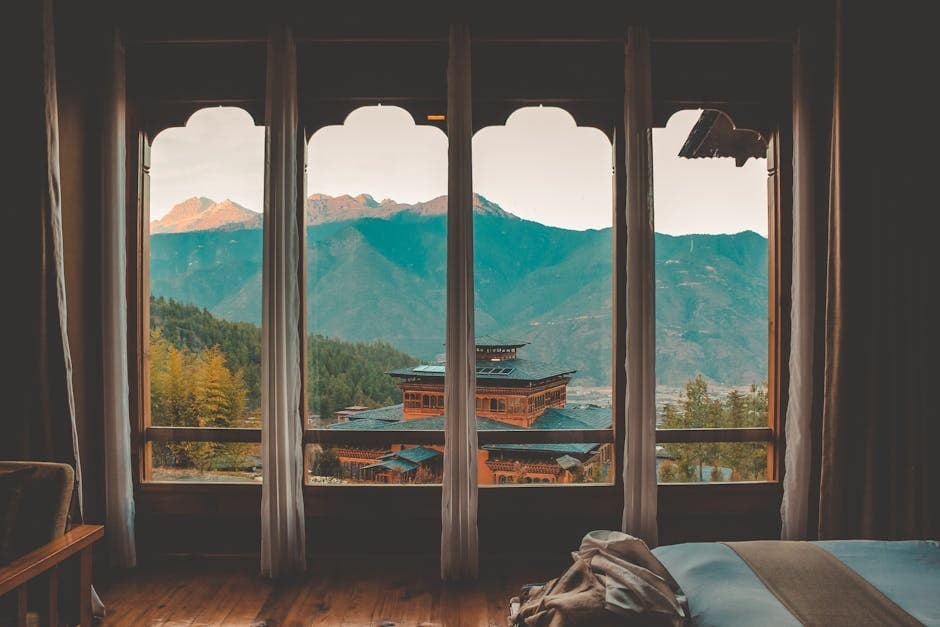
Bhutan's terrain is defined by a series of deep valleys carved by rivers flowing from the Himalayas. The major valleys you'll likely visit include:
- Paro Valley – Home to the international airport and iconic Tiger's Nest
- Thimphu Valley – The capital city and administrative center
- Punakha Valley – Former winter capital with stunning dzongs
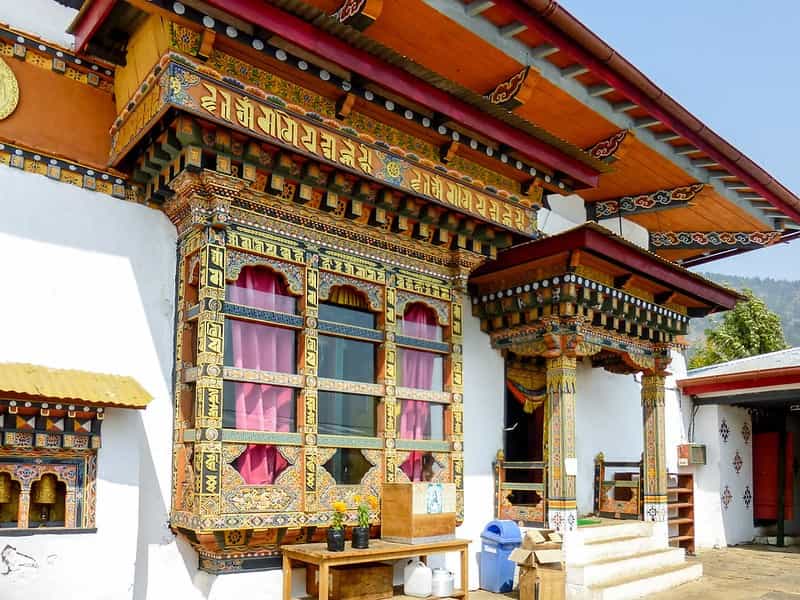
- Bumthang Valley – Spiritual heartland with ancient temples
- Haa Valley – Remote and pristine, perfect for off-the-beaten-path exploration
- Trongsa – Central Bhutan's historic fortress town
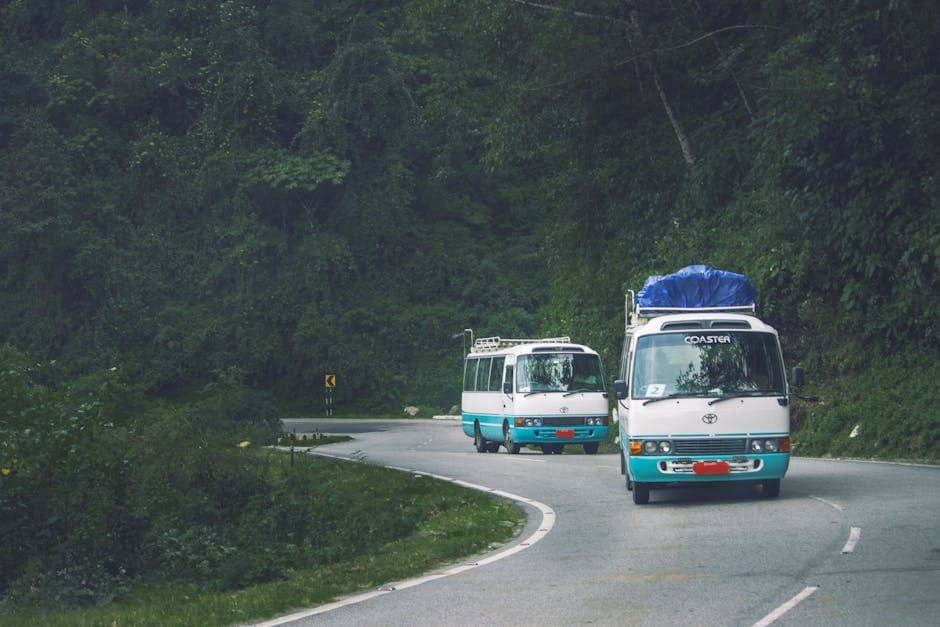
These valleys are connected by winding mountain roads that traverse high passes, some reaching over 3,800 meters (12,500 feet). The distances may look short on a map, but travel times can be surprisingly long.
Transportation Options in Bhutan
1. Private Vehicle with Driver-Guide (Most Common)
Here's something most first-time visitors don't realize: independent travel in Bhutan is essentially not permitted for most tourists. International visitors (except those from India, Bangladesh, and Maldives) must book through a licensed tour operator, and this package typically includes a private vehicle with a driver and guide.
What's included:
- Comfortable SUV or sedan (Toyota Land Cruiser, Hyundai Tucson, etc.)
- Professional driver familiar with mountain roads
- Licensed English-speaking guide
- All fuel and vehicle maintenance costs
Advantages:
- Door-to-door service
- Flexibility to stop for photos and impromptu discoveries
- Expert local knowledge
- Safety on challenging mountain roads
Pro Tip: Request a newer vehicle with good suspension—your back will thank you after hours on winding roads!
2. Domestic Flights
For travelers short on time or those who prefer to skip the longer road journeys, Druk Air and Bhutan Airlines operate limited domestic flights.
Available routes:
- Paro to Bumthang (Bathpalathang Airport)
- Paro to Gelephu
- Paro to Yonphula (near Trashigang)
Considerations:
- Flights are weather-dependent and frequently delayed or cancelled
- Limited schedules (often only a few flights per week)
- Spectacular aerial views of the Himalayas
- Higher cost but significant time savings
Insider Knowledge: The flight from Paro to Bumthang takes just 30 minutes compared to a 10-hour drive. If visiting eastern Bhutan, seriously consider flying at least one direction.
3. Public Buses (Regional Visitors Only)
While public buses connect major towns, they're primarily used by locals and regional tourists from India, Bangladesh, and Maldives who can travel independently.
What to know:
- Basic comfort levels
- Fixed schedules with early morning departures
- Very affordable but time-consuming
- Not available to tourists on the mandatory tour package
Planning Your Inter-Valley Itinerary
Realistic Travel Times
One of the biggest mistakes travelers make is underestimating journey times. Here's a realistic breakdown:
| Route | Distance | Approximate Time |
|---|---|---|
| Paro to Thimphu | 65 km | 1.5-2 hours |
| Thimphu to Punakha | 77 km | 2.5-3 hours |
| Punakha to Trongsa | 129 km | 4-5 hours |
| Trongsa to Bumthang | 68 km | 2.5-3 hours |
| Thimphu to Haa | 120 km | 4-5 hours |
Best Practices for Route Planning
Start Early: Most drivers prefer departing by 7-8 AM. This allows for:
- Better road conditions before afternoon clouds roll in
- Time for scenic stops and lunch breaks
- Arrival before dark (essential on mountain roads)
Build in Buffer Days: Weather, road conditions, and altitude can affect travel. Having flexible days prevents a rushed experience.
Consider the Seasons:
- Spring (March-May): Clear skies, blooming rhododendrons, excellent road conditions
- Summer (June-August): Monsoon season with potential landslides and road closures
- Autumn (September-November): Crystal-clear views, festival season, ideal for photography
- Winter (December-February): Cold temperatures, possible snow on high passes
Navigating Mountain Passes
The mountain passes (la in Dzongkha) are highlights of any Bhutanese journey. Here are the major ones you'll likely cross:
Dochula Pass (3,100m)
Connecting Thimphu to Punakha, this pass features 108 memorial chortens and, on clear days, stunning views of the Himalayan peaks. There's a cafeteria and restrooms—perfect for a break.
Pele La Pass (3,420m)
The gateway between western and central Bhutan, marking the boundary between different ecological zones.
Yotong La Pass (3,425m)
The final pass before descending into the sacred Bumthang Valley.
Altitude Tip: If you're prone to altitude sickness, take it slow. Drink plenty of water, avoid alcohol the night before, and inform your guide if you feel unwell.
Practical Tips for Smooth Valley Transfers
What to Pack for Road Days
- Motion sickness medication – The winding roads are beautiful but challenging for sensitive stomachs
- Snacks and water – Roadside stops can be limited
- Warm layers – Temperatures drop significantly at higher passes
- Camera with charged battery – You'll want to capture everything
- Entertainment – Books, podcasts, or music for longer stretches
Communication with Your Tour Operator
Before your trip, discuss these points with your operator:
- Vehicle type and condition – Request specifics about the car you'll be using
- Driver experience – Ensure your driver knows the mountain routes well
- Flexibility for stops – Confirm you can pause for photos and exploration
- Backup plans – Ask about contingencies for road closures or weather issues
Road Safety Essentials
Bhutanese mountain roads demand respect:
- Trust your driver – They navigate these roads daily and know every curve
- Seatbelts always – Non-negotiable on mountain roads
- Don't rush – Pressuring your driver to speed is dangerous
- Night driving – Avoid it whenever possible; roads are unlit and challenging
Special Considerations for Eastern Bhutan
If your itinerary includes the remote eastern valleys (Trashigang, Mongar, Lhuentse), prepare for:
- Longer travel days – Some stretches take 8-10 hours
- Basic accommodations – Fewer luxury options available
- Incredible rewards – Fewer tourists, authentic experiences, pristine landscapes
Recommendation: Consider a combination of driving and flying. Fly into Yonphula or Bumthang, then drive through the stunning eastern landscapes on your return.
Conclusion: Your Valley-to-Valley Adventure Awaits
Planning transportation between Bhutan's valleys doesn't have to be complicated. Here are your key takeaways:
- Embrace the all-inclusive tour system – Your vehicle, driver, and guide are part of the package
- Be realistic about travel times – Distances are short, but roads are winding
- Consider domestic flights for longer distances, especially to Bumthang or eastern Bhutan
- Plan for mountain passes – Pack layers, stay hydrated, and enjoy these magical high points
- Communicate clearly with your tour operator about vehicle preferences and flexibility
- Build buffer time into your itinerary for weather and unexpected discoveries
The roads between Bhutan's valleys are more than just connections—they're experiences unto themselves. Each winding kilometer reveals new vistas, hidden temples, and glimpses into a culture that has preserved its traditions against all odds.
So take a deep breath, trust the journey, and let Bhutan's mountain roads lead you to places you never imagined. The Land of the Thunder Dragon awaits, one valley at a time.
Ready to start planning? Contact a licensed Bhutanese tour operator to begin crafting your perfect valley-hopping adventure.
Leave a Comment
Explore Bhutan
Ready to plan your trip? Check out our complete travel guide and packages.