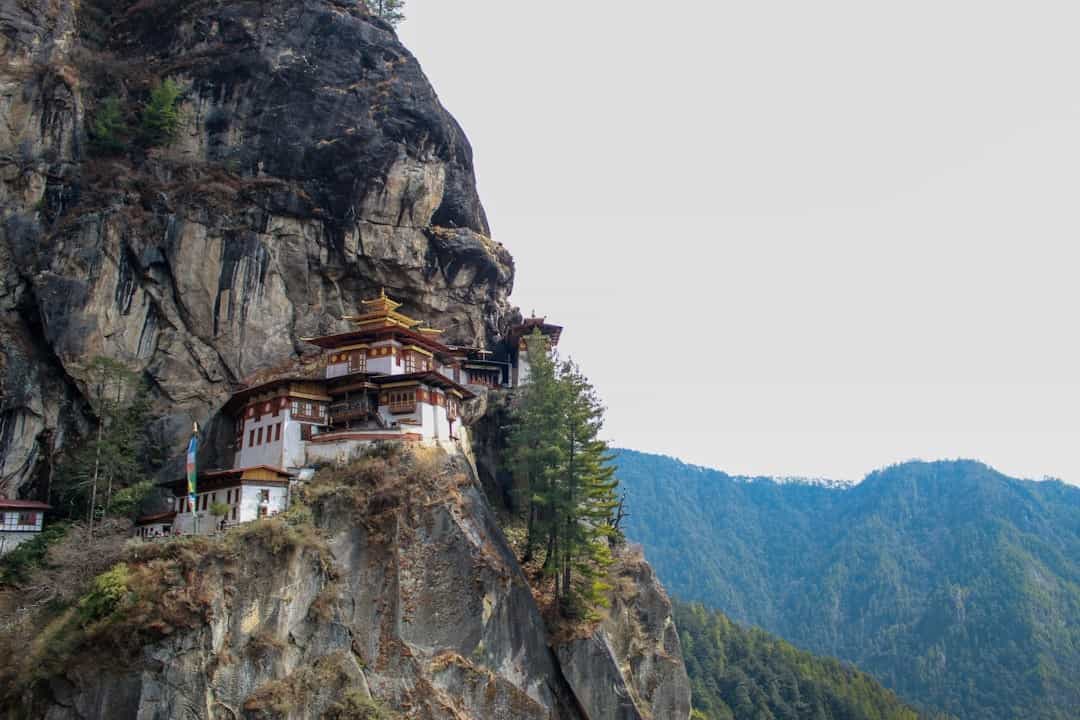
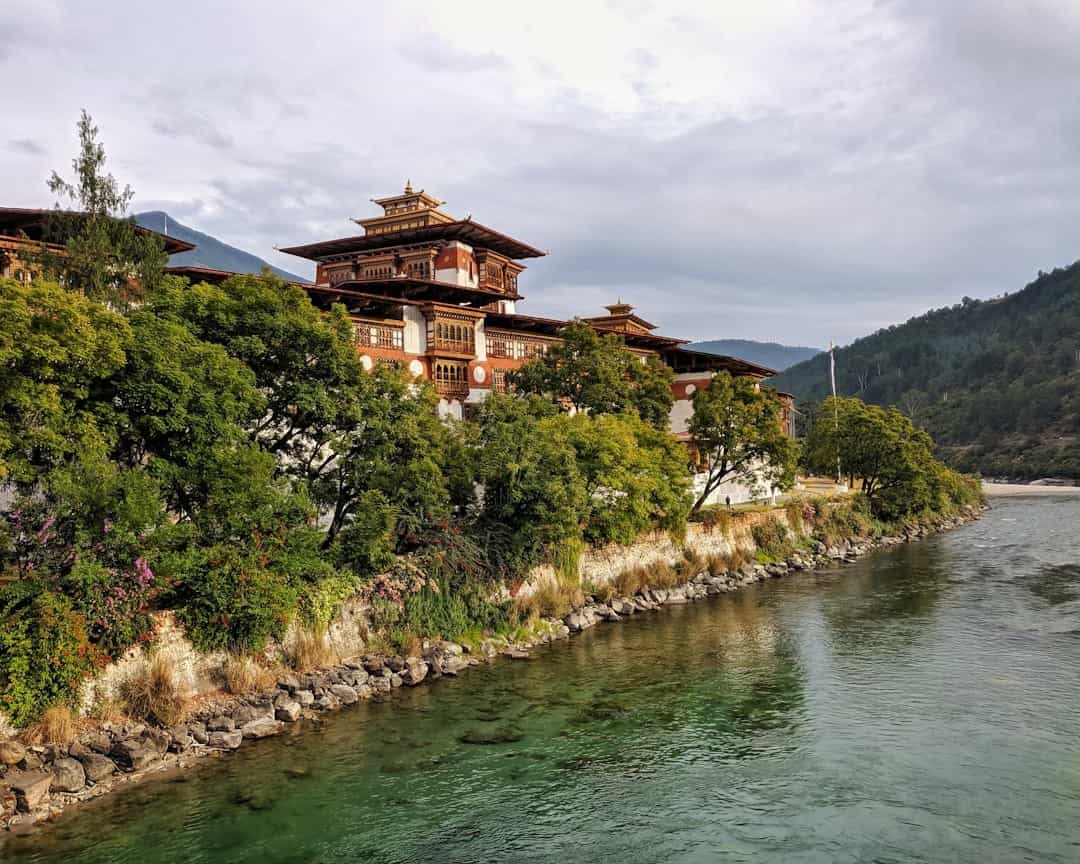
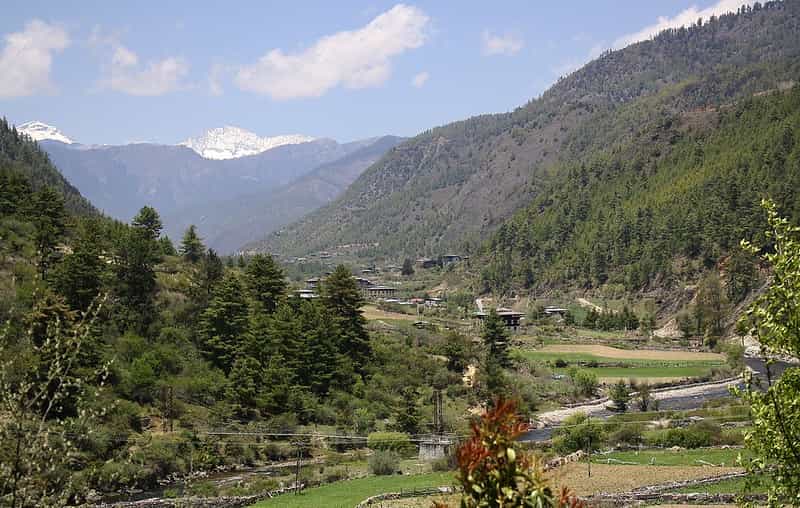
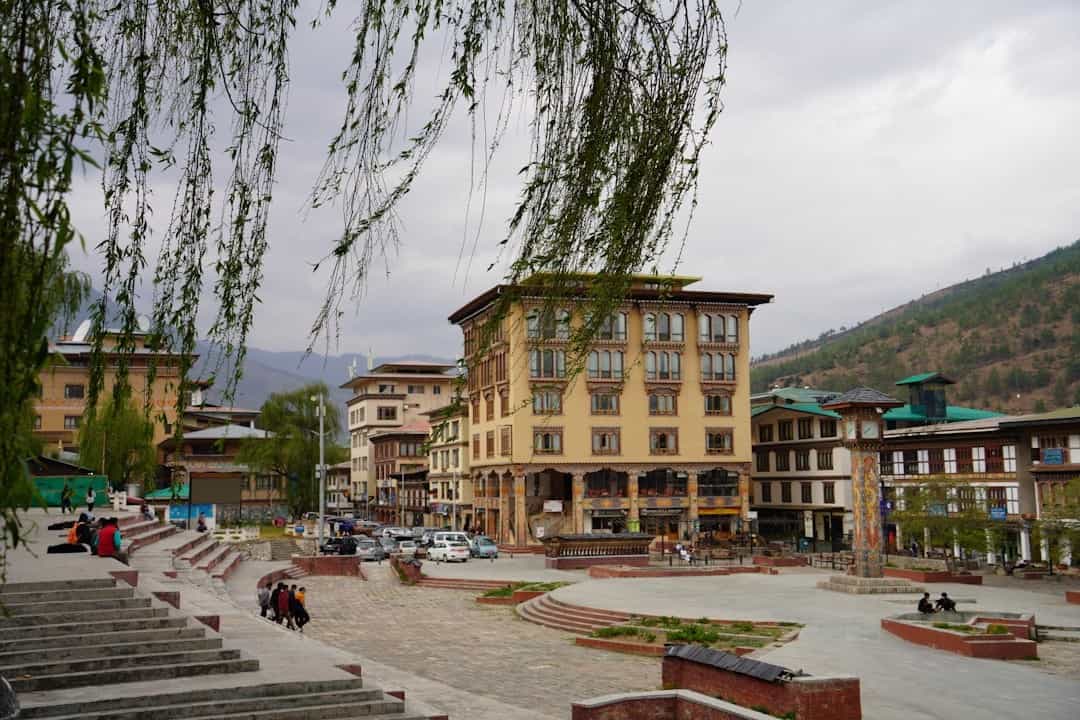
Bumthang Valley, Bhutan
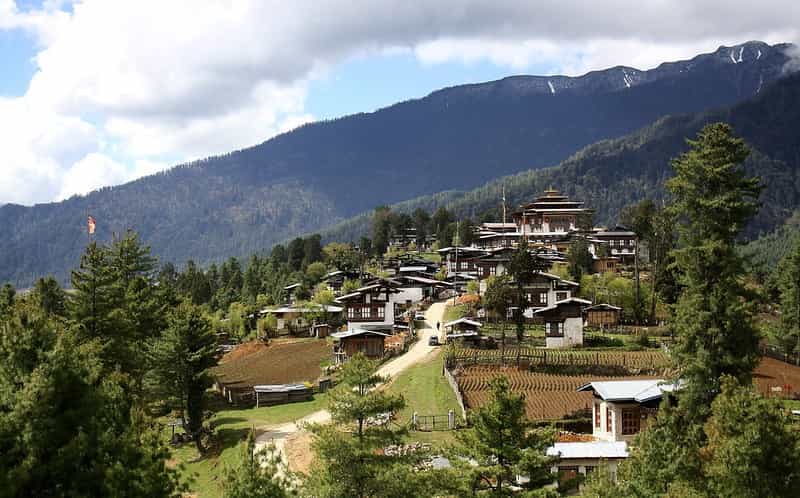
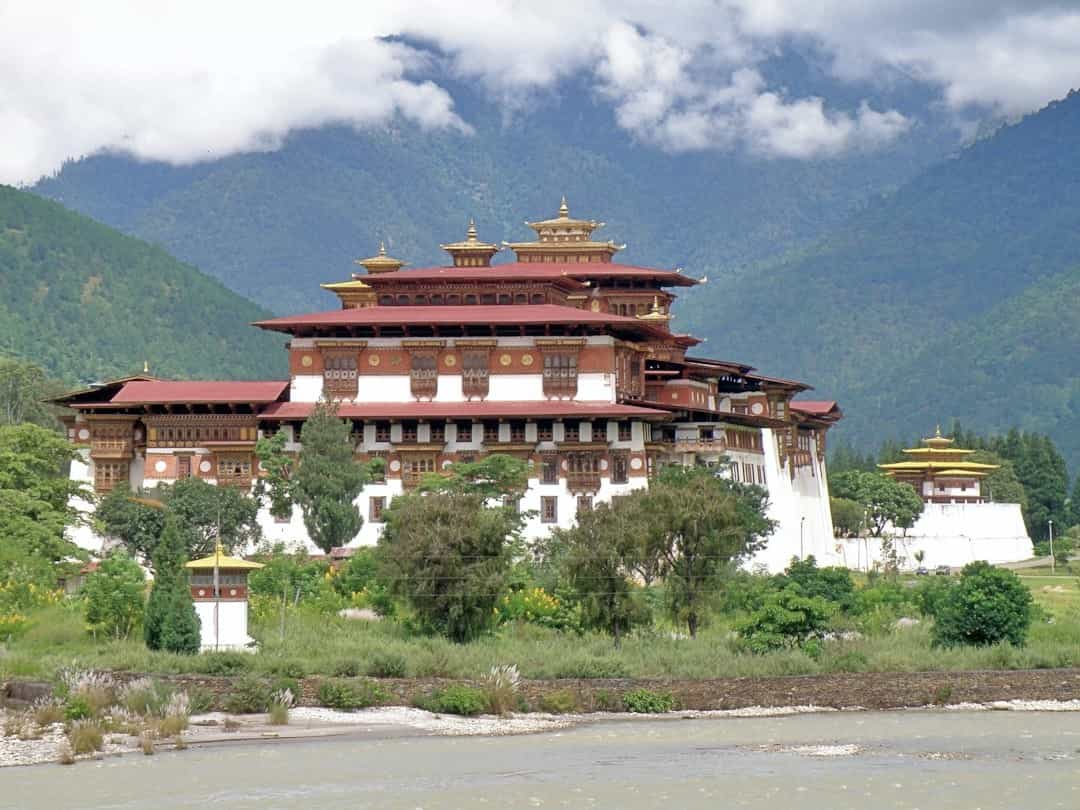
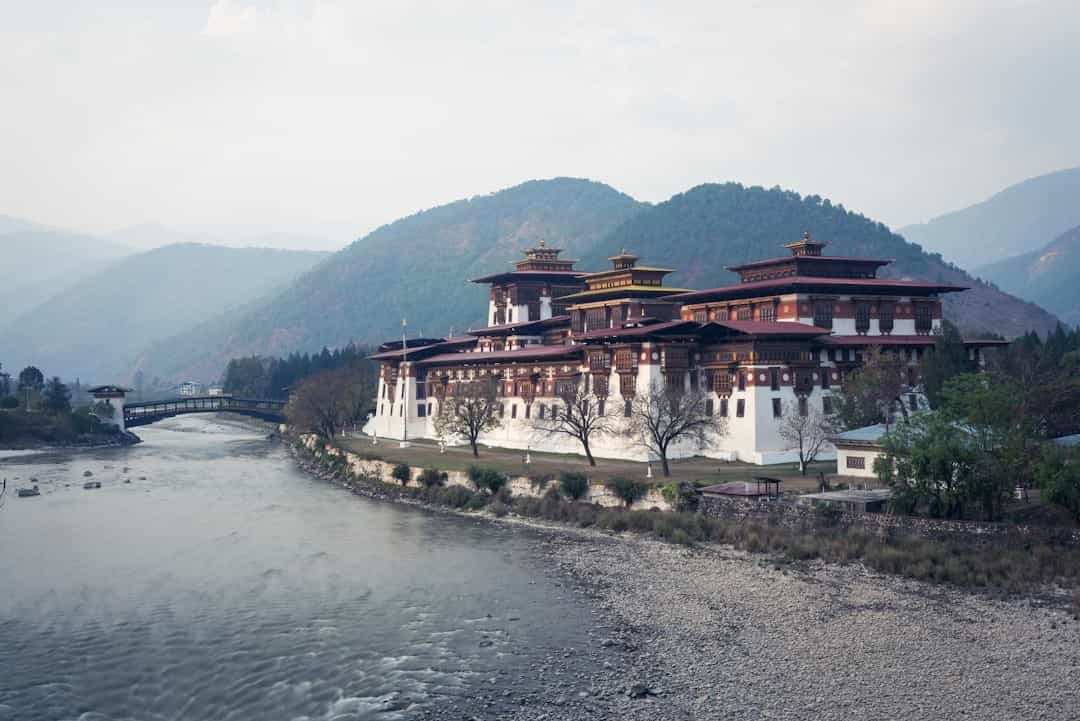
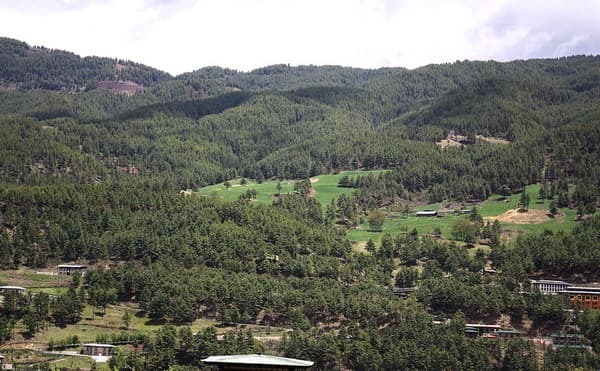
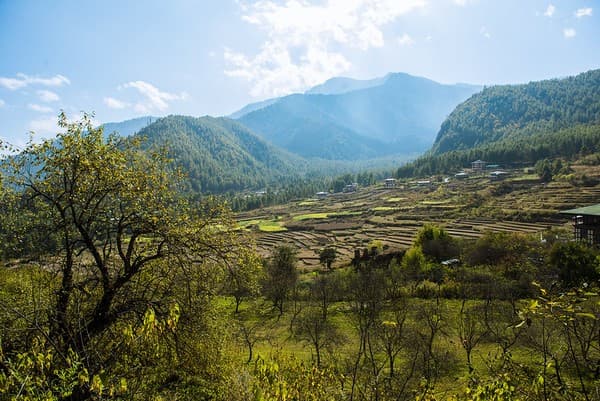
Bumthang Valley (also called Bumthang District's Choekhor Valley) is the spiritual heartland of Bhutan — a compact highland basin of temples, dzongs and monasteries central to the development of Bhutanese Buddhism. It is home to many of the country's oldest religious sites and pilgrimage circuits, and is famed for its pastoral landscapes, apple orchards, rhododendron forests and high-altitude meadows.
Historically and culturally, Bumthang contains relics and monasteries associated with important figures such as Guru Padmasambhava (Guru Rinpoche) and the revered Bhutanese terton Pema Lingpa. The valley's historic monasteries and dzongs have played a continuous role in Bhutanese religious life and local governance for centuries.
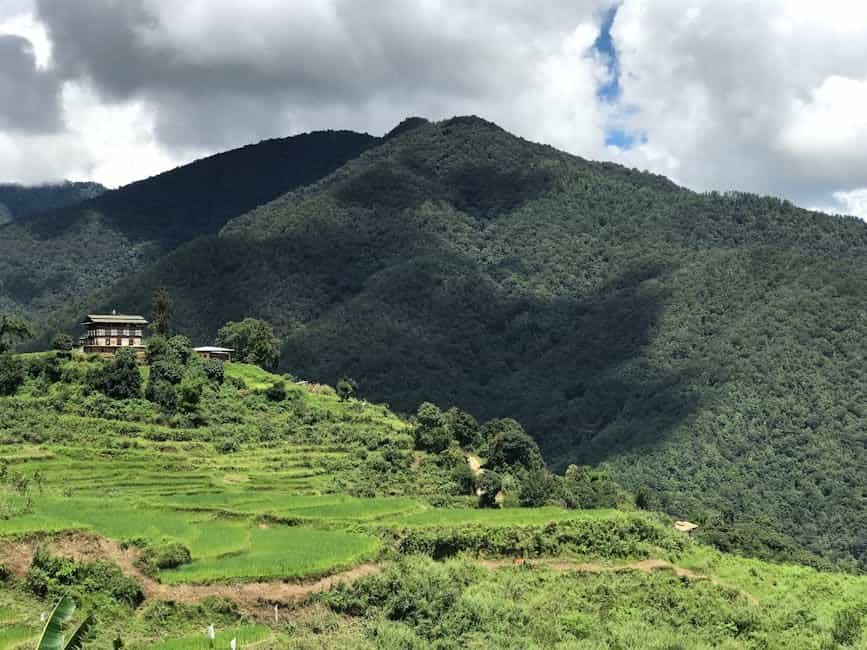
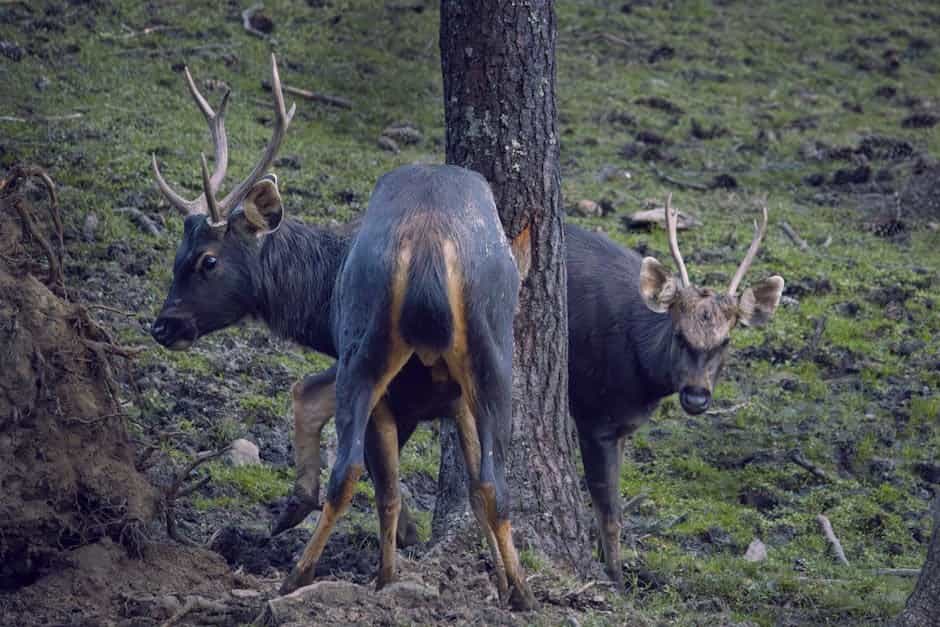
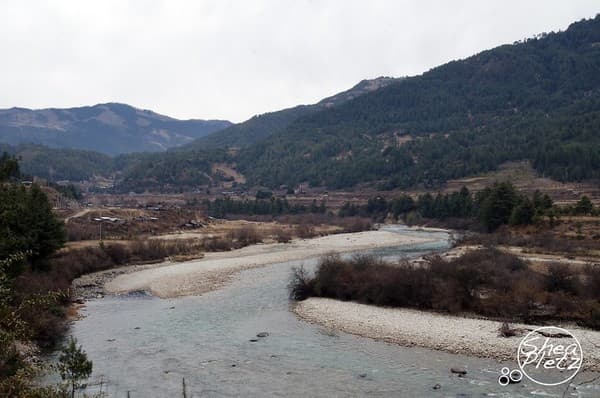
Naturally, Bumthang's alpine environment, seasonal wildflowers and birdlife make it a distinct ecological zone within Bhutan — a mix of fertile valley farmland surrounded by high ridges, with clear streams and several sacred pools and lakes.
Last updated: 22 Jan 2026
Places to visit
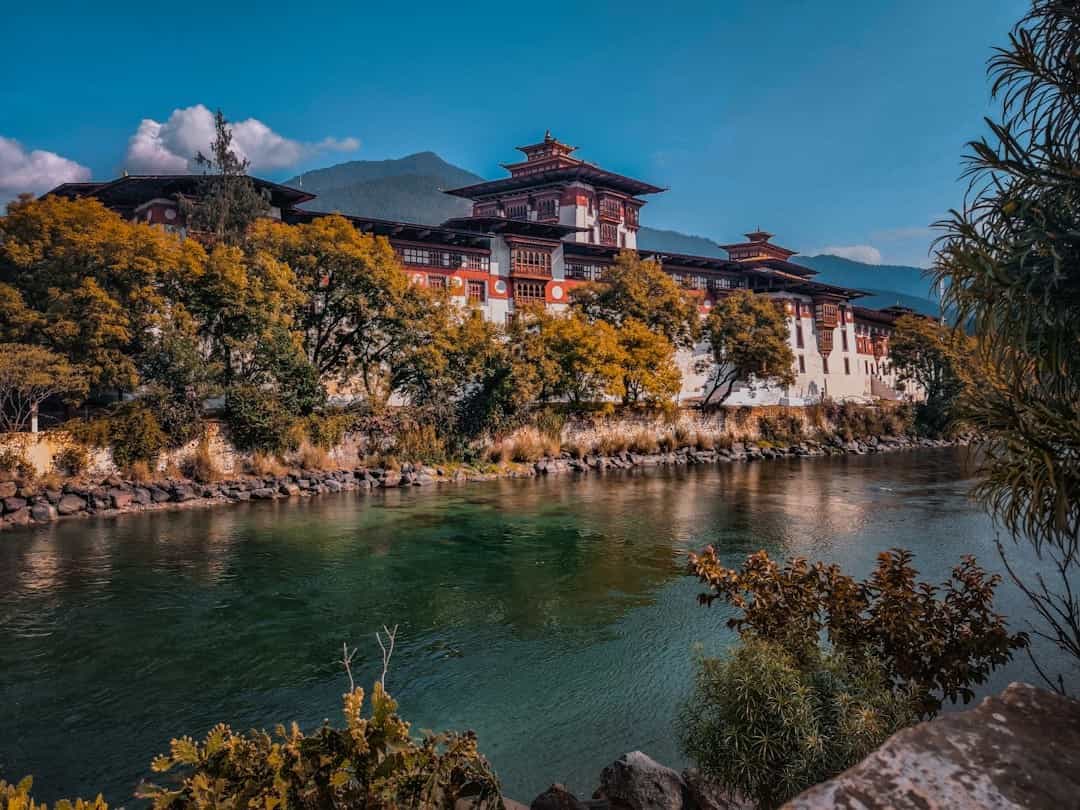
- Jakar (Bumthang) town and Jakar Dzong (the 'Castle of the White Bird')
- Kurjey Lhakhang (shrine complex with Guru Rinpoche's imprint)
- Jambay Lhakhang (one of Bhutan's oldest temples)
- Tamshing Lhakhang (18th-century monastery founded by Pema Lingpa)
- Mebar Tsho (Burning Lake / Pema Lingpa's sacred lake)
- Ura and Ura Valley (traditional highland village with festivals)
- Tang and Chumey valleys (scenic valleys and agricultural heartlands)
- Bathpalathang (Bumthang) Airport and scenic drives
Unique Aspects
- Dense concentration of ancient temples and monasteries in a small area
- Seasonal alpine meadows, rhododendron and wildflower displays (spring)
- Traditional wool and silk weaving, local cheese and honey production
- Highland farming landscapes with buckwheat terraces and apple orchards
- Pilgrimage routes and sacred pools/lakes with strong local myth connections
Things to do
- Pilgrimage circuit visiting Kurjey, Jambay, Tamshing and Mebar Tsho
- Cultural tours of Jakar town, dzong and local temples
- Hiking and short treks into Ura, Tang and Chumey valleys
- Birdwatching and nature photography (spring and autumn are best)
- Visiting local farms, cheese producers and watching traditional weaving
- Cycling on quiet valley roads and guided village walks
Best Time to Visit
Spring (March–May) for rhododendrons and wildflowers, and autumn (September–November) for stable weather and clear skies. Winters (Dec–Feb) are cold and can bring snow at higher elevations; monsoon (June–August) brings heavy rain and cloud cover.
Weather Conditions
Bumthang is a highland valley: expect warm daytime temperatures in summer with cool-to-cold nights year-round. Spring and autumn are generally mild and dry; monsoon months are wet and can limit visibility and road conditions. Temperatures can drop below freezing at night in winter.
Accessibility
Bumthang is reachable by short domestic flights to Bathpalathang (Bumthang) Airport from Paro or via connections (flight schedules are weather-dependent). Alternatively, Bumthang is accessible by scenic but long roads from Trongsa, Punakha and Thimphu — expect full-day drives on mountain roads. Road access can be affected by weather and roadworks; domestic flight cancellations are common in poor visibility.
Recommended Duration
A typical visit to Bumthang Valley to cover main temples, a festival (if timed) and a short hike is 3–5 days. Extend to a week to explore Ura, Tang and nearby trekking routes at a relaxed pace.
Clothing & Gear Tips
Layered clothing (thermal base, mid-layers, wind/waterproof outer layer), warm hat and gloves for cold nights, sturdy walking shoes or light hiking boots, sunhat and sunscreen, basic first-aid and any personal medications. A walking stick can help on uneven trails.
Local Food & Souvenirs
Try local variations of ema datshi (chili-cheese stew), buckwheat pancakes and local cheeses (yak or cow), butter tea and local honey. Good souvenirs include hand-woven textiles (yathra and wool products), wooden masks, traditional jewelry and locally made cheese or honey (check transport regulations for food items).