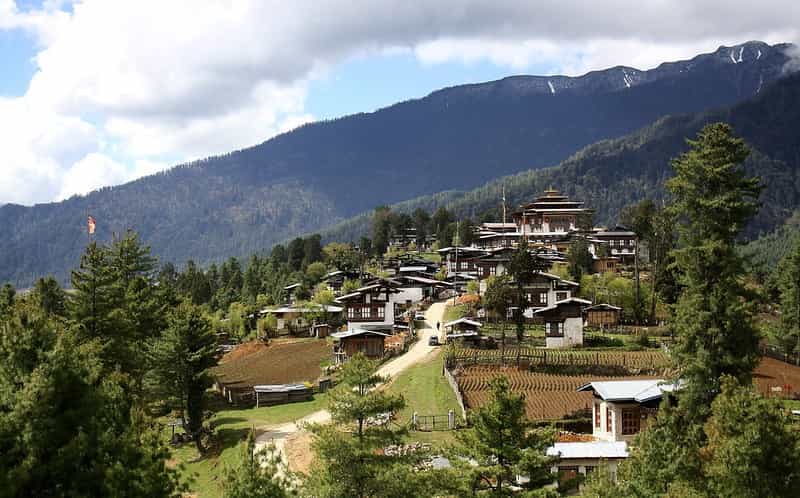
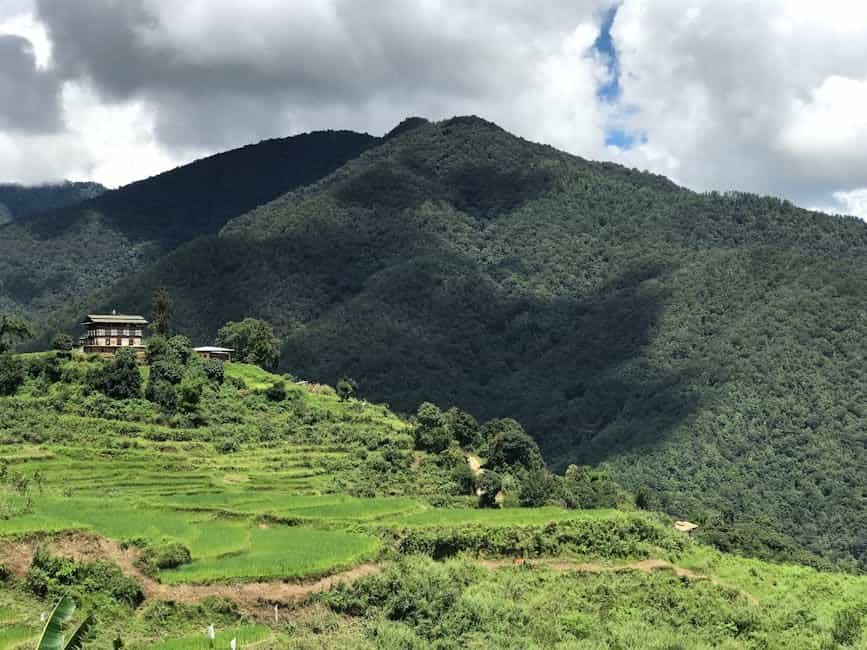
Places to visit in Bhutan
Planning a trip to Bhutan? Here is a complete guide to the best places to visit—from popular tourist attractions to offbeat spots you would not find in every guidebook. Get ready to explore, experience, and fall in love with Bhutan!
Top 74 curated places to visit in Bhutan
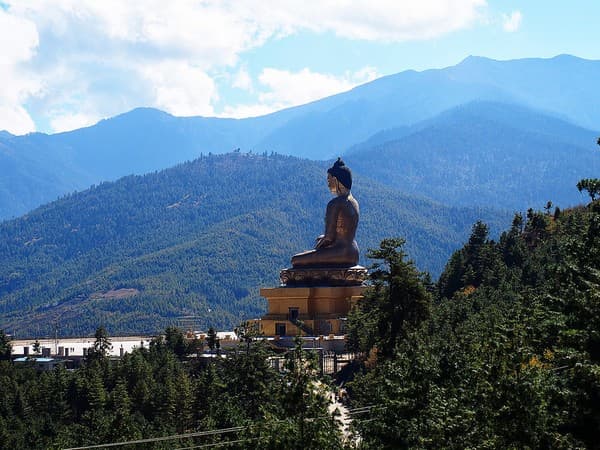
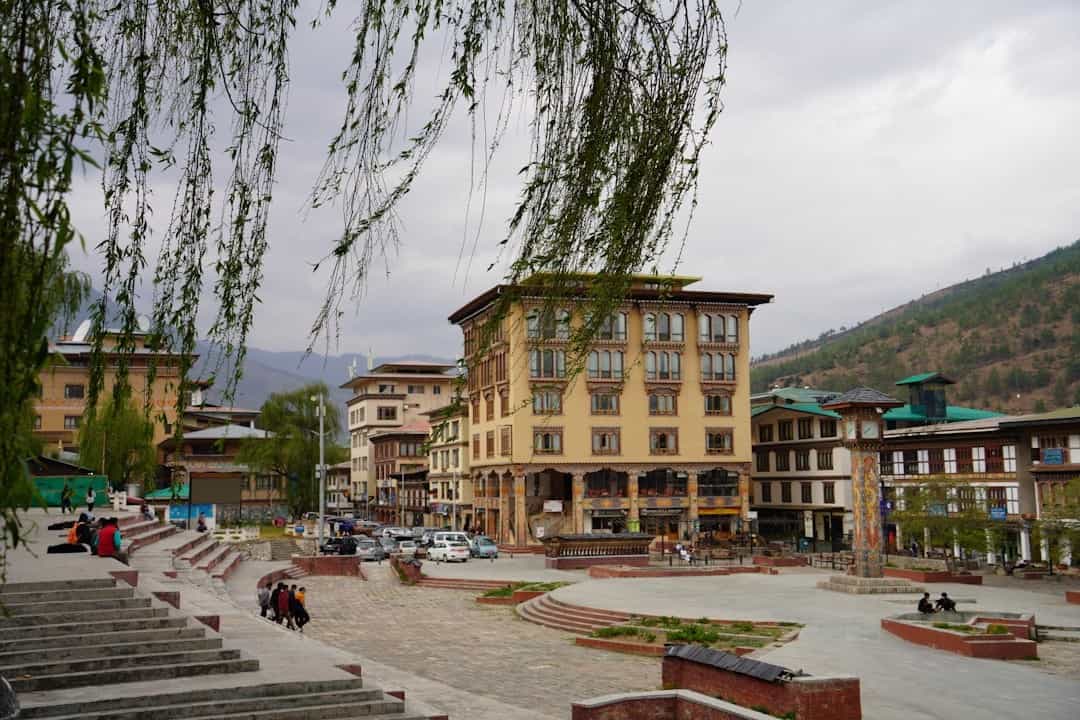
Thimphu
Thimphu is the capital and largest city of Bhutan and the country’s political and cultural heart. It houses the royal and government institutions, major dzongs (fortress-monasteries) and monasteries, and important cultural institutions such as the National Library and the Folk Heritage Museum. The city blends traditional Bhutanese architecture with modern administration and is an anchor for the nation’s identity shaped by Vajrayana Buddhism and the Gross National Happiness philosophy. The surrounding valley, rivers and nearby hills provide important natural landscapes and biodiversity corridors.
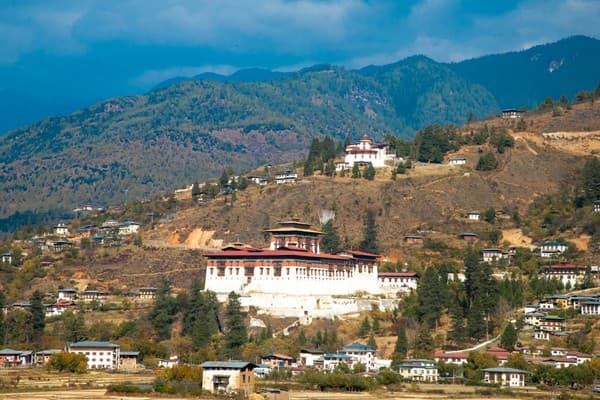
Paro
Paro is one of Bhutan's most important cultural and historical valleys. It hosts iconic dzongs and monasteries that illustrate Bhutanese Buddhist heritage and traditional fortress architecture (notably Rinpung Dzong and Ta Dzong/National Museum). The valley's fertile fields, the Paro Chhu (river) and surrounding Himalayan foothills offer significant natural beauty and biodiversity, and Paro's airport is famed for its dramatic approach into the mountains. Paro is frequently the first impression visitors have of Bhutan and thus plays an outsized role in the country's cultural tourism.
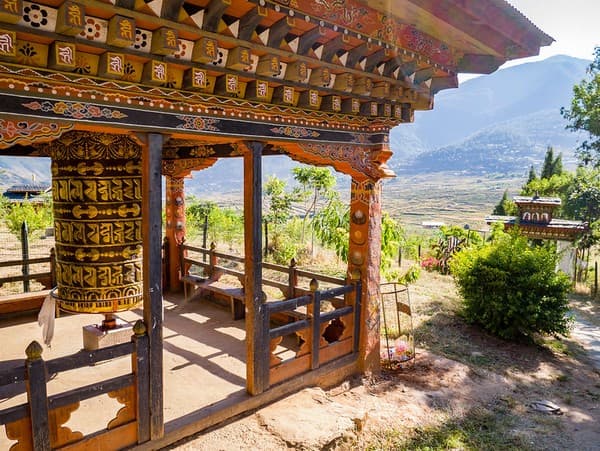
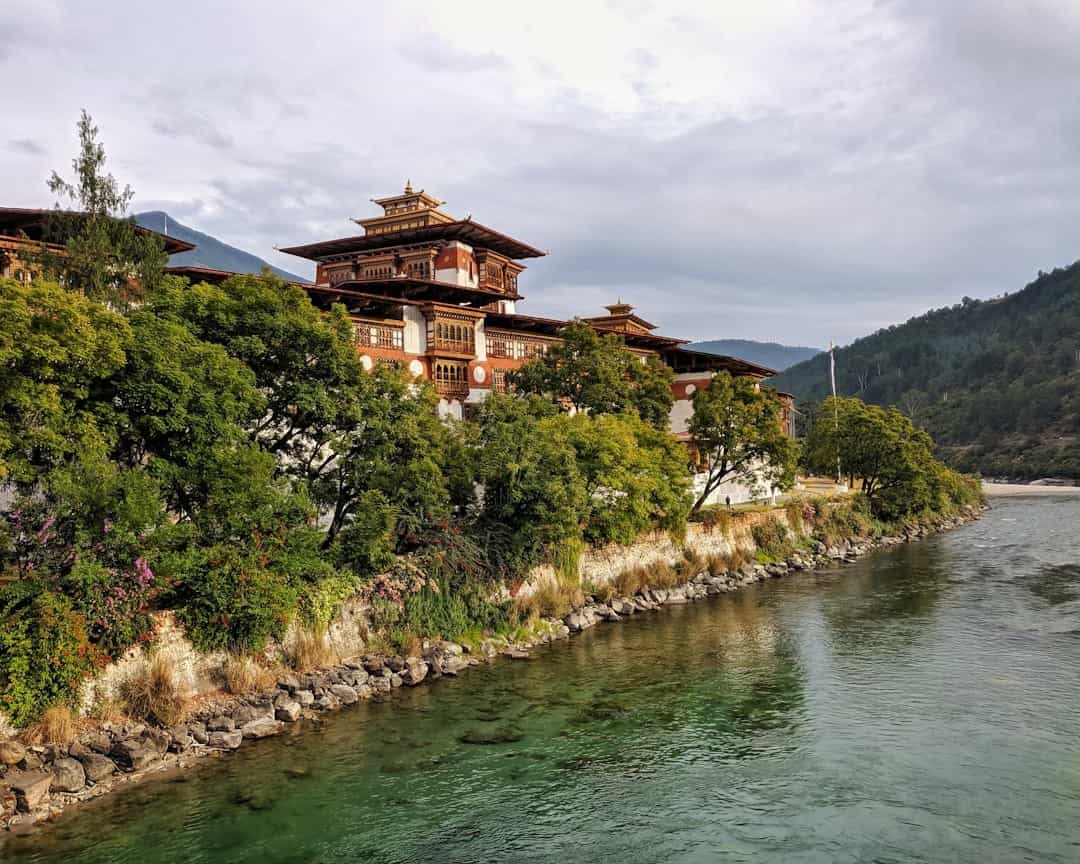
Punakha
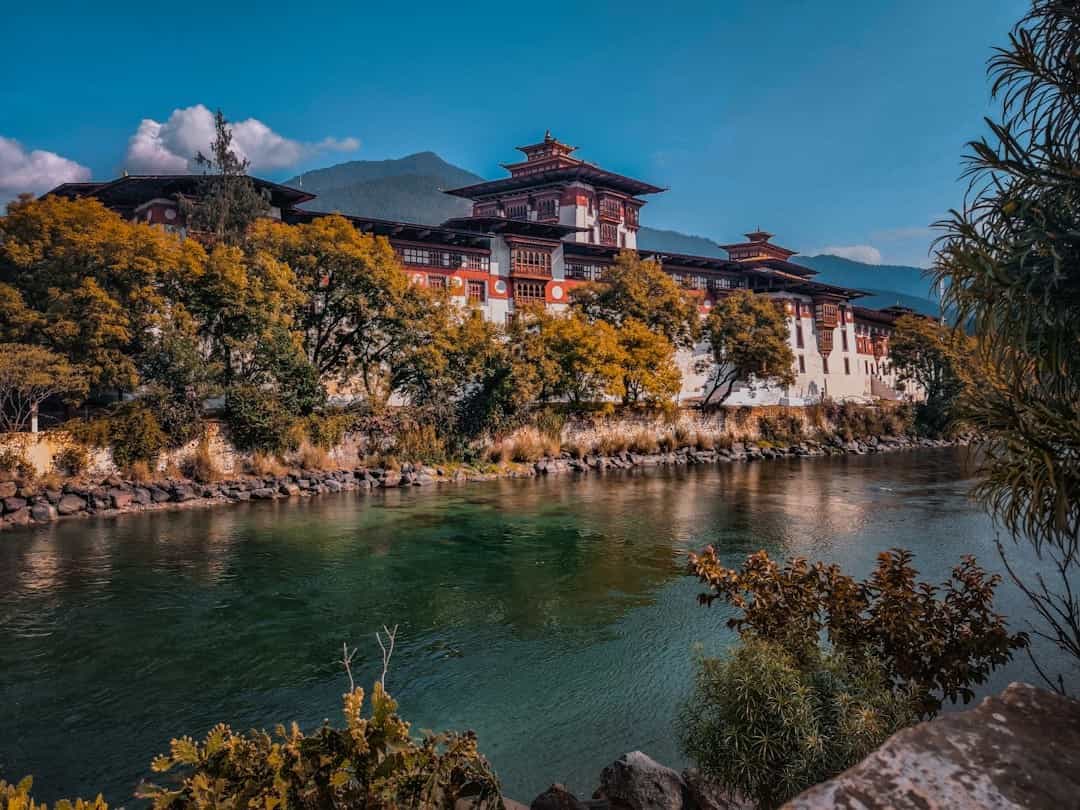
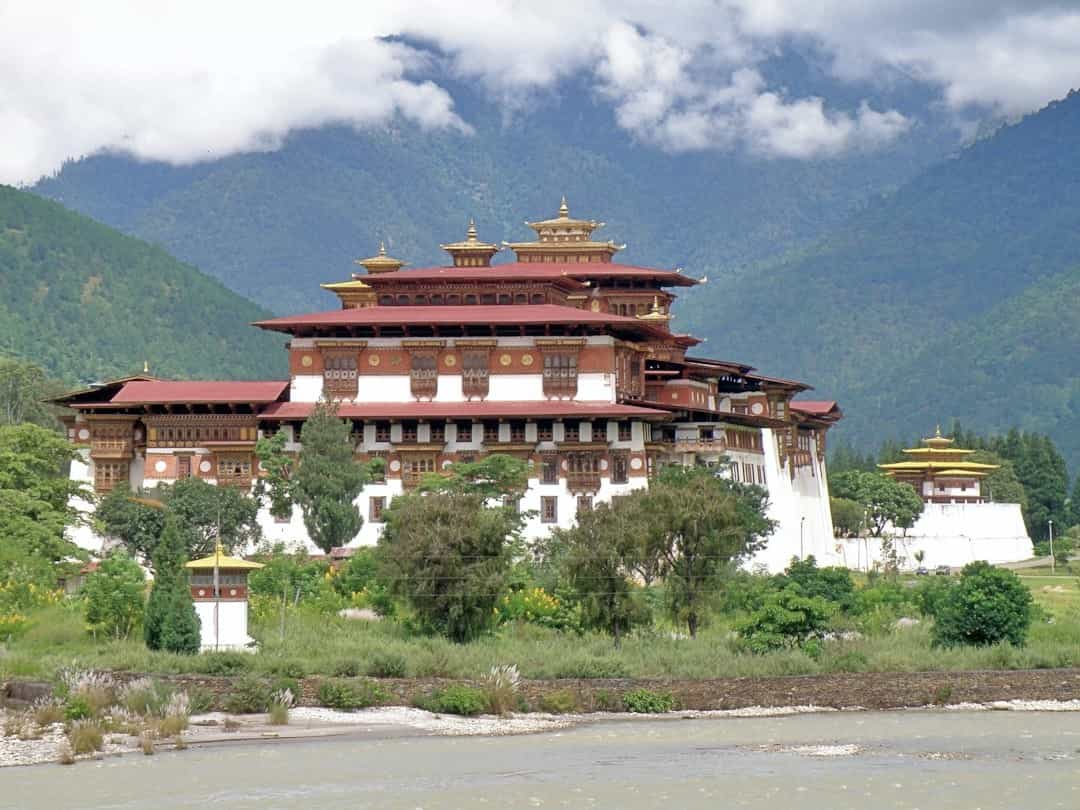
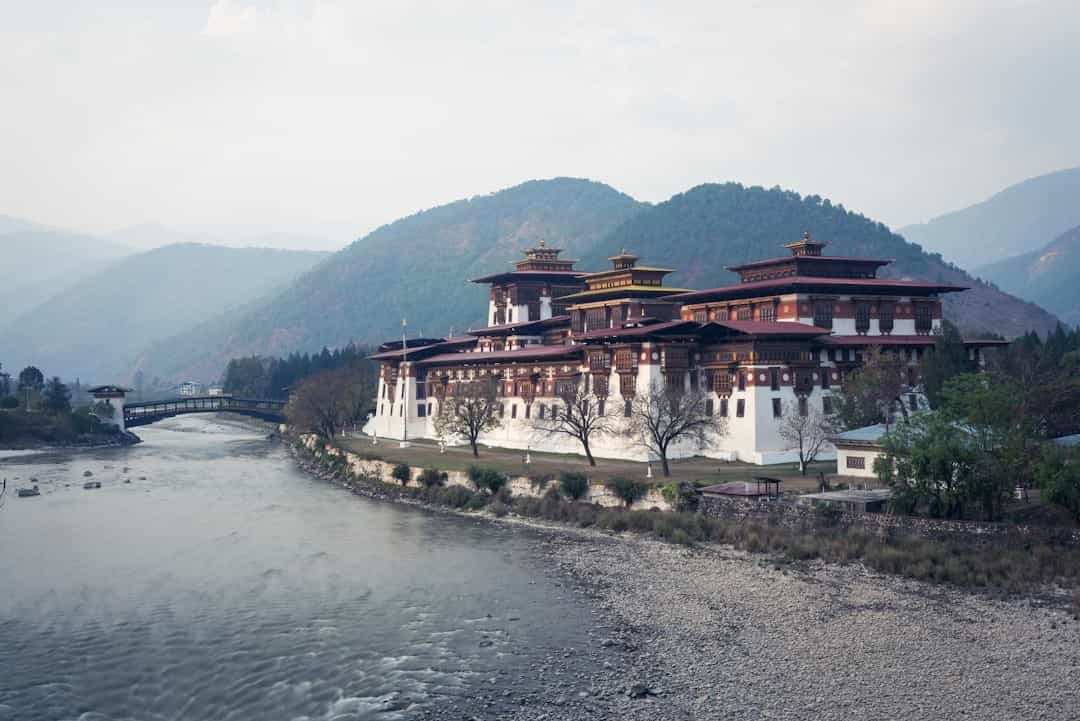
Punakha served as the capital of Bhutan until 1955 and is home to the iconic Pungtang Dechen Dzong (Punakha Dzong) — a masterpiece of traditional Bhutanese architecture and an important center for the Drukpa Kagyu school of Buddhism. The valley's fertile floodplain, at the confluence of the Pho Chhu (Male River) and Mo Chhu (Female River), supports rice cultivation and a distinct subtropical ecosystem, making Punakha both culturally and ecologically significant.
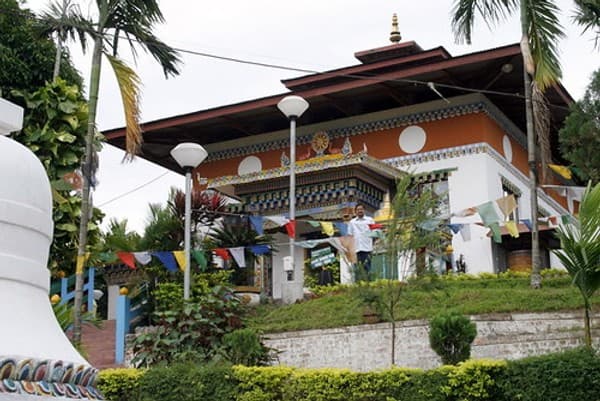
Phuentsholing
Gateway to Bhutan: Phuentsholing is Bhutan's principal southern gateway and commercial hub on the India–Bhutan border. It plays a key role in cross-border trade, customs and transport, and is a first contact point for many visitors entering Bhutan by land. The town mixes Bhutanese administrative and cultural features with influences from neighboring Indian towns, and sits in a subtropical river valley that supports diverse flora and birdlife.
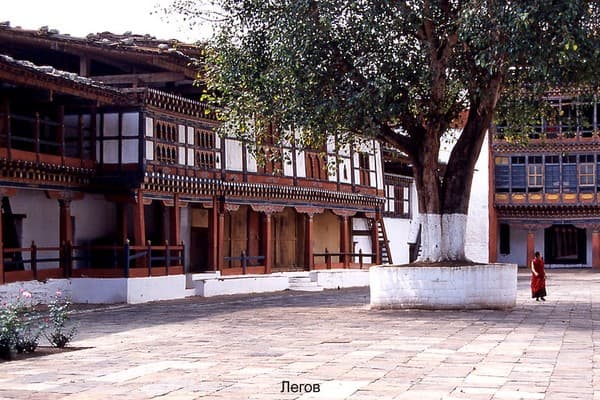
Wangdue Phodrang
Wangdue Phodrang is a historically and administratively important dzong-town in central Bhutan, founded as a strategic fortress and regional seat of governance. Located at a key crossroads where routes to eastern and western Bhutan converge, it has served as an important cultural and political hub since the 17th century. The surrounding district is ecologically diverse, containing high-altitude valleys, temperate forests, and seasonally important wetlands that are home to unique wildlife.
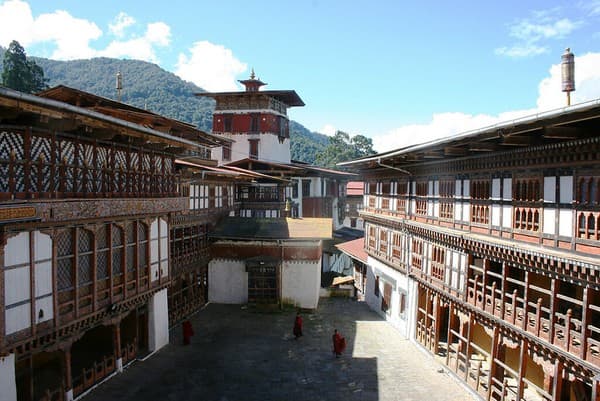
Trongsa
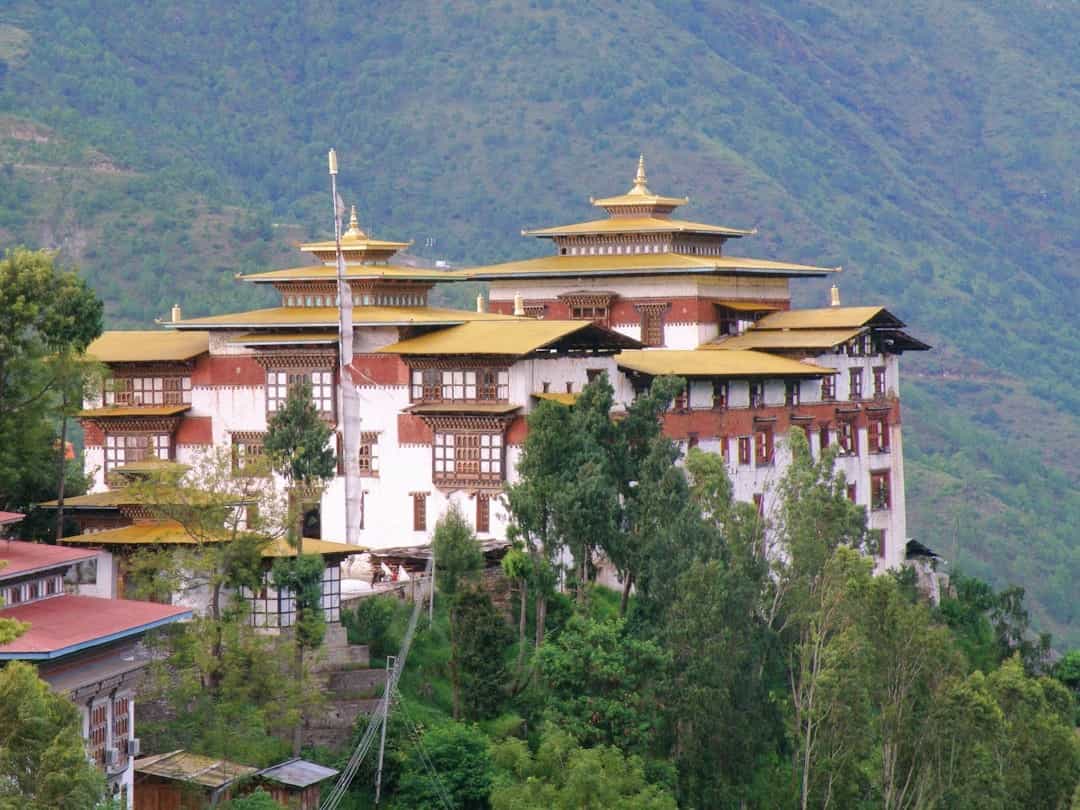
Trongsa is centrally located in Bhutan and historically served as the seat of power for the Wangchuck dynasty before they became kings of Bhutan. The Trongsa Dzong, an impressive fortress-monastery perched above the gorge of the Mangde River, has been a strategic and administrative center for centuries. The dzong's architecture exemplifies Bhutanese fortress-monastery design and has played a pivotal role in the country's political reunification and governance. The surrounding area offers scenic highlands, terraced fields, and dense pine and fir forests, contributing to its natural importance.
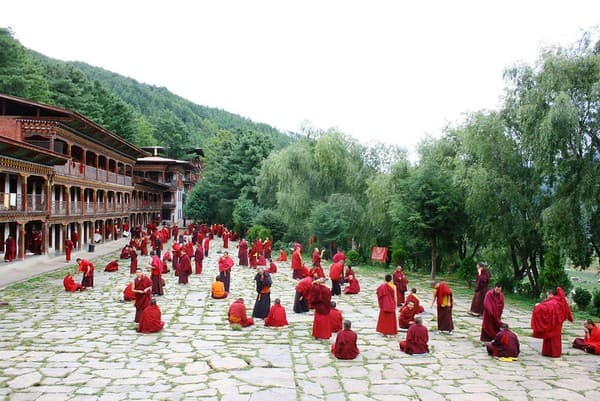
Jakar (Bumthang)
Jakar (Bumthang) is the cultural and spiritual heart of Bhutan, located in central Bhutan's Bumthang District. The valley contains many of Bhutan's oldest temples and monasteries and is considered the birthplace of Bhutanese Buddhism. It has a deep religious significance with multiple sacred sites tied to Guru Rinpoche (Padmasambhava) and renowned tertöns (treasure discoverers). The region's pastoral landscapes, rhododendron forests, alpine meadows and high-altitude rivers contribute important natural biodiversity and traditional farming systems.
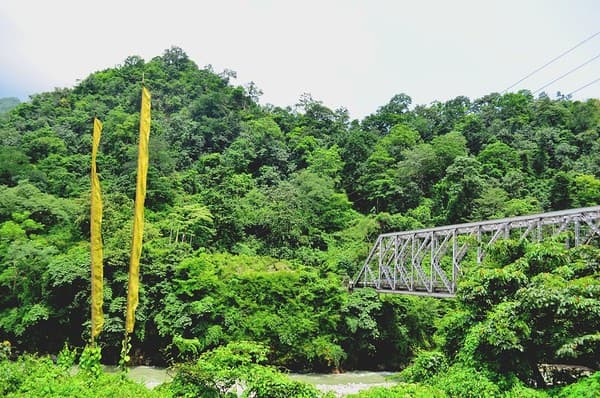
Gelephu
Gelephu is an important commercial and administrative hub in southern Bhutan (Sarpang District). It serves as a gateway between Bhutan and the Indian states to the south and is a focal point for cross-border trade, lowland agriculture, and cultural exchange. The town's location on the southern foothills gives it access to rich subtropical biodiversity and proximity to major protected areas, making it significant for both commerce and nature-based travel.
Mongar
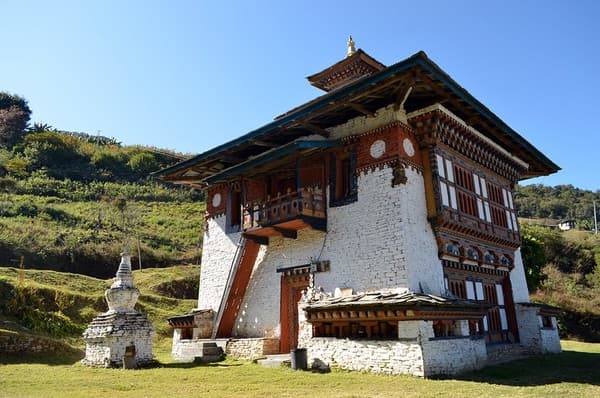
Mongar is an important district town in eastern Bhutan, serving as an administrative and commercial center for the region. It sits in a valley along the Drangme Chhu river and acts as a gateway to remote eastern districts. Mongar's significance includes its role in connecting eastern Bhutan with the rest of the country via the east–west highway. The area is known for its cultural diversity, with mixes of Sharchops (the dominant ethnic group in eastern Bhutan) and other communities. Mongar is also notable for its terraced agriculture, river valleys, and surrounding forested hills, contributing to its natural appeal. The district hosts several religious sites and monasteries, reflecting Bhutan’s Buddhist traditions.
Trashigang
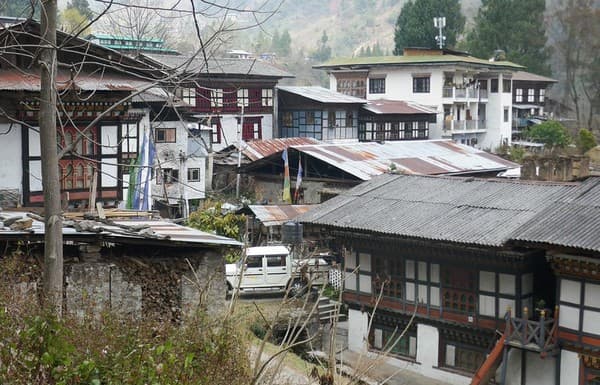
Trashigang is the administrative and cultural heart of eastern Bhutan. Perched on a ridge above the Drangme Chhu valley, the town and its surrounding dzongkhag (district) serve as a regional center for government, trade and traditional culture in eastern Bhutan. The area is known for its rich Sharchop (eastern Bhutanese) heritage, traditional weaving, and the presence of important Buddhist monasteries and dzongs that anchor local religious life. Natural importance comes from its position in the eastern Himalaya, offering scenic ridges, river valleys and access to diverse flora and fauna characteristic of Bhutan's eastern forests.
Trashiyangtse
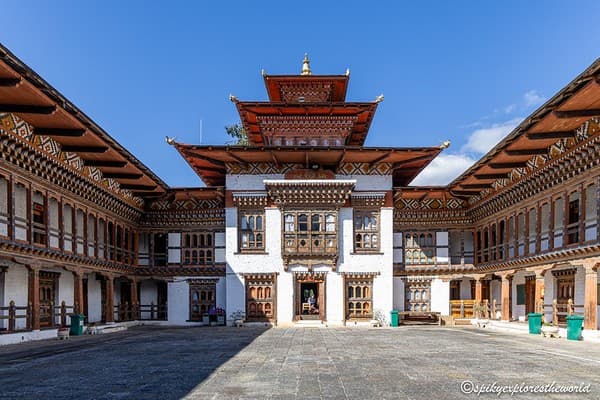
Trashiyangtse is the administrative center of Trashiyangtse District in eastern Bhutan, valued for its strong preservation of traditional eastern Bhutanese culture and crafts. The area combines important religious sites and dzong architecture with rich natural landscapes—forested hills, river valleys, and agricultural terraces—making it representative of Bhutan's cultural and environmental heritage.
Lhuentse
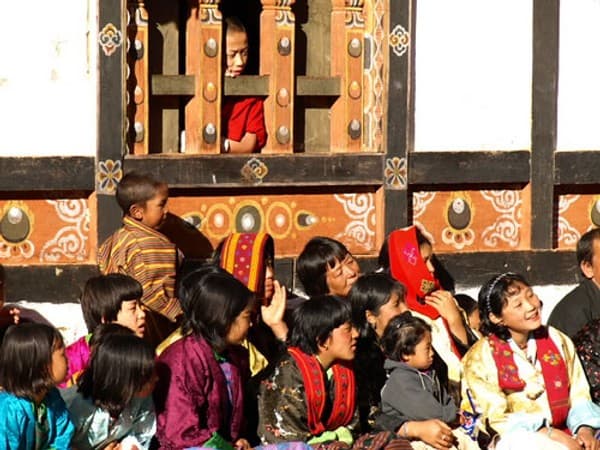
Lhuentse is a northeastern dzongkhag (district) of Bhutan known for its strong cultural heritage, traditional weaving (particularly Lhuentse kira and textiles), important religious sites, and relatively untouched natural landscapes. The region is historically significant as the ancestral home of the influential Tshering and Dorji families and is associated with Bhutanese royal lineage. Its monasteries, chortens, and remote villages preserve centuries-old Buddhist practices and rural Bhutanese life.
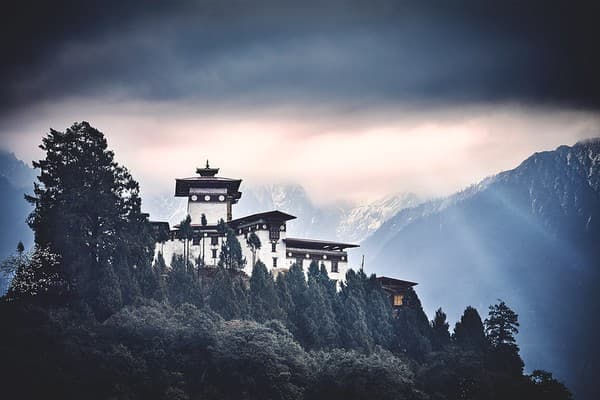
Gasa
Gasa is Bhutan's northernmost and one of the least populated districts, prized for its high‑altitude alpine landscapes, traditional nomadic yak and yak-cattle herding culture, and important historical sites such as the district dzong. It serves as a gateway to some of Bhutan's most remote trekking routes, including trails connected to the famed Snowman Trek. The combination of pristine mountain scenery, unique highland communities, and thermal springs gives Gasa both natural and cultural significance.
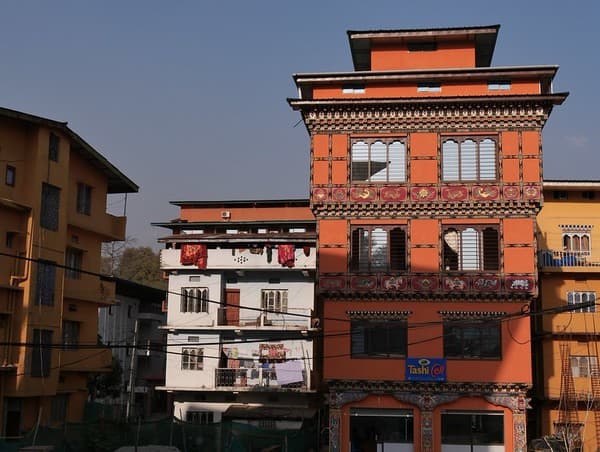
Samdrup Jongkhar
Samdrup Jongkhar is the administrative headquarters of Samdrup Jongkhar District in southeastern Bhutan and serves as a key gateway for trade and cultural exchange between Bhutan and the Indian state of Assam. The town's location on the southern frontier has made it strategically important for commerce, logistics, and cross-border contact while preserving local traditions of the Sharchop people and other ethnic communities.
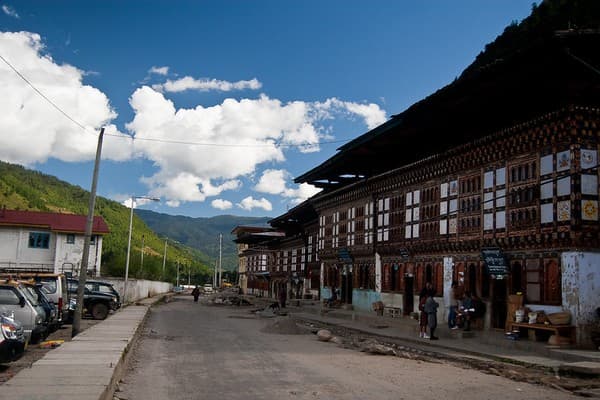
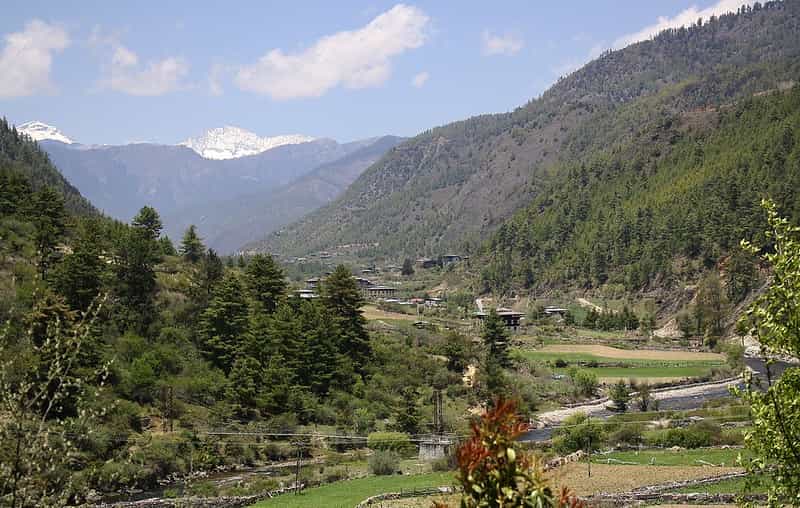
Haa
Haa Valley is one of Bhutan's most remote and least-visited districts, valued for its intact traditional culture, ridge-top dzongs and monasteries, and sweeping Himalayan scenery. Historically the valley served as a trade and pilgrimage corridor between Bhutan and the Tibetan plateau and preserves traditional Bhutanese village life, handicrafts and seasonal farming practices.
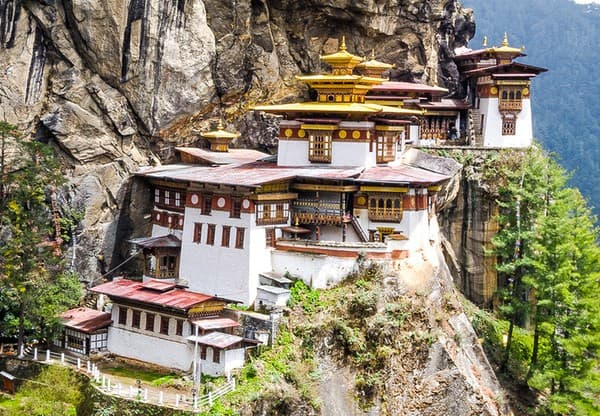
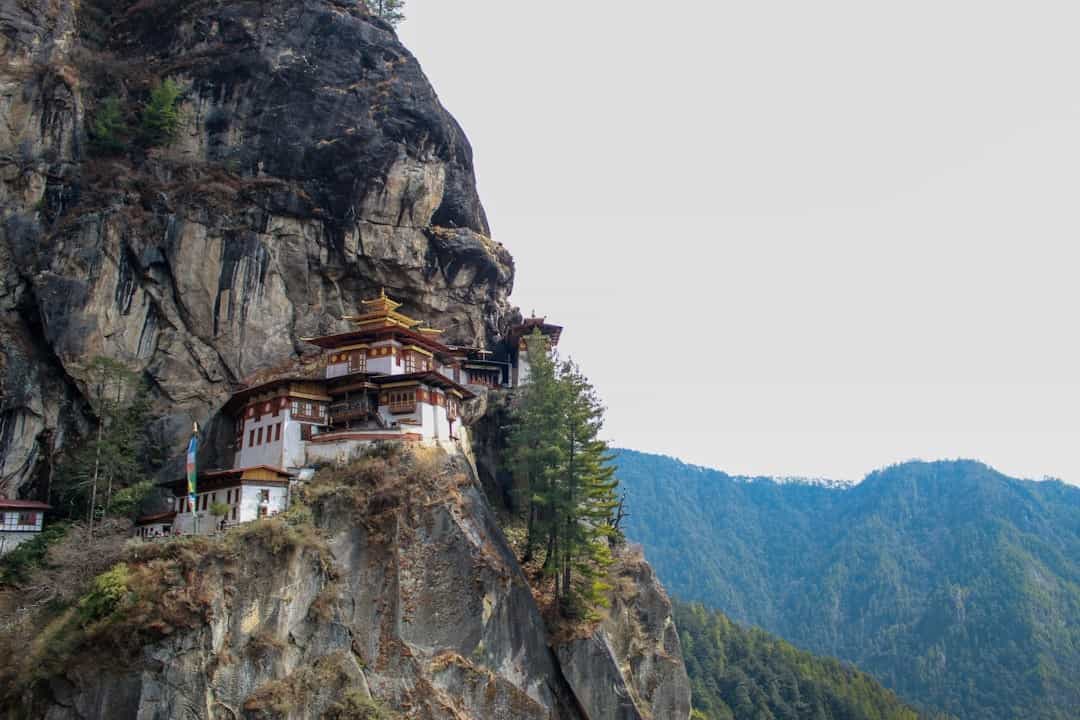
Taktsang (Tiger’s Nest) Monastery
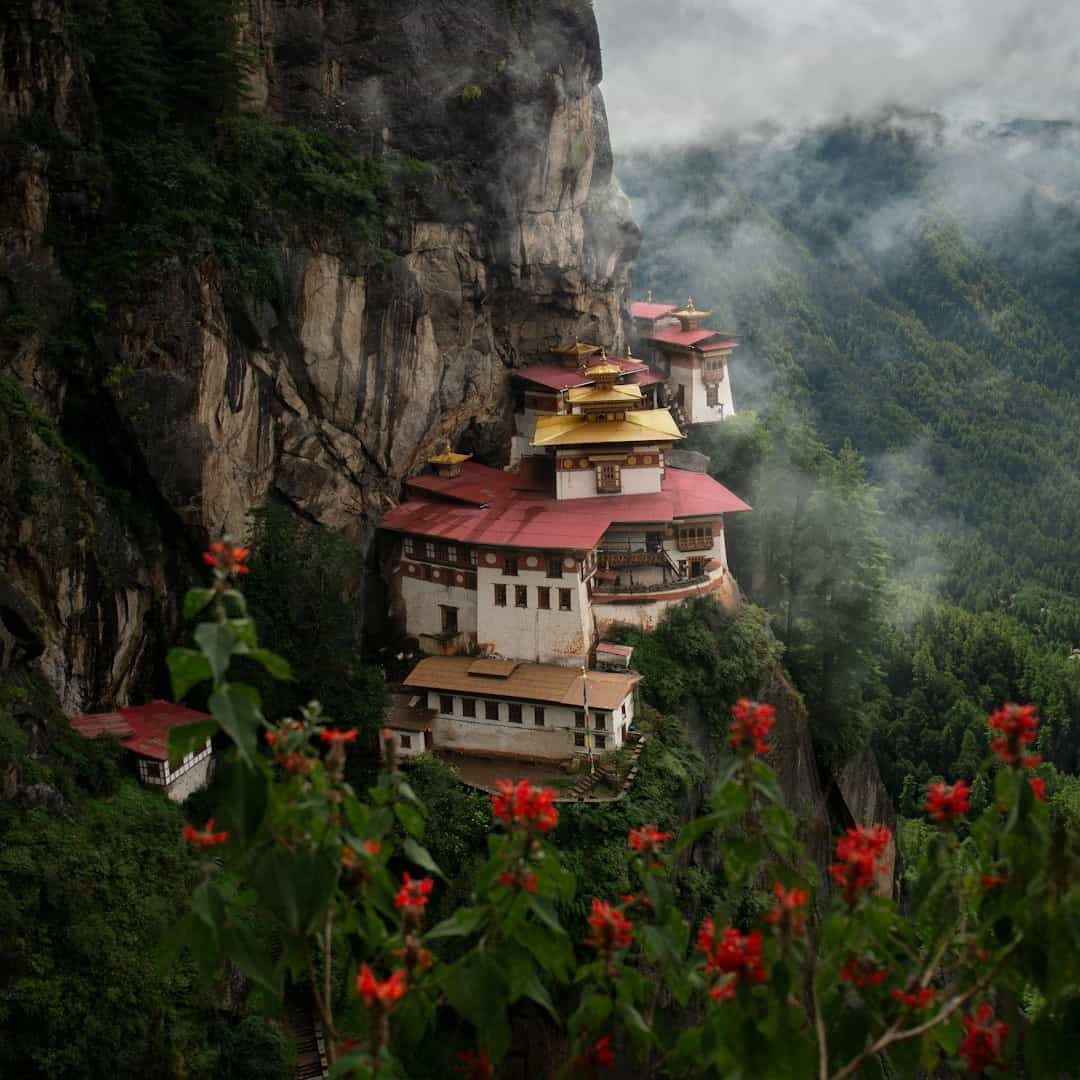
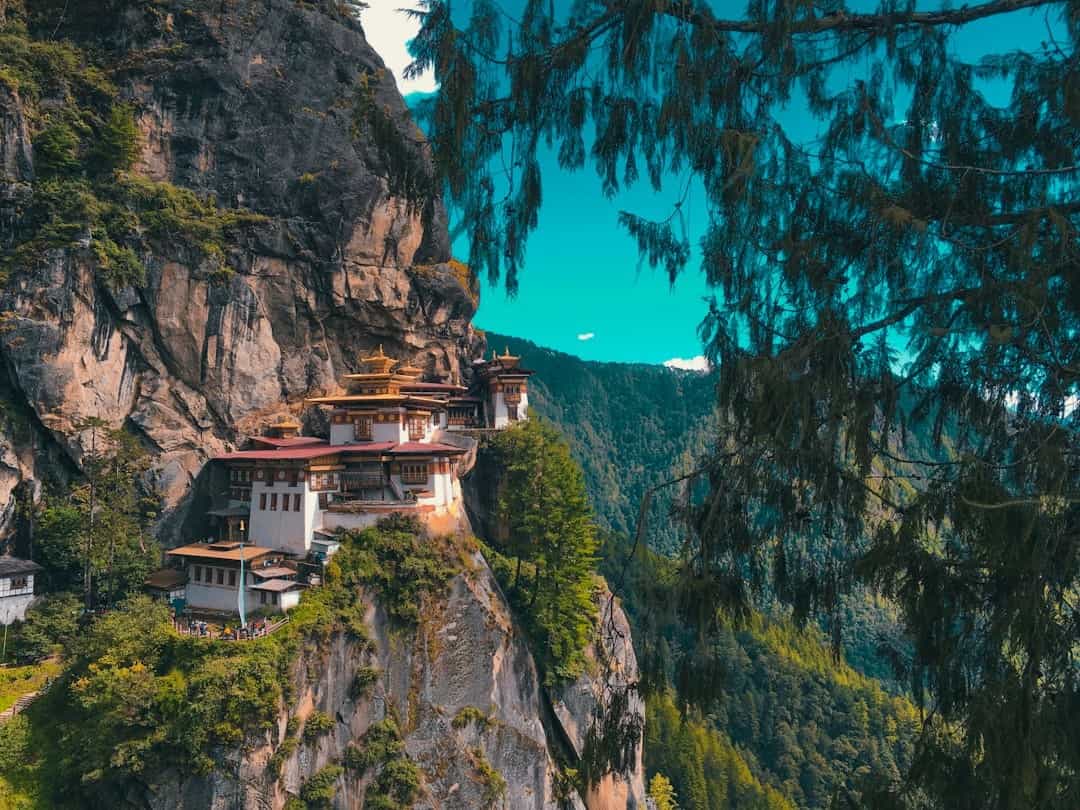
Taktsang (Tiger’s Nest) Monastery — Paro Taktsang is one of Bhutan's most sacred and iconic religious sites. Perched on a sheer cliff approximately 3,120 m (10,240 ft) above sea level and about 900 m above the Paro Valley floor, it is a masterpiece of Himalayan cliff‑side architecture and a focal point of Bhutanese Buddhist culture. The site commemorates Padmasambhava (Guru Rinpoche), who is credited with introducing Vajrayana Buddhism to Bhutan in the 8th century. The monastery complex, founded in its current form in 1692, has served for centuries as a place of meditation, pilgrimage, and national spiritual identity.
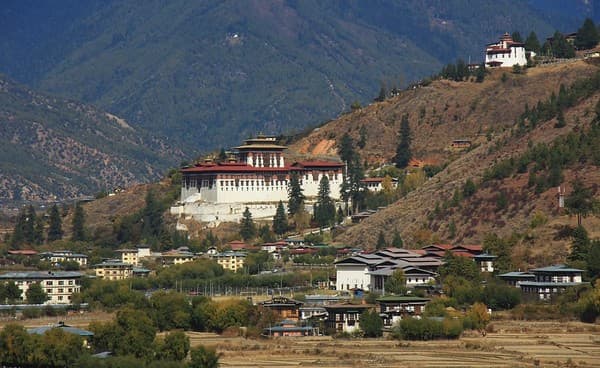
Rinpung Dzong
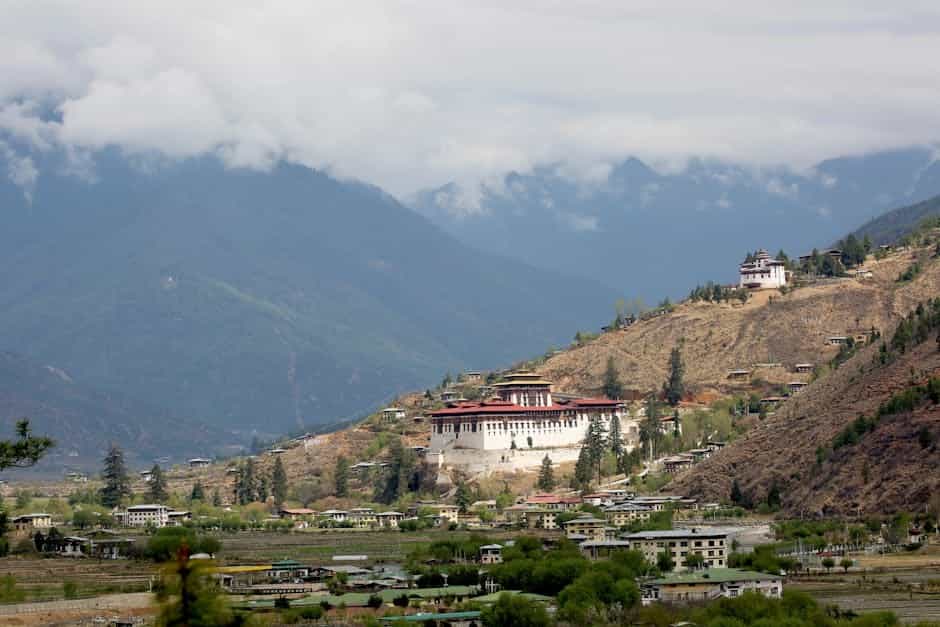
Rinpung Dzong (meaning 'Heap of Jewels') is one of Bhutan’s most important dzongs: an administrative and monastic complex that anchors Paro town and valley. Constructed in the 17th century, it functions both as a fortress and a religious center housing hundreds of monks and the district administration. Architecturally it exemplifies traditional Bhutanese dzong design—massive whitewashed walls, inward-sloping fortifications, courtyards, temples and elaborately painted woodwork—making it a key symbol of Bhutanese identity and governance.
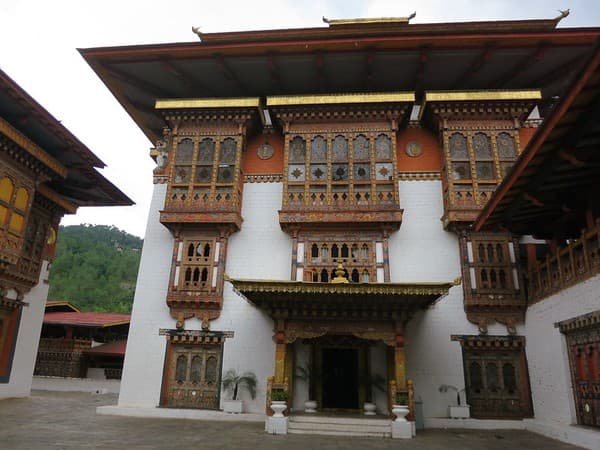
Punakha Dzong
Punakha Dzong (Pungtang Dechen Photrang Dzong) was founded in 1637–1638 by Ngawang Namgyal, the 1st Zhabdrung Rinpoche, and served as the administrative center and the seat of the central government of Bhutan until the mid-20th century. It is one of Bhutan's most important dzongs both historically and spiritually: it houses sacred relics of the Drukpa Kagyu school, important state shrines, and the funeral stupa (memorial) associated with Zhabdrung. Strategically positioned at the confluence of the Pho Chhu (male) and Mo Chhu (female) rivers, the dzong served as a fortress controlling a key valley route and is admired for its exemplary Bhutanese dzong architecture and riverside setting.
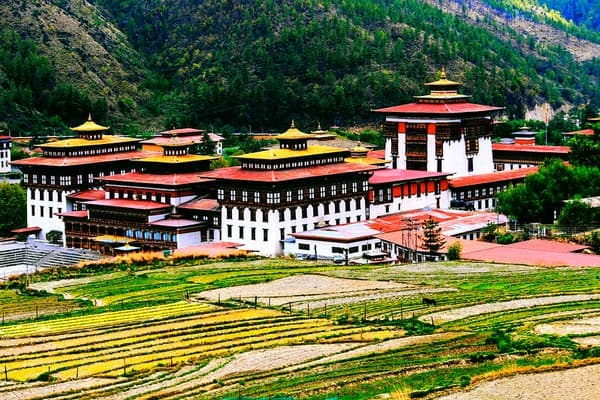
Tashichho Dzong
Tashichho Dzong (Tashichhodzong) — literally the "Fortress of the Glorious Religion" — is a major religious and governmental complex in Thimphu, Bhutan. It functions as the seat of the Bhutanese government (housing the throne room and some administrative offices) and as the central monastery for the southern monastic body, playing a dual role in Bhutan's political and spiritual life. Architecturally, it is a prime example of traditional Bhutanese dzong design, with massive whitewashed walls, courtyards, and ornate chapels that symbolize the fusion of civil and religious authority in Bhutan.
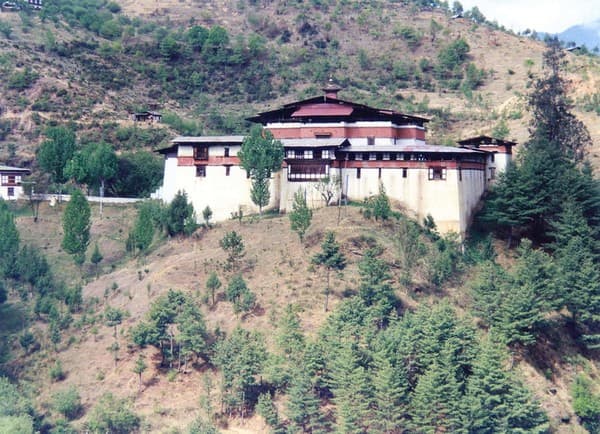
Simtokha Dzong
Simtokha Dzong (also spelled Simtokha Dzongkhag or Sangak Zabdhon Phodrang) is one of Bhutan's earliest dzongs, founded in 1629 by Zhabdrung Ngawang Namgyal. It served both defensive and administrative functions and helped consolidate central authority in western Bhutan. Architecturally, it is an important early example of Bhutanese dzong design—combining fortress, monastery, and administrative offices—and contains well-preserved murals and religious artifacts that reflect Bhutan's Himalayan Buddhist culture.