Things to do in Bhutan
Not sure how to spend your time in Bhutan? From exploring famous attractions to trying unique local activities, our guide to the top things to do will make your trip unforgettable.
Top 20 curated things to do in Bhutan
Bhutan offers a rich mix of experiences for every kind of traveller — from iconic landmarks and cultural attractions to outdoor adventures and local culinary experiences. Whether you are planning a short weekend getaway or an extended exploration, this curated list of 20 activities covers must-do highlights and hidden gems alike.
· Curated by the TourGrids editorial team
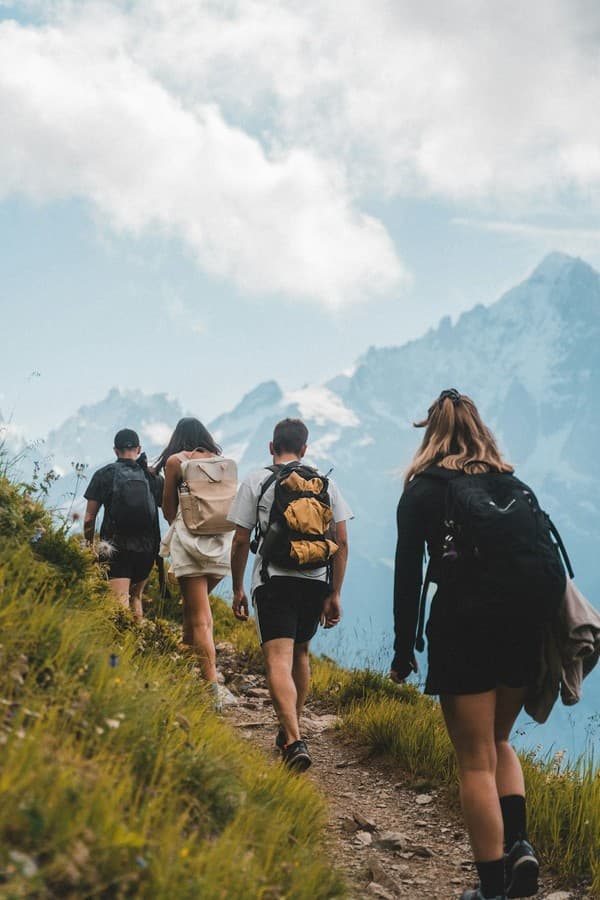
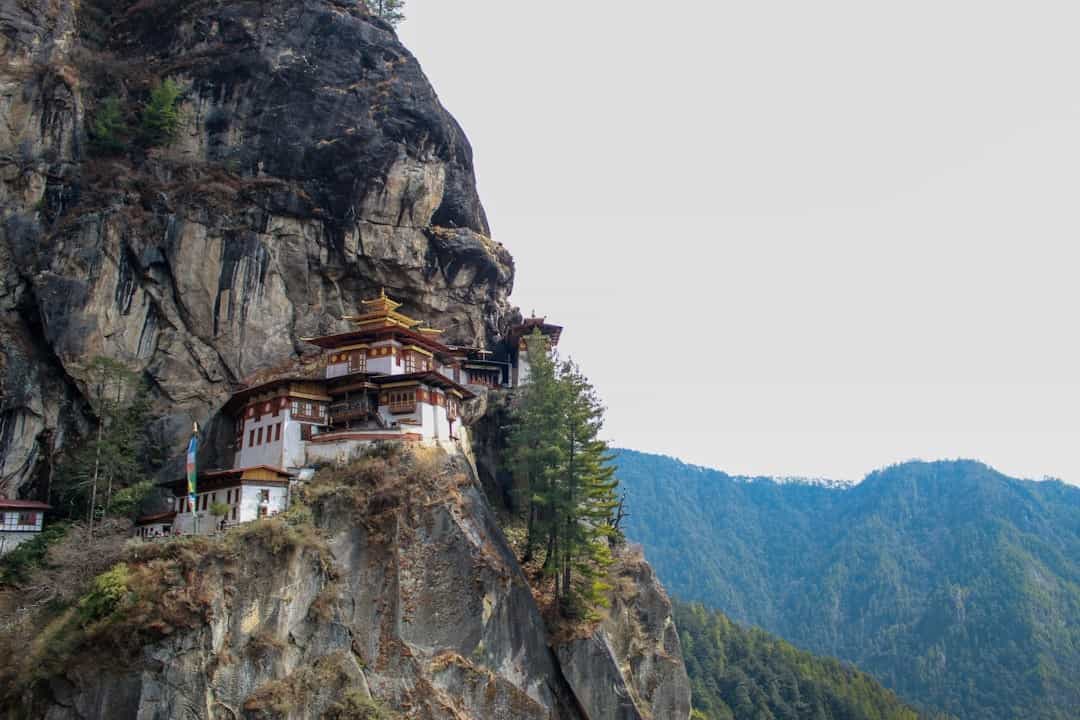
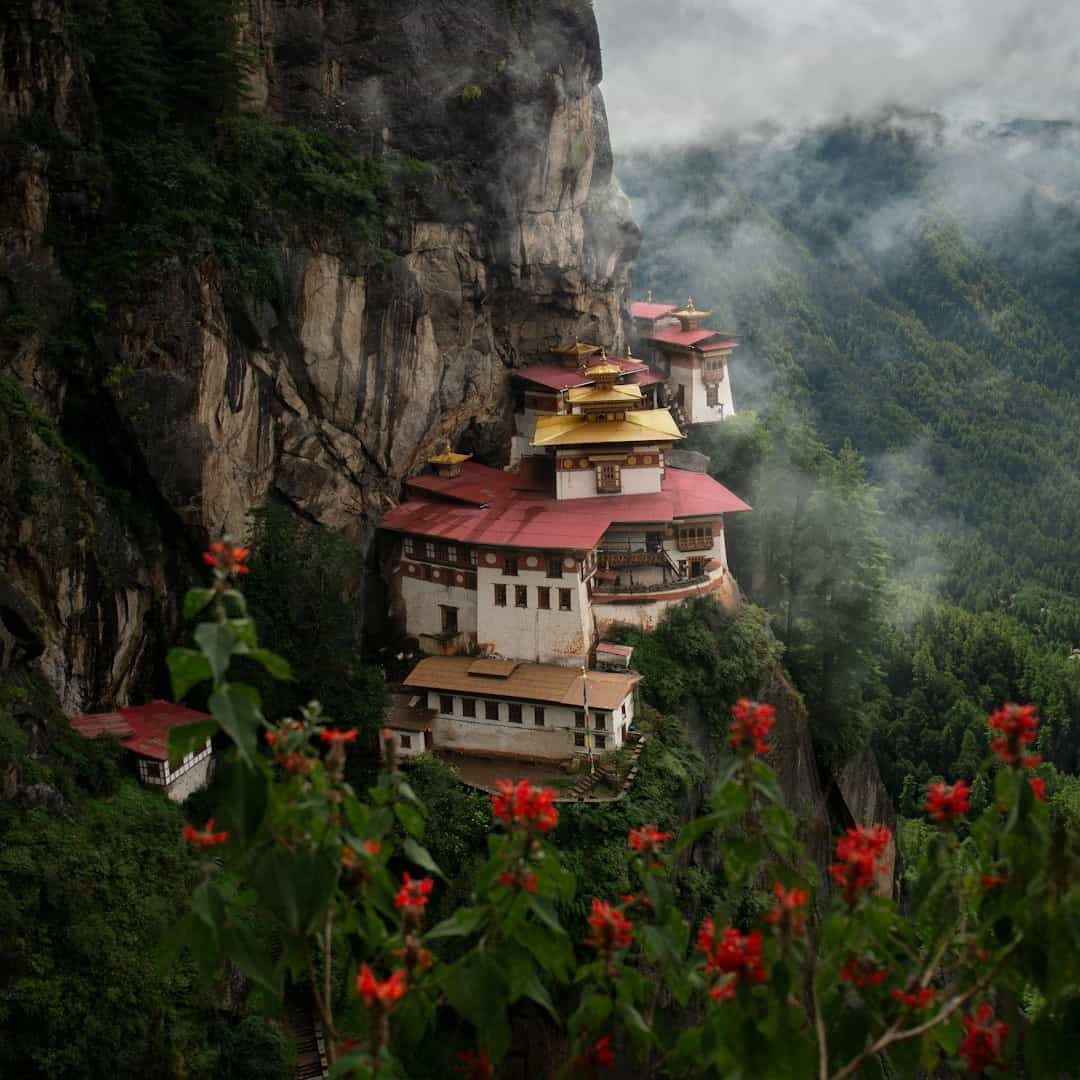
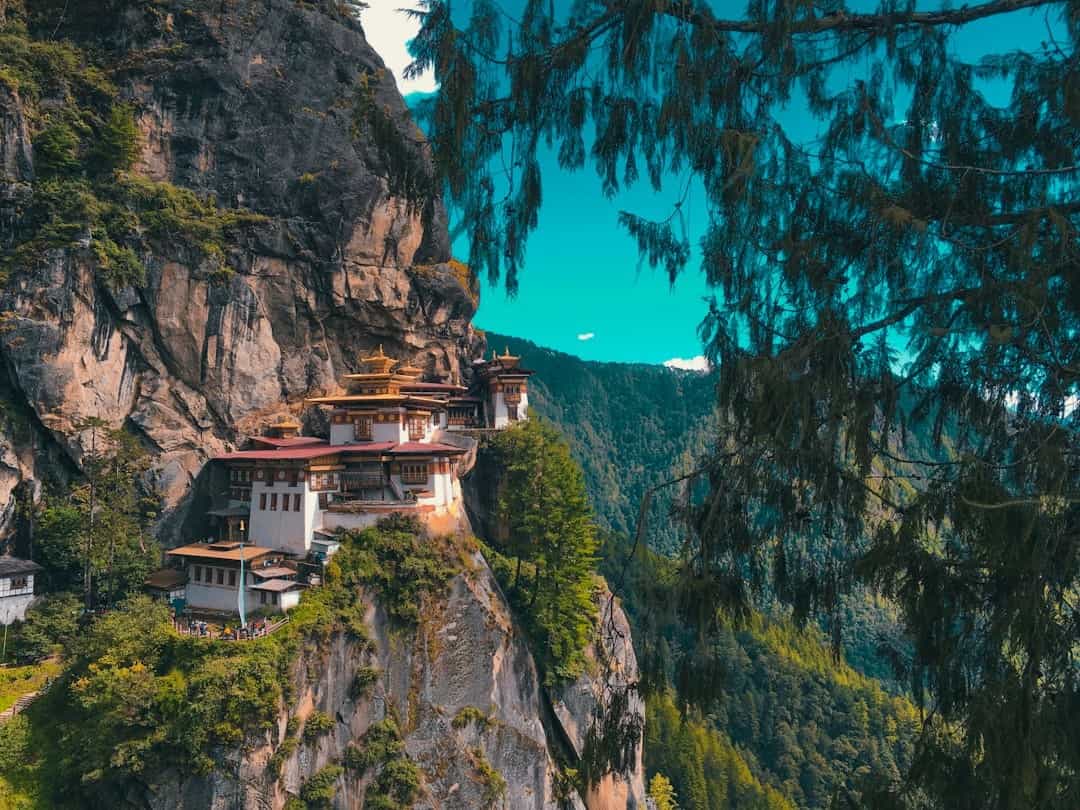
Hike to Paro Taktsang (Tiger’s Nest Monastery)
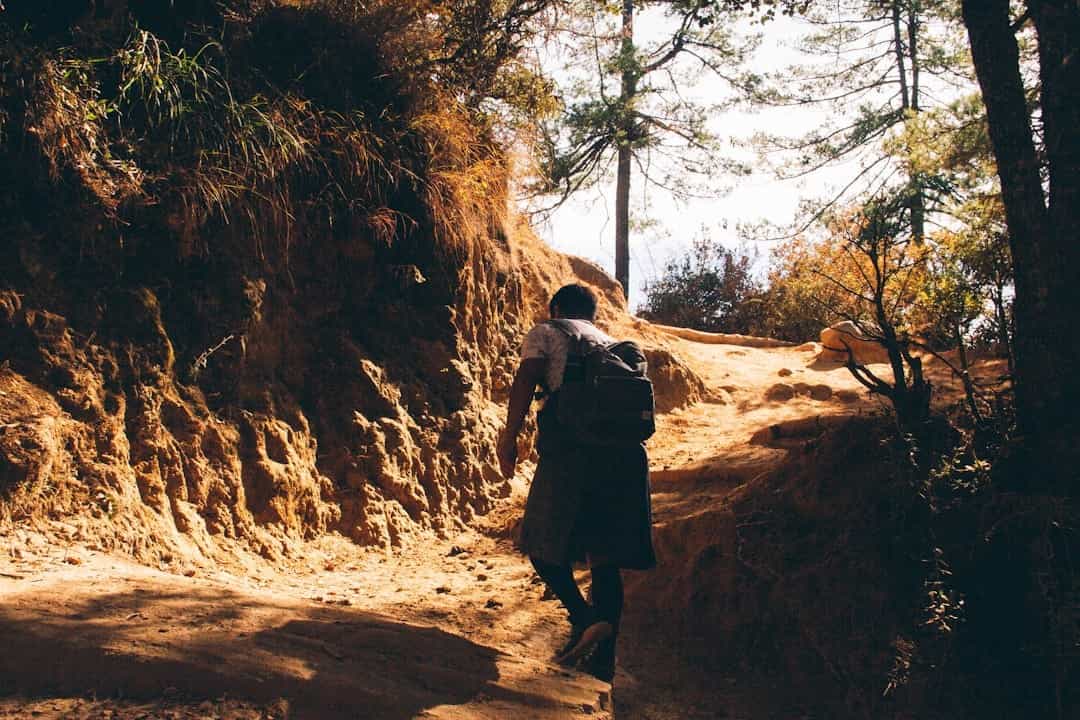
Paro Taktsang (Tiger’s Nest) is Bhutan’s iconic cliffside monastery — a pilgrimage site and one of the country’s most photographed landmarks. Perched about 900 m above the Paro valley floor, the complex of temples clings to a granite cliff and offers dramatic views, rich religious history, and a moderately strenuous hike through pine and rhododendron forest.
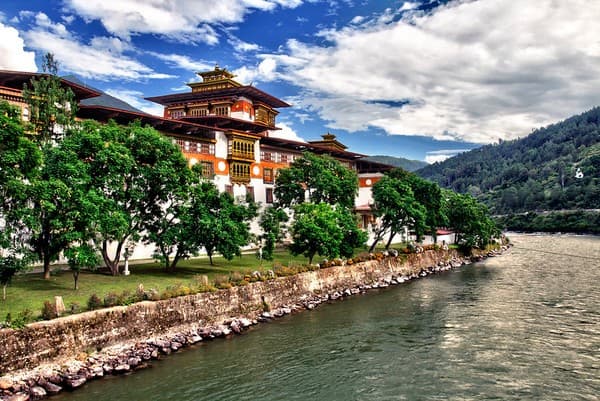
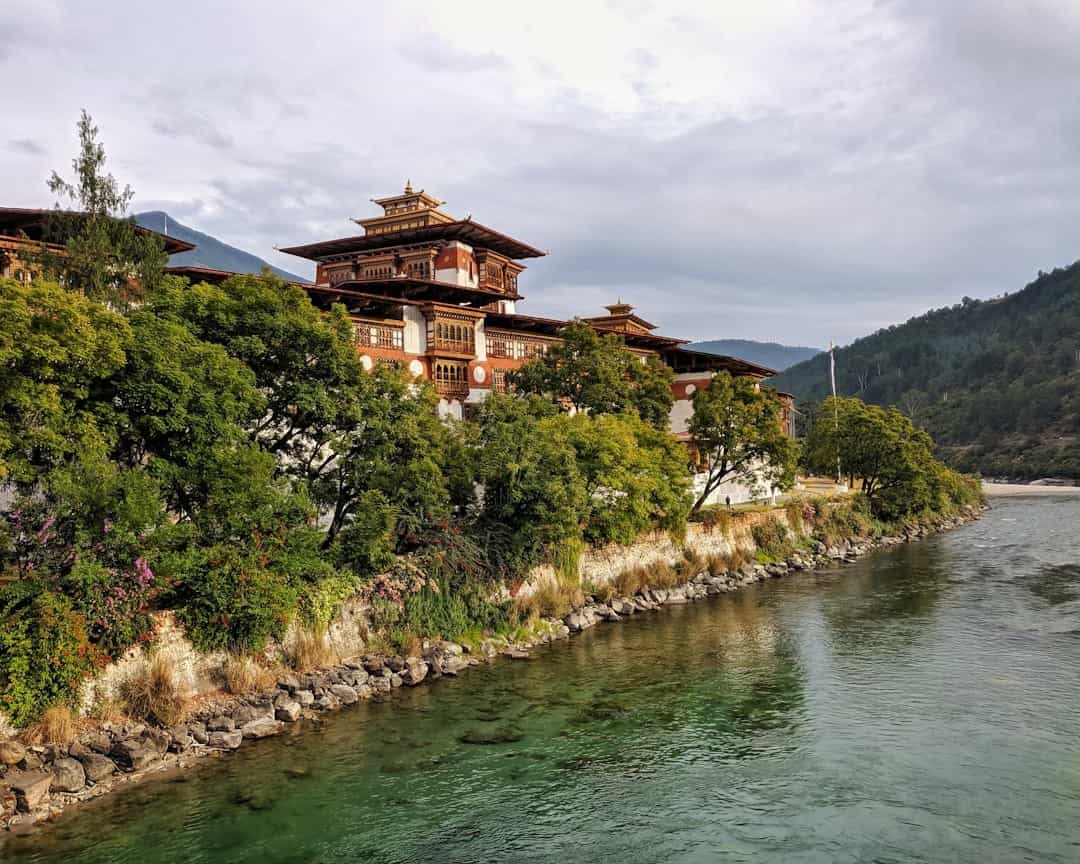
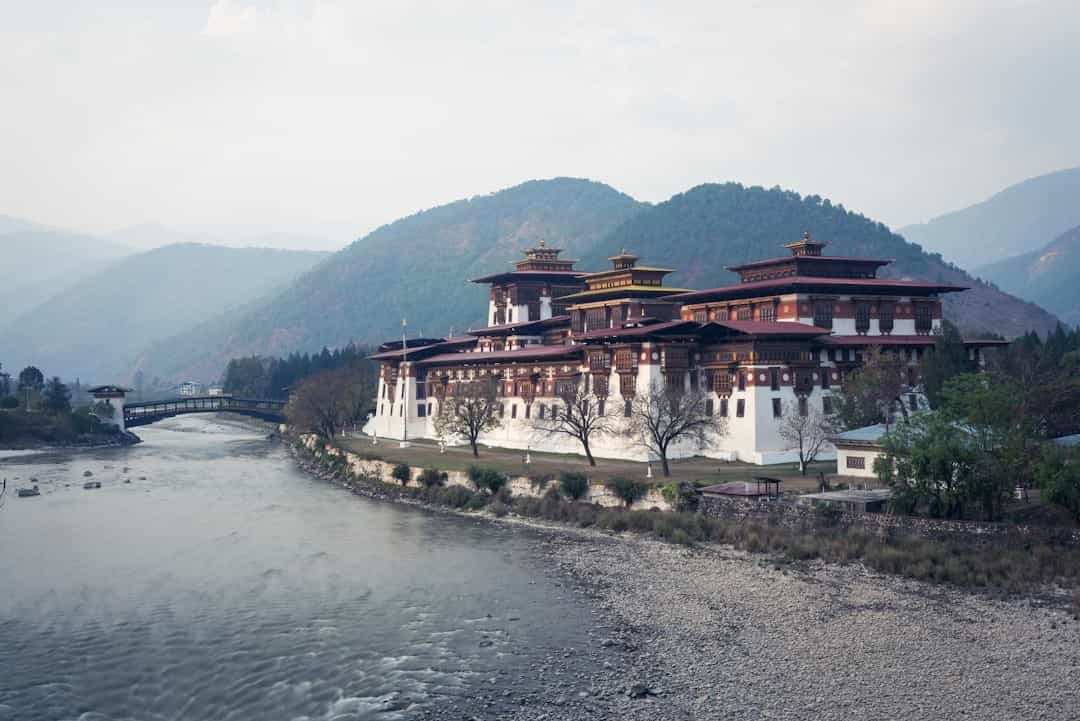
Visit Punakha Dzong (Pungthang Dewachen Phodrang)
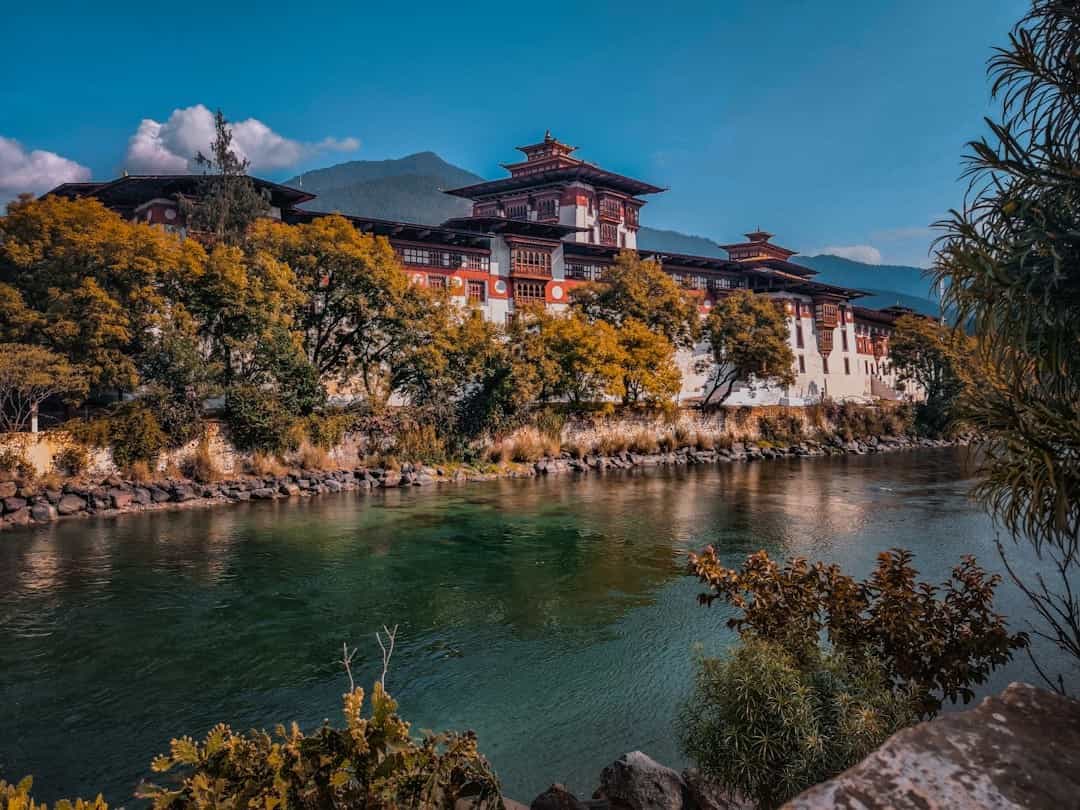
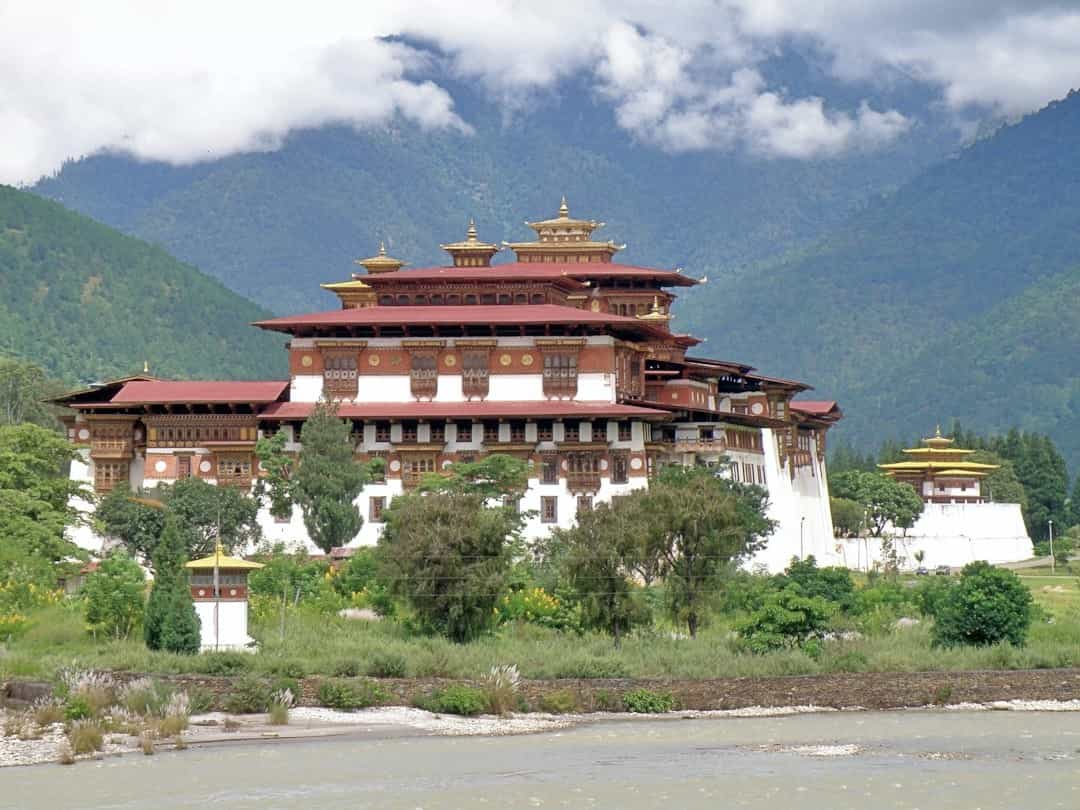
Punakha Dzong (Pungthang Dewachen Phodrang) is one of Bhutan's most iconic and historically significant dzongs — a majestic fortress-monastery located at the confluence of the Pho Chhu and Mo Chhu rivers. Built in 1637–1638 by Zhabdrung Ngawang Namgyal, it served as the administrative centre and is traditionally the winter residence of the central monastic body. The dzong is renowned for its fine Bhutanese timber architecture, exquisite interior chapels and murals, and its role in royal ceremonies such as coronations and weddings.
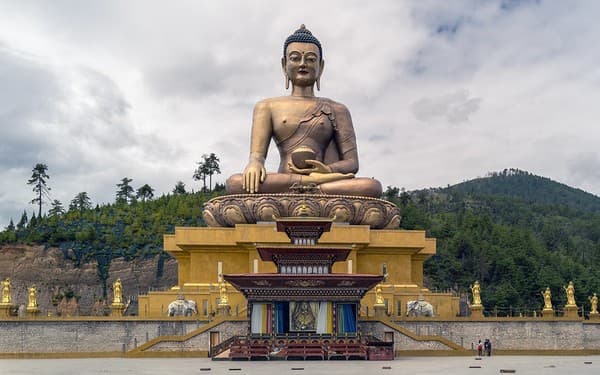
Buddha Dordenma viewpoint and Kuenselphodrang Park
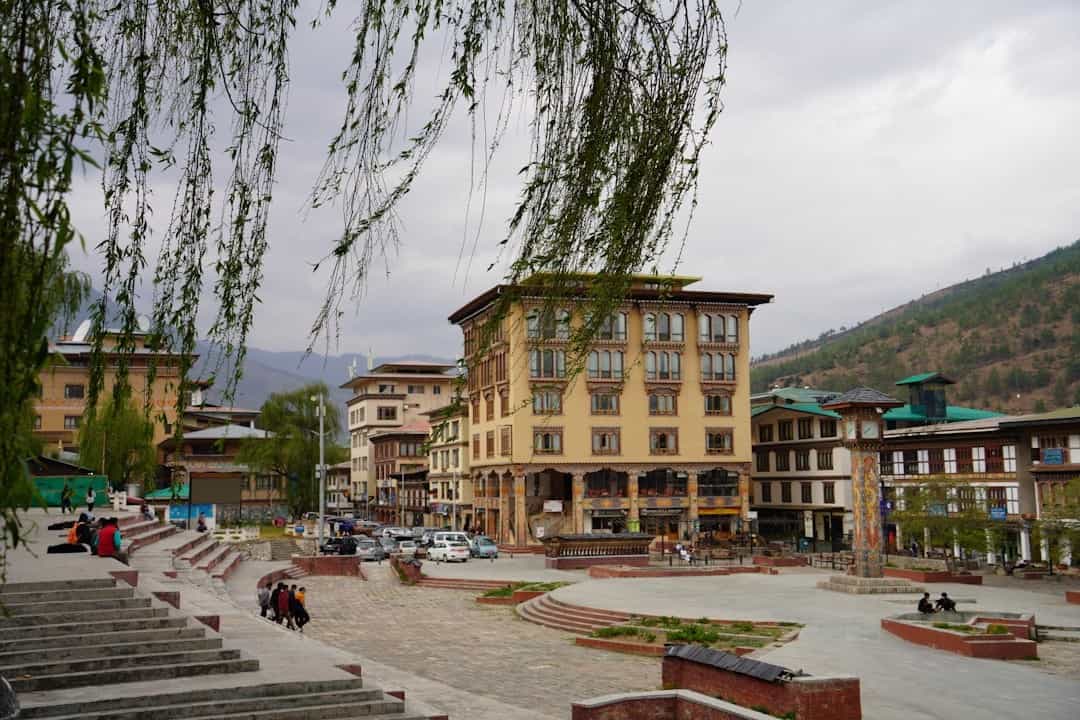
Buddha Dordenma is a colossal gilded Buddha statue overlooking Thimphu Valley, set within Kuenselphodrang Park — a peaceful landscaped area with walking trails, sculptures and panoramic viewpoints. The site combines religious significance, impressive art and expansive views of the capital. A must-visit for first-time visitors to Thimphu for photography, short walks and cultural insight.
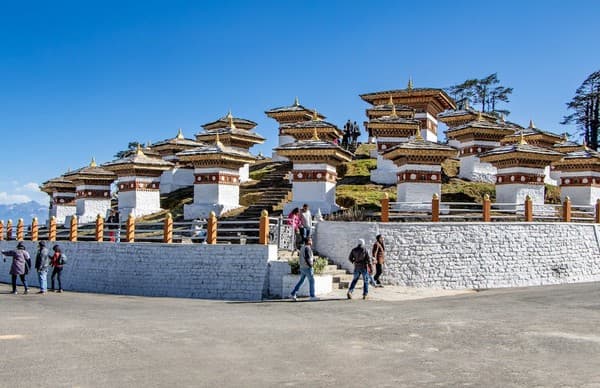
Dochula Pass and 108 Druk Wangyal Chortens
Dochula Pass (Dokhla or Dochula) is a scenic mountain pass on the road between Thimphu and Punakha, famous for the dramatic memorial site of 108 Druk Wangyal Chortens (stupas). Built to honor Bhutanese soldiers and as a monument to peace, the chortens sit on a ridge at about 3,100 metres, offering panoramic views of the eastern Himalayan range on clear days. The site includes a decorated pavilion, prayer flags, short walking trails, and a small cafe/tea stall.
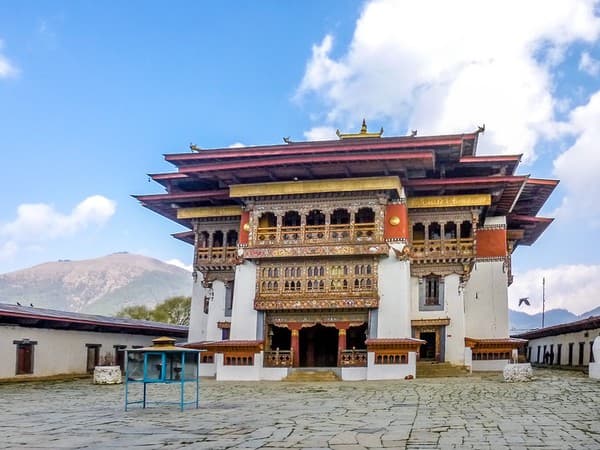
Phobjikha (Gangtey) Valley and Gangtey Monastery
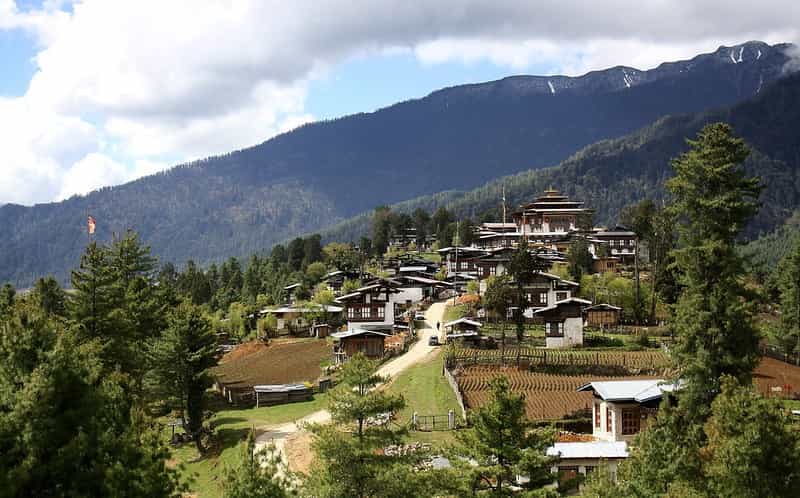
Phobjikha (also known locally as Gangtey) is a broad U-shaped glacial valley in central Bhutan renowned for its high-altitude wetland, traditional Bhutanese villages and the Gangtey (Gangtey Goenpa) Monastery perched on a hillside above the valley. The valley is an important conservation area and wintering ground for the endangered black‑necked crane. Gangtey Monastery is a major Nyingma Buddhist monastery founded in the 17th century and an active religious center offering panoramic views over the valley. Visitors come for birdwatching, gentle walks, cultural immersion, and serene landscapes.
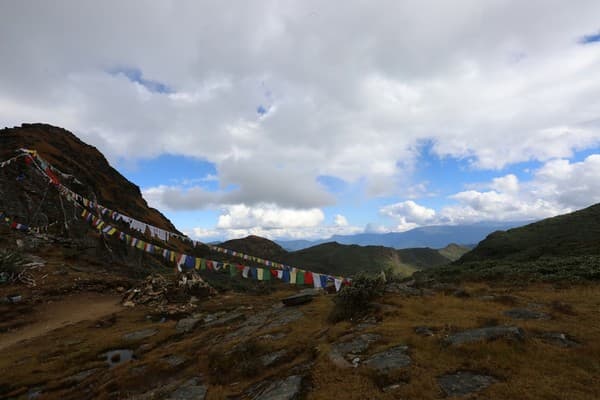
Druk Path Trek (4–6 days)
Druk Path Trek is one of Bhutan’s classic short treks linking Paro and Thimphu. It’s an alpine ridge route that crosses rhododendron and juniper forests, high passes and several glacial lakes, offering spectacular Himalayan panoramas and a gentle introduction to trekking in Bhutan. The trail is culturally rich (chortens, yak herders and remote monasteries) and is well suited to fit travellers who want a multi-day walk without extreme altitude or technical challenges.
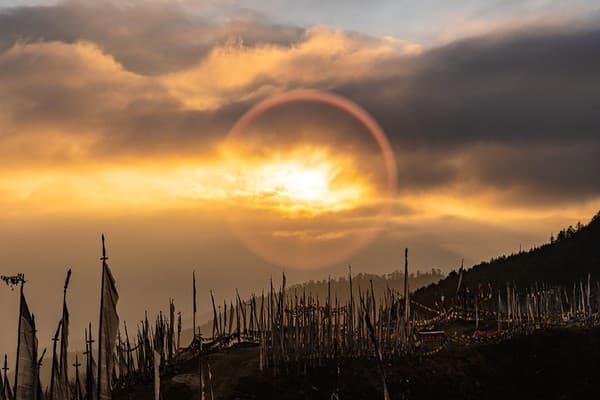
Chele La Pass drive and short hikes
Chele La Pass is one of Bhutan's highest drivable passes linking the Paro and Haa valleys. The route offers dramatic high‑altitude views of snow‑capped peaks (including glimpses toward Jomolhari on a clear day), sweeping valleys, alpine rhododendron forests in spring, yak pastures and colorful prayer flags. This activity combines a scenic mountain drive with a selection of short, accessible hikes around the pass suitable for travelers with basic fitness.
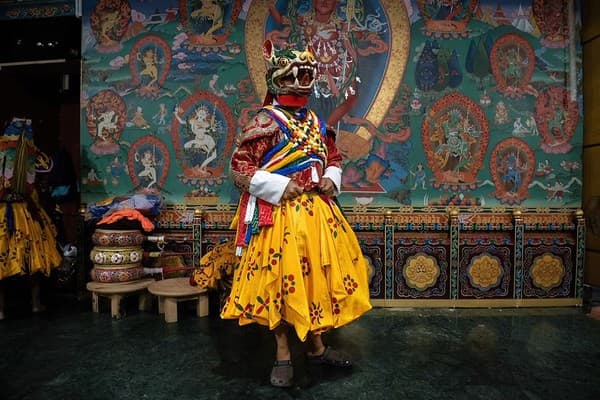
Attend a Tshechu festival (masked dances and rituals)
Tshechu are vibrant Bhutanese religious festivals held in dzong courtyards and monasteries. They feature masked cham dances, ritual music, colourful traditional dress, and community blessings. Each Tshechu honours Guru Rinpoche (Padmasambhava) and re-enacts Buddhist teachings through symbolic dance and drama.
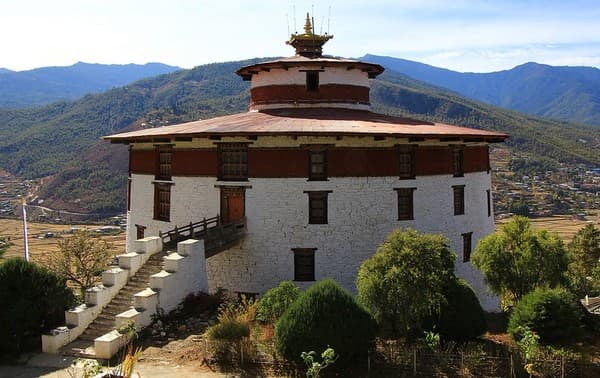
National Museum of Bhutan (Ta Dzong)
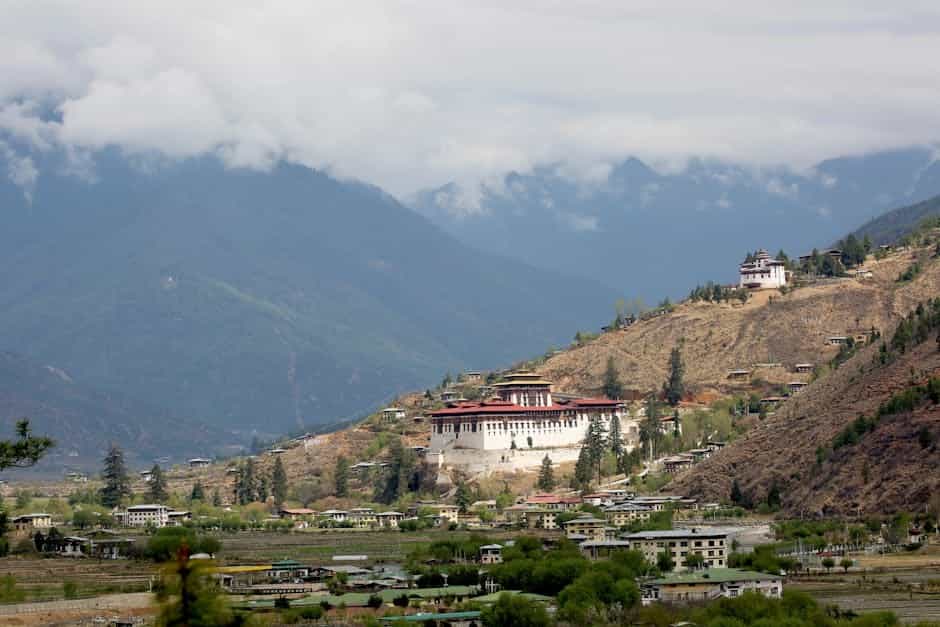
Ta Dzong (the circular watchtower above Rinpung Dzong) houses the National Museum of Bhutan, the country's premier repository of Bhutanese art, artifacts, and natural history. Housed in a distinctive white-walled, multi-storey watchtower built in the 17th century, the museum combines architectural interest with an extensive collection of thangkas, textiles, ritual objects, weaponry, and exhibits on Bhutanese folklore and natural history. The building also offers a excellent panoramic view of Paro valley and the nearby Rinpung Dzong.
Note: opening hours, admission prices, and specific exhibits can change; check locally before visiting.
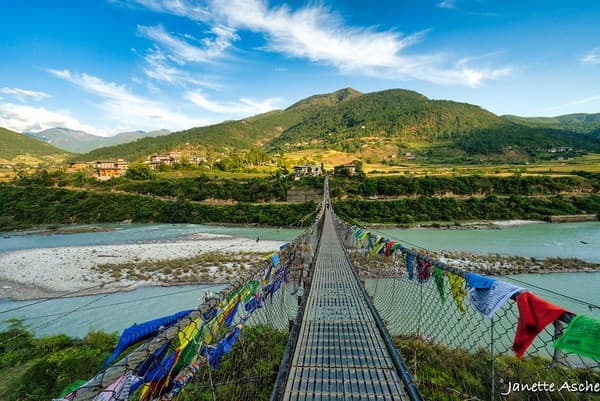
Punakha Suspension Bridge walk
Scenic riverside walk across a traditional Bhutanese suspension bridge connecting riverbanks near Punakha Dzong, offering panoramic views of the Pho Chhu and Mo Chhu rivers, surrounding rice terraces and distant Himalayan foothills. The walk combines gentle terrain, cultural sights and a short thrilling bridge crossing suitable for most travelers.
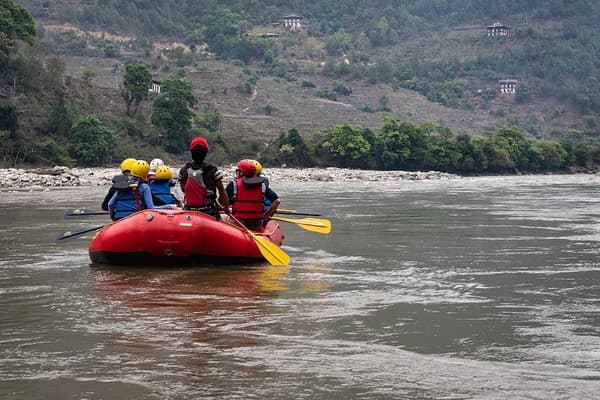
White-water rafting on Mo Chhu and Pho Chhu
Experience a scenic and culturally rich river-rafting trip on the Mo Chhu and Pho Chhu rivers in Punakha. This activity combines gentle-to-moderate white-water rapids with spectacular views of the Himalaya foothills, terraced farmland, and the iconic Punakha Dzong at the confluence of the rivers. Rafting runs vary by season and operator but typically offer a thrilling yet accessible adventure for beginners and intermediate paddlers. Expect clear mountain water, sandy river beaches for rest breaks, and the chance to learn about Bhutanese rural life from riverside villages.
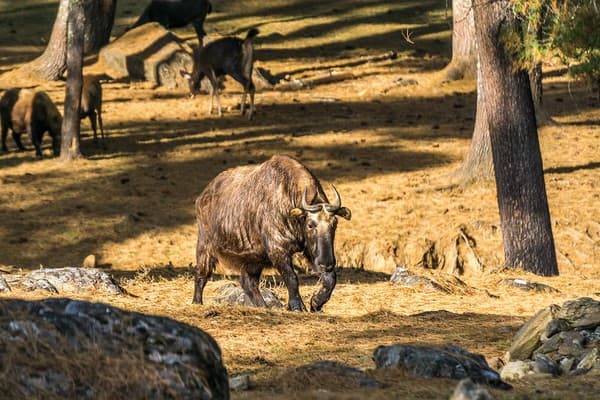
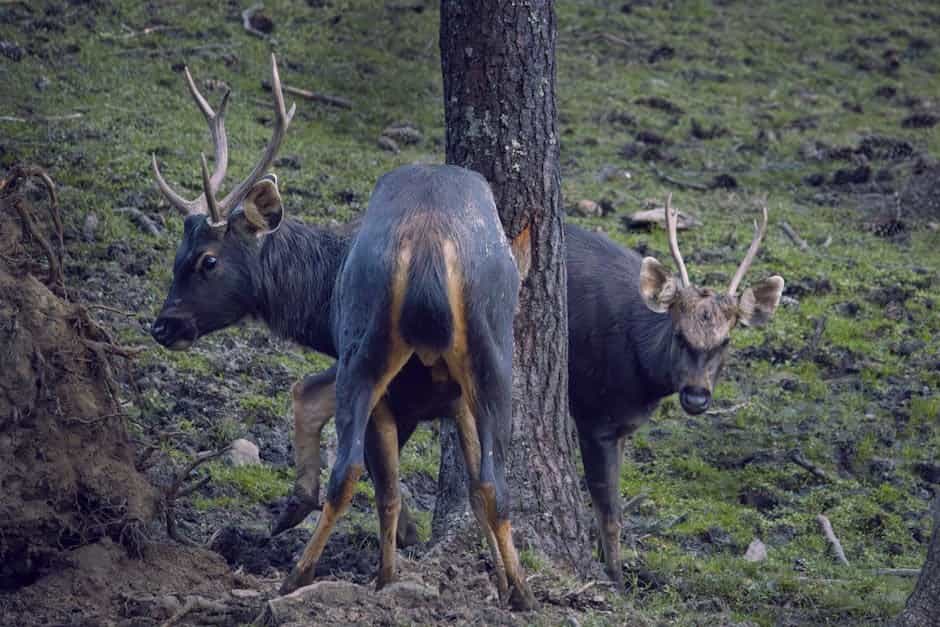
Motithang Takin Preserve (national animal)
Motithang Takin Preserve is a dedicated wildlife enclosure in Motithang, Thimphu, established to protect the takin (Budorcas taxicolor), Bhutan's national animal. The preserve offers close but respectful viewing of takin in a naturalistic setting and is a popular short stop for visitors exploring Thimphu.
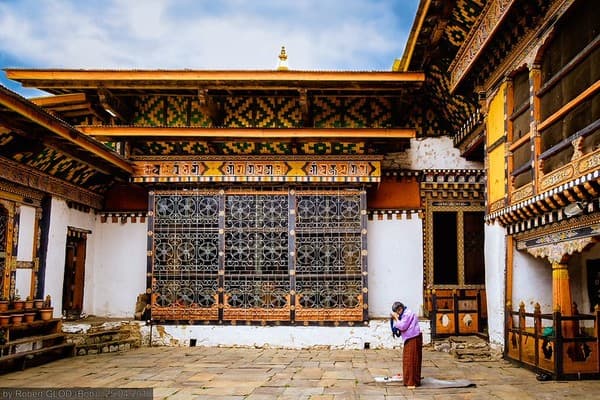
Bumthang temple circuit (Jambay, Kurjey, Tamshing)
Bumthang Temple Circuit visits three of the most significant sacred sites in the Jakar (Bumthang) valley: Jambay Lhakhang, Kurjey Lhakhang, and Tamshing Lhakhang. This short cultural circuit offers a concentrated experience of Bhutanese religious art, ancient architecture, meditation caves associated with Guru Rinpoche (Padmasambhava), and living monastic traditions. It's ideal for travelers who want a half-day immersion into central Bhutan's spiritual heart.
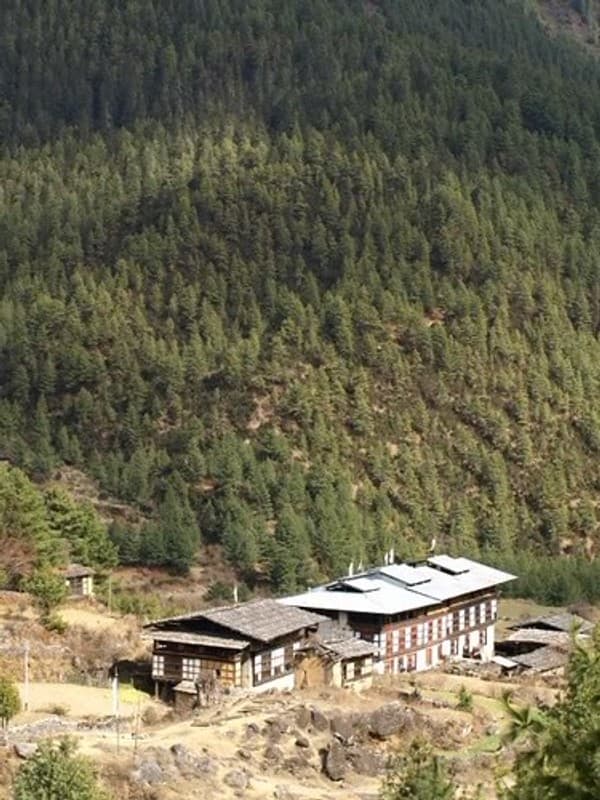
Haa Valley village walks and homestay
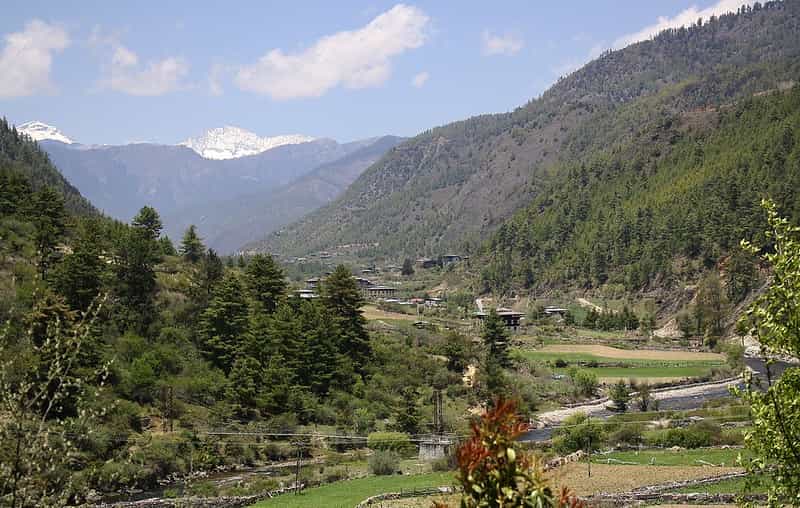
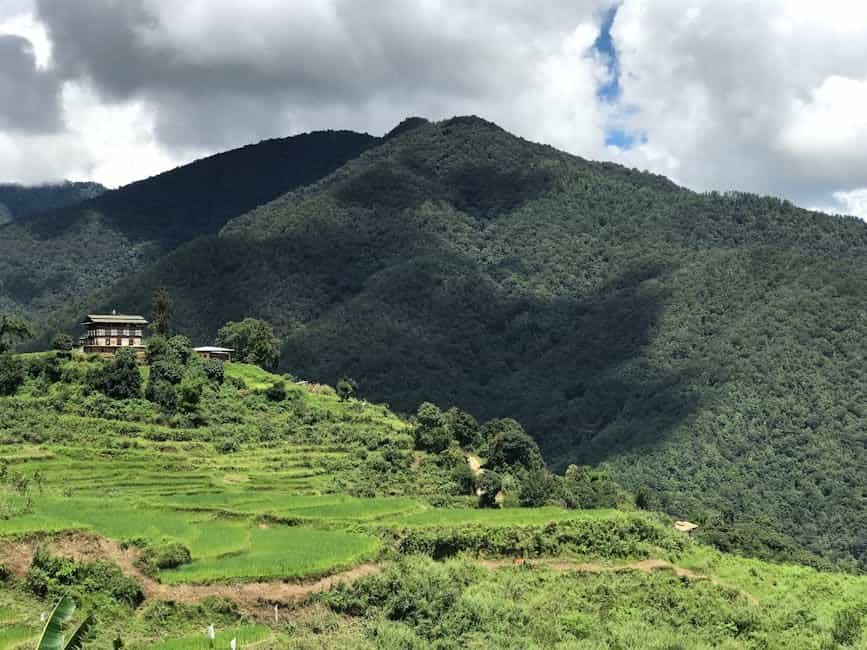
Haa Valley Village Walks & Homestay offers gentle village trails, cultural immersion and overnight stays with local families in one of Bhutan's most intact rural valleys. Walks wind through pine and fir forests, terraced fields and small hamlets, giving close-up views of everyday agrarian life, traditional houses, temples and mountain vistas.
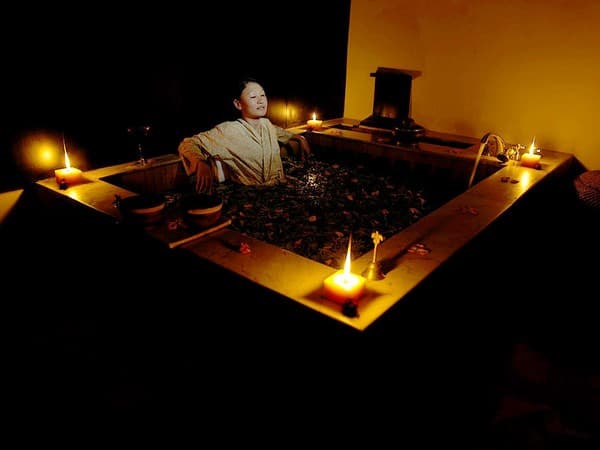
Traditional Bhutanese hot-stone bath (Dotsho)
Dotsho (also spelled 'dotsho' or 'doktsa' in some dialects) is a traditional Bhutanese hot-stone bath and healing ritual. Heated river stones are placed into a wooden, bamboo or clay tub filled with water and herbal infusions to create a deep, mineral-rich soak. The treatment is used for relaxation, muscle pain relief, postpartum care, and general detoxification. In valleys such as Paro, Punakha and Phobjikha the dotsho is offered in guesthouses, village hot-spring houses, and by local healers, often combined with herbal steam, local medicines, or light massage.
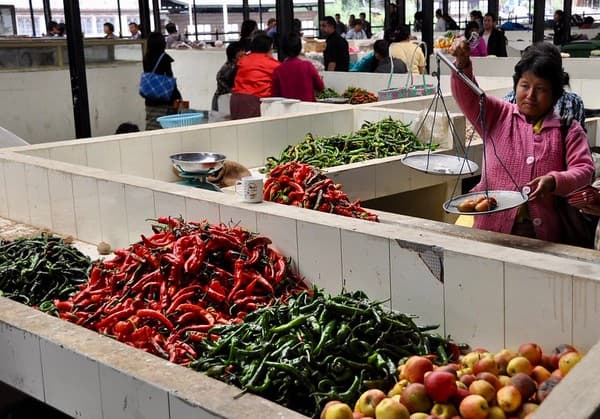
Thimphu Weekend Market and handicraft shopping
Thimphu Weekend Market is a lively, local market held on weekends where farmers, artisans and traders from around the region gather to sell fresh produce, traditional foods and handmade crafts. Paired with nearby handicraft shops and emporia in Thimphu, the visit is a great way to experience everyday Bhutanese life and buy authentic souvenirs—textiles, masks, lacquerware, wooden bowls, and handwoven items.
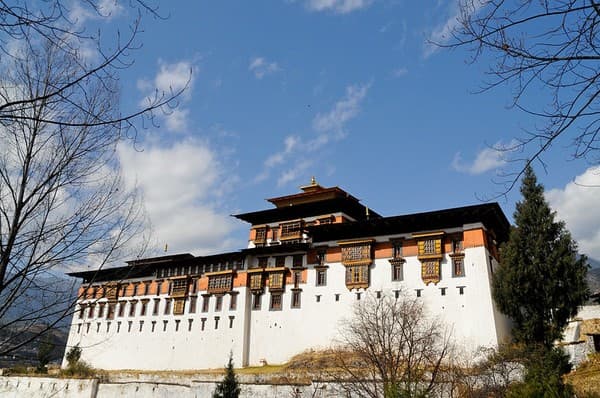
Rinpung Dzong and Paro town heritage walk
Overview: A compact half-day heritage walk that combines a visit to the spectacular Rinpung Dzong (Paro Dzong) and a guided stroll through the traditional streets of Paro town. This walk showcases Bhutanese architecture, living religious culture, local crafts and market life. Note: Foreign travelers normally visit Bhutan as part of a licensed tour; consult your operator for permits and inclusion in the daily tariff.
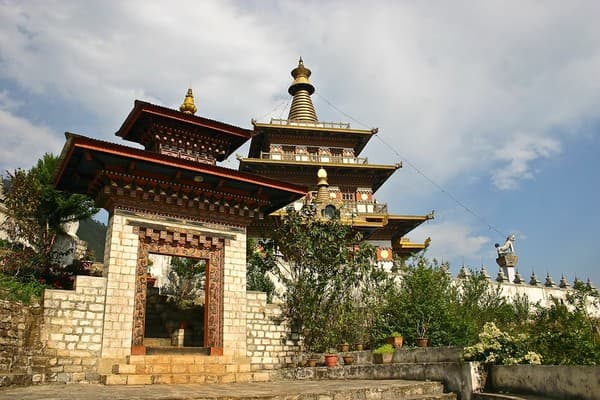
Hike to Khamsum Yulley Namgyal Chorten
Khamsum Yulley Namgyal Chorten is a picturesque hilltop stupa built in traditional Bhutanese style overlooking the Punakha Valley and the Mo Chhu river. Constructed in the early 2000s, the chorten was commissioned as a place for peace and to protect the valley. The short, rewarding hike passes rice terraces, small villages and offers sweeping panoramic views of Punakha Dzong, the river and surrounding Himalaya.
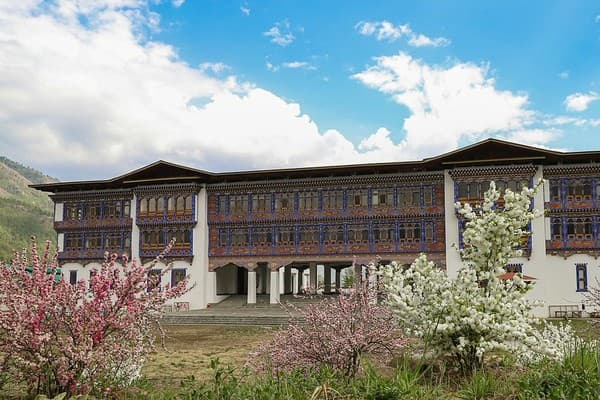
Royal Textile Academy and Folk Heritage Museum
Royal Textile Academy (RTA) preserves and promotes Bhutan’s rich textile traditions through galleries, active weaving studios, training programs and a curated collection of ceremonial and everyday garments. The Folk Heritage Museum is a restored traditional three-storey Bhutanese farmhouse that offers an intimate look at rural life, household tools, and vernacular architecture. Visiting both provides a compact cultural deep-dive into Bhutanese material culture, craftsmanship and living heritage.
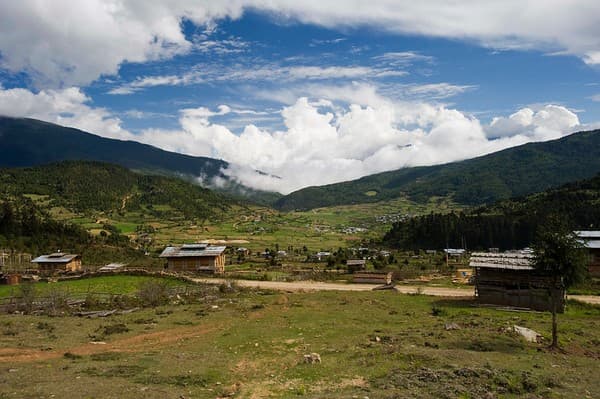
Ura Valley scenic drive and nature walks
Ura Valley (Ura Gewog, Bumthang) scenic drive and nature walks offer an easy-to-moderate day of highland landscapes, traditional villages, yak pastures, and rhododendron-clad slopes. The activity is ideal for travellers wanting a gentle introduction to Bumthang's culture and nature, with frequent photo stops and short interpretive walks through local hamlets.