Royal Textile Academy and Folk Heritage Museum
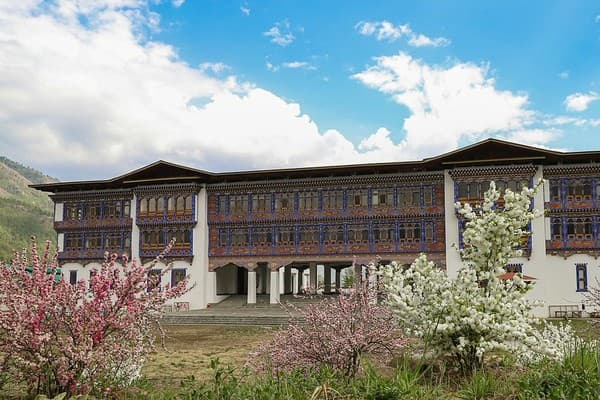
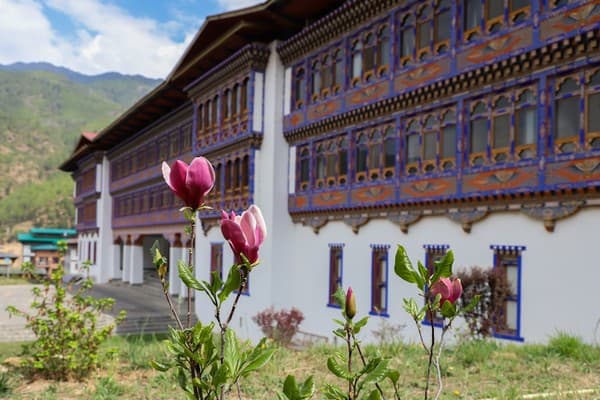
Royal Textile Academy (RTA) preserves and promotes Bhutan’s rich textile traditions through galleries, active weaving studios, training programs and a curated collection of ceremonial and everyday garments. The Folk Heritage Museum is a restored traditional three-storey Bhutanese farmhouse that offers an intimate look at rural life, household tools, and vernacular architecture. Visiting both provides a compact cultural deep-dive into Bhutanese material culture, craftsmanship and living heritage.
Location
Near central Thimphu (Royal Textile Academy campus and Folk Heritage Museum area), Thimphu, Bhutan
Duration
2–3 hours (can extend to half or full day if joining a hands-on weaving workshop)
Best Time to Visit
Year-round, with best weather and clearer skies in spring (March–May) and autumn (September–November). Museums are comfortable in monsoon but outdoor exhibits/approach may be wet.
Pricing
Approximate entry fees (subject to change): Royal Textile Academy: ~BTN 200–500; Folk Heritage Museum: ~BTN 50–200. Guided tours, weaving demonstrations and workshops may have separate fees (workshops can range BTN 500–3000 depending on duration and materials). Concessions often available for students and groups. Always confirm current prices at the site or with your tour operator.
Activity Type
Coordinates
Highlights
Rare and ceremonial textiles — see royal garments, intricate brocades and historic pieces preserved by RTA.
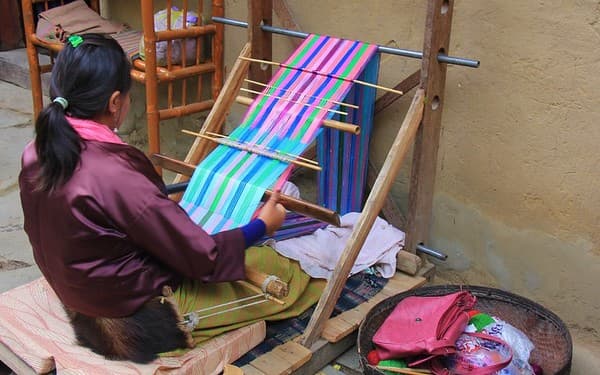
Live weaving demonstrations — watch master weavers at handlooms; some sessions allow visitor participation.
Traditional three-storey farmhouse — the Folk Heritage Museum recreates rural domestic life and architecture.
Ethnographic displays — agricultural tools, household objects, and explanatory panels that contextualize daily life across Bhutan’s regions.
Museum shop — authentic, locally made scarves, textiles and small souvenirs (purchase directly supports artisans).
Itinerary
Arrival and ticketing
Buy combined or individual tickets; check the board for demonstration times and guided-tour start times.
Royal Textile Academy gallery tour
Begin with core galleries to view historic and ceremonial textiles; read exhibit labels for technique names (e.g., tejp, thagzo).
Weaving studio / live demonstration
Observe master weavers; ask respectfully if you may try a simple pass on the loom (many places permit short hands-on experiences).
Folk Heritage Museum visit
Enter the reconstructed farmhouse to see living spaces, tools and seasonal displays. Mind low doorways and earthen floors.
Museum shop & wrap-up
Browse textiles and purchase directly from the source. Confirm shipping options for larger purchases if needed.
Safety Requirements
Modest dress required when visiting cultural sites; shoulders and knees covered are recommended.
Remove shoes where requested (Folk Heritage Museum and some gallery spaces).
No flash photography in galleries; always check signage or ask staff about photography rules.
Watch your step in older buildings — uneven floors, low beams and narrow staircases are common.
Altitude in Thimphu is moderate (~2,300 m): stay hydrated and avoid strenuous exertion if you feel unwell.
Tips
Check opening hours and demonstration schedules in advance; some workshops require prior booking.
Bring small denominations of Bhutanese ngultrum (BTN) or cash — remote shops may not accept cards.
Combine this visit with nearby attractions (Tashichho Dzong, Memorial Chorten) to make efficient use of time in central Thimphu.
Ask for the story behind particular textiles — weavers often know provenance, weave names and symbolic meanings.
If you plan to buy textiles as souvenirs, request provenance details and a receipt. Larger pieces may require packing/shipping arrangements.