Frequently Asked Questions about Bhutan
Find answers to the most frequently asked questions about Bhutan. From travel tips and safety information to must-know details, our FAQ section helps you plan a smooth and hassle-free trip.
What is the best time to visit Bhutan?
The best time to visit Bhutan is during spring (March-May) and autumn (September-November). Spring offers blooming rhododendrons, wildflowers, and pleasant temperatures (12-24°C), making it perfect for trekking and photography. Autumn provides crystal-clear skies with stunning Himalayan views, major festivals like Thimphu and Paro Tshechus, and excellent weather for sightseeing. Winter (December-February) is ideal for those seeking snow-capped landscapes, fewer crowds, and cozy lodge stays, though temperatures can drop to -2°C in valleys. Monsoon season (June-August) brings lush greenery and better hotel rates but frequent rainfall. For first-time visitors, autumn is recommended for clear mountain views and cultural festivals.
How can Indian travelers reach Bhutan?
Indian travelers can reach Bhutan by road or air. By road (most popular): Enter at Phuentsholing border (adjacent to Jaigaon, West Bengal). From there, it's 5-6 hours to Thimphu or Paro. Take train to Hasimara (17km from border), New Alipurduar, or New Jalpaiguri, then taxi to the border. By air: Fly into Paro International Airport from Delhi, Kolkata, Guwahati, or Bagdogra via Drukair or Bhutan Airlines (seasonal schedules). Other road entry points include Gelephu and Samdrup Jongkhar from Assam. The road journey offers scenic mountain views, while flying provides dramatic Himalayan aerial views during the approach to Paro's challenging runway.
Do Indian citizens need a visa for Bhutan?
Indian citizens don't need a visa but require permits and pay a Sustainable Development Fee (SDF). Required documents: valid passport or voter ID and recent passport photos. Minors need birth certificates. Entry permits cover Thimphu and Paro, while route permits are needed for other areas like Punakha, Phobjikha, or Bumthang. Permits can be arranged at entry points or through the official online system via licensed operators. The SDF is charged per person per night (rates vary - check latest official guidelines). Travel insurance is strongly recommended. Carry multiple photocopies of documents and permits for smooth checkpoint processing throughout your journey.
What are the local transportation options in Bhutan?
Local transportation in Bhutan includes taxis (readily available in major towns with point-to-point fares), city and intercity buses (budget-friendly with fixed schedules), and private cars with drivers (most comfortable for multi-stop itineraries). Shared taxis are common for intercity routes. Limited domestic flights operate seasonally to places like Bumthang, weather permitting. Self-drive is possible but less common due to challenging mountain roads requiring experience. For tourists, hiring a private vehicle with driver is recommended for flexibility and comfort, especially when traveling between valleys. Mountain roads are winding with stunning views but require buffer time for transfers.
Where should I stay in Bhutan and what accommodation options are available?
Bhutan offers accommodations across all budgets. Luxury options include Six Senses (eco-chic in multiple valleys), COMO Uma (boutique luxury in Paro/Punakha), Amankora lodges, and Taj Tashi Thimphu. Mid-range choices include Le Méridien properties, Naksel Boutique Hotel Paro, and Dewachen Hotel Phobjikha. Budget travelers can choose Hotel Norbuling Thimphu or local guesthouses. Stay in Paro for Tiger's Nest access, Thimphu for urban experiences, Punakha for riverside tranquility, and Phobjikha for nature immersion. Many properties offer traditional architecture, valley views, and cultural experiences. Book advance during peak seasons (spring/autumn) and festivals. Most hotels provide heating in winter and arrange cultural programs.
What are the must-visit attractions in Bhutan?
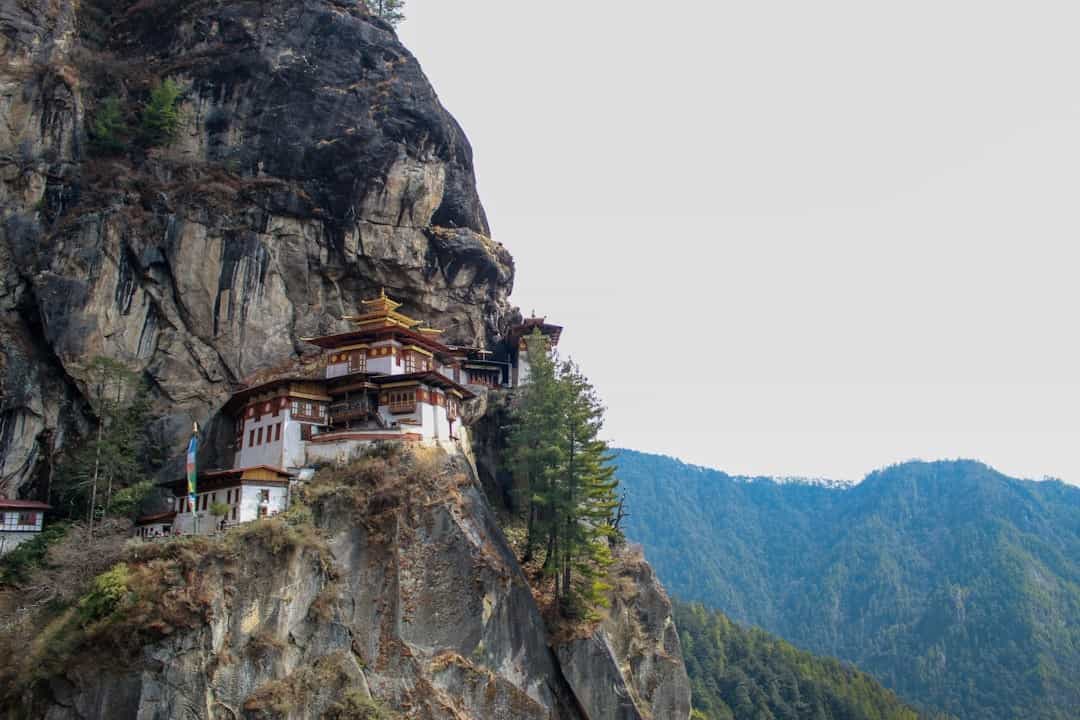
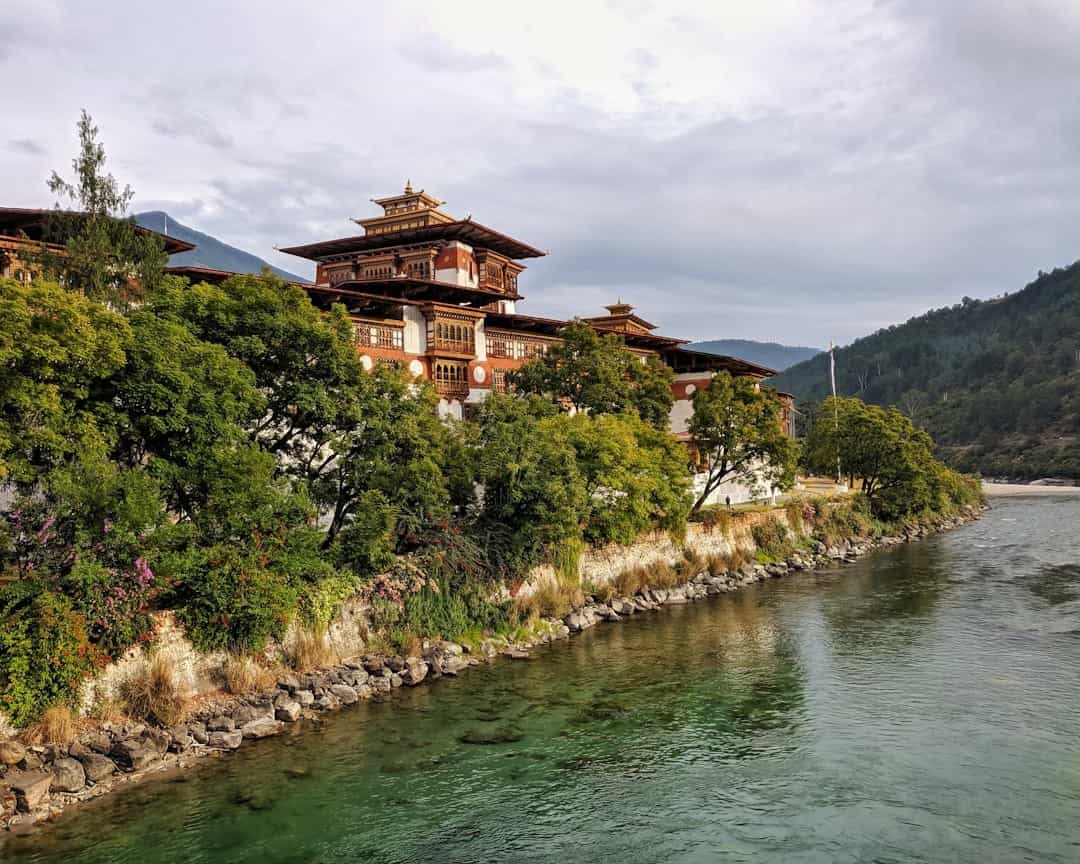
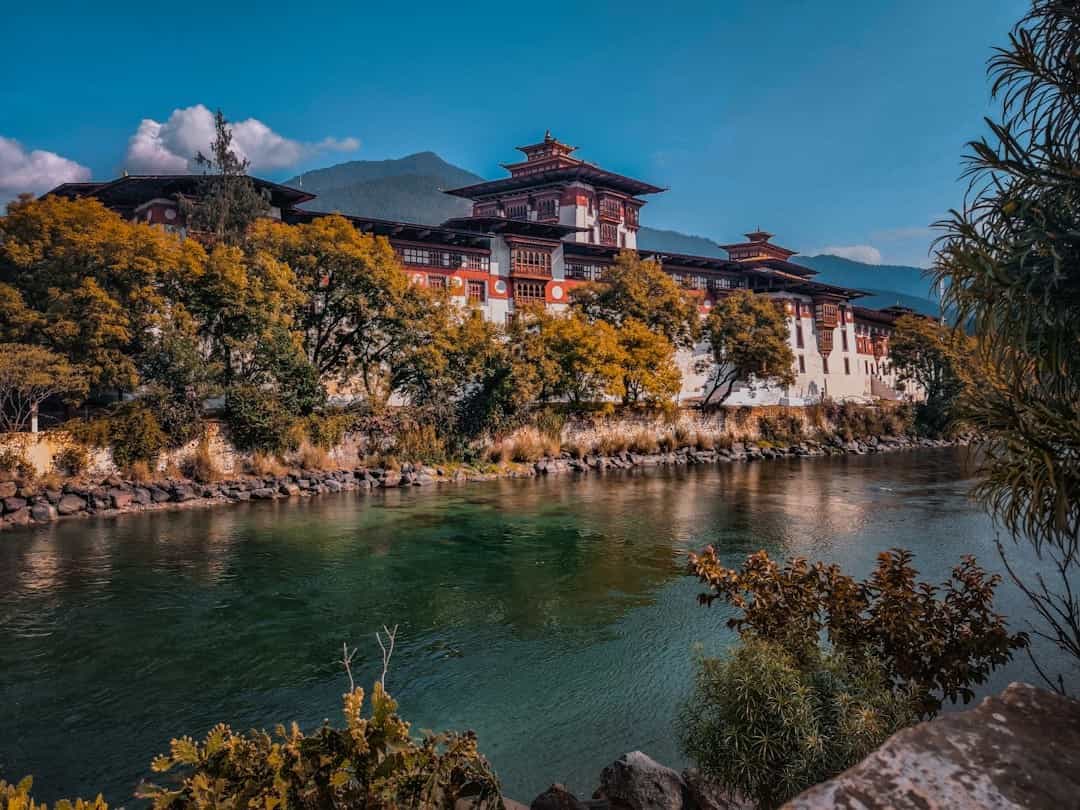
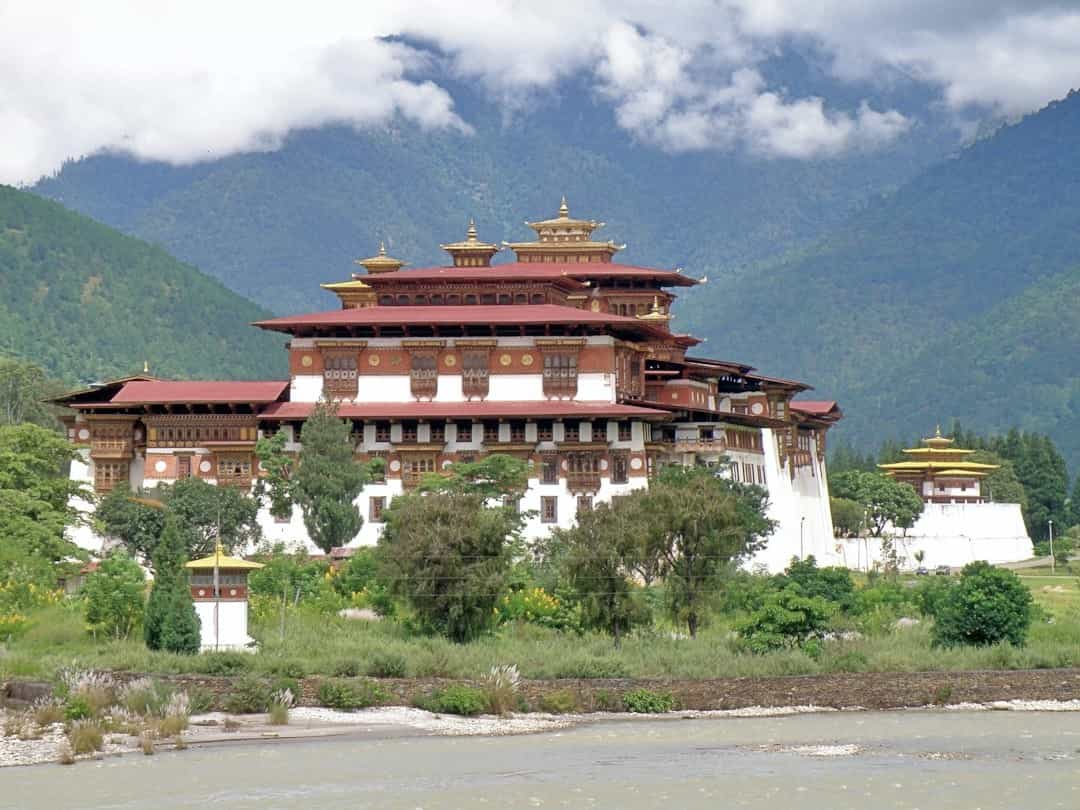
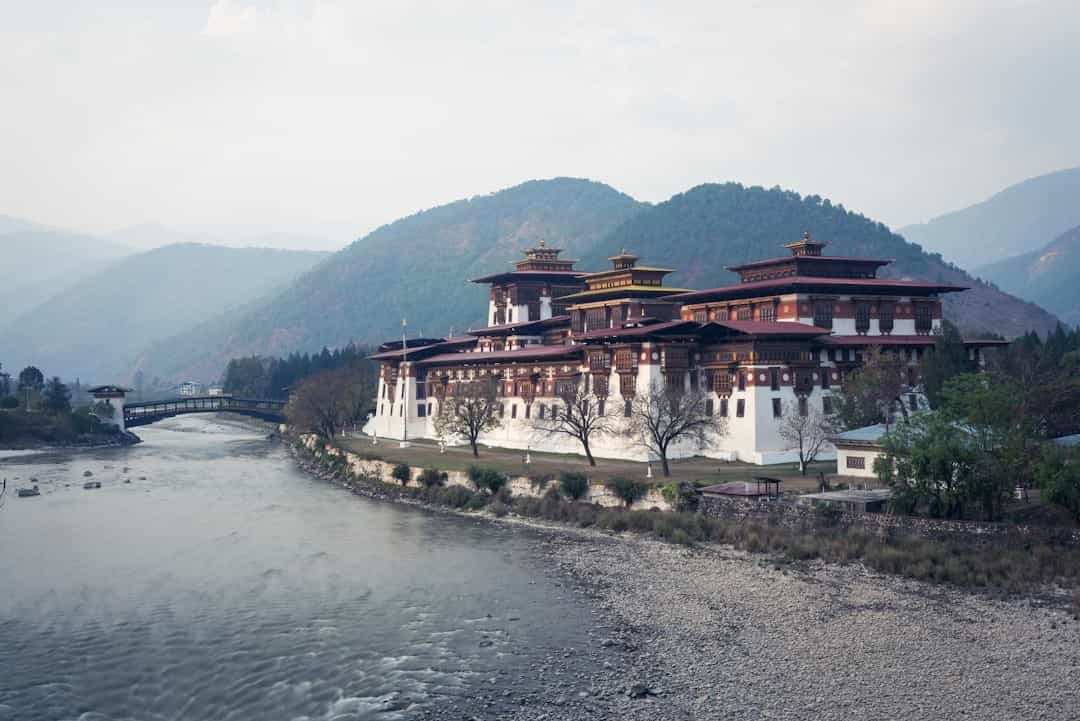
Must-visit attractions include Paro Taktsang (Tiger's Nest) - the iconic cliffside monastery requiring a scenic half-day hike. Punakha Dzong is a stunning fortress at river confluence, while Dochula Pass offers 108 chortens and Himalayan panoramas. Buddha Dordenma in Thimphu provides valley views, and Phobjikha Valley is perfect for black-necked crane spotting (winter) and tranquil walks. Don't miss Chimi Lhakhang fertility temple via village walks, Chele La Pass (highest motorable pass), and Tashichho Dzong in Thimphu. Bumthang valleys offer spiritual sites and traditional culture. The National Museum in Paro showcases Bhutanese heritage. Plan 7-10 days for a classic Paro-Thimphu-Punakha-Phobjikha circuit.
What local food should I try in Bhutan?
Bhutanese cuisine is known for its spiciness and cheese-based dishes. Must-try dishes include Ema Datshi (chilies with cheese - the national dish), Kewa Datshi (potatoes with cheese), and Shamu Datshi (mushrooms with cheese). Try Phaksha Paa (pork with chilies), Jasha Maru (spicy minced chicken), and regional specialties like Hoentay buckwheat dumplings from Haa and Puta buckwheat noodles from Bumthang. Enjoy red rice, suja (butter tea), and local ara (spirit). Bumthang is famous for cheese and honey. Note that Bhutanese food is quite spicy - chilies are considered vegetables, not just spices. Most restaurants also serve Indian, Chinese, and continental options for those preferring milder flavors.
What is the typical budget for a trip to Bhutan from India?
Budget varies significantly based on accommodation and season. The Sustainable Development Fee (SDF) applies per person per night - check current rates as they change. Daily expenses: Budget travelers can spend ₹2,000-4,000 per day (including basic accommodation, local food, local transport). Mid-range travelers should budget ₹5,000-10,000 per day for comfortable hotels, private transport, and mixed dining. Luxury travelers may spend ₹15,000+ per day for premium properties and experiences. Additional costs include permits, transport to/from Bhutan, activities like river rafting (₹2,000-3,000), and shopping. Indian Rupee is widely accepted. Carry cash for rural areas though cards/UPI work in urban centers. Plan for higher costs during festivals and peak seasons.
Is Bhutan safe for tourists and what safety precautions should I take?
Bhutan is extremely safe for tourists with very low crime rates and friendly locals. However, take standard precautions: carry copies of permits and ID as checkpoints are common. Mountain roads can be challenging - use experienced drivers and allow extra time. Some passes exceed 3,000m altitude, so stay hydrated and pace yourself. Weather can change quickly - pack layers and rain gear. Inform someone of trekking plans and carry emergency contacts. Respect local customs at religious sites. Avoid littering and follow eco-friendly practices. Emergency services are available in major towns. Travel insurance is highly recommended. The biggest risks are typically altitude-related discomfort and minor injuries during hikes, both easily preventable with proper preparation.
What cultural etiquette should I follow in Bhutan?
Respect Bhutanese culture by dressing modestly, especially at temples and dzongs - cover shoulders and legs, remove hats and shoes when required. Photography inside religious buildings may be restricted - always ask permission. Walk clockwise around religious monuments and spin prayer wheels clockwise. Avoid pointing feet toward altars or religious objects. Public displays of affection are discouraged. Don't touch someone's head or point with a single finger. When offered food or drink, accept graciously even if just a small taste. Remove shoes before entering homes. Smoking is restricted in many public areas. During festivals, maintain respectful distance from dancers and ceremonies. Learning basic Dzongkha greetings like 'Kuzuzangpo' (hello) is appreciated. Show respect for the monarchy and national symbols.
How many days should I plan for a Bhutan trip?
Plan minimum 5-7 days for a basic introduction covering Paro (Tiger's Nest), Thimphu, and Punakha. An ideal first visit is 7-10 days allowing time for the classic circuit: Paro (2 days for Tiger's Nest and town exploration), Thimphu (2 days for sights and culture), Punakha (2 days for dzong and activities), and Phobjikha Valley (1-2 days for nature). Add 3-4 more days for Bumthang valleys if interested in deeper cultural immersion. Adventure enthusiasts should allow extra time for treks like Druk Path (4-6 days) or multi-day rafting. Consider travel time between valleys (3-5 hours typically) and buffer days for weather delays, especially in winter. Festival periods may require longer stays due to increased activity and celebration schedules.
What should I pack for my Bhutan trip?
Pack in layers for varying altitudes and weather. Year-round essentials: comfortable hiking boots, rain jacket, warm fleece/jacket, sun hat, sunglasses, and sunscreen. Spring/Summer: Light layers, UV protection, light rain shell for afternoon showers. Winter: Heavy down jacket, thermals, gloves, beanie, lip balm, and moisturizer for dry air. Monsoon: Quality rain gear, waterproof shoes, quick-dry clothing, leech socks for forest walks. Always pack: personal medications, copies of permits/ID, power bank, universal adapter, cash in small denominations. For treks: proper hiking gear, headlamp, water purification tablets. Modest clothing for temple visits. Camera with extra batteries (cold weather drains them faster). Consider packing light - laundry services are available in hotels.
What languages are spoken in Bhutan and will I face communication barriers?
Dzongkha is the national language, but English is widely spoken in tourism, hotels, restaurants, and signage, making communication easy for Indian travelers. Most guides, hotel staff, and service providers speak good English. In rural areas, locals may speak regional languages like Nepali or Sharchopkha, but basic English is usually understood. Hindi is also recognized by many locals due to cultural proximity with India. Learning basic Dzongkha phrases like 'Kuzuzangpo' (hello), 'Kadrinche' (thank you), and 'Legso' (goodbye) is appreciated and helps connect with locals. Translation apps can help in remote areas. Restaurant menus and tourist information are typically available in English. Overall, language barriers are minimal for Indian tourists visiting Bhutan.
What can I buy as souvenirs and where are the best shopping areas?
Popular souvenirs include handwoven textiles like Yathra from Bumthang and Kishuthara from Lhuentse, prayer flags, wooden bowls (dappa), thangka paintings, incense, and bamboo crafts. Bhutan's collectible postage stamps and contemporary art prints make unique gifts. Food items include buckwheat products, wild honey, sea buckthorn juice, and lemongrass oil. Best shopping areas: Thimphu's Craft Bazaar and Norzin Lam shops, Centenary Farmers' Market for local produce, Paro Town Market, and Bumthang weaving centers for authentic textiles. Many hotels have curated shops with quality items. Prices are generally fixed in established shops. Support local artisans by buying directly from weaving centers and craft cooperatives. Avoid wildlife products and antiques which may have export restrictions.
Can I use Indian currency in Bhutan and what about digital payments?
Yes, Indian Rupee (INR) is widely accepted alongside Bhutanese Ngultrum (BTN) at par value throughout Bhutan. Carry small denominations (₹10, ₹20, ₹50, ₹100 notes) as larger notes may face acceptance issues in remote areas. ATMs are available in major towns like Thimphu, Paro, and Punakha. Digital payments including UPI, RuPay cards, and major credit/debit cards work at many urban merchants, hotels, and restaurants. However, cash is still king in rural areas, local markets, and for small vendors. Carry sufficient cash for activities like rafting, entrance fees, tips, and shopping in remote locations. Money exchange is available at banks and authorized dealers. Some high-end hotels and restaurants prefer cards for large transactions.
What adventure activities can I do in Bhutan?
Bhutan offers excellent adventure activities for all levels. Trekking options include the famous Druk Path Trek (4-6 days) between Paro and Thimphu, Bumdra overnight trek ending at Tiger's Nest, and the challenging Dagala Thousand Lakes Trek. White-water rafting on Pho Chhu/Mo Chhu rivers near Punakha offers gentle to moderate rapids. Mountain biking around Thimphu and Paro provides scenic farm road adventures. Rock climbing at natural crags like 'The Nose' near Thimphu caters to various skill levels. High-pass day hikes from Chele La and Dochula offer stunning ridge walks. Advanced trekkers can attempt sections of the legendary Snowman or Jomolhari treks. Other activities include archery (national sport), camping under star-filled skies, and nature photography in pristine valleys.
Are there any health concerns or vaccinations needed for Bhutan?
No specific vaccinations are mandatory for Bhutan, but ensure routine vaccines (hepatitis A/B, typhoid, Japanese encephalitis) are current. The main health consideration is altitude - some passes exceed 3,000m, so stay hydrated, ascend gradually, and watch for altitude sickness symptoms. Carry personal medications as pharmacies may be limited in remote areas. Water is generally safe in hotels and restaurants, but consider bottled water for sensitive stomachs. Pack basic first-aid supplies, altitude sickness medication if prone to it, and sun protection for high-altitude UV exposure. Travel insurance with medical evacuation coverage is highly recommended. Hospitals are available in major towns. The dry mountain air can cause dehydration and chapped lips, so drink plenty of water and use moisturizer. Consult your doctor before traveling, especially if you have pre-existing conditions.
What is the weather like throughout the year in Bhutan?
Bhutan's weather varies significantly by altitude and season. Spring (March-May): Pleasant 12-24°C in valleys, blooming rhododendrons, occasional afternoon showers. Summer (June-August): Monsoon season with 15-26°C, frequent rain, lush landscapes. Autumn (September-November): Clear skies, 10-22°C, best mountain views, dry weather perfect for trekking. Winter (December-February): Cold with -2 to 12°C in valleys, snow at higher passes like Dochula and Chele La, crisp clear days. Higher altitudes are always colder - passes can be 10-15°C lower than valleys. Weather changes quickly in mountains, so pack layers regardless of season. Phobjikha and Bumthang valleys are consistently cooler. Best visibility for mountain views is early morning and late autumn/winter months.
Can I attend festivals in Bhutan and how do I plan around them?
Yes, attending Bhutanese festivals (tshechus) is a highlight offering masked dances, music, and cultural immersion. Major festivals include Paro Tshechu (March-April), Thimphu Tshechu (September-October), and Punakha Drubchen (February-March). Festival dates follow the lunar calendar and change yearly, so confirm exact dates when planning. Book accommodations well in advance as hotels fill up quickly during festivals. Arrive early to secure good viewing spots for dances performed in dzong courtyards. Dress respectfully - consider renting traditional gho (men) or kira (women) for photos and cultural respect. Photography of dances is usually allowed but ask permission and avoid flash. Festivals are spiritual events, so maintain respectful behavior. Local guides can explain the significance of different mask dances and rituals, enhancing your cultural understanding.
What are some off-the-beaten-path destinations in Bhutan?
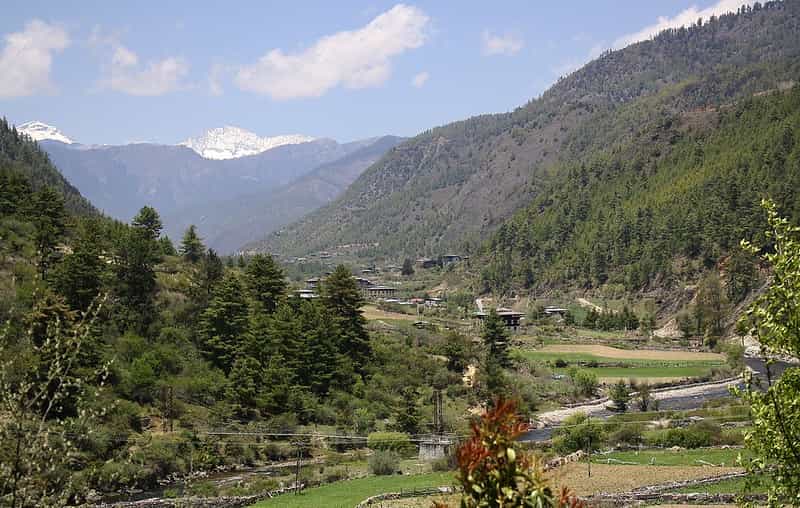
Explore hidden gems beyond the typical tourist circuit. Haa Valley offers quiet hamlets, buckwheat fields, and traditional architecture - perfect for day trips from Paro. Kila Nunnery near Chele La provides serene cliff-perched meditation spots with forest trails. In Bumthang, visit Tang Valley for the Ogyen Choling manor museum and rustic farm stays, or Ura Valley with stone houses and meadows. Khoma Village in Lhuentse is famous for exquisite Kishuthara weaving. The Nabji-Korphu Trail offers community-run treks with rich birdlife. Gasa Hot Springs provide natural terraced pools after hiking. These destinations offer authentic cultural interactions, fewer crowds, and pristine landscapes. Require special permits and advance planning through licensed operators. Best visited with local guides who can arrange homestays and cultural experiences with village communities.
How do I plan transportation between different valleys in Bhutan?
Transportation between valleys requires careful planning due to mountain roads and distances. Typical journey times: Paro-Thimphu (1.5-2 hours), Thimphu-Punakha (3 hours via Dochula Pass), Punakha-Phobjikha (1.5 hours), Phobjikha-Bumthang (4-5 hours). Hire private vehicles with experienced drivers familiar with mountain roads - most comfortable and flexible option. Shared taxis and buses operate on main routes but have fixed schedules. Roads are winding with stunning views but can be challenging - allow buffer time and carry motion sickness medication if needed. Weather can cause delays, especially in winter when passes may have snow. Start early for long journeys to avoid afternoon traffic and enjoy better views. Some hotels arrange transport, or book through licensed tour operators who provide reliable vehicles and drivers knowledgeable about road conditions.
What should I know about Bhutan's unique Gross National Happiness philosophy?
Bhutan's Gross National Happiness (GNH) philosophy prioritizes holistic well-being over pure economic growth, measuring progress through four pillars: sustainable development, cultural preservation, natural environment conservation, and good governance. This philosophy is evident throughout your visit - in the mandated forest coverage (over 70%), architectural preservation requirements, limited tourism policy to prevent over-commercialization, and the genuine warmth of Bhutanese people. The country is carbon-negative, absorbing more CO2 than it produces. Traditional dress is commonly worn, ancient festivals are celebrated with enthusiasm, and development is carefully balanced with environmental protection. As a visitor, you'll experience this through pristine landscapes, authentic cultural encounters, and a general sense of contentment and mindfulness among locals. This philosophy makes Bhutan unique - it's not just a destination but a different approach to life and progress.