Places to visit in Bhutan
Planning a trip to Bhutan? Here is a complete guide to the best places to visit—from popular tourist attractions to offbeat spots you would not find in every guidebook. Get ready to explore, experience, and fall in love with Bhutan!
Top 74 curated places to visit in Bhutan
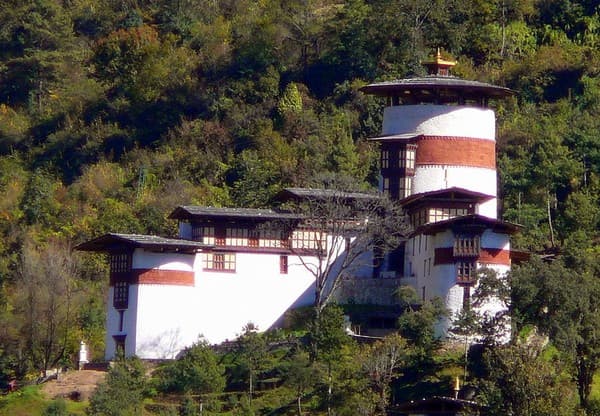
Royal Heritage Museum (Trongsa Ta Dzong)
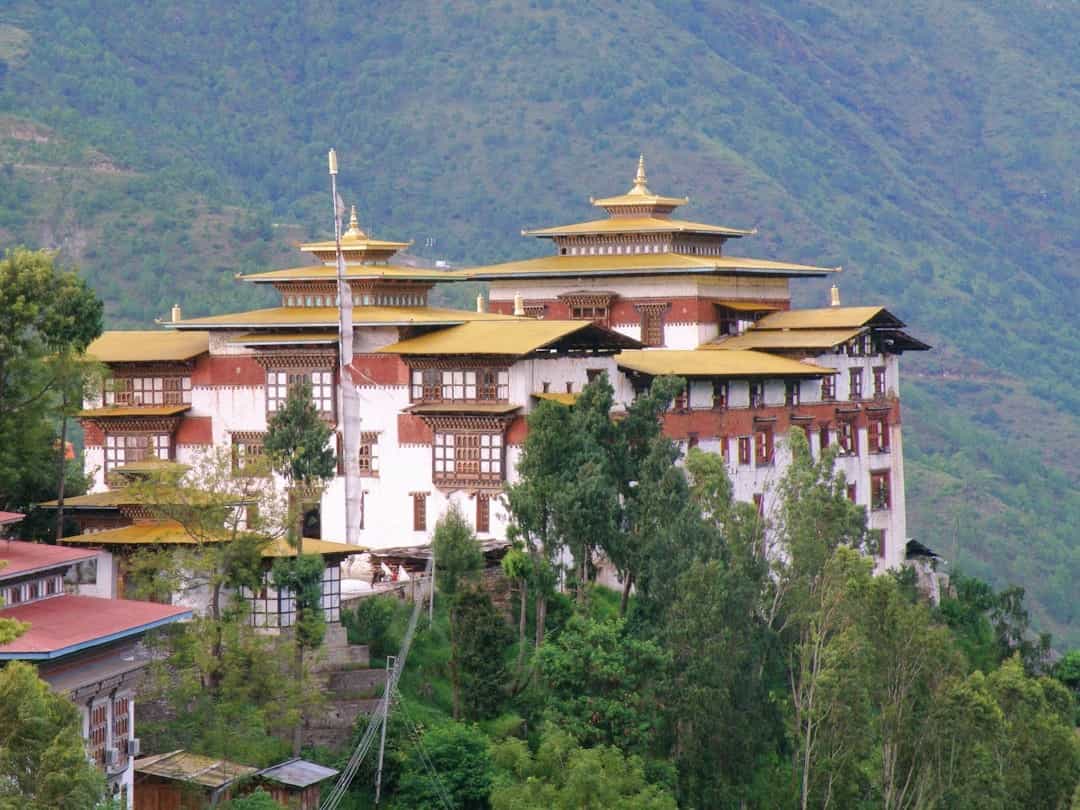
Royal Heritage Museum (Trongsa Ta Dzong) is a 17th‑century watchtower turned museum perched above Trongsa Dzong, central to Bhutan’s political history. The Ta Dzong guarded the strategic Trongsa valley and later became the powerbase for the Wangchuck dynasty that unified modern Bhutan. Its collections preserve royal regalia, historical documents, weapons, religious artefacts and displays that trace Bhutan’s monarchy and local culture.
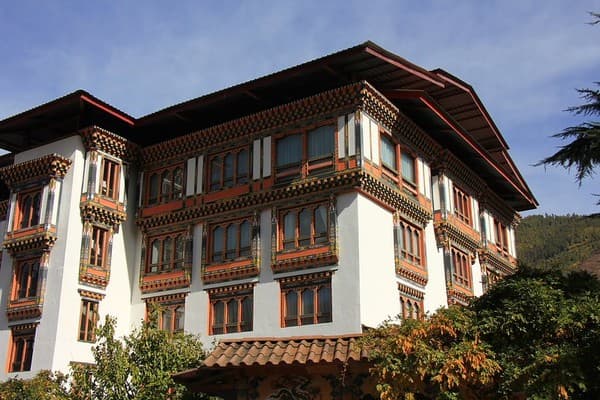
Folk Heritage Museum (Phelchey Toenkhyim)
Folk Heritage Museum (Phelchey Toenkhyim) preserves and interprets rural Bhutanese life, traditional architecture, and everyday material culture. Housed in a restored traditional farmhouse, the museum offers insight into the agricultural and domestic practices that shaped Bhutan's cultural identity—showcasing household objects, farm tools, textiles, and domestic architecture that illustrate continuity and change in village life.
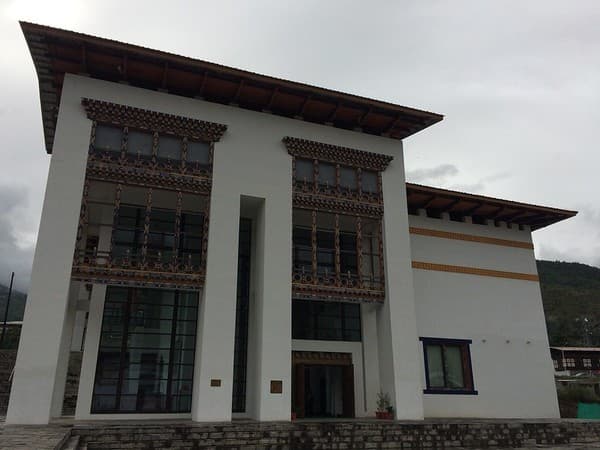
National Textile Museum
The National Textile Museum (Thimphu, Bhutan) preserves, researches and showcases Bhutan’s rich textile heritage — a core element of national identity. Bhutanese textiles are woven into social and religious life: traditional garments (kira and gho), ritual cloths, and ceremonial textiles communicate status, regional identity, and spiritual beliefs. The museum plays a central role in safeguarding heirloom fabrics, traditional techniques (backstrap and floor looms, natural dyeing), and promotes continuity through training and documentation.
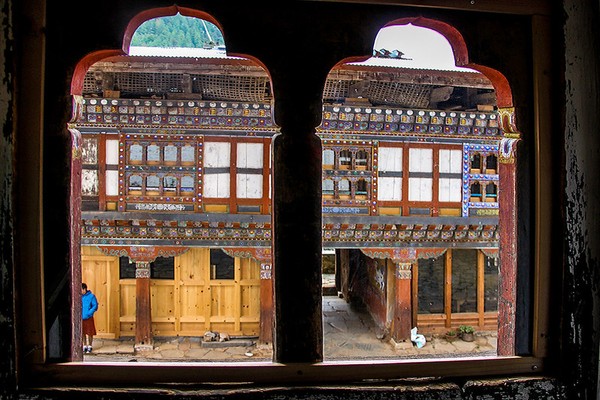
Ogyen Chholing Museum
Ogyen Chholing is a historic ancestral house-turned-museum in Bumthang (near Jakar), Bhutan. It offers a rare, well-preserved example of traditional Bhutanese aristocratic domestic architecture and serves as a repository of local cultural heritage — including household items, ritual objects, textiles, and manuscripts — that illustrate everyday life and religious practice in central Bhutan over the last two centuries.
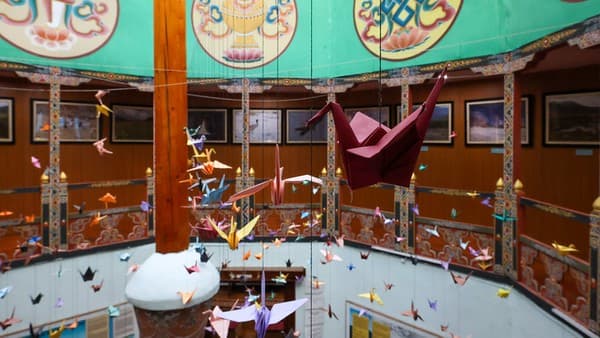
Black-Necked Crane Visitor Centre
The Black-Necked Crane Visitor Centre in Phobjikha (Gangtey) Valley is a focal point for conservation, education and cultural appreciation of the endangered black-necked crane (Grus nigricollis). The site highlights the cranes' ecological importance as a migratory species that winters in Bhutan's high-altitude wetlands, and the valley's role as a key wintering habitat. Culturally, the cranes are revered by local communities and integrated into spiritual life and local identity — their annual arrival is celebrated and protected by villagers and monastery communities.
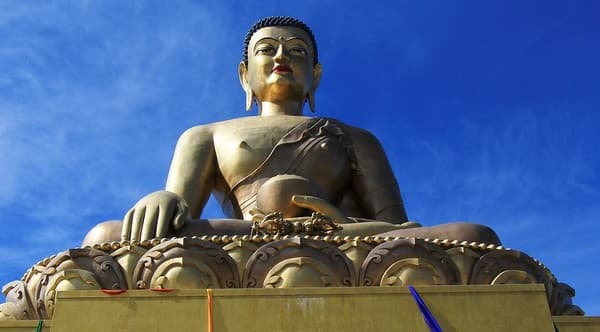
Buddha Dordenma
Buddha Dordenma is a monumental Shakyamuni Buddha statue overlooking Thimphu, Bhutan. It serves as a major religious and cultural landmark symbolizing peace, prosperity, and the spread of Buddha's teachings across the world. Set within Kuenselphodrang Nature Park, the site combines spiritual significance with natural beauty and offers panoramic views of the Thimphu Valley.
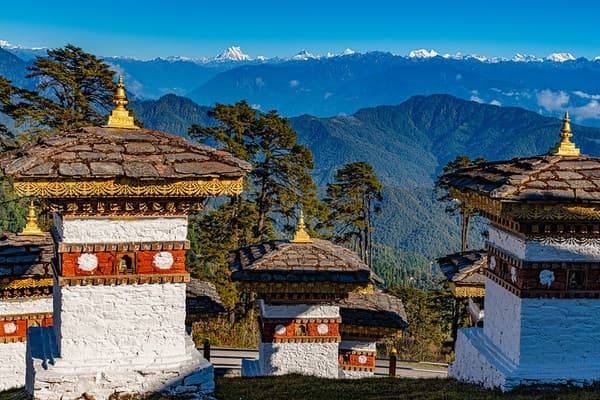
Dochula Pass
Dochula Pass (3,100 m / 10,200 ft) is a mountain pass in Bhutan on the road from Thimphu to Punakha. It holds national significance as a symbol of Bhutanese resilience and peace; the 108 Druk Wangyal Chortens (stupas) at the pass were built by the eldest Queen Mother, Her Majesty Ashi Dorji Wangmo Wangchuck, in memory of Bhutanese soldiers who fell in the 2003 conflict. The pass offers panoramic Himalayan views and is a cultural landmark for both locals and visitors.
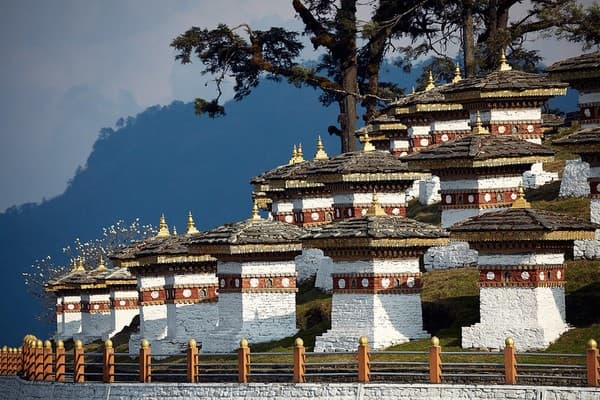
Druk Wangyel Chortens (108 chortens)
Druk Wangyel Chortens (108 chortens) at Dochula Pass were constructed in 2003–2004 by Her Majesty the Queen Mother, Ashi Dorji Wangmo Wangchuck, as a memorial to Bhutanese soldiers who died in the military operations against insurgent groups and to celebrate the resilience and unity of the nation. The site combines deep Buddhist symbolism (the sacred number 108) with national modern history, making it both a spiritual and commemorative landmark.
Chele La Pass
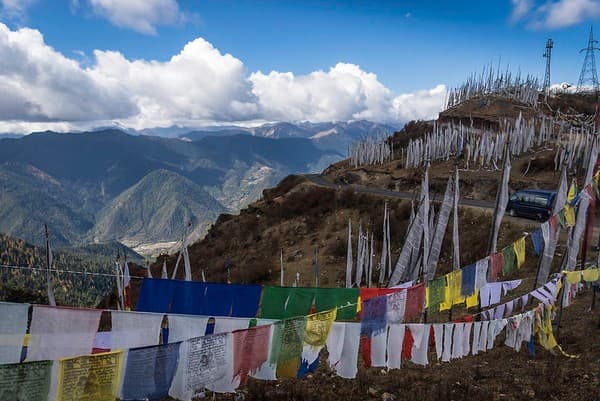
Chele La Pass (approx. 3,988 m / 13,080 ft) is one of Bhutan's highest motorable passes and is valued primarily for its striking natural importance. It forms a scenic high-altitude corridor between the Paro and Haa valleys and is prized for panoramic Himalayan views, extensive rhododendron forests, alpine meadows and rich birdlife. The pass is a highlight for nature lovers and photographers exploring western Bhutan and offers a dramatic change of landscape between the valleys.
Pele La Pass
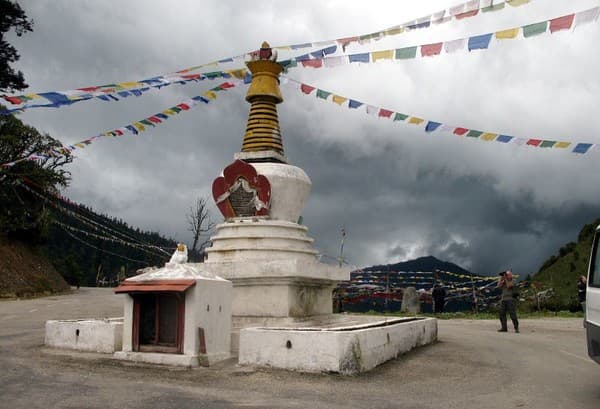
Pele La (Pele Pass) is a mountain pass on the main east–west highway in central Bhutan connecting the districts around Wangdue Phodrang and Trongsa. It forms an important natural corridor through Bhutan's rugged terrain and is valued for its scenic vistas, high-altitude ecosystems, and as a traditional route used by locals. The pass lies within an area known for rhododendron forests, alpine flora, and views of distant Himalayan peaks on clear days. Culturally, it features prayer flags and small chortens (stupas) that reflect Bhutanese Buddhist traditions and the practice of blessing mountain passes for safe travel.
Phobjikha Valley
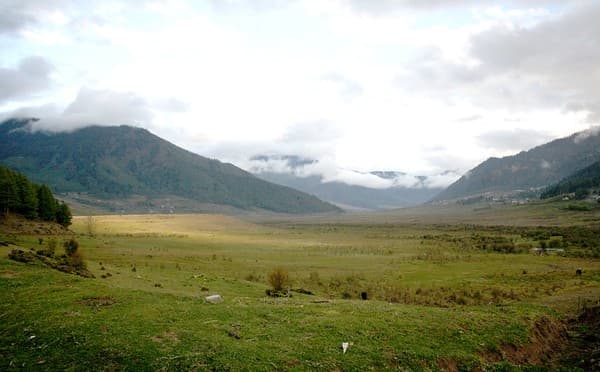
Phobjikha Valley (also spelled Phobjika) is a large glacial valley in central Bhutan (Wangdue Phodrang district). It is of outstanding natural importance as a wintering ground for the endangered black-necked crane (Grus nigricollis), which migrate from the Tibetan Plateau each year. The valley is also culturally significant: it is home to the 17th-century Gangtey (Gangtey Goenpa) Monastery, a major center of the Nyingmapa tradition. The valley forms part of a community-based conservation area connected to Jigme Singye Wangchuck National Park and exemplifies Bhutan’s integrated approach to biodiversity conservation and cultural preservation.
Haa Valley
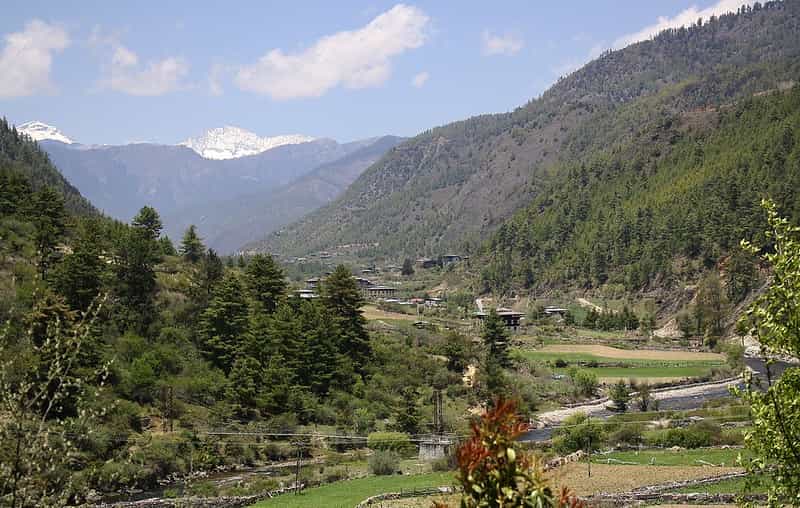
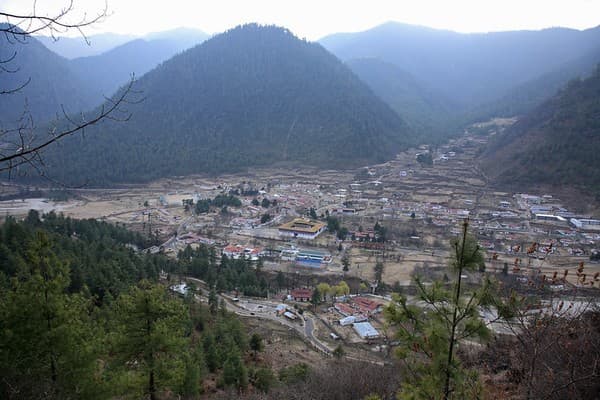
Haa Valley is a remote, high-altitude valley in western Bhutan known for its well-preserved traditional Bhutani culture, ancient temples, and pristine natural environment. The valley has historically served as an agricultural and pastoral community with strong ties to Bhutanese Buddhist practice. Its isolation helped maintain traditional lifestyles, architecture, and festivals that showcase rural Bhutanese heritage.
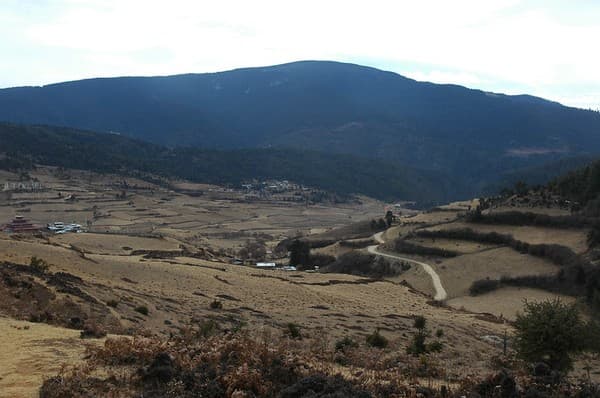
Ura Valley
Ura Valley (in Bumthang, central Bhutan) is a high-altitude rural basin known as part of Bhutan's spiritual and cultural heartland. The valley's importance comes from its traditional architecture, ancient lhakhangs (temples), and role in preserving Bhutanese rural life, crafts, and agricultural practices. Its landscapes—terraced fields, alpine meadows, and surrounding pine and rhododendron forests—make it significant for natural diversity and scenic vistas.
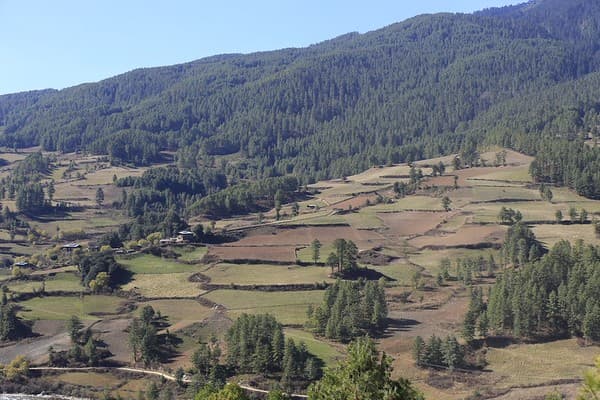
Tang Valley
Tang Valley in Bumthang District, central Bhutan, is an area of high cultural and natural importance. It is part of the larger Bumthang region — the spiritual heartland of Bhutan — known for its ancient temples, monasteries, and deep connections to Bhutanese Buddhism. The valley's landscapes of alpine meadows, conifer forests, and clear streams support pastoral lifestyles, traditional farming, and seasonal yak grazing. Tang is also important for pilgrimage: it contains several sacred sites connected to the renowned 15th–16th-century treasure-finder and saint Pema Lingpa.
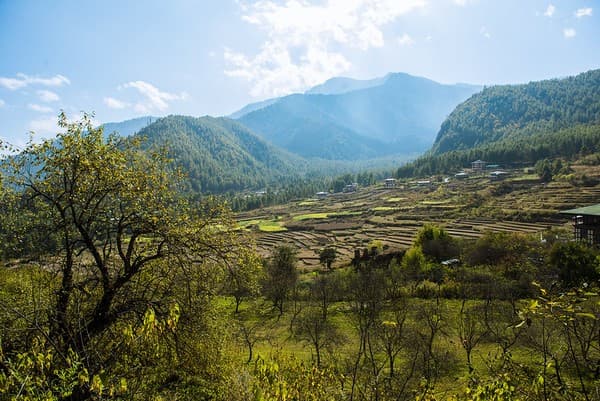
Bumthang Valley
Bumthang Valley (also called Bumthang District's Choekhor Valley) is the spiritual heartland of Bhutan — a compact highland basin of temples, dzongs and monasteries central to the development of Bhutanese Buddhism. It is home to many of the country's oldest religious sites and pilgrimage circuits, and is famed for its pastoral landscapes, apple orchards, rhododendron forests and high-altitude meadows.
Historically and culturally, Bumthang contains relics and monasteries associated with important figures such as Guru Padmasambhava (Guru Rinpoche) and the revered Bhutanese terton Pema Lingpa. The valley's historic monasteries and dzongs have played a continuous role in Bhutanese religious life and local governance for centuries.
Naturally, Bumthang's alpine environment, seasonal wildflowers and birdlife make it a distinct ecological zone within Bhutan — a mix of fertile valley farmland surrounded by high ridges, with clear streams and several sacred pools and lakes.
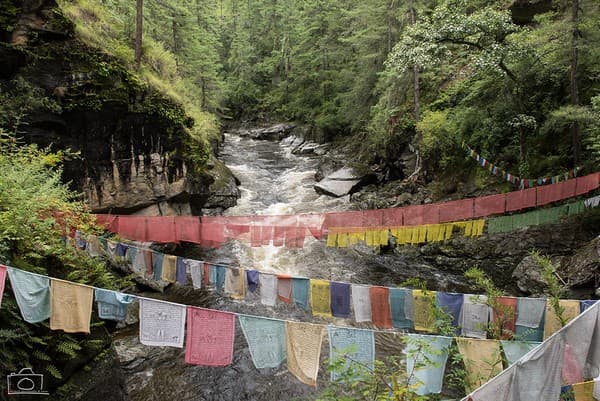
Mebar Tsho (Burning Lake)
Mebar Tsho (Burning Lake) in Tang Valley, Bumthang, Bhutan, is a deeply sacred pilgrimage site and an important cultural landmark. The lake is famed for its association with the tertön Pema Lingpa, who is said to have discovered hidden Buddhist treasures (terma) there. The site's spiritual importance makes it a focal point for local devotion, rituals, and meditation, while the setting — a clear pool in a rocky gorge fed by mountain streams — gives it notable natural beauty.
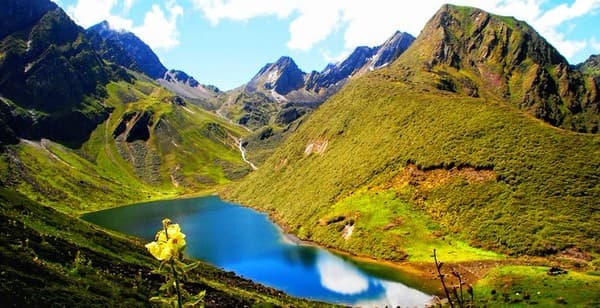
Dagala Thousand Lakes
Natural importance: The Dagala 'Thousand Lakes' area (Dagala Tsho) is a high-altitude glacial and alpine-lake landscape west of Thimphu, Bhutan. It is valued for its glacially-carved tarns, highland meadows, rhododendron forests and its role in local pastoralism. The lakes and surrounding wetlands support alpine flora and fauna and contribute to downstream water systems.
Cultural importance: While not a major historical temple complex, the lakes are woven into local beliefs and reverence for mountain deities. Shepherding communities and seasonal yak herders use the pastures, and the area features in local storytelling and spiritual practice.
Unique conservation role: The region acts as a natural water reservoir and is increasingly appreciated for biodiversity and climate-change research at high altitudes.
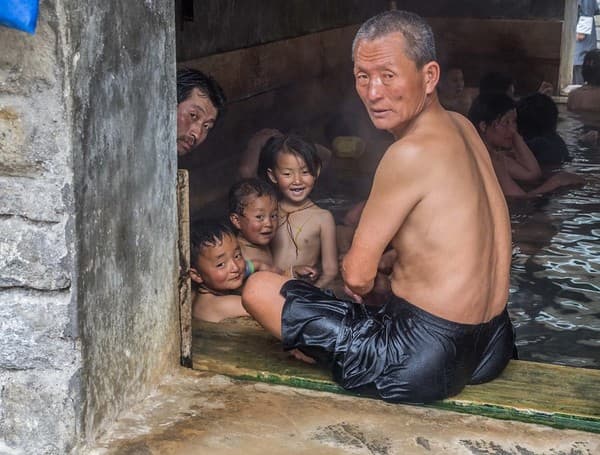
Gasa Hot Springs (Tshachu)
Gasa Hot Springs (Tshachu) is a culturally and naturally significant site in northern Bhutan. The geothermal springs have been used for centuries by local communities for their believed therapeutic properties, particularly for treating skin conditions, rheumatism, and other ailments. The site is also a pilgrimage destination with strong ties to Bhutanese Buddhism and local spiritual practices. Set within the remote, pristine alpine environment of Gasa District, the springs are surrounded by coniferous forests, rivers and highland pastures, contributing to the area's natural and ecological importance.
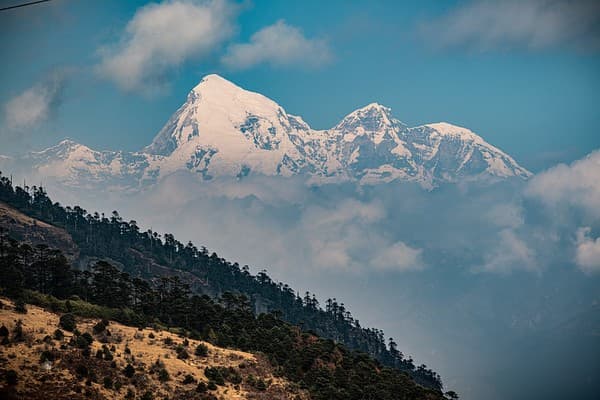
Mount Jomolhari
Mount Jomolhari (Chomolhari) is one of Bhutan's most sacred and iconic peaks, straddling the Bhutan–Tibet border. Revered in Bhutanese and Tibetan Buddhism, it is considered the abode of a protective mountain deity (the ‘White Goddess’). The mountain has long held spiritual significance for local communities and pilgrims; many monasteries and chortens in the surrounding valleys contain stories and rituals connected to the peak. Natural importance includes high‑altitude ecosystems, glacial features, and habitat for rare alpine wildlife such as the snow leopard and Himalayan blue sheep.
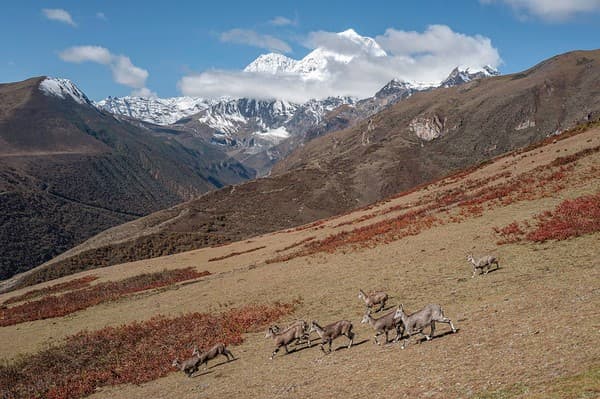
Jigme Dorji National Park
Jigme Dorji National Park (JDNP) is one of Bhutan's most important protected areas — established in 1974 and named for King Jigme Dorji Wangchuck. Covering roughly 4,300–4,400 km², it protects a vast altitudinal range (low river valleys to glaciated peaks) and is critical for conserving Himalayan biodiversity and watersheds that feed major rivers. The park links important biological corridors and supports traditional high‑altitude pastoralist communities.
Its natural importance includes habitat for high‑altitude species and extensive glacier systems; culturally, many peaks and valleys within the park are considered sacred by local communities and are associated with spiritual traditions.