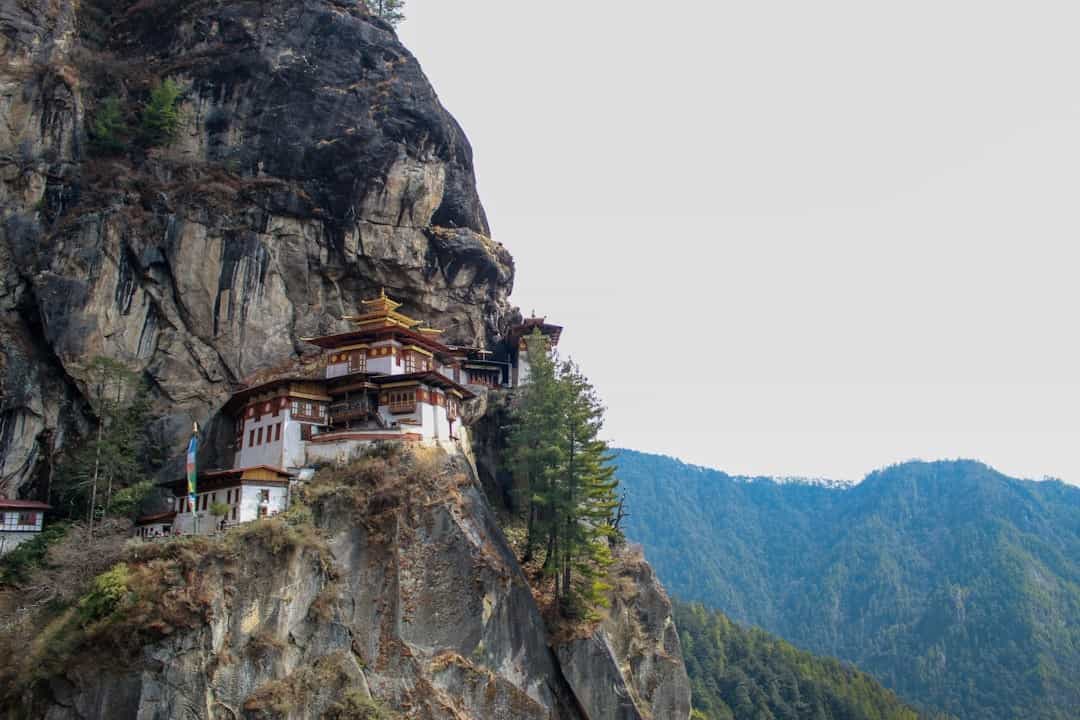
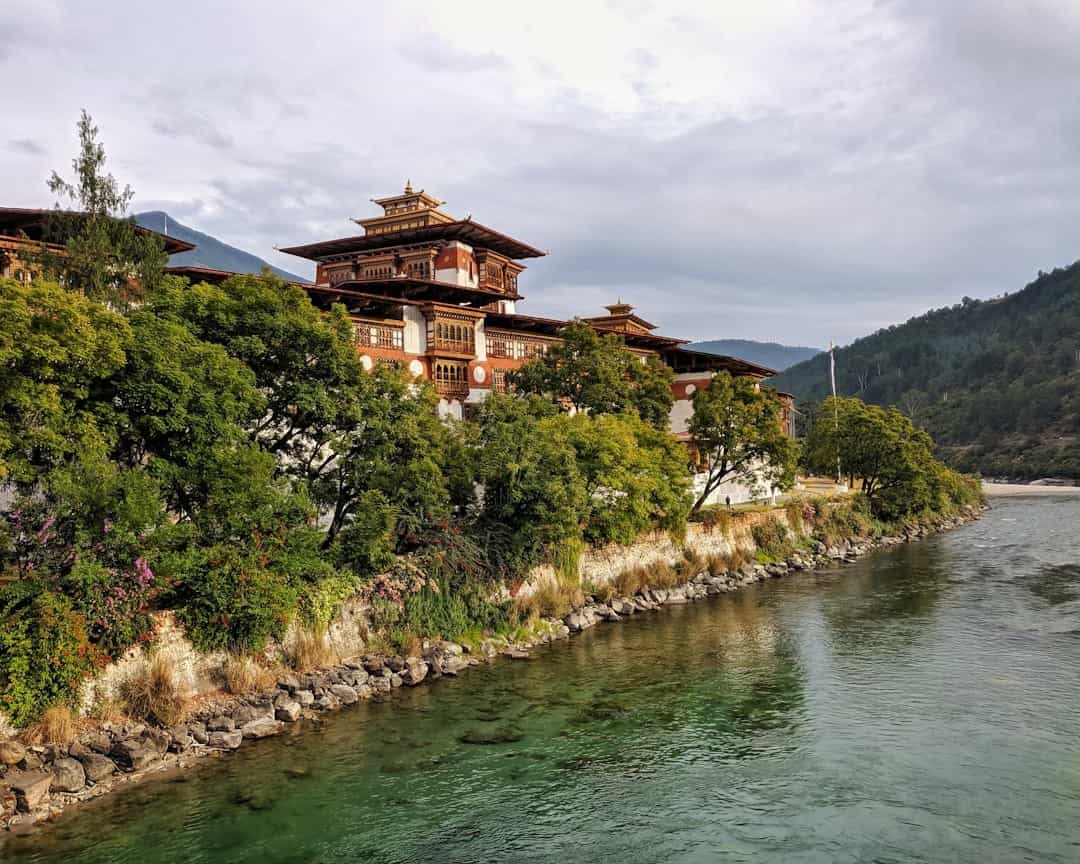
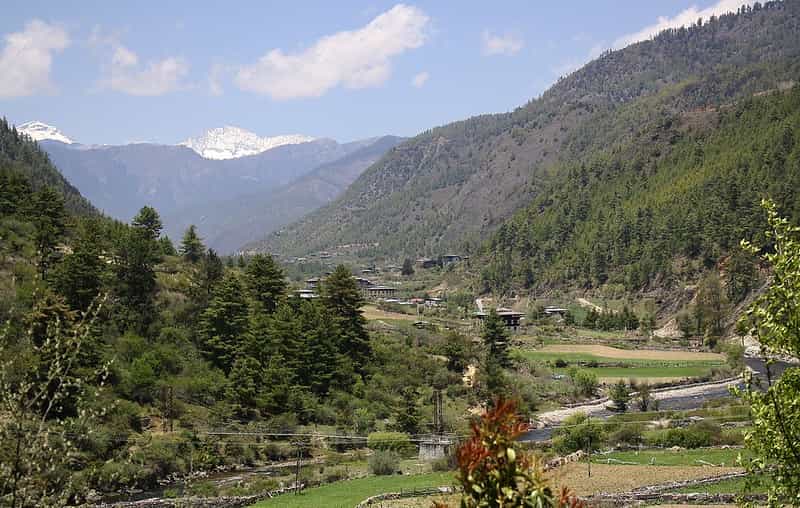
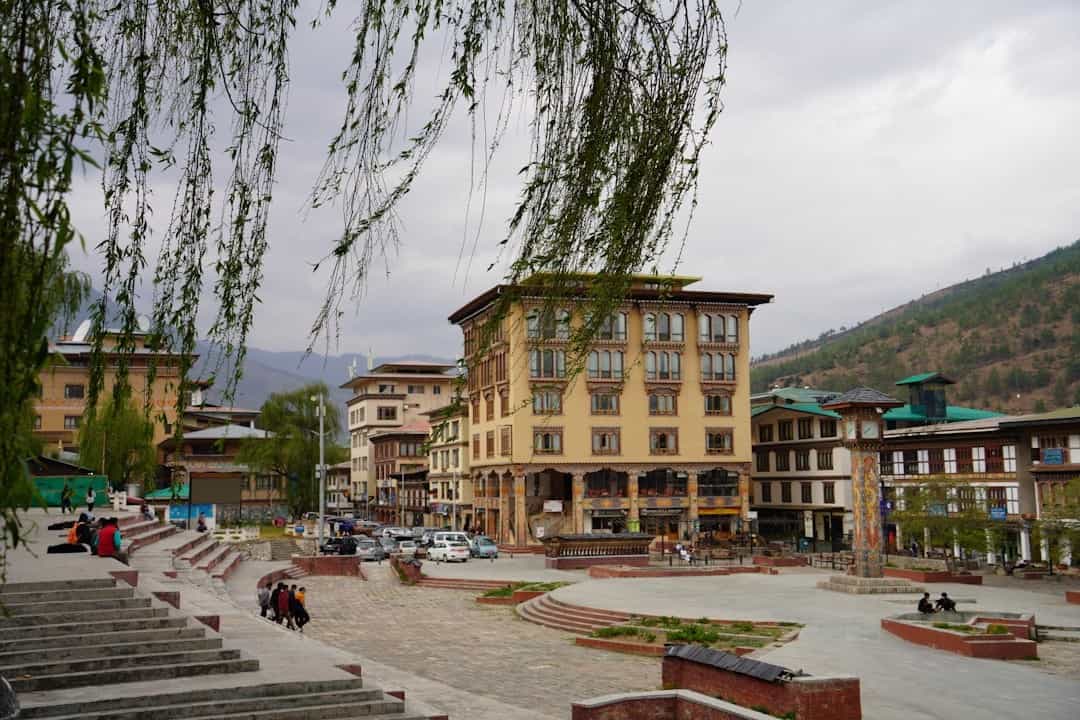
Phobjikha Valley, Bhutan
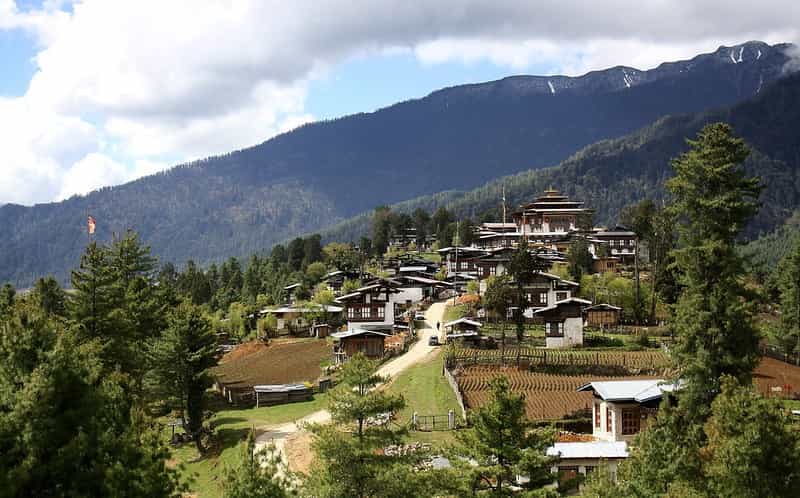
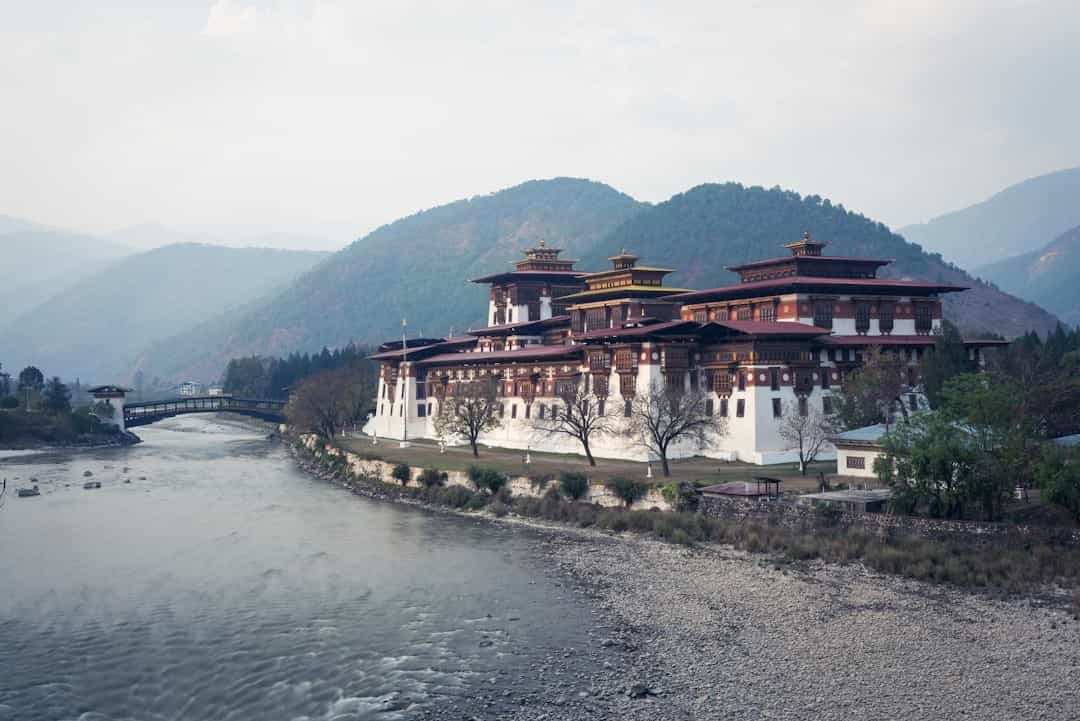
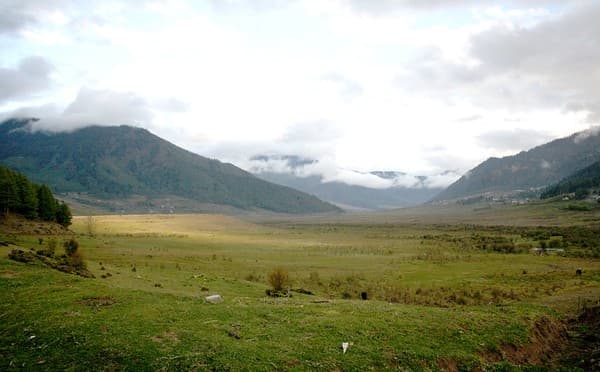
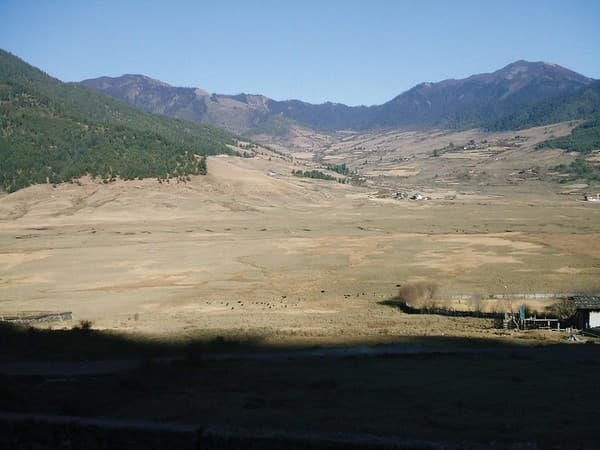
Phobjikha Valley (also spelled Phobjika) is a large glacial valley in central Bhutan (Wangdue Phodrang district). It is of outstanding natural importance as a wintering ground for the endangered black-necked crane (Grus nigricollis), which migrate from the Tibetan Plateau each year. The valley is also culturally significant: it is home to the 17th-century Gangtey (Gangtey Goenpa) Monastery, a major center of the Nyingmapa tradition. The valley forms part of a community-based conservation area connected to Jigme Singye Wangchuck National Park and exemplifies Bhutan’s integrated approach to biodiversity conservation and cultural preservation.
Last updated: 22 Jan 2026
Places to visit
- Gangtey (Gangtey Goenpa) Monastery – a central cultural site with traditional Bhutanese paintings and a commanding view of the valley
- Black-necked Crane Reserve and Viewing Areas – prime spots for observing cranes during winter (approx. November–February)
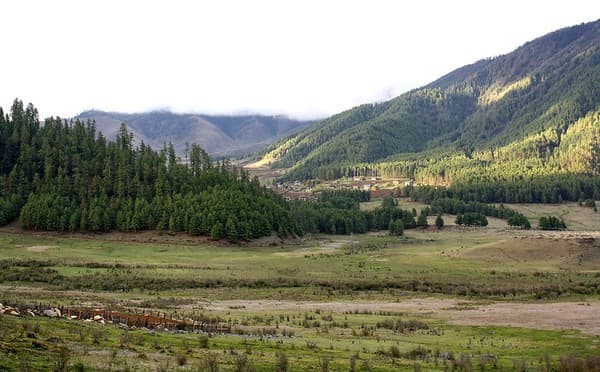
- Phobjikha Valley scenic viewpoints – panoramic vistas of the bowl-shaped valley, wetlands and surrounding peaks
- Gangtey Nature Trail – an accessible walk through wetlands, pine forests and villages
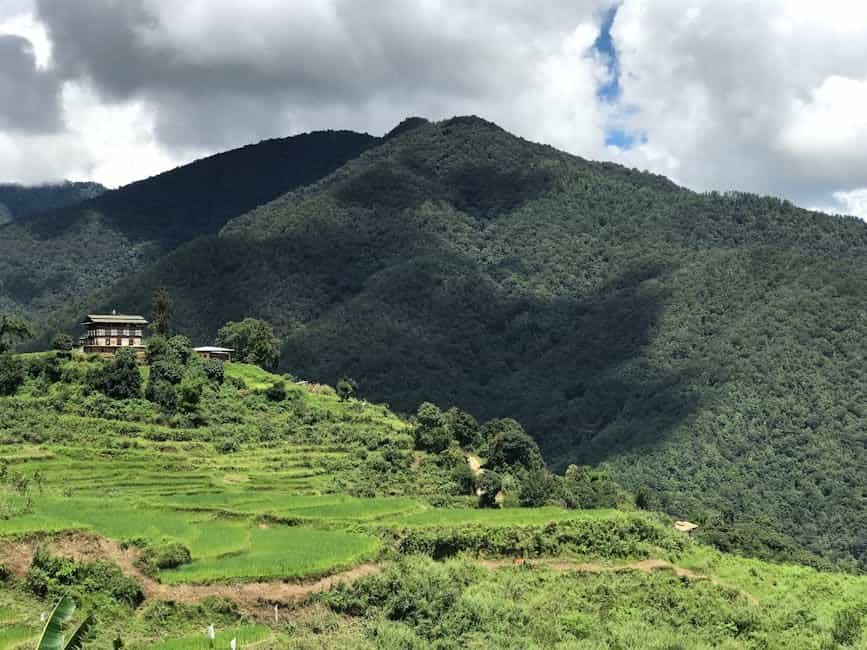
- Local villages and homestays – experience traditional wooden houses, crafts and agriculture
Unique Aspects
- Large seasonal wetlands and peatlands that support cranes and other wildlife
- Moraine and glacially-carved valley floor creating a distinctive bowl-like landscape
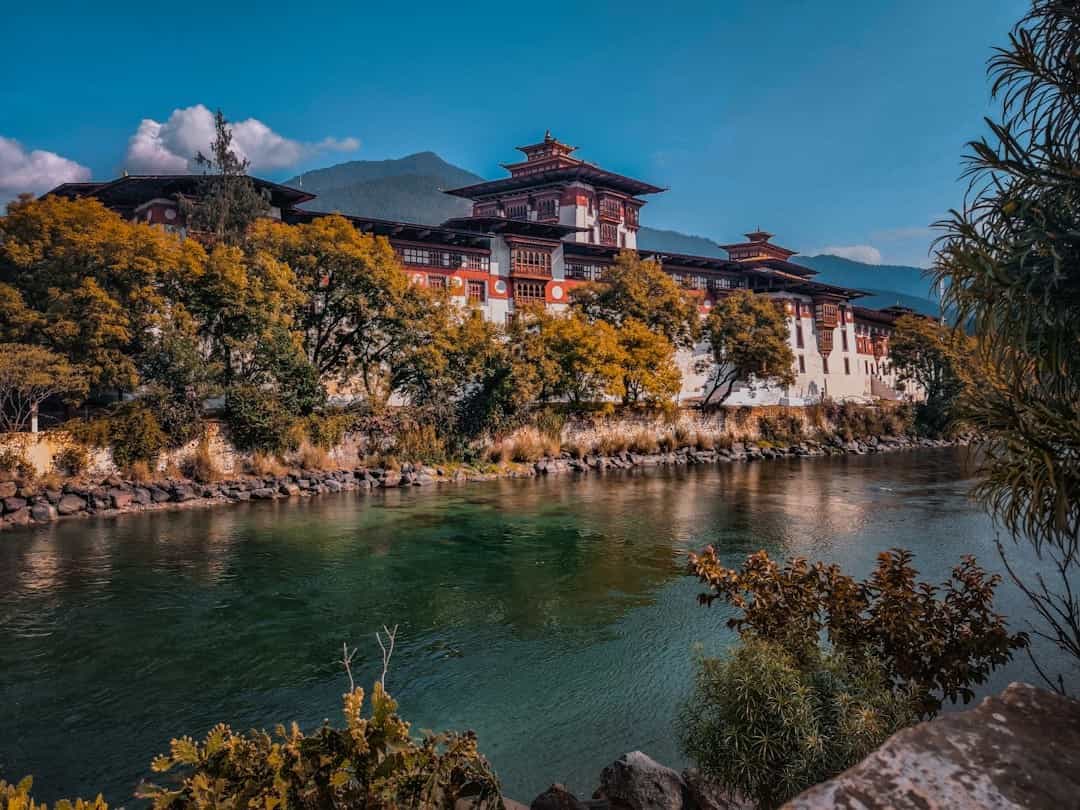
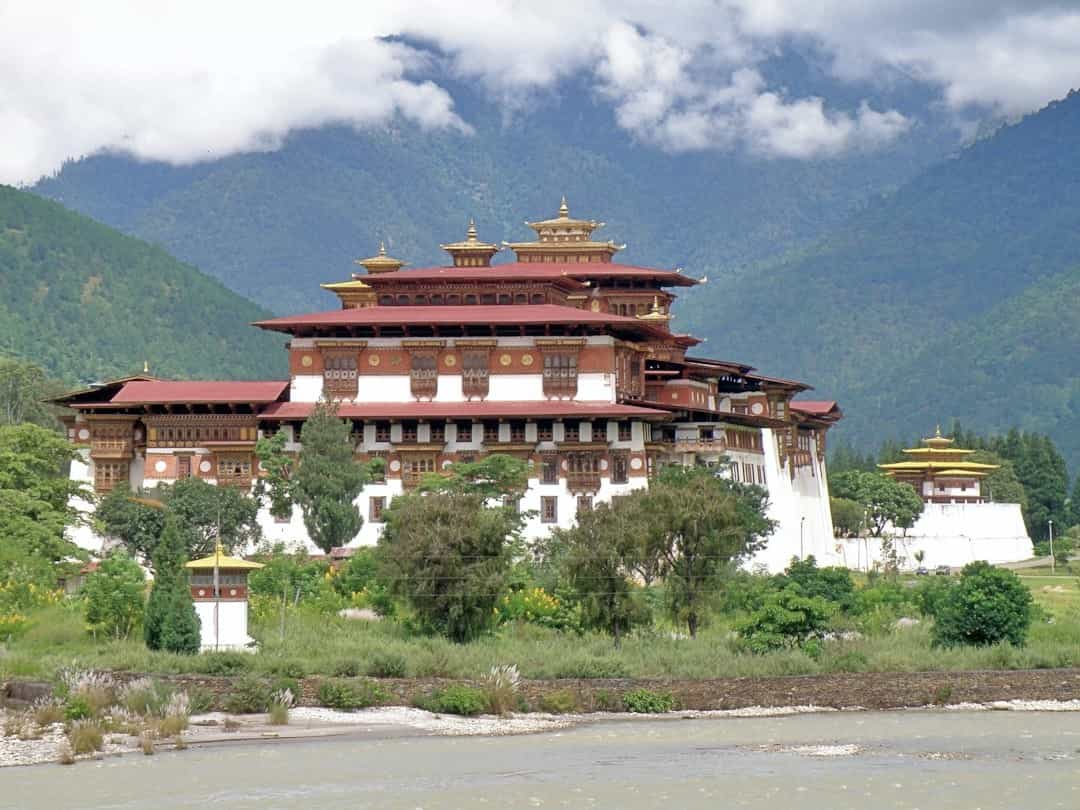
- Traditional Bhutanese architecture at Gangtey Monastery and vernacular farmhouses
- High-altitude grasslands and mixed conifer forests with diverse birdlife
Things to do
- Black-necked crane watching (guided or from designated viewpoints)
- Guided nature walks (e.g., Gangtey Nature Trail) and short hikes around the valley
- Visiting Gangtey Monastery and attending morning prayers (respectful observation)
- Photography and landscape/bird photography
- Cultural experiences: homestays, meeting local farmers, sampling regional food
- Cycling on valley roads (seasonal) and gentle day treks to nearby passes
Best Time to Visit
November to February for crane-watching (peak in November–January). For milder weather and clearer roads, September–October and March–May are good alternatives for hiking and landscapes. Avoid the heaviest monsoon months (June–August) when landslides and road disruptions are more likely.
Weather Conditions
High-altitude valley climate: cold winters (below freezing at night) with frost and occasional snow; mild, pleasant days in shoulder seasons; rainy and humid during the monsoon. Day–night temperature swings can be large — pack warm layers.
Accessibility
Phobjikha is accessible by road from Thimphu (approx. 2.5–3.5 hours) and Paro (approx. 3–4 hours) depending on road conditions. The valley is in Wangdue Phodrang district; public buses run to nearby towns but many visitors travel via private/tour operators’ vehicles. Roads are mountainous and can be affected by weather — a reputable driver and flexible schedule are recommended.
Recommended Duration
1–2 full days to explore the valley and visit Gangtey Monastery; 2–3 days if you want relaxed birdwatching, hikes and a homestay experience.
Clothing & Gear Tips
Warm layered clothing (thermal base layers, fleece, insulated jacket), waterproof shell for rain, sturdy hiking boots, hat and gloves for cold mornings/evenings, sunglasses and sunblock for high-altitude sun. Binoculars and a telephoto lens for crane/bird photography. Basic first-aid and altitude-awareness items (e.g., hydration, mild altitude medication if sensitive).
Local Food & Souvenirs
Try local dishes such as ema datshi (chili and cheese), buckwheat pancakes, yak/dairy products and local seasonal vegetables. Souvenirs include handwoven textiles, prayer flags, wooden carvings, local honey and traditional Bhutanese handicrafts. Support community shops and artisans to help local conservation efforts.