National Textile Museum, Bhutan
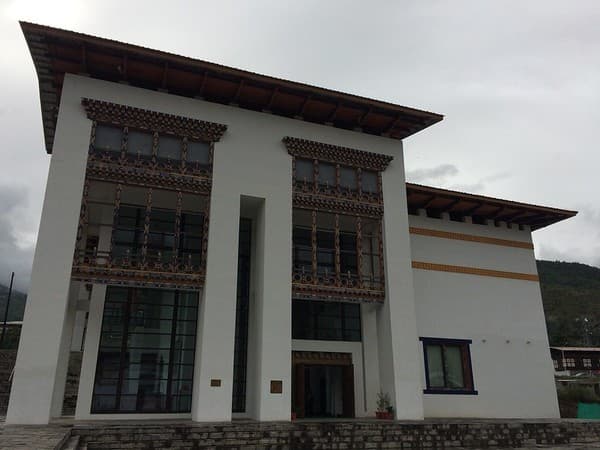
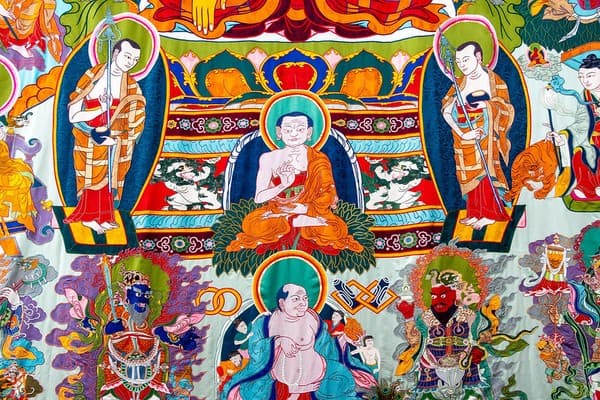
The National Textile Museum (Thimphu, Bhutan) preserves, researches and showcases Bhutan’s rich textile heritage — a core element of national identity. Bhutanese textiles are woven into social and religious life: traditional garments (kira and gho), ritual cloths, and ceremonial textiles communicate status, regional identity, and spiritual beliefs. The museum plays a central role in safeguarding heirloom fabrics, traditional techniques (backstrap and floor looms, natural dyeing), and promotes continuity through training and documentation.
Last updated: 22 Jan 2026
Places to visit
- Permanent galleries of regional and ceremonial textiles
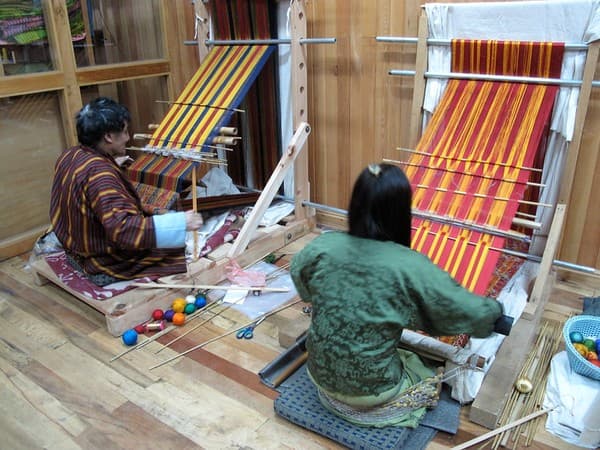
- Weaving demonstrations and live looms
- Special exhibitions on dyeing, motifs and conservation
- Collection of heirloom garments and ritual cloths
- Museum shop selling authenticated handwoven items
Unique Aspects
- Extensive collection of kira, gho and ceremonial textiles
- Displays explaining natural-dyeing processes and plant sources
- Working looms and demonstration area where visitors can meet master weavers
- Interpretive labels detailing motifs, weaving techniques and regional styles
- Conservation and research programs that document and catalogue rare pieces
Things to do
- Guided tours explaining the symbolism and techniques behind Bhutanese textiles
- Watching live weaving demonstrations and dyeing displays
- Short weaving workshops for beginners (subject to availability)
- Visiting the museum shop to buy certified handwoven textiles and small souvenirs
- Photography in permitted areas and attending curator talks or temporary exhibitions
Best Time to Visit
Year-round, with pleasant weather in spring (March–May) and autumn (September–November). Visit during Thimphu Tshechu (usually Sept/Oct) to see textiles in active cultural use.
Weather Conditions
Thimphu has a temperate climate: cool winters (Nov–Feb), mild wet summers (Jun–Aug) and comfortable spring/autumn. Dress in layers and expect chilly mornings/evenings, especially in winter.
Entry Fees & Permits
The museum generally charges a modest admission fee and operates during daytime hours (commonly around 9:00–17:00). Exact ticket prices, opening days and hours can change — check the museum’s official sources or inquire locally upon arrival for up-to-date information.
Accessibility
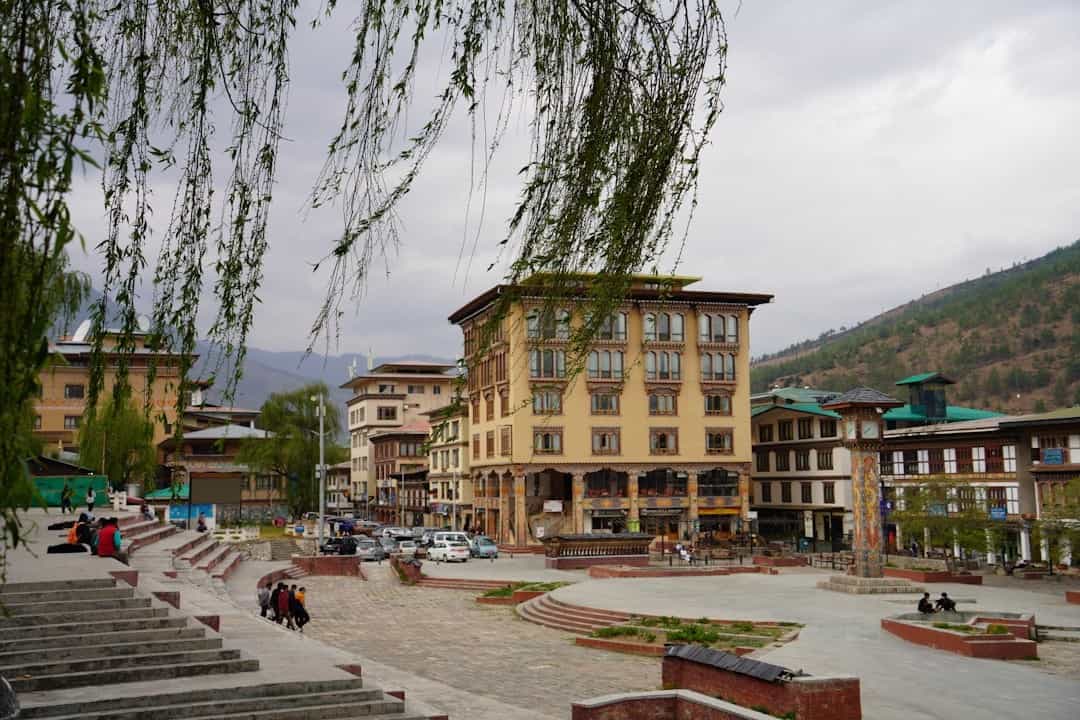
Located in Thimphu near the Clock Tower Square area, the museum is accessible by taxi or on foot from nearby central hotels. Public transport in Thimphu is limited; taxis and hotel transfers are most convenient. Some galleries may have limited wheelchair access due to historic building layout — contact the museum ahead for specific accessibility needs.
Recommended Duration
Plan for 1–2 hours to view the main galleries and demonstrations; allow longer (3+ hours) if joining a workshop or in-depth guided tour.
Clothing & Gear Tips
Wear comfortable shoes for walking and layered clothing for variable temperatures. If participating in hands-on workshops, avoid delicate clothing that could catch on a loom.
Local Food & Souvenirs
Try Bhutanese specialties nearby such as ema datshi (chili-cheese stew), momos (dumplings) and butter tea. Souvenirs to look for: handwoven scarves, kira panels, traditional belts and certified small textile pieces sold at the museum shop. Ask for provenance/certification for authenticity.