Places to visit in Bhutan
Planning a trip to Bhutan? Here is a complete guide to the best places to visit—from popular tourist attractions to offbeat spots you would not find in every guidebook. Get ready to explore, experience, and fall in love with Bhutan!
Top 74 curated places to visit in Bhutan
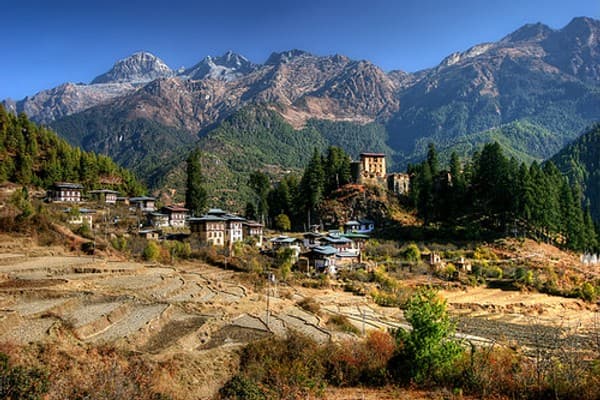
Drukgyel Dzong
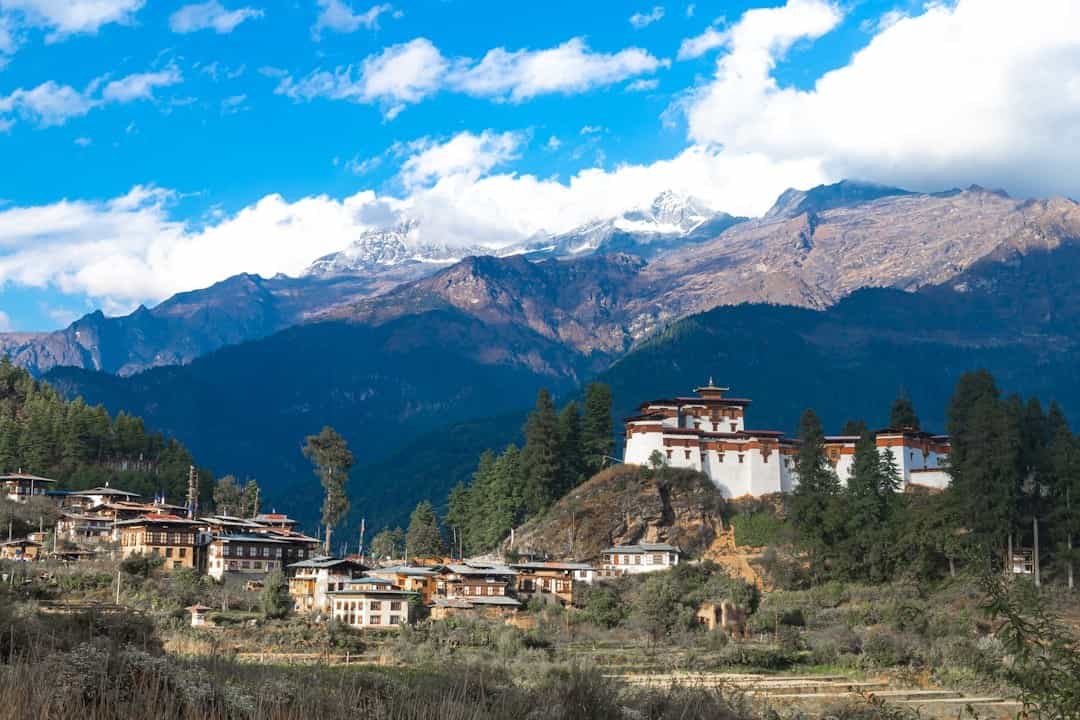
Drukgyel Dzong (also Drukgyel Drungkhag) is a 17th-century fortress and Buddhist monastery located in the upper Paro Valley of Bhutan. Founded in 1649 by Zhabdrung Ngawang Namgyal, it commemorates the Bhutanese victory over Tibetan invaders. The dzong served both as a military stronghold and an administrative center. Though partly ruined by fire in 1951, the site remains symbolically important to Bhutanese national identity as a monument to resistance and unity. Its strategic location overlooking the Paro valley and views of Mount Jomolhari add natural and scenic significance.
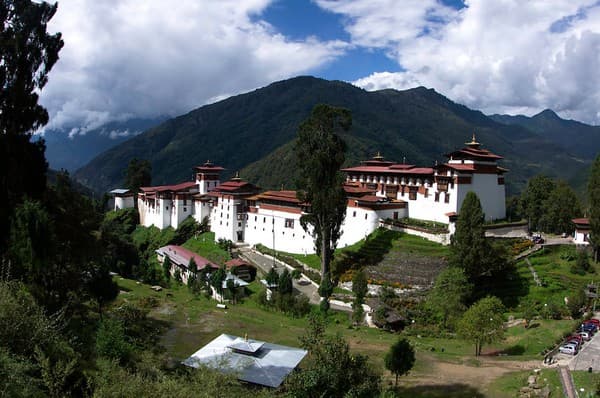
Trongsa Dzong
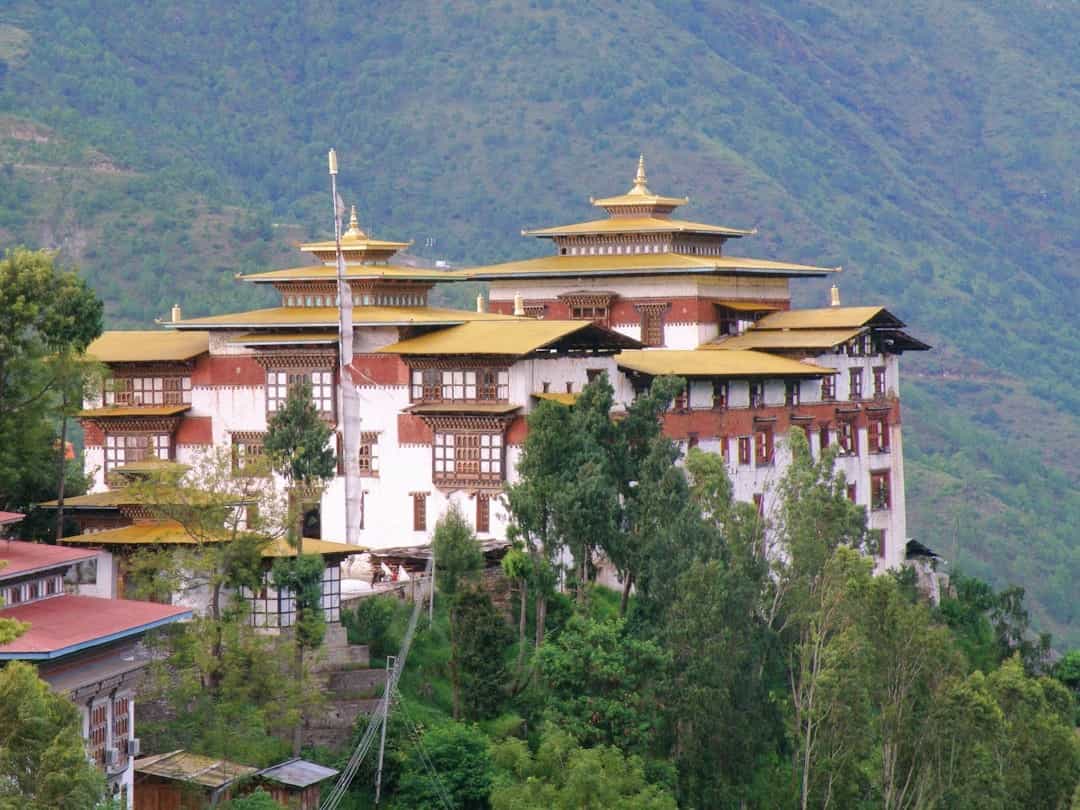
Trongsa Dzong is one of Bhutan's most historically and politically significant fortresses. Perched on a ridge overlooking the Mangde Chhu gorge in central Bhutan, it served as the ancestral seat of the Wangchuck dynasty and the strategic stronghold controlling east–west communications. Built in the 17th century by local governors and expanded over time, the dzong has been central to Bhutanese administration, religion and the succession of rulers—the post of Trongsa Penlop was traditionally the stepping stone to the Bhutanese throne.
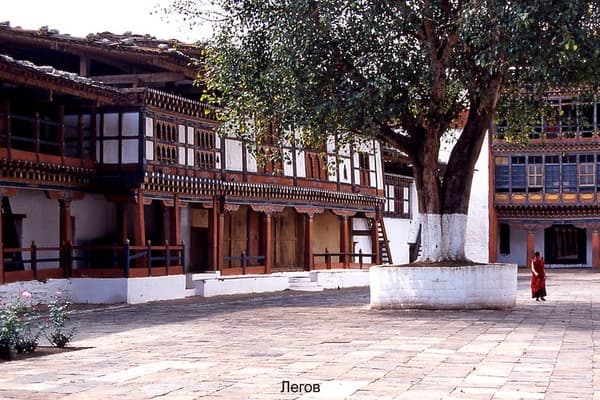
Wangdue Phodrang Dzong
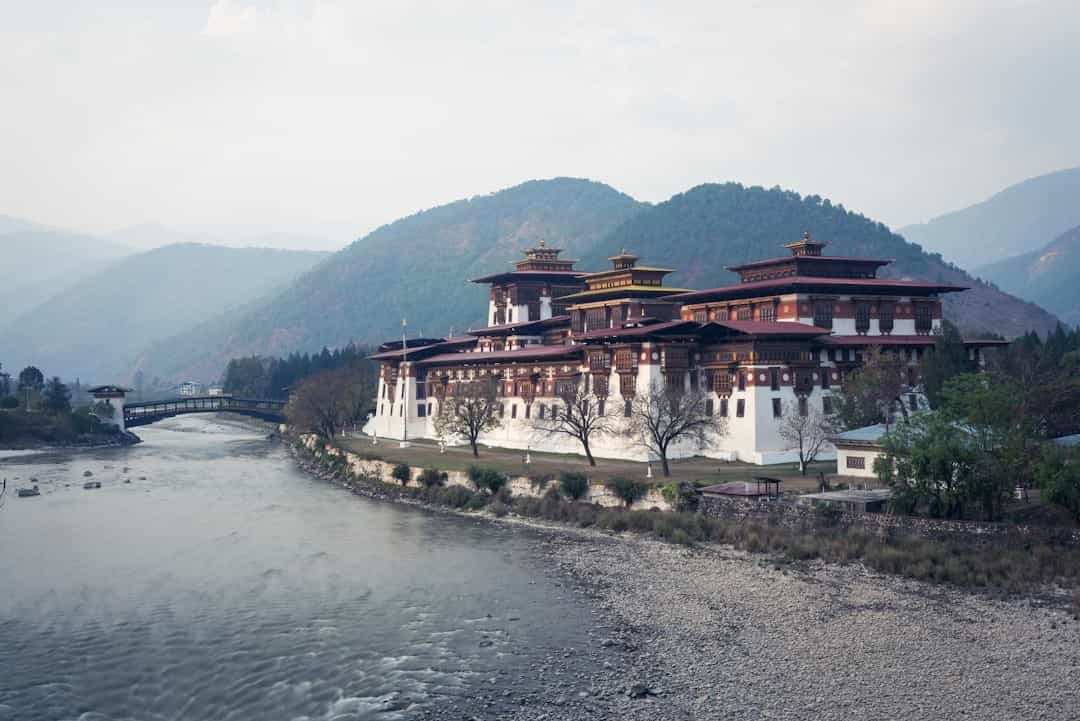
Founded in the 17th century by Zhabdrung Ngawang Namgyal, Wangdue Phodrang Dzong has been a key administrative and religious centre in central Bhutan. Perched above the confluence of the Punatsangchhu and Tang rivers, the dzong historically controlled east–west trade and travel routes and served as the ruling seat of the Wangdue Phodrang district (dzongkhag). The site is important for its traditional Bhutanese fortress architecture (massive stone-and-timber construction, courtyards and an impressive utse or central tower) and for its role in regional governance, monastic life and ceremonies.
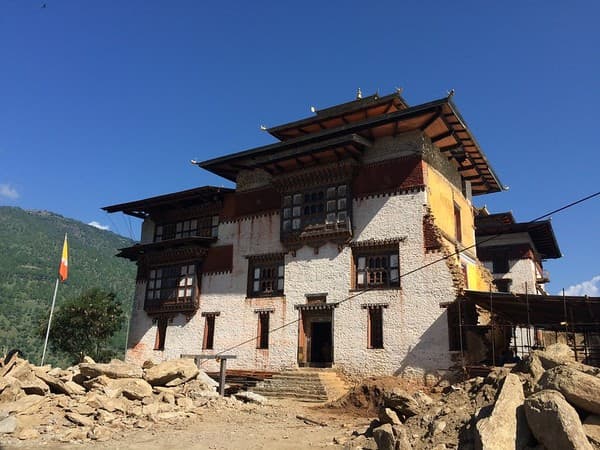
Trashigang Dzong
Trashigang Dzong (literally the Fortress of the Auspicious Hill) is a mid-17th‑century dzong that has served as the administrative, religious and strategic center of eastern Bhutan for centuries. Perched dramatically on a ridge above the Drangme Chhu valley, it exemplifies classic Bhutanese dzong architecture — massive whitewashed walls, inward-sloping stone foundations and intricately carved timberwork — and remains an active seat for the local monastic community and district administration.
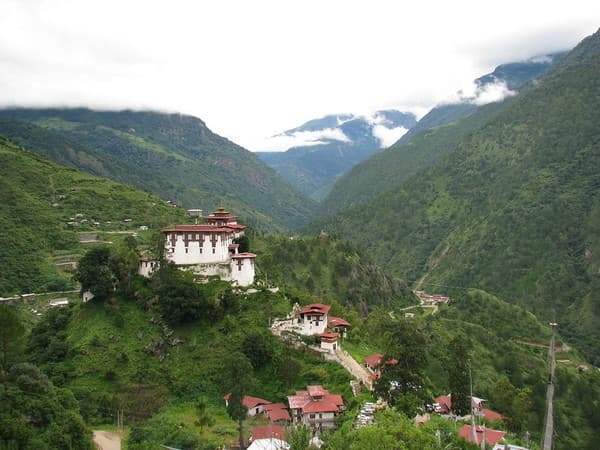
Lhuentse Dzong
Lhuentse Dzong is a traditional Bhutanese dzong (fortress-monastery) that serves as the religious and administrative centre of Lhuentse District in northeastern Bhutan. Perched above the Kuri Chhu river valley, it is known for its strategic location, classic Bhutanese fortress architecture, and its role in preserving regional monastic life and cultural traditions. The dzong is closely associated with local identity and spiritual life in the district.
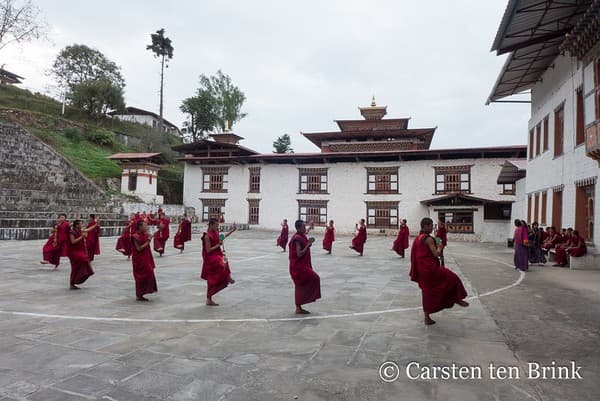
Mongar Dzong
Mongar Dzong is the administrative and religious heart of Mongar District in eastern Bhutan. Perched above Mongar town, the dzong serves as a regional seat for both civil administration and monastic activities, embodying the traditional Bhutanese fusion of governance and Buddhism. Architecturally it represents the eastern dzong style—fortified, yet integrated into the ridge landscape—offering insight into local construction techniques, timber work, and religious art.
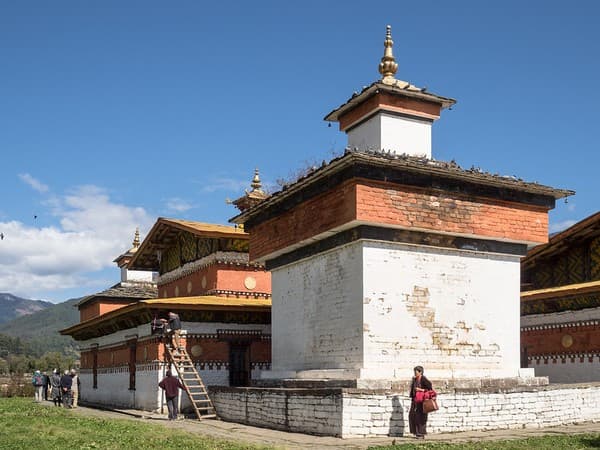
Jambay Lhakhang
Jambay Lhakhang (also spelled Jampa Lhakhang) is one of Bhutan's oldest and most revered temples, located in the Jakar valley of Bumthang in central Bhutan. Traditionally attributed to Tibetan King Songtsen Gampo in the 7th century CE, it is considered a vital site for the introduction and establishment of Buddhism in Bhutan. The temple is an important pilgrimage site and a focal point of spiritual life and local cultural identity in Bumthang.
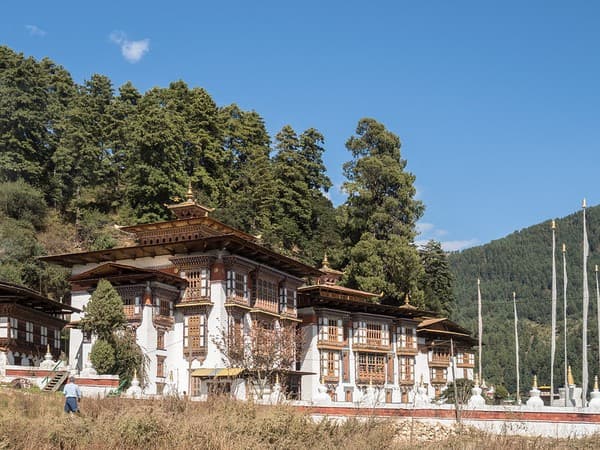
Kurjey Lhakhang
Kurjey Lhakhang (Kurjey Temple) in Bumthang is one of Bhutan's most sacred pilgrimage sites. It marks the place where Guru Rinpoche (Padmasambhava), the 8th‑century Buddhist master credited with bringing Buddhism to the Himalaya, meditated and left a bodily imprint on a rock. The complex is central to Bhutanese religious history and a focal point for devotion, rites of passage, and community religious life in the heart of the Bumthang valley.
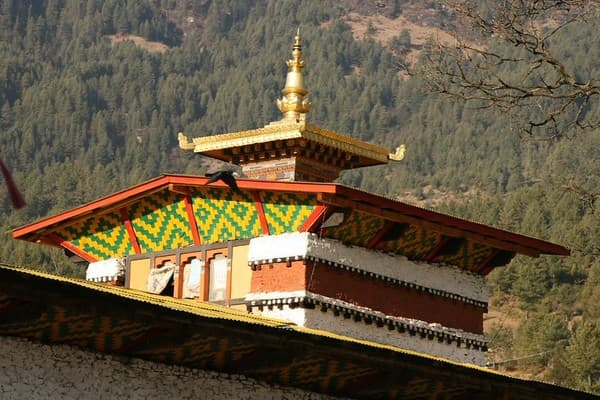
Tamshing Lhakhang
Tamshing Lhakhang (Tamshing Temple) in Bumthang, central Bhutan, is one of the kingdom's most important religious sites. Founded in the 15th century by the great terton (treasure revealer) Pema Lingpa, it holds a central place in Bhutanese Vajrayana Buddhism as a repository of revealed treasures (terma), original paintings, ritual objects and living ritual traditions. The temple is a key center for the Peling lineage and for the transmission of Pema Lingpa's teachings and practices.
The temple's location in the spiritual heartland of Bumthang also gives it natural significance: it sits within a landscape of sacred sites, pilgrimage trails and highland valleys that are culturally and ecologically important for Bhutanese identity.
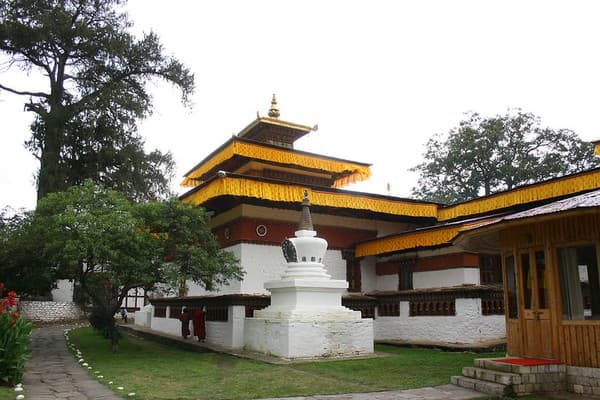
Kyichu Lhakhang
Kyichu Lhakhang is one of the oldest and most revered temples in Bhutan, located in the Paro Valley. Traditionally attributed to Tibetan King Songtsen Gampo in the 7th century CE, it is considered one of the 108 temples built to pin down a supine demoness and to spread Buddhism in the Himalaya. The temple plays a continuous role in Bhutanese religious life as an active monastery and pilgrimage site, and its architecture and art reflect early Himalayan Buddhist traditions and later Bhutanese embellishments.
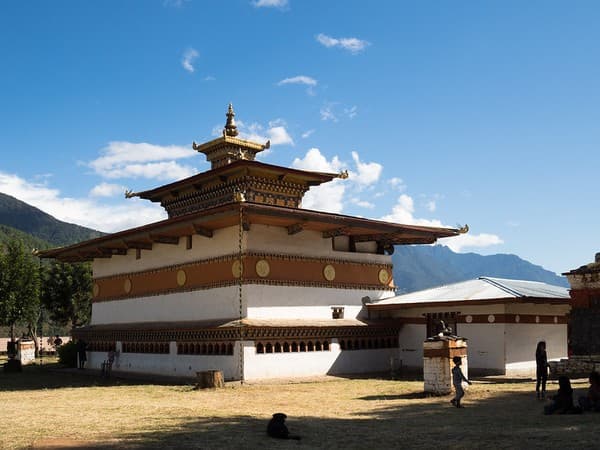
Chimi Lhakhang
Chimi Lhakhang (the Fertility Temple) is a 15th-century chapel associated with the Tibetan Buddhist saint and eccentric yogi Drukpa Kunley (the 'Divine Madman'). It is an important cultural and religious site in the Punakha Valley, visited for blessings of fertility, health and protection. The temple exemplifies Bhutanese folk-religion practices combined with Buddhist rituals and draws pilgrims and tourists interested in local customs.
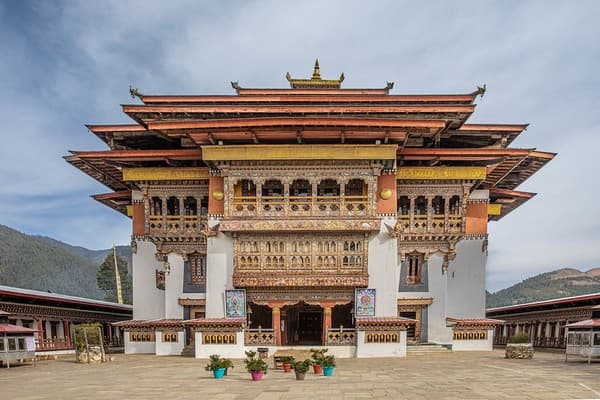
Gangtey (Gangtey Gonpa) Monastery
Gangtey Gonpa (Gangtey Monastery) is the principal Nyingma monastery in the Phobjikha (Gangtey) Valley of central Bhutan. Founded in the 17th century, it serves as the seat of the Gangteng (Gangtey) Tulku and has been an important center for Buddhist learning, ritual and community life in the region. The monastery is also closely linked to the conservation and cultural identity of the valley, which is a major wintering ground for the endangered black‑necked crane — a symbol of Bhutan’s natural heritage.
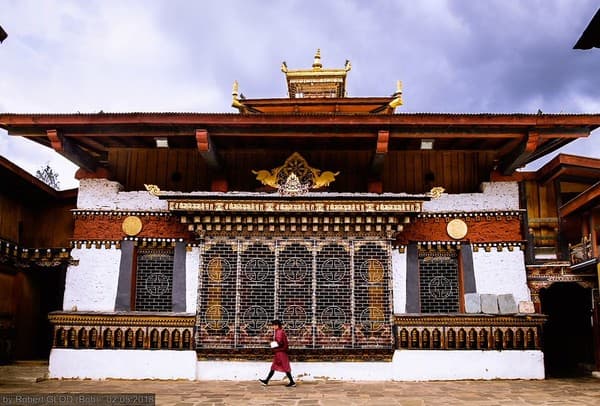
Changangkha Lhakhang
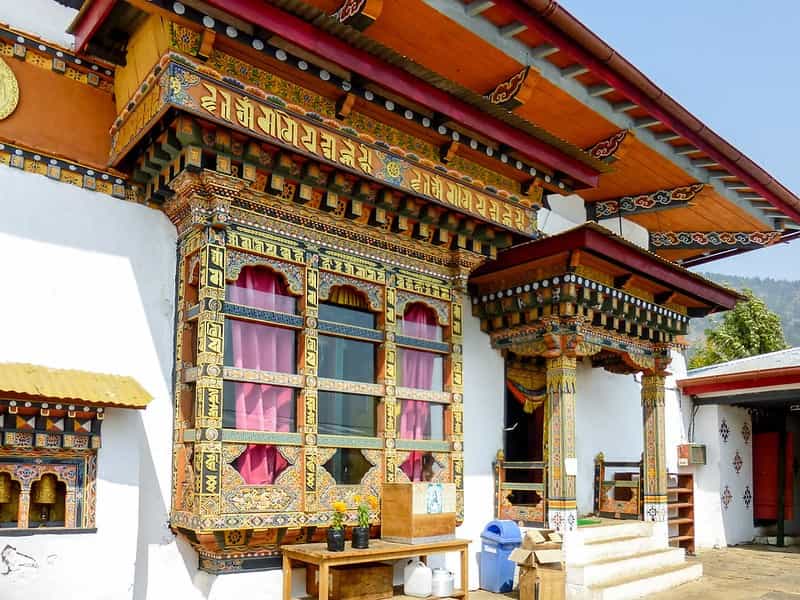
Changangkha Lhakhang is an intimate hilltop temple in Thimphu, Bhutan, regarded as one of the valley's oldest and most cherished religious sites. It serves both as an active place of worship for local communities and as a cultural landmark illustrating Bhutanese Buddhist practice, traditional architecture, murals, and ritual life. The temple is particularly valued for its role in family rituals and as a protective shrine overlooking the Thimphu valley.
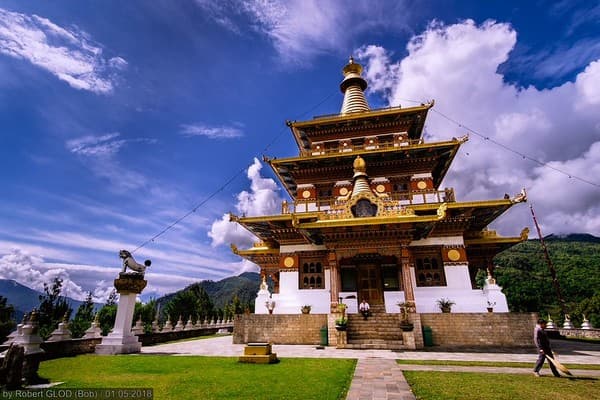
Khamsum Yulley Namgyal Chorten
Khamsum Yulley Namgyal Chorten is a modern Buddhist stupa constructed in the early 2000s under the patronage of Her Majesty the Queen Mother, Ashi Tshering Pem Wangchuck. It was built to promote peace, harmony and protection of Bhutan and its people, as well as to house sacred relics and images important to local spiritual practice. Architecturally, the chorten follows traditional Bhutanese religious design and contains richly painted interiors and shrine rooms, linking contemporary devotional activity with centuries-old Buddhist traditions. Naturally, the chorten’s ridge-top location above the Punakha valley makes it an important viewpoint that highlights Bhutan’s dramatic river valleys, terraced rice fields and Himalayan foothills.
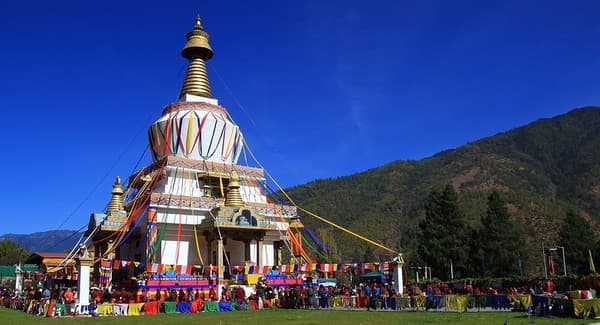
National Memorial Chorten
National Memorial Chorten (Thimphu) is one of Bhutan's most important religious landmarks. Built in 1974 in memory of the third King, Jigme Dorji Wangchuck, the chorten serves as a focal point for daily devotion and public worship in the capital. Architecturally, it is an outstanding example of modern Bhutanese religious design: a large white-washed stupa with gilded spire, rich murals and an inner sanctum housing sacred relics and statues. The site is integral to the living Buddhist culture of Bhutan and acts as a communal space where traditional practices such as circumambulation (kora), chanting, and spinning of prayer wheels are observed daily.
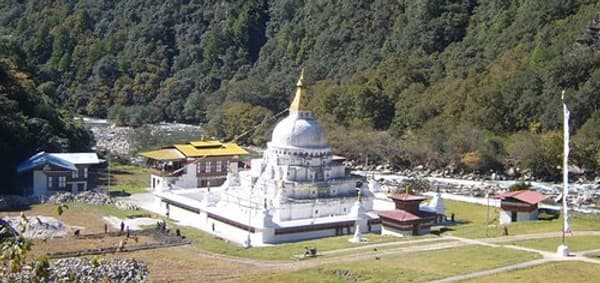
Chorten Kora
Chorten Kora is a landmark stupa in eastern Bhutan (Tashiyangtse district) with strong historical and cultural importance to the people of eastern Bhutan and neighboring regions. Built in the 18th century as a sacred Buddhist chorten, it functions as a focal point for devotional practice, pilgrimage and communal identity. The monument is notable for its connection to Himalayan Buddhist traditions and for fostering cross‑border ties with Nepali‑speaking communities and Arunachali devotees who regularly attend its ceremonies.
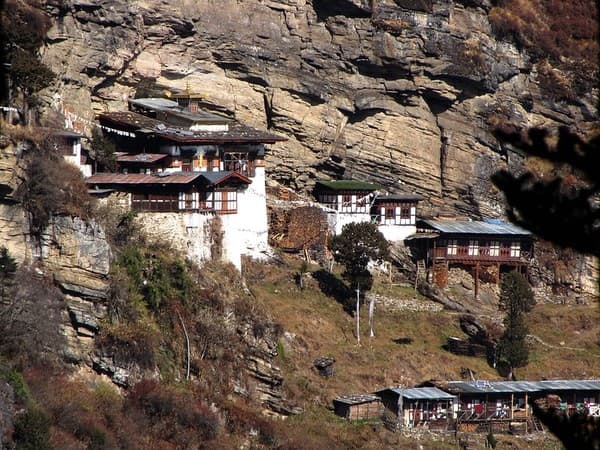
Kila Nunnery (Kila Gompa)
Kila Nunnery (Kila Gompa) is a small, active Buddhist nunnery in the Paro region of western Bhutan. It serves as a center for religious practice, meditation and education for nuns and is representative of Bhutan's living Vajrayana Buddhist tradition. Perched on a ridgeline above the valley, it also offers important vantage points over the surrounding farmland and the foothills of the Himalaya, making it a site of both cultural and natural significance.
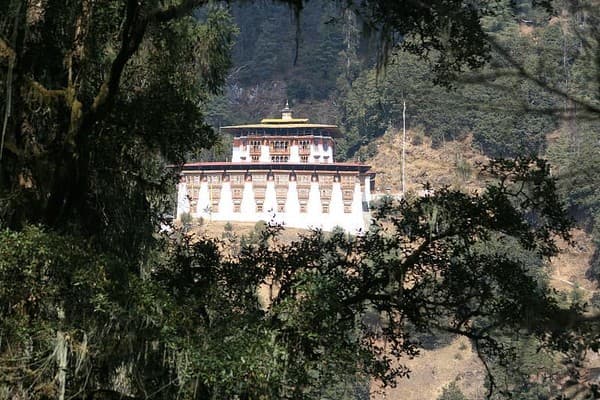
Tango Monastery
Tango Monastery (Tango Goemba) is an important Drukpa Kagyu Buddhist monastery located just north of Thimphu, Bhutan. Perched on a wooded hill above the valley, it functions as both a meditation center and a monastic school and plays a key role in preserving Bhutanese religious education, ritual practice, and traditional arts. The site's natural setting provides panoramic views of Thimphu valley and surrounding pine-clad ridges, making it significant for both spiritual practice and scenic value.
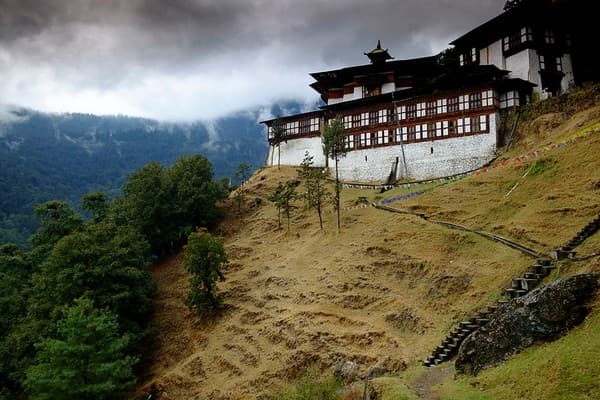
Cheri (Chagri) Monastery
Cheri (Chagri) Monastery, also known as Chagri Dorjeden, is one of Bhutan's most historically significant religious sites. Founded in 1620 by Zhabdrung Ngawang Namgyal (the unifier of Bhutan and the founder of the Bhutanese state), it was the first monastery established by him in Bhutan and became an early center for meditation, monastic training, and the consolidation of the Drukpa Kagyu tradition. The site has played a central role in the development of Bhutan's monastic system and spiritual identity. Nestled on a wooded ridge above the Thimphu valley, Cheri also offers notable natural scenery and a tranquil environment favored for retreats.
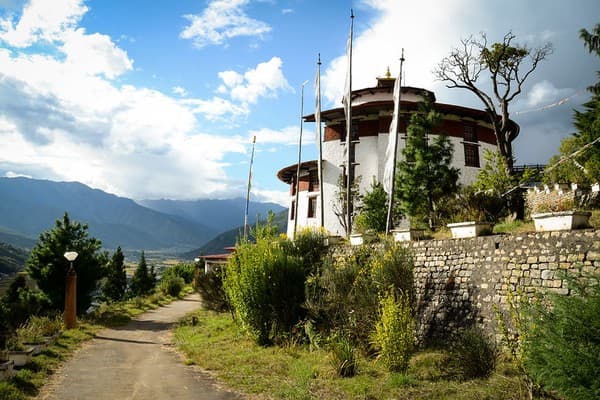
National Museum of Bhutan (Ta Dzong)
Ta Dzong / National Museum of Bhutan sits above Rinpung Dzong in Paro and is one of Bhutan's most important cultural institutions. Originally built as a circular watchtower to protect the dzong and valley, it now preserves and displays Bhutanese art, history and natural heritage — including thangka paintings, sculptures, textiles, weapons, manuscripts and natural history specimens. The museum plays a key role in conserving and interpreting Bhutan's religious, artistic and everyday cultural traditions for both Bhutanese and international visitors.