Places to visit in Bhutan
Planning a trip to Bhutan? Here is a complete guide to the best places to visit—from popular tourist attractions to offbeat spots you would not find in every guidebook. Get ready to explore, experience, and fall in love with Bhutan!
Top 74 curated places to visit in Bhutan
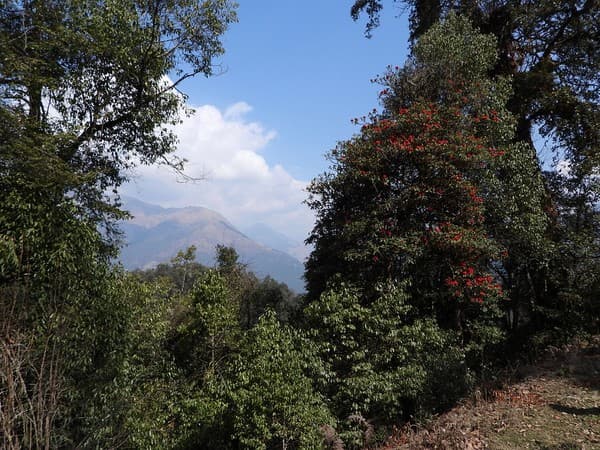
Jigme Singye Wangchuck National Park
Jigme Singye Wangchuck National Park (JSWNP) is a centrally located protected area in Bhutan named after the fourth King, His Majesty Jigme Singye Wangchuck. Established in the early 1990s as part of Bhutan's national conservation program, it protects a wide altitudinal range of ecosystems from subtropical broadleaf forest to alpine meadows and high ridgelines. The park preserves important watersheds, supports traditional pastoral and agricultural communities, and conserves habitat for several globally and regionally important species.
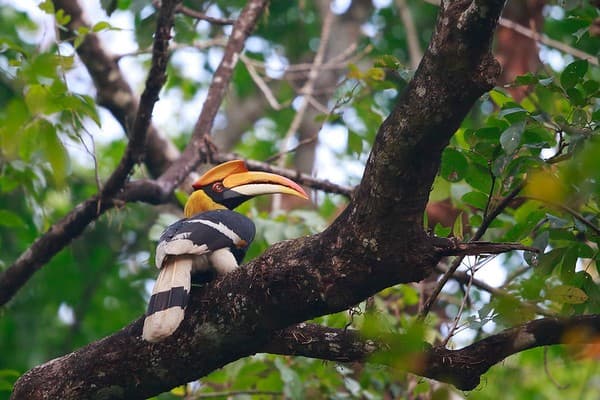
Royal Manas National Park
Royal Manas National Park is one of Bhutan's most important protected areas, celebrated for its exceptional biodiversity and its role as a transboundary conservation landscape with India's Manas National Park. The park protects a range of ecosystems from lowland subtropical forests to montane habitats, supporting globally and regionally significant wildlife populations and serving as a key biological corridor in the eastern Himalayan foothills. It is also culturally important to local communities who maintain traditional livelihoods and spiritual ties to the landscape.
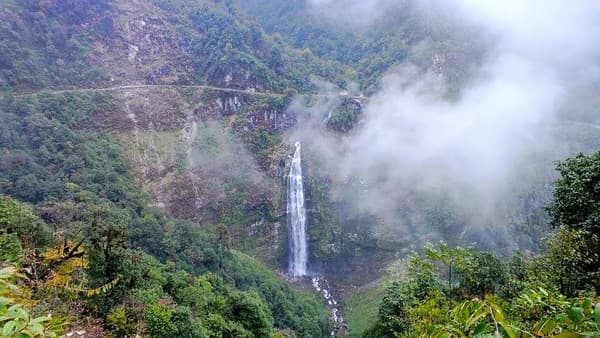
Phrumsengla National Park
Phrumsengla National Park (also spelled Phrumshingla) is a protected area in central-eastern Bhutan established to conserve a wide altitudinal range of Eastern Himalayan ecosystems. It forms a key biological corridor connecting several conservation areas and protects rich temperate and alpine forests, extensive rhododendron stands, and important wildlife habitat. The park also lies along traditional routes and is intertwined with local cultural landscapes, where village life and seasonal pastoralism have coexisted with the forest for generations.
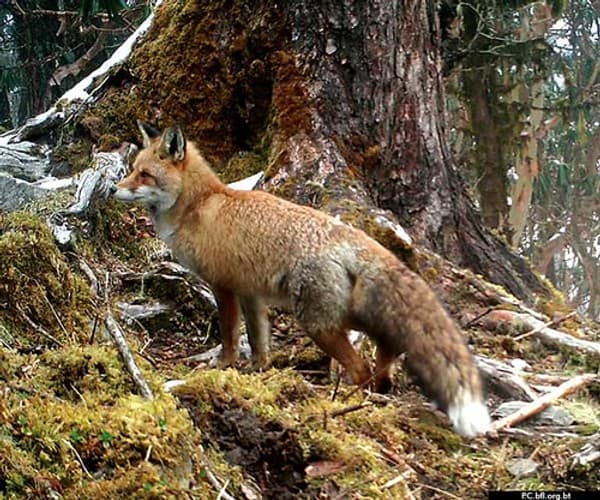
Sakteng Wildlife Sanctuary
Location: Sakteng Wildlife Sanctuary sits in the remote eastern foothills of the Himalaya in Trashigang District, Bhutan. It was created to conserve the unique eastern Himalayan ecosystems — alpine meadows, mixed conifer and broadleaf forests, and high-elevation pastures — and to protect the traditional livelihoods of semi-nomadic pastoralist communities such as the Brokpa. The sanctuary is important for biodiversity conservation (rare and endemic flora and fauna) and for preserving traditional cultural landscapes and practices.
Bumdeling Wildlife Sanctuary
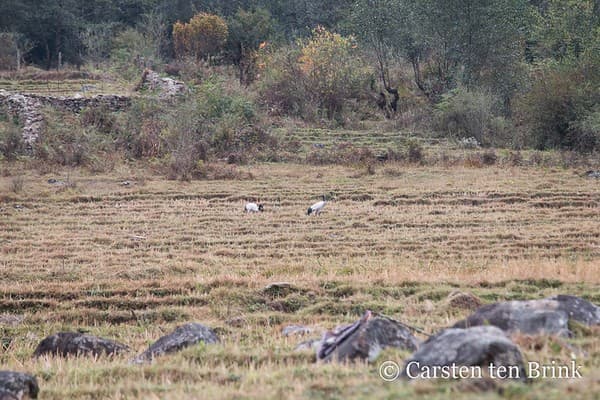
Bumdeling Wildlife Sanctuary (northeastern Bhutan) is a major protected area combining high-altitude wetlands, alpine meadows and temperate forests. It is an internationally significant natural habitat and one of Bhutan's key conservation areas, known especially as a wintering ground for the rare black‑necked crane. The sanctuary also supports a mosaic of Himalayan wildlife and sustains traditional rural communities whose livelihoods and cultural practices are closely linked to the landscape.
Torsa Strict Nature Reserve
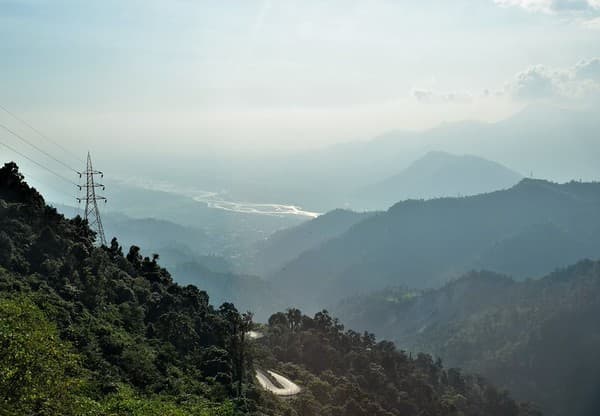
Torsa Strict Nature Reserve is one of Bhutan's strictly protected conservation areas created to safeguard high-altitude ecosystems, headwaters of the Torsa (Thorsa) river system, and fragile alpine biodiversity. The reserve contributes to Bhutan’s national goals for watershed protection, climate resilience, and species conservation, acting as an important refuge for several high‑altitude mammals and birds. Its protections also help maintain downstream water supplies for local communities and agricultural areas.
Motithang Takin Preserve
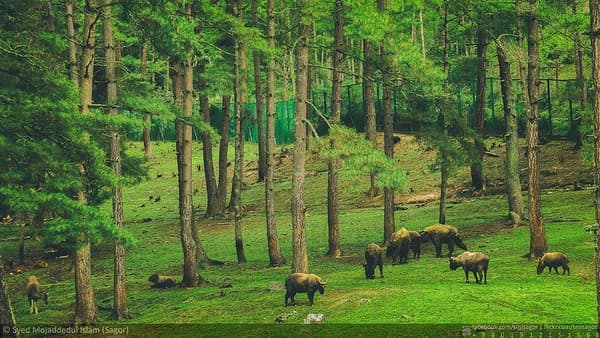
Motithang Takin Preserve is Bhutan's dedicated sanctuary for the takin (Budorcas taxicolor whitei), the national animal of Bhutan. Established in the 1970s by royal initiative to protect and care for takin brought down from highlands, the preserve serves both conservation and public-education roles. It offers visitors a rare chance to observe a uniquely Bhutanese species in a semi-natural enclosure close to Thimphu city.
Chendebji Chorten
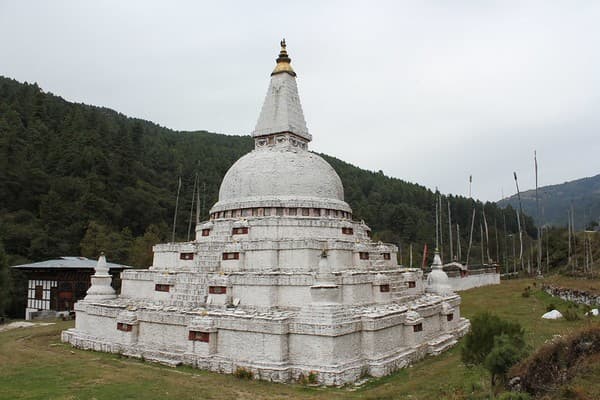
Chendebji Chorten is a notable Buddhist stupa in central Bhutan that functions as both a religious monument and a cultural landmark. Traditionally believed to date from the 18th century, it marks a site where local practitioners are said to have subdued a harmful spirit or demon—an act commemorated by constructing the chorten. The monument is important as a symbol of Buddhist practice in rural Bhutan and as an example of cross-cultural architectural influence in the Himalaya.
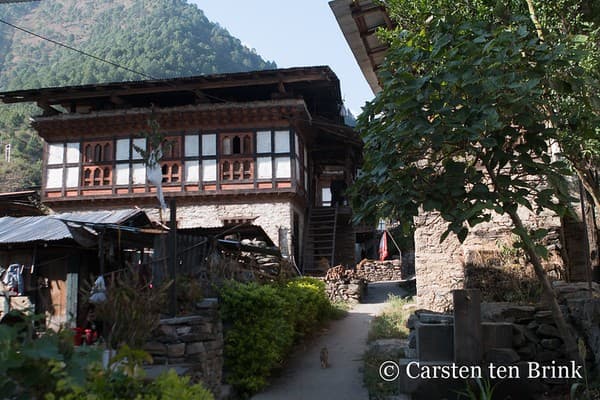
Khoma Village (weaving)
Khoma (Khoma Village) in Lhuentse District, northeastern Bhutan, is renowned as one of the country's most important weaving centres. It preserves traditional Bhutanese weaving techniques—especially the intricate silk brocade known as kishuthara—passed down through generations. Weavers in Khoma have played a central role in maintaining Bhutanese textile arts, which are integral to national identity and formal dress (kira, gho). The village's weaving practices reflect social history, female craftsmanship, and local materials and dyeing traditions.
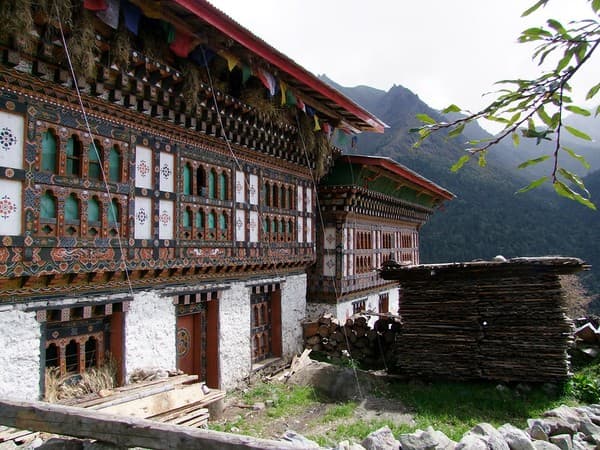
Laya Village
Laya Village (ལ་ཡ) is a remote high‑altitude settlement in Gasa District in northern Bhutan near the Tibetan border. It is one of Bhutan's most culturally distinct communities — home to the Layap people, who retain Tibetan‑influenced dress, language (Layak dialect), yak‑based pastoralism, and unique customs. Nestled within alpine landscapes and close to protected areas, Laya is important for its fragile high‑altitude ecosystems, traditional transhumant lifestyles, and as a living example of Bhutan’s cultural diversity.
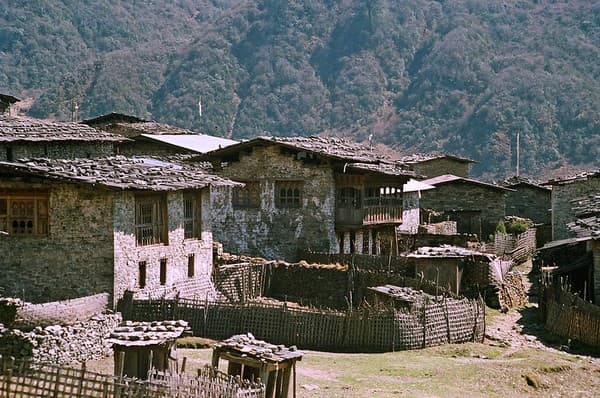
Merak Village
Merak Village is one of the most remote settlements in eastern Bhutan, home to the semi-nomadic Brokpa (Drokpa) people. It is important culturally for preserving traditional yak- and cattle-herding lifeways, distinctive dress and rituals, and oral histories. Naturaly, Merak lies close to the Sakteng Wildlife Sanctuary, an area recognized for its unique alpine meadows, high-altitude fauna and flora, and conservation of rare species. The village offers insight into traditional Himalayan pastoralism and Bhutan's cultural diversity.
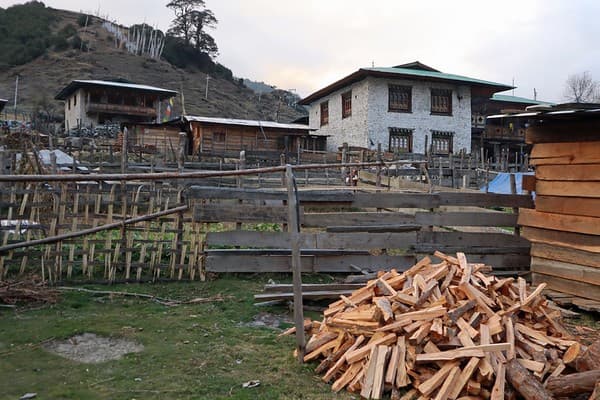
Sakteng Village
Sakteng Village (eastern Bhutan) is a remote high‑altitude settlement known for preserving the culture of the Brokpa (semi‑nomadic yak‑herding) people and for its location adjacent to the Sakteng Wildlife Sanctuary. The area is important both culturally — as an example of traditional eastern Bhutanese life, vernacular architecture and pastoral livelihoods — and naturally, for its alpine meadows, rich birdlife and status as a protected landscape in Bhutan's eastern Himalayan zone.
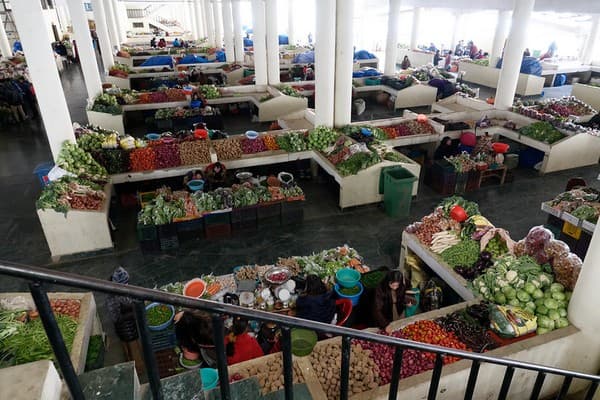
Centenary Farmers’ Market
The Centenary Farmers’ Market in Thimphu is the city’s main farm-to-consumer market and an important local economic and cultural hub. It supports smallholder farmers and artisans from across Thimphu Valley and nearby districts, preserving traditional agricultural practices and local foodways. The market is an accessible place for residents and visitors to see Bhutanese daily life and understand the role of agriculture in the country’s Gross National Happiness-oriented development.
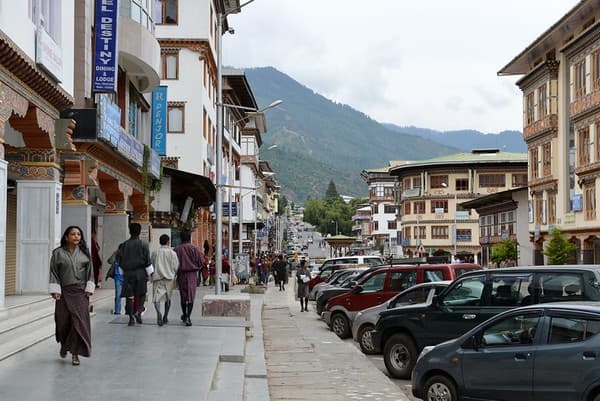
Norzin Lam (main street)
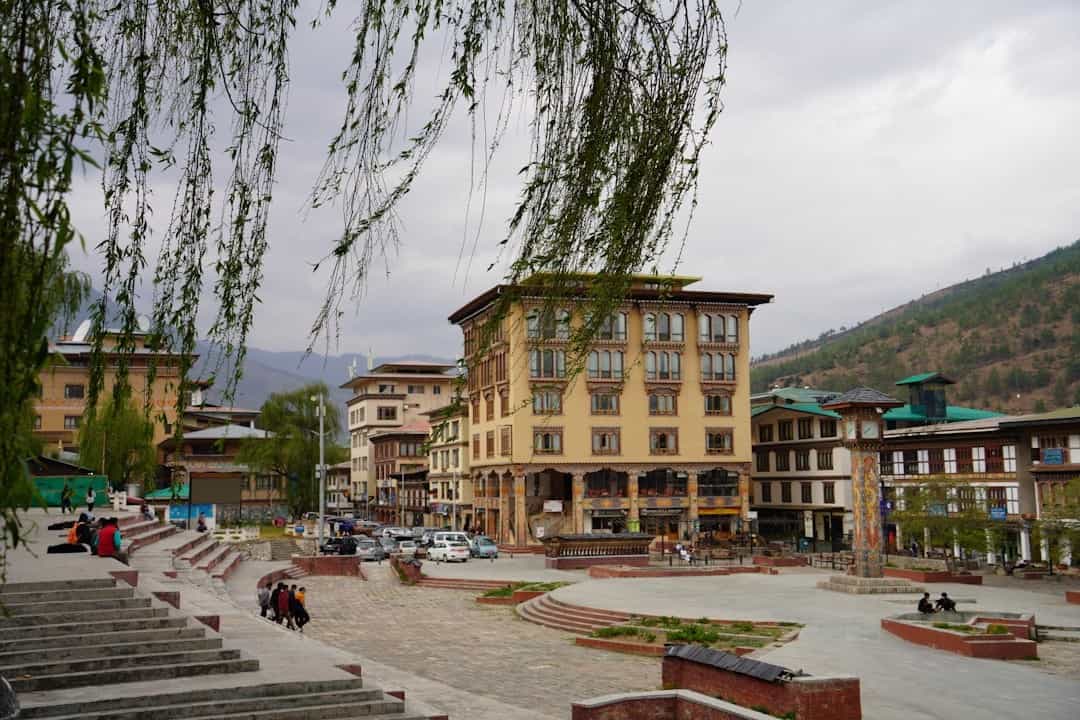
Norzin Lam (Main Street) is the commercial and social spine of Thimphu, Bhutan's capital. It represents the country's careful blend of modern urban life with strong preservation of traditional Bhutanese architectural and cultural identity. Norzin Lam is where residents and visitors converge for shopping, administration, dining, and public events — making it central to daily civic life and contemporary culture in Bhutan.