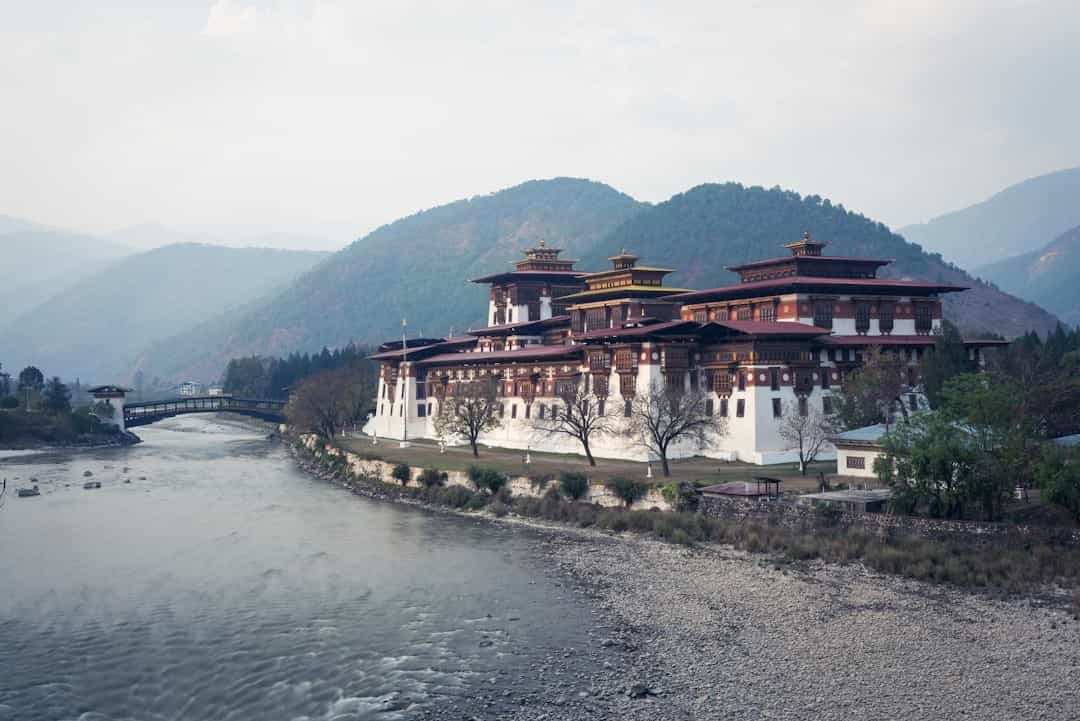
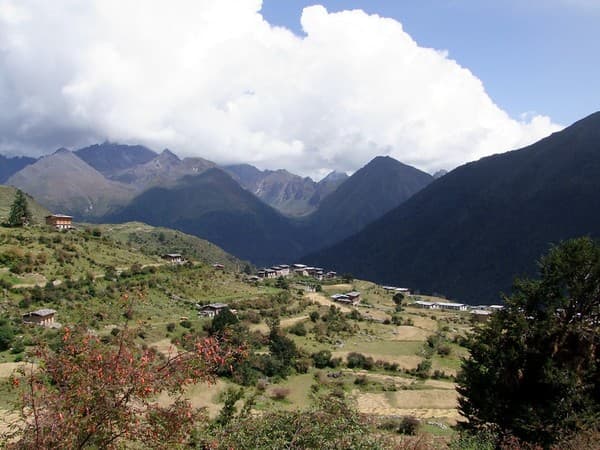
Laya Village, Bhutan
Laya Village (ལ་ཡ) is a remote high‑altitude settlement in Gasa District in northern Bhutan near the Tibetan border. It is one of Bhutan's most culturally distinct communities — home to the Layap people, who retain Tibetan‑influenced dress, language (Layak dialect), yak‑based pastoralism, and unique customs. Nestled within alpine landscapes and close to protected areas, Laya is important for its fragile high‑altitude ecosystems, traditional transhumant lifestyles, and as a living example of Bhutan’s cultural diversity.
Last updated: 22 Jan 2026
Places to visit
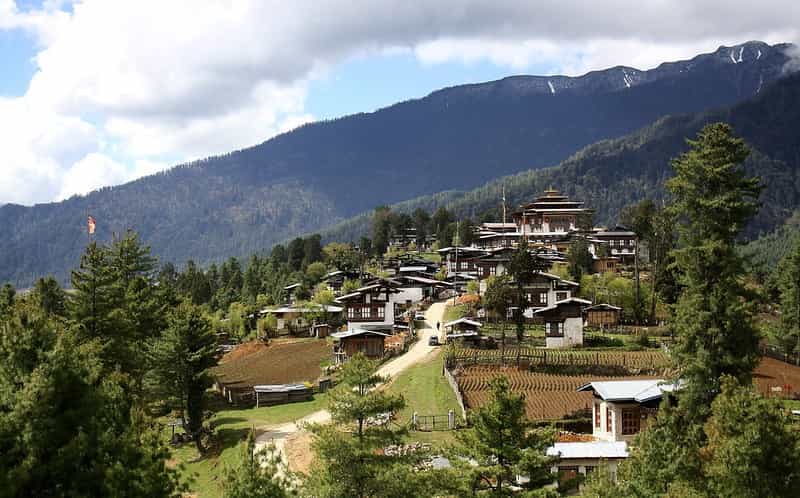
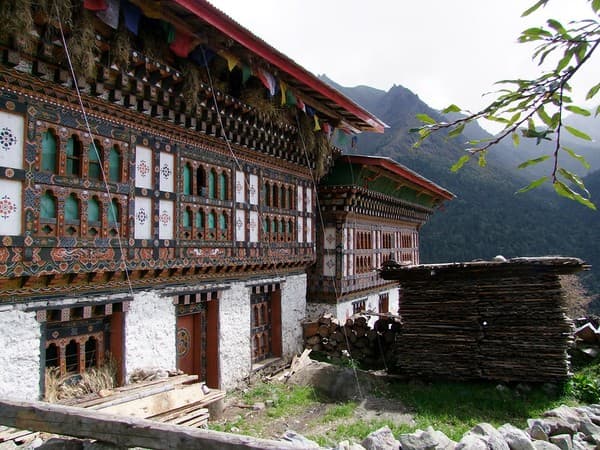
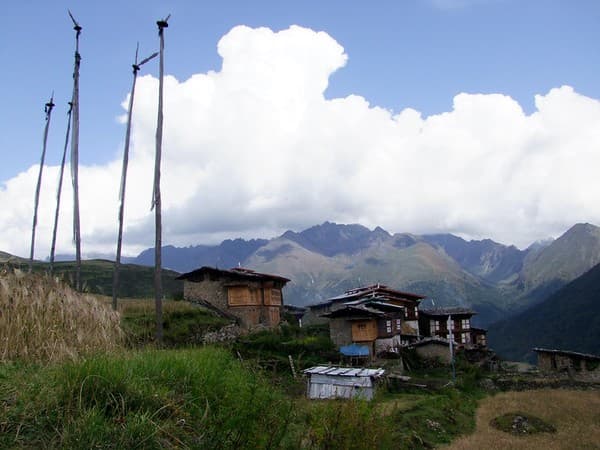
- The Village of Laya itself — traditional wooden houses and stone structures with yak‑wool ropes and prayer flags
- Layap Culture and Dress — distinctive tall white brimmed hats (on women) and heavy woolen garments
- Yak Herds and High‑Altitude Pastures — grazing grounds and yak corrals that shape daily life
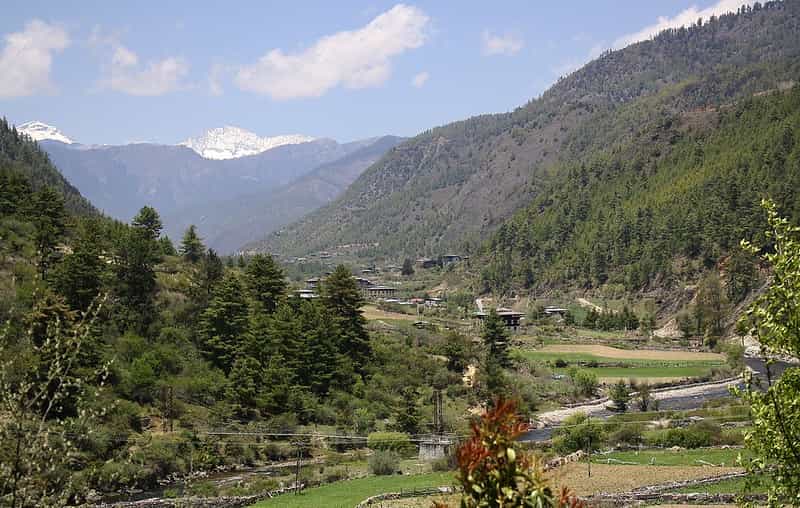
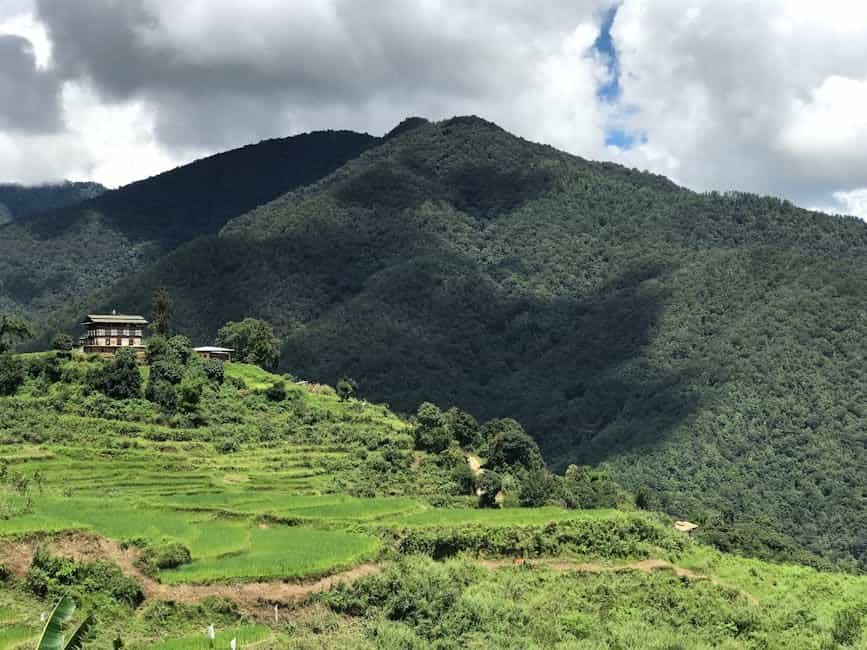
- Scenic Mountain Views — surrounding peaks, high passes and glacial valleys
- Small Local Temples and Stupas — spiritual sites tucked into the landscape
- Nearby Trails — routes connecting Laya to Gasa, Lingshi and other highland settlements
Unique Aspects
- High‑altitude alpine scenery with seasonal wildflowers and glacial waterways
- Well‑preserved traditional lifestyle of the Layap people
- Photogenic cultural scenes: yak trains, woven textiles, and mask dances during local festivals
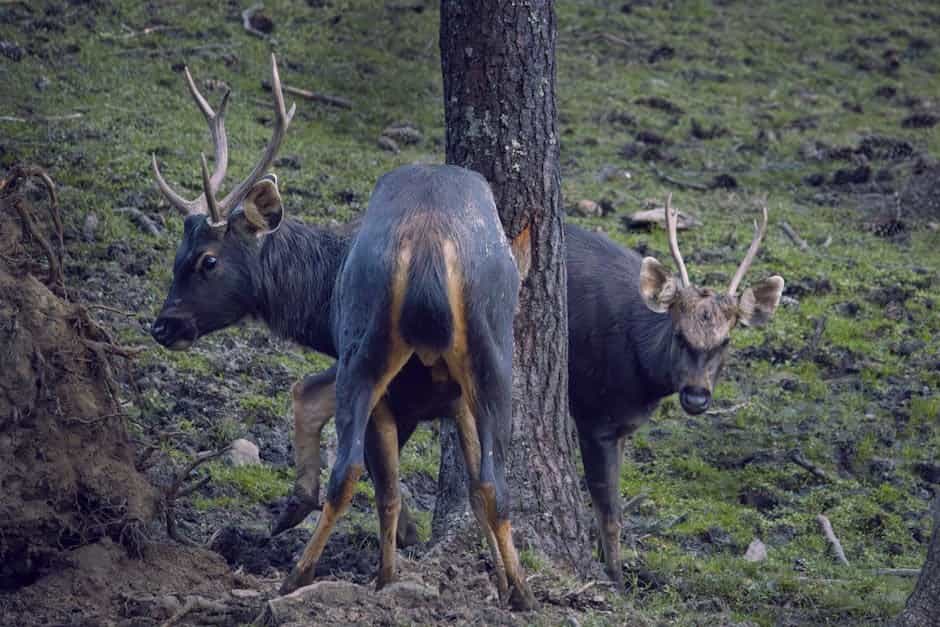
- Biodiversity typical of northern Bhutan: chance sightings of high‑altitude fauna (blue sheep, marmots, birds of prey)
Things to do
- Guided cultural walks through the village to meet Layap families and learn about yak pastoralism
- Photography of landscapes, village life and traditional costumes
- Short hikes on nearby ridges and to vantage points for panoramic views
- Multi‑day trekking for experienced walkers linking Laya with surrounding valleys
- Attend a local festival or mask dance when available
- Birdwatching and wildlife spotting in alpine habitats
Festivals & Events
- Local village religious ceremonies and mask dances (Tsechu‑style performances) held on a community basis
- Seasonal events tied to yak grazing cycles and Tibetan lunar calendar celebrations
Best Time to Visit
Late spring (May–June) and autumn (September–October) for stable weather, clear skies and good trekking conditions. Late winter offers crisp views but very cold temperatures; the monsoon (July–August) brings more precipitation and can make trails muddy and roads difficult.
Weather Conditions
High‑altitude alpine climate: cool to cold year‑round, with large diurnal temperature swings. Expect sub‑freezing nights outside the warmest months and possible snow at higher passes. Afternoon sun can be strong — use sun protection.
Accessibility
Laya is remote. Traditional access is by multi‑day trek from Gasa or nearby valleys. A rough seasonal road has been extended in recent years in parts of Gasa District, but access remains challenging and weather‑dependent. Nearest international airport: Paro International Airport (typical overland travel to Gasa/Laya involves several days by 4x4 and/or trekking). Travel requires good physical fitness if trekking; local guides and pack animals are recommended.
Recommended Duration
For a meaningful visit: at least 2–3 days in Laya itself to acclimatize and experience village life. Include additional days depending on trekking route — many treks to/from Laya take 5–10 days total.
Clothing & Gear Tips
Warm layered clothing, insulated down jacket, thermal base layers, windproof shell, sturdy waterproof trekking boots, hat and gloves, sunglasses and high‑SPF sunscreen, basic first‑aid and altitude‑appropriate medications, sleeping bag rated for cold temperatures if camping.
Local Food & Souvenirs
Local foods: buckwheat (staple pancakes and noodle dishes), yak meat and dairy products (cheese, butter tea), and simple vegetable stews. Souvenirs: handwoven yak‑wool garments, warm hats, blankets, and small religious items or locally woven textiles; buy directly from artisans where possible to support the community.