Chendebji Chorten, Bhutan
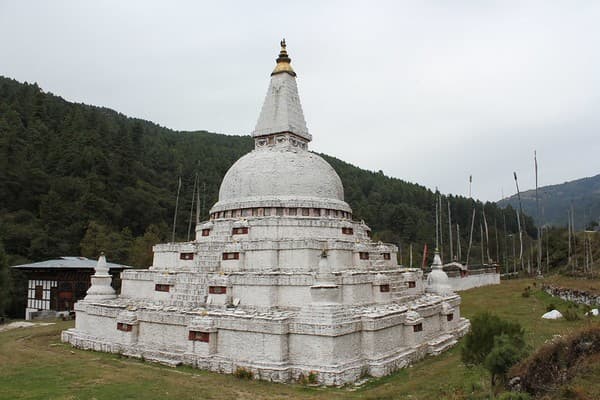
Chendebji Chorten is a notable Buddhist stupa in central Bhutan that functions as both a religious monument and a cultural landmark. Traditionally believed to date from the 18th century, it marks a site where local practitioners are said to have subdued a harmful spirit or demon—an act commemorated by constructing the chorten. The monument is important as a symbol of Buddhist practice in rural Bhutan and as an example of cross-cultural architectural influence in the Himalaya.
Last updated: 22 Jan 2026
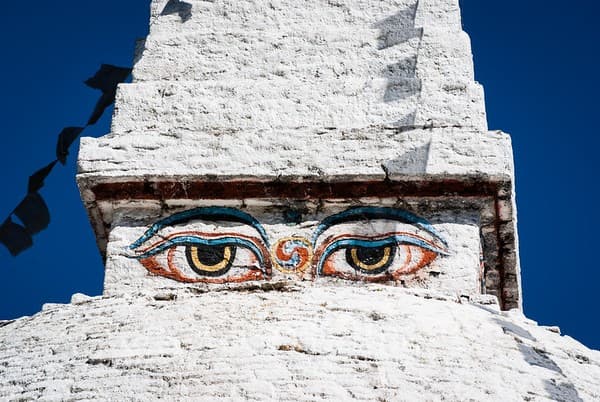
Historic Anecdotes
Local tradition holds that a malevolent spirit or ogress terrorized the valley, and a Buddhist master subdued and contained it, after which the chorten was built over the site. The stupa is often associated with tales of pilgrimage, protection, and miraculous events that reinforced its role as a spiritual focal point for nearby communities.
Places to visit
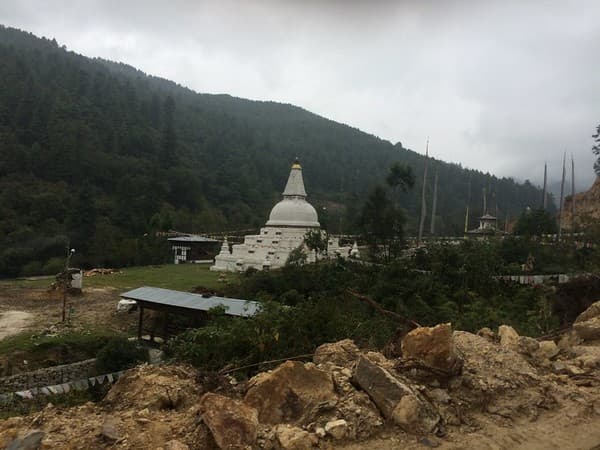
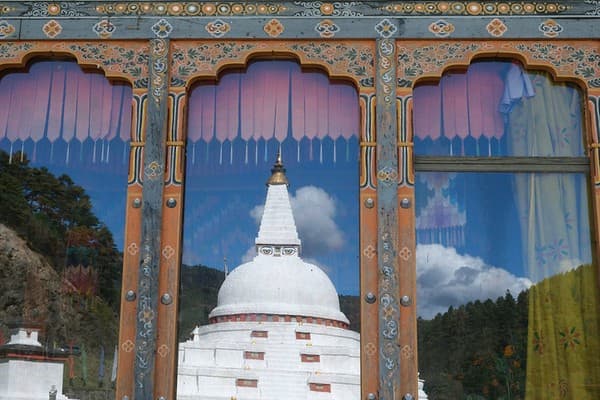
- The Chendebji Chorten itself — a whitewashed stupa with a central dome and distinct Nepalese-inspired style
- A ring of prayer wheels and mani stones surrounding the chorten used by pilgrims during circumambulation
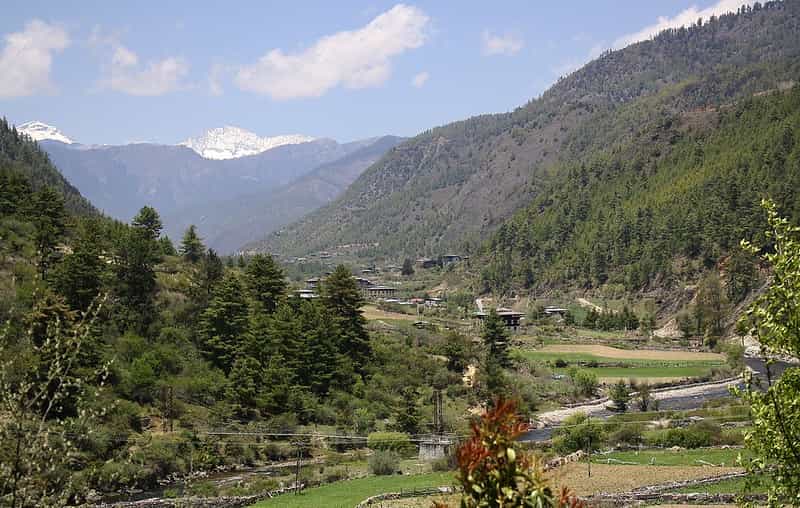
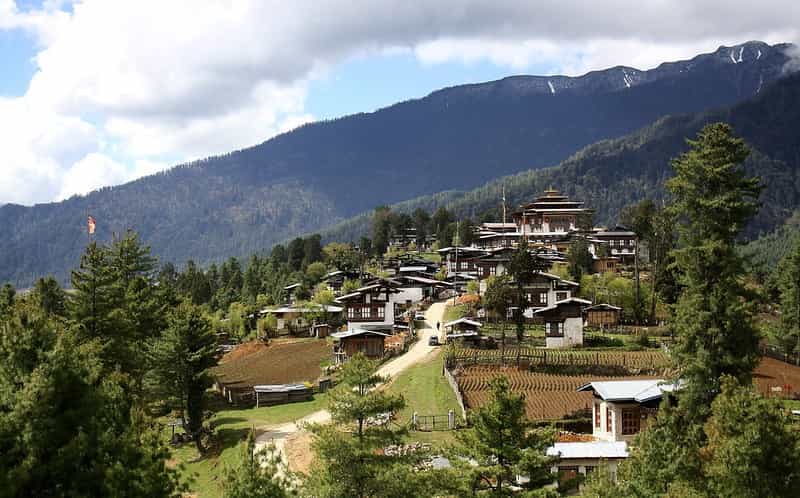
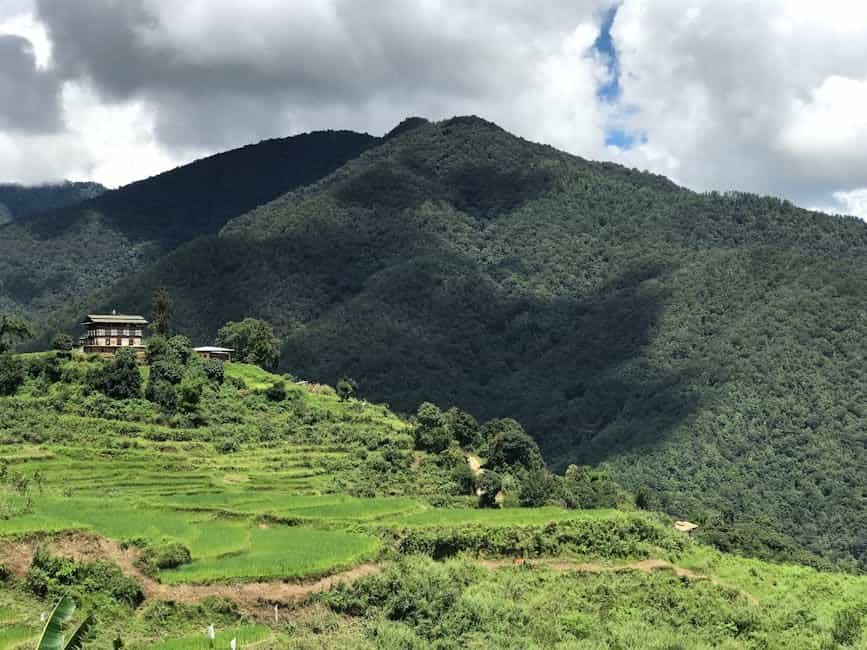
- Pleasant valley views and traditional Bhutanese rural scenery
- Nearby village life and occasional roadside stalls selling snacks and handicrafts
Unique Aspects
- Nepalese-style stupa architecture that stands out from strictly Tibetan-style chortens in Bhutan
- A painted mandala or painted faces on the tower (visible details vary with restoration and painting cycles)
- The chorten’s setting on an older east–west route linking central Bhutan’s valleys, giving it historical waystation significance
Things to do
- Circumambulation (kora) around the chorten while spinning prayer wheels and reciting mantras
- Photography of the stupa, mani walls, and surrounding valley (observe respectful distances during religious activities)
- Short walks around the nearby fields and village to observe rural Bhutanese life
- Pilgrimage visits on auspicious Buddhist days
Festivals & Events
- Pilgrims commonly visit on Buddhist holy days and during local pujas
- There is no widely known large public tsechu specific to Chendebji, but regional religious observances may be held at or near the site
Best Time to Visit
Spring (March–May) and autumn (September–November) for the clearest weather and comfortable temperatures; winter visits are possible but can be cold and foggy.
Weather Conditions
Temperate mountain weather: warm sun during daytime in spring and autumn, cool to cold mornings and evenings. Expect sudden changes; light rain is possible in monsoon months (June–August).
Entry Fees & Permits
There is generally no formal entry fee to view the chorten. The site is open year-round and accessible during daylight hours; as a sacred site, approach quietly and dress modestly.
Accessibility
Chendebji is reachable by road from central Bhutan valleys such as Trongsa and Bumthang. Travelers typically access it by car or tour vehicle as part of drives through central Bhutan. The nearest major international airport is Paro International Airport; domestic air services and road connections serve central towns (e.g., Bumthang/Trongsa regions) from where onward road travel is required.
Recommended Duration
A short visit of 30 minutes to 2 hours is usually sufficient to see the chorten, do a kora, and take photographs; allow a half-day if combining with nearby sightseeing or village visits.
Clothing & Gear Tips
Modest layers suitable for mountain weather (warm jacket for mornings/evenings), comfortable walking shoes, and a hat/sunscreen for daytime. Carry a small scarf if visiting during formal prayers. Remove shoes if entering small shrine areas and be respectful of worshippers.
Local Food & Souvenirs
Try local Bhutanese snacks where available; regional specialties include ema datshi (chili-cheese stew) in nearby eateries and simple local breads. Souvenirs may include handwoven textiles, prayer flags, and small religious items sold in nearby villages or roadside stalls.