Royal Manas National Park, Bhutan
Royal Manas National Park is one of Bhutan's most important protected areas, celebrated for its exceptional biodiversity and its role as a transboundary conservation landscape with India's Manas National Park. The park protects a range of ecosystems from lowland subtropical forests to montane habitats, supporting globally and regionally significant wildlife populations and serving as a key biological corridor in the eastern Himalayan foothills. It is also culturally important to local communities who maintain traditional livelihoods and spiritual ties to the landscape.
Last updated: 22 Jan 2026
Places to visit
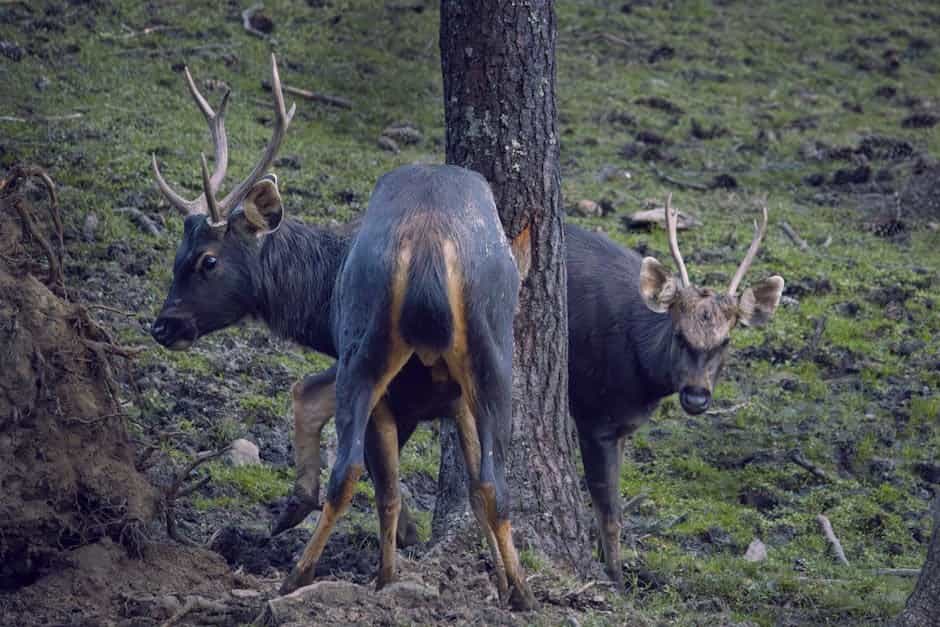
- Rich wildlife including elephants, several deer species, primates and elusive large carnivores
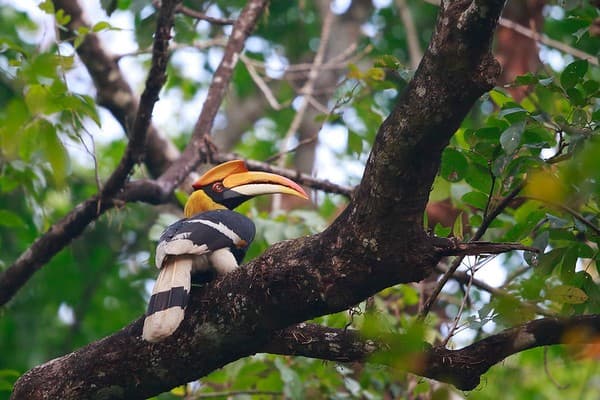
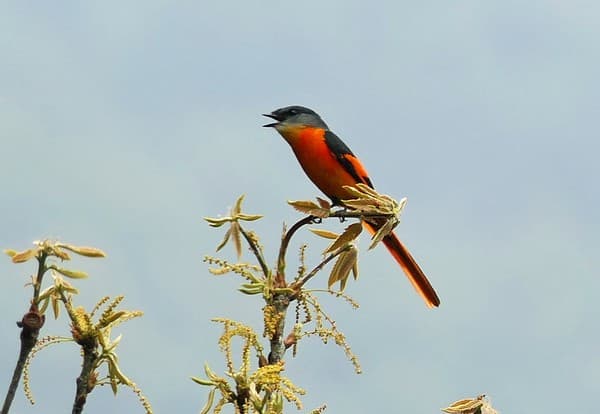
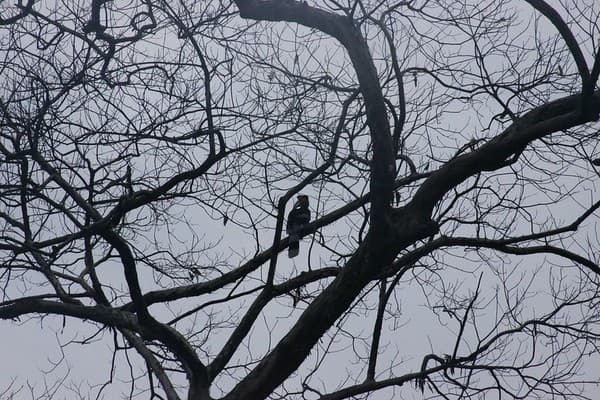
- Excellent birding—home to many lowland and Himalayan foothill species and migratory birds
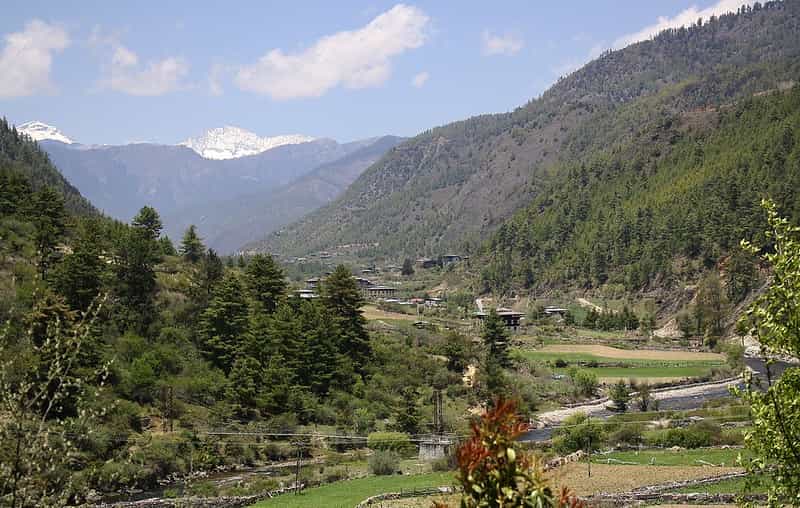
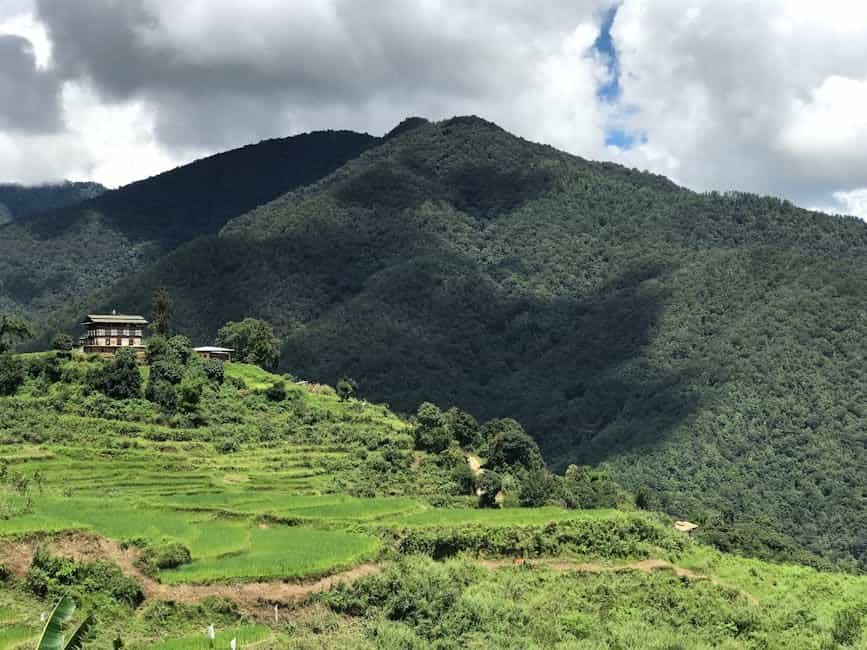
- Scenic river valleys carved by the Manas and tributary rivers with lush floodplain forests
- Transboundary views and access to the larger Manas conservation landscape shared with India
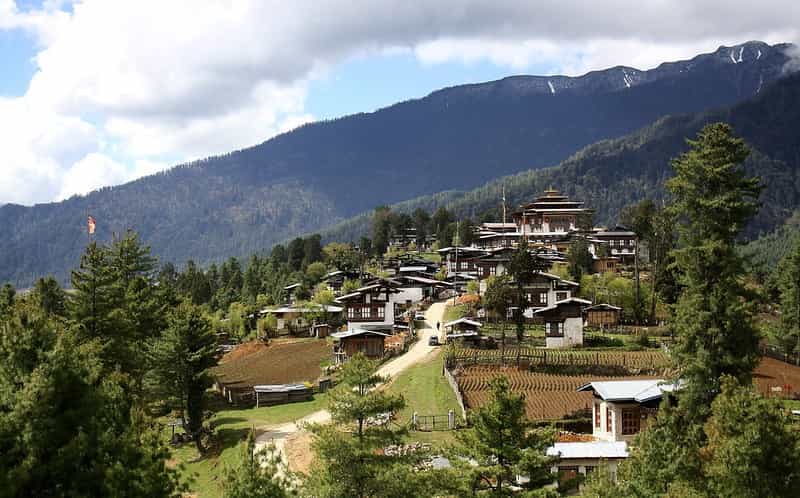
- Cultural village visits offering insight into rural Bhutanese life
Unique Aspects
- High biodiversity across a wide ecological gradient from tropical to montane forests
- Important corridor connecting populations of wide-ranging species (e.g., Asian elephant, tiger)
- Seasonal riverine habitats and floodplain forests with unique flora
- Opportunities to see rare or locally significant species and a diversity of birdlife
Things to do
- Guided wildlife safaris and morning/evening jungle drives with local rangers
- Birdwatching walks and point counts for both lowland and foothill species
- Guided nature walks and short treks along forest trails and riverbanks
- Cultural visits to nearby villages to experience local traditions and homestays
- Photography focused on wildlife, landscapes, and local culture
Best Time to Visit
October–December and March–May are generally the best windows for wildlife viewing and birding when weather is clearer and activity levels are higher. The monsoon season (typically June–September) brings heavy rain which can limit access and wildlife viewing.
Weather Conditions
Varies with elevation: lowland areas are warm and humid (subtropical) while higher valleys and ridges are cooler and more temperate. Expect hot, humid conditions in the southern plains during summer and mild, pleasant days with cooler nights in spring and autumn.
Entry Fees & Permits
Access typically requires permits arranged through an authorized Bhutan tour operator or the Tourism Council of Bhutan; park-specific rules and any entry fees should be confirmed in advance. Timings for guided visits typically follow daylight hours—confirm schedules with your guide or the park office.
Accessibility
Royal Manas is in southern Bhutan and is accessible by road. Nearest domestic airport: Gelephu (for southern approaches). International access commonly uses Paro International Airport followed by a long domestic drive. Border access and crossings near Phuentsholing/Gelephu depend on visa and permit arrangements. Many visitors join organized tours that include transport, permits, and guides.
Recommended Duration
Plan 2–4 days to explore key wildlife areas and include at least one early-morning and one late-afternoon session for best animal activity; longer stays (4–7 days) allow more thorough exploration and cultural visits.
Clothing & Gear Tips
Lightweight, breathable layers for lowland heat; a warm mid-layer for cool mornings/evenings; waterproof jacket for rain; sturdy hiking boots; hat; binoculars; camera with telephoto lens; insect repellent; sunscreen.
Local Food & Souvenirs
Try Bhutanese dishes such as ema datshi and local meat and vegetable preparations at village homestays. Local honey, bamboo handicrafts, woven textiles, and small traditional wood or cane crafts make meaningful souvenirs—buy from community-run shops to support local livelihoods.