Paro, Bhutan
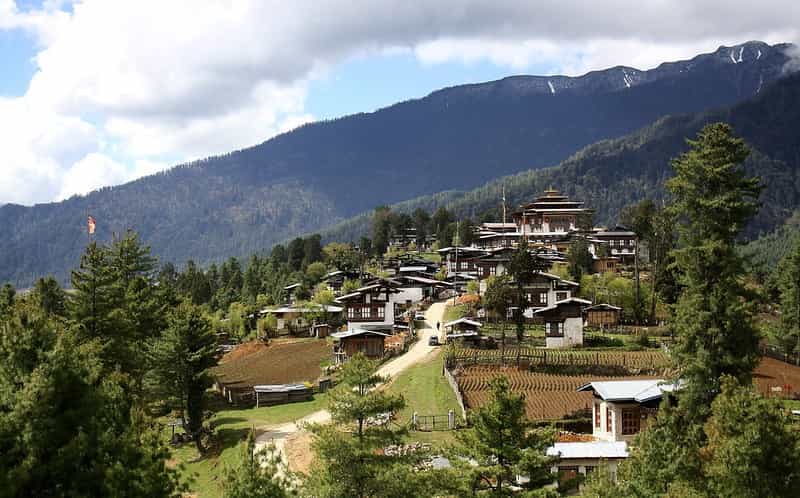
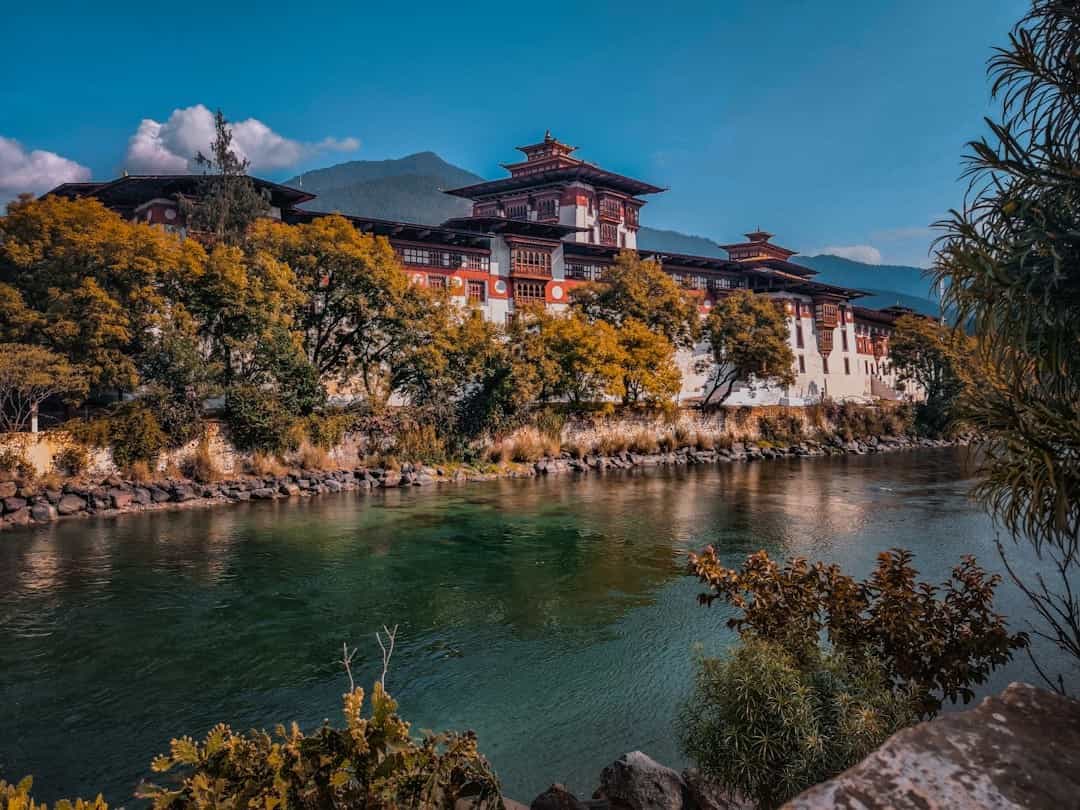
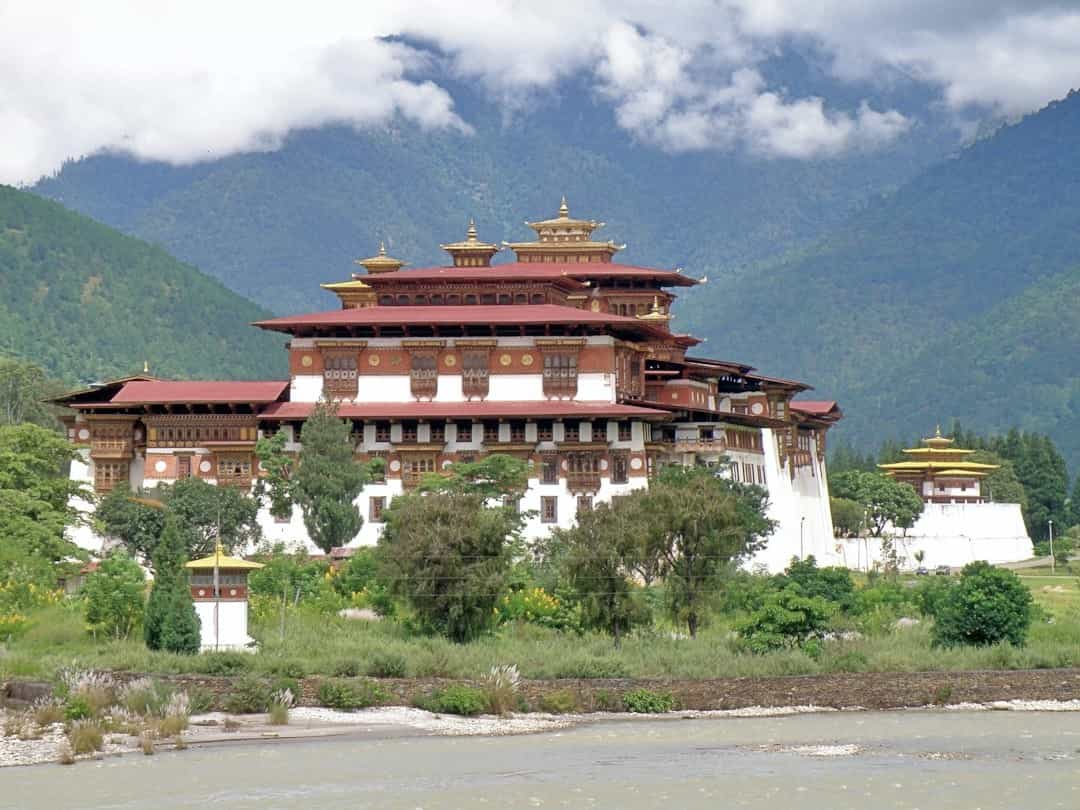
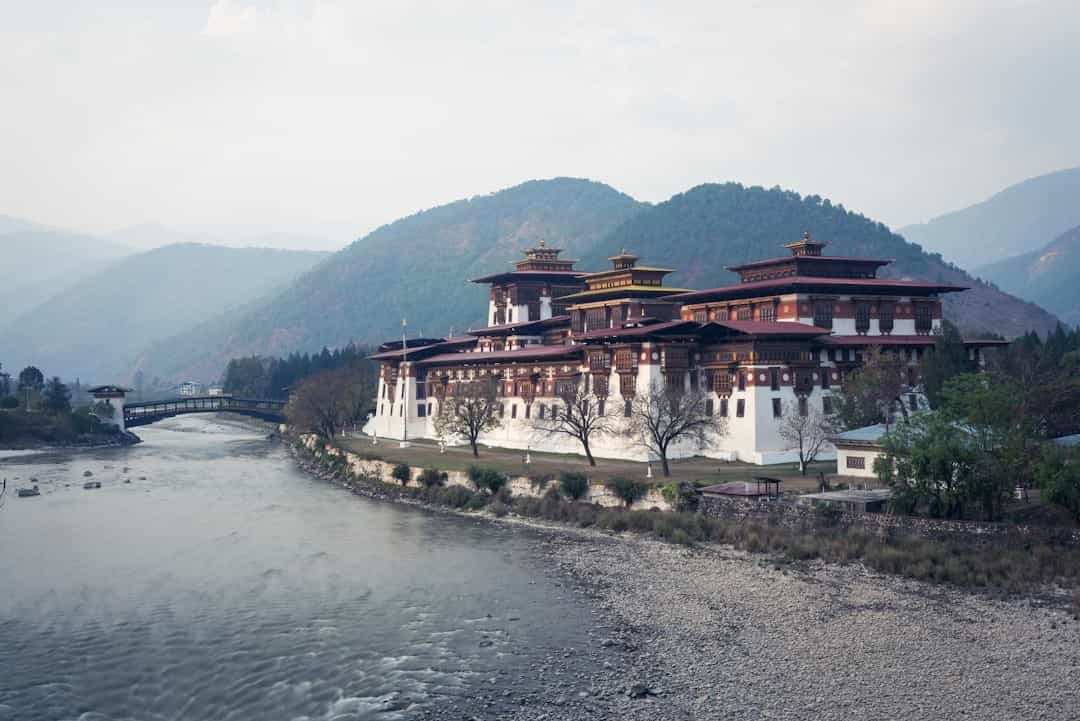
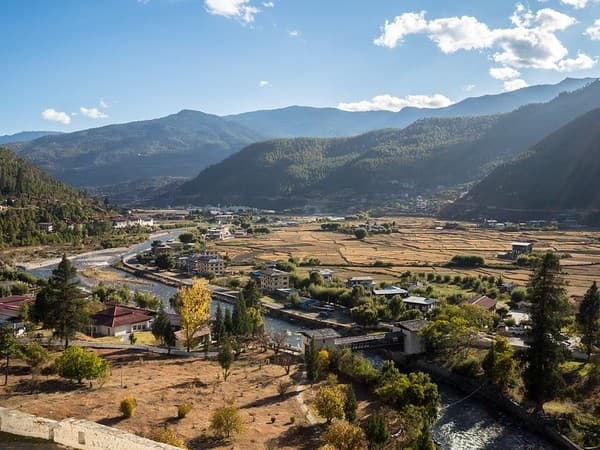
Paro is one of Bhutan's most important cultural and historical valleys. It hosts iconic dzongs and monasteries that illustrate Bhutanese Buddhist heritage and traditional fortress architecture (notably Rinpung Dzong and Ta Dzong/National Museum). The valley's fertile fields, the Paro Chhu (river) and surrounding Himalayan foothills offer significant natural beauty and biodiversity, and Paro's airport is famed for its dramatic approach into the mountains. Paro is frequently the first impression visitors have of Bhutan and thus plays an outsized role in the country's cultural tourism.
Last updated: 16 Jan 2026
Places to visit
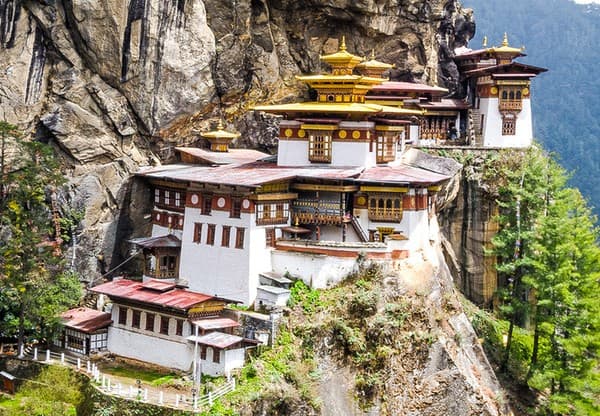
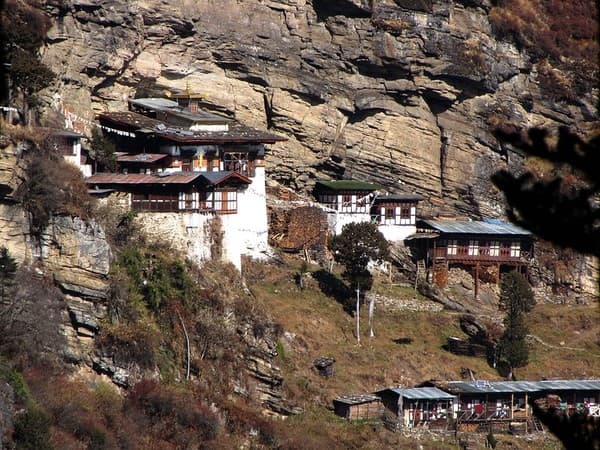
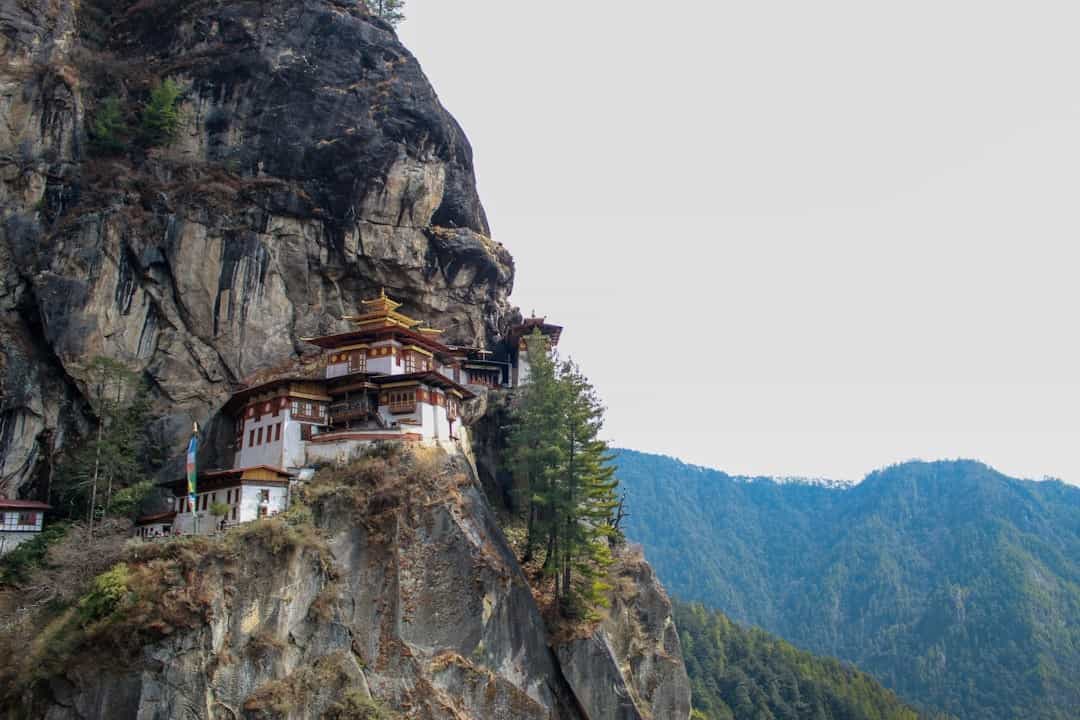
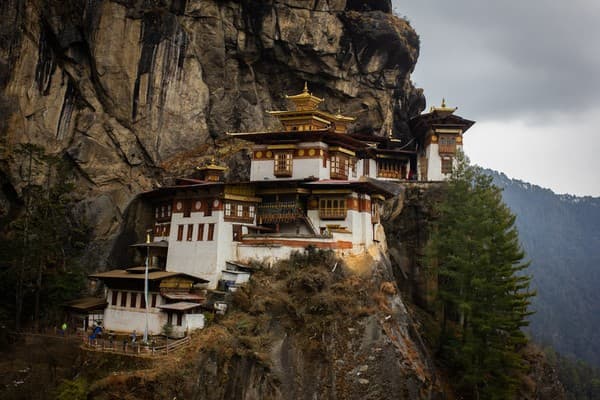
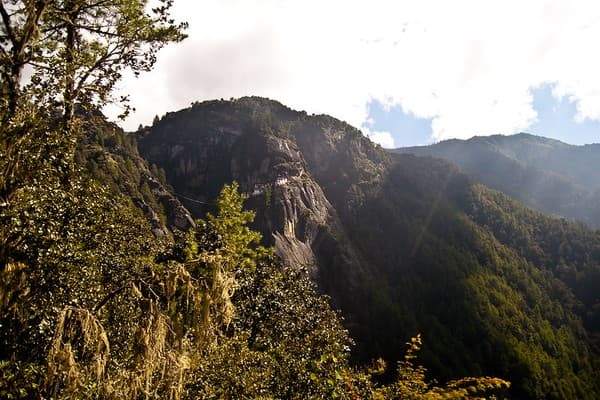
- Paro Taktsang (Tiger's Nest) — cliffside monastery and prime pilgrimage site
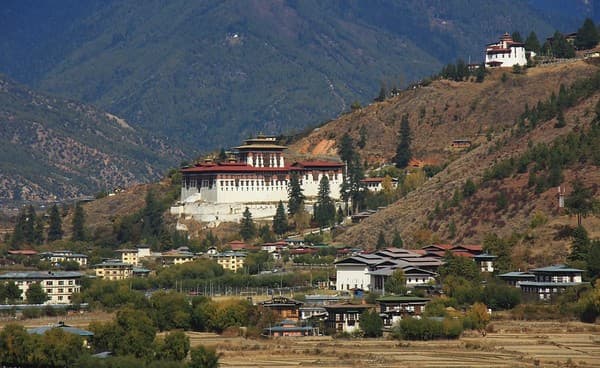
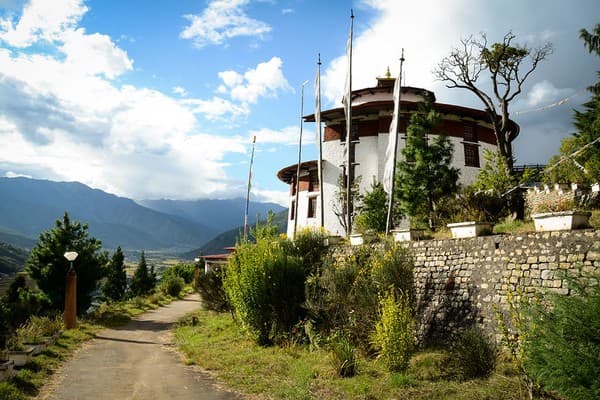
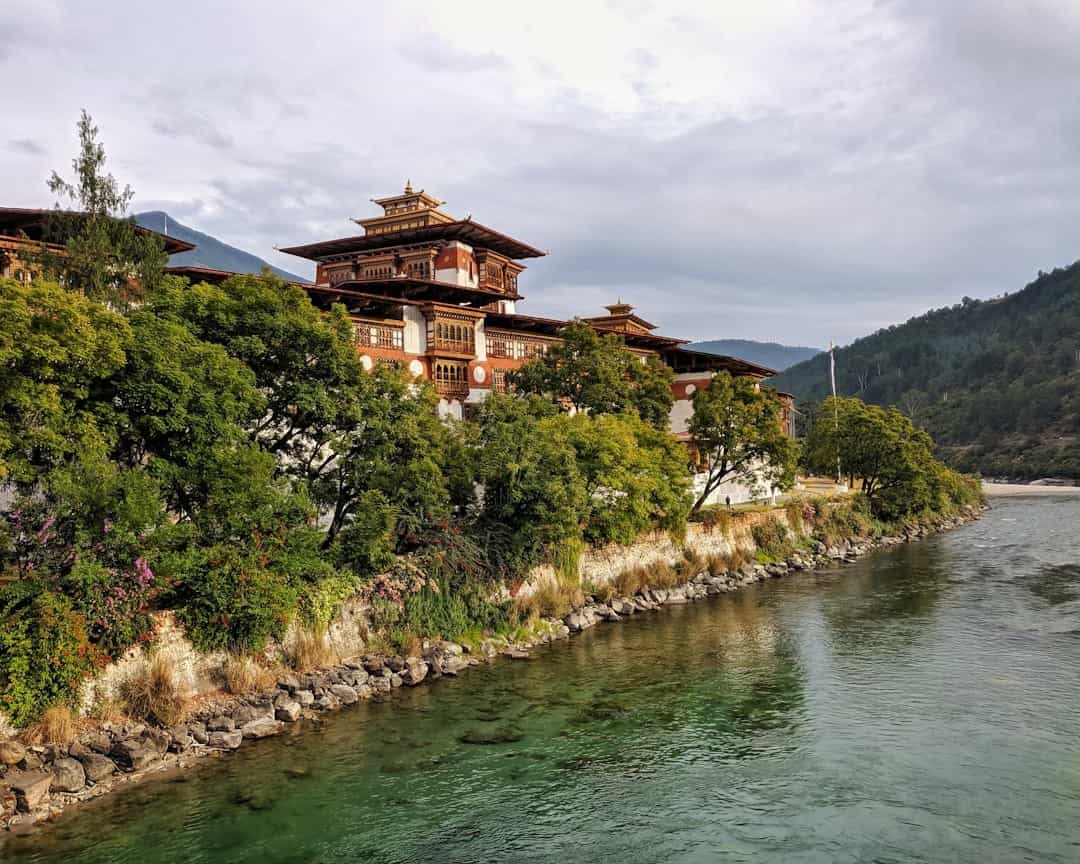
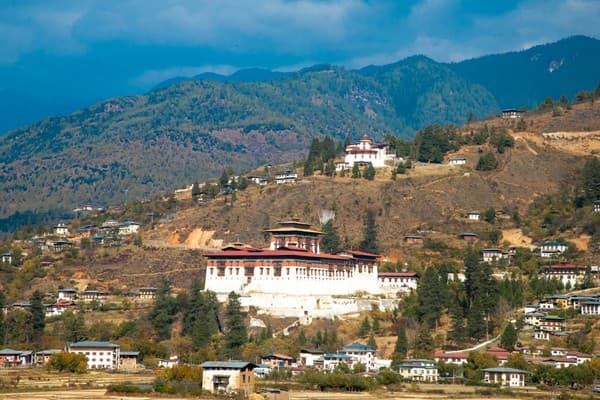
- Rinpung Dzong — large fortress-monastery overlooking Paro town
- Ta Dzong (National Museum) — traditional watchtower housing historical artifacts
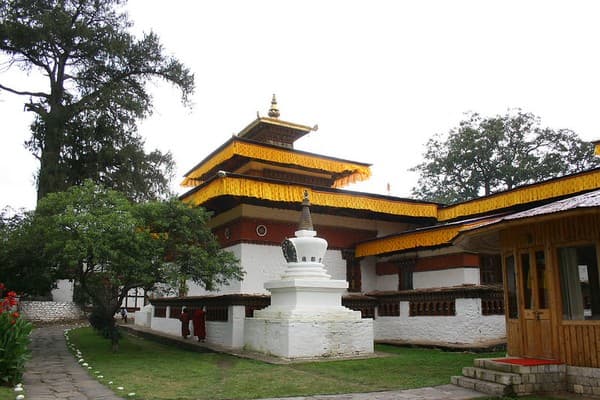
- Kyichu Lhakhang — one of Bhutan's oldest temples (7th century roots)
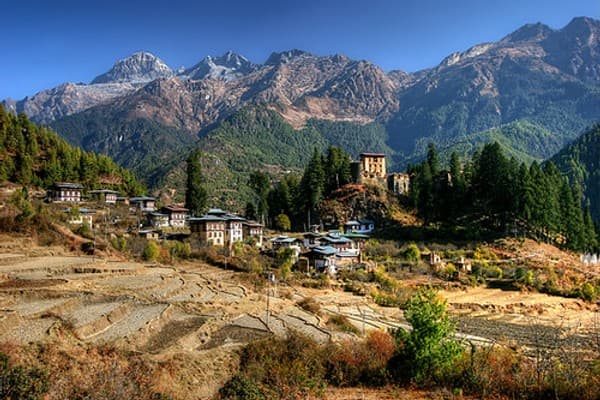
- Drukgyal Dzong (ruins) — historic fortress with mountain views
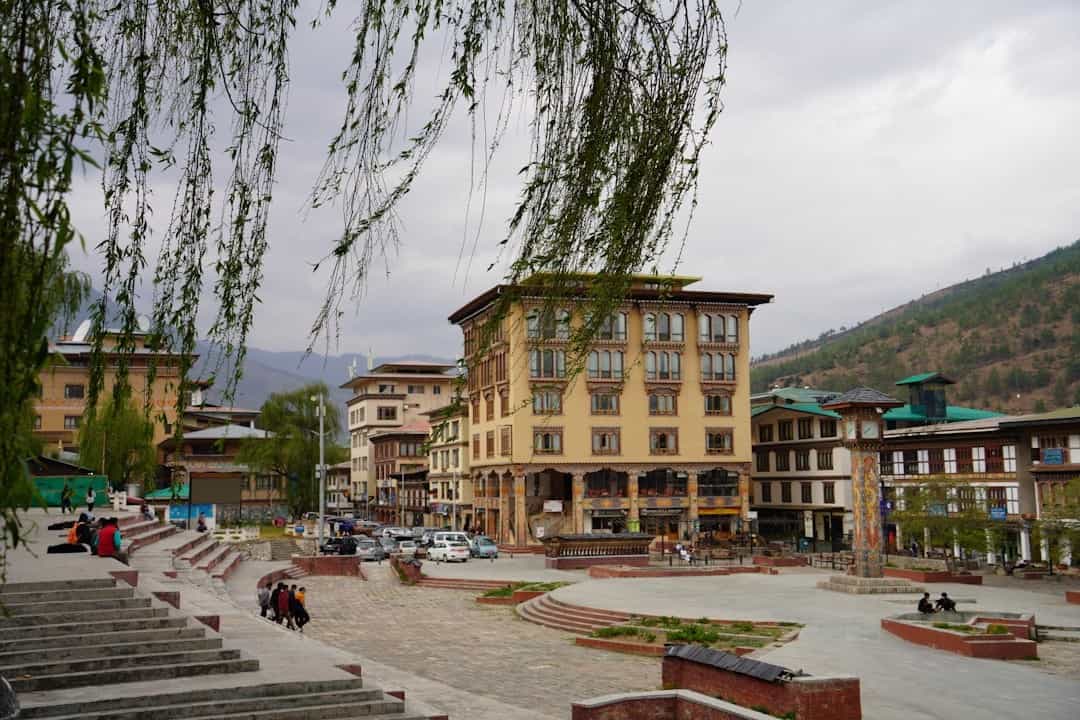
- Paro Town market and traditional streets
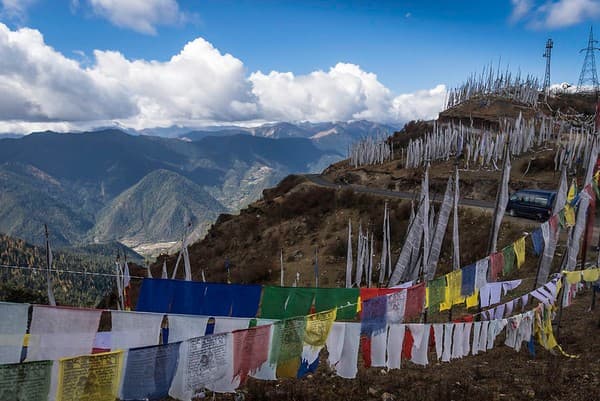
- Chele La Pass and surrounding high-mountain scenery
Unique Aspects
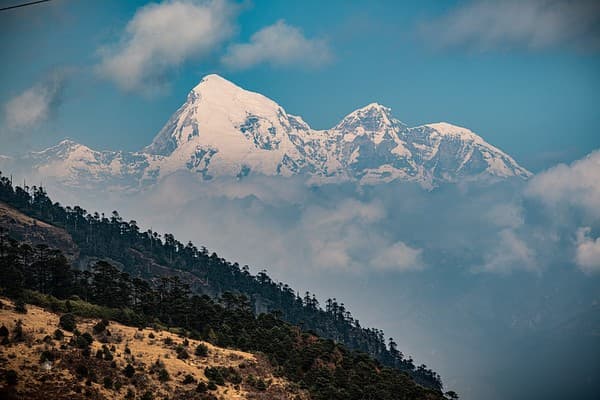
- Dramatic Himalayan vistas and steep cliff-top monastery setting
- Well-preserved Bhutanese fortress (dzong) architecture and richly painted temples
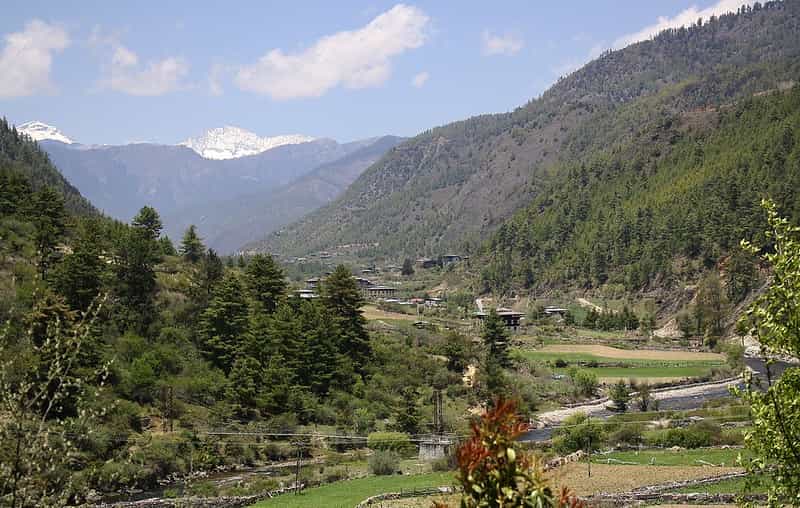
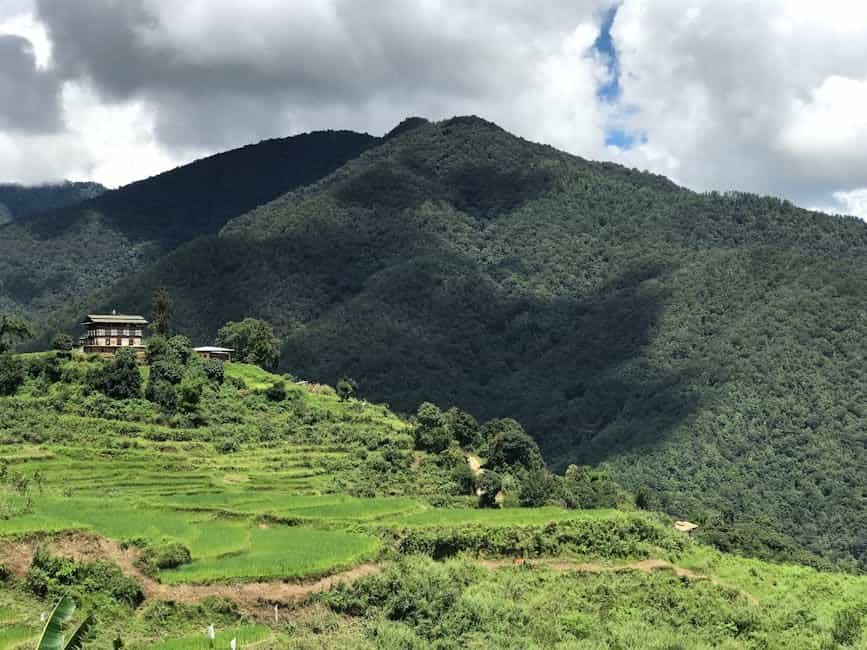
- Fertile river valley with terraced fields and traditional villages
- Scenic, challenging hikes (notably the Tiger's Nest trail) and high passes
- One of the world's most scenic and technically demanding commercial airport approaches
Things to do
- Hike the Tiger's Nest trail (moderate to strenuous, ~2–4 hours each way depending on pace)
- Tour Rinpung Dzong and Ta Dzong (National Museum) with a guide
- Attend or observe archery practice — Bhutan's national sport
- Day trips to Chele La Pass, short treks and nature walks for birdwatching
- Explore Paro town markets, handicraft shops and local eateries
- River rafting (seasonal) and gentle cycling around the valley
Festivals & Events
- Paro Tsechu — the major annual religious festival (masked dances, usually in spring)
- Local village tsechus and seasonal archery tournaments
- Weekend market days and seasonal agricultural celebrations
Best Time to Visit
Spring (March–May) and Autumn (September–November) — best visibility, moderate temperatures and festival season. Winter (Dec–Feb) is colder with clearer skies but possible snow at higher passes; monsoon (June–August) brings rain and reduced visibility.
Weather Conditions
Valley climate with warm, sunny days in spring/autumn, cool nights. Summer monsoon brings rain and humidity; winters can be cold at night and chilly at altitude. Temperatures in Paro town typically range from ~5°C (winter nights) to ~25°C (summer days) depending on season and elevation.
Accessibility
Paro International Airport (PBH) is Bhutan's primary international gateway; flights operate from select regional hubs (operators and routes vary). The airport approach is mountainous and limited to qualified pilots. From Paro, Thimphu is a 1–1.5 hour drive by road. Public transport is limited — most travel (especially for independent tourists) is arranged by tour operators, taxis and shared jeeps.
Recommended Duration
For Paro alone: 2–4 days (day hike to Tiger's Nest, museum/dzong visits, local exploration). For a broader Bhutan trip that includes Thimphu and Punakha: 5–10 days.
Clothing & Gear Tips
Layered clothing (temperatures vary by time of day), sturdy hiking boots for rocky trails, a light waterproof jacket for rain, warm fleece or down jacket for cool mornings/evenings and higher-altitude passes, sunhat and sunscreen, walking poles if you prefer extra support on steep sections.
Local Food & Souvenirs
Try ema datshi (chili and cheese stew), momos (dumplings), buckwheat dishes and local butter tea. For souvenirs, look for hand-woven Bhutanese textiles, traditional thangka paintings, hand-carved wooden masks, and artisan goods (handmade scarves, silver or silver-gilt religious items). Purchase from reputable shops or cooperative stalls to support local artisans.