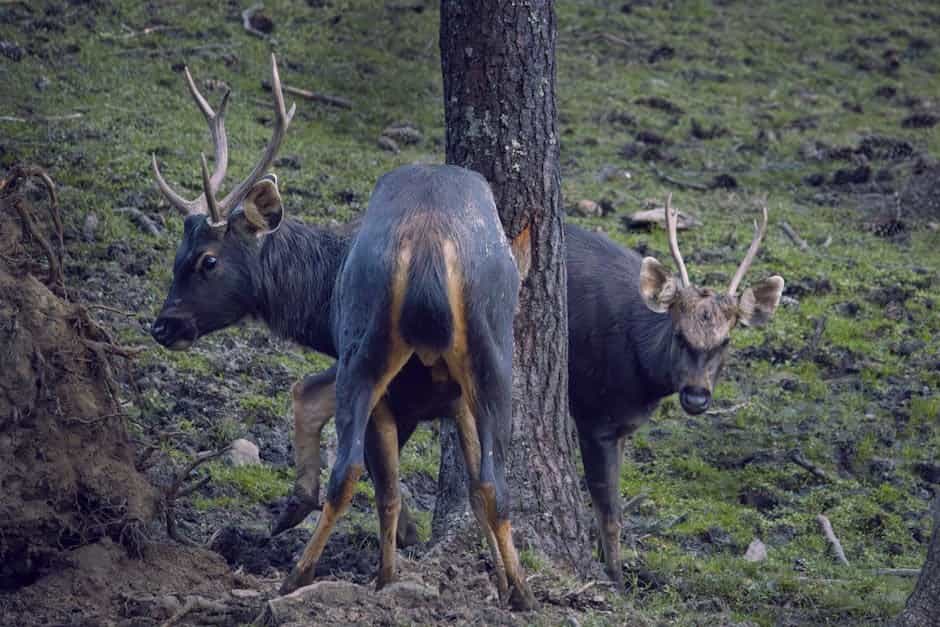
Thimphu, Bhutan
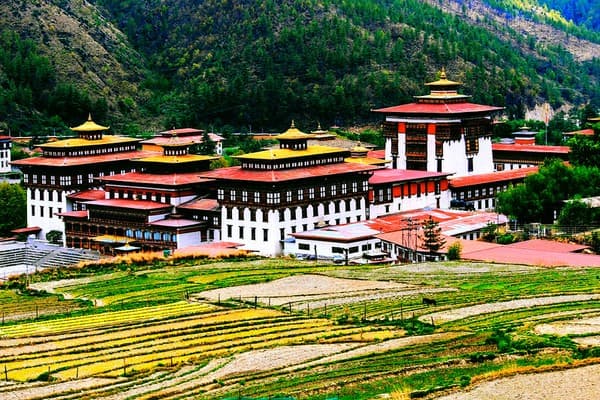
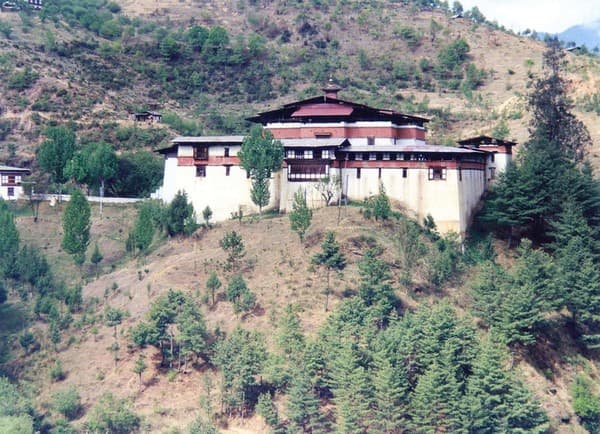
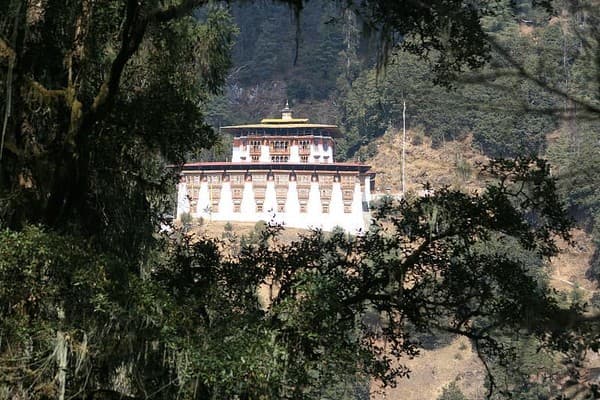
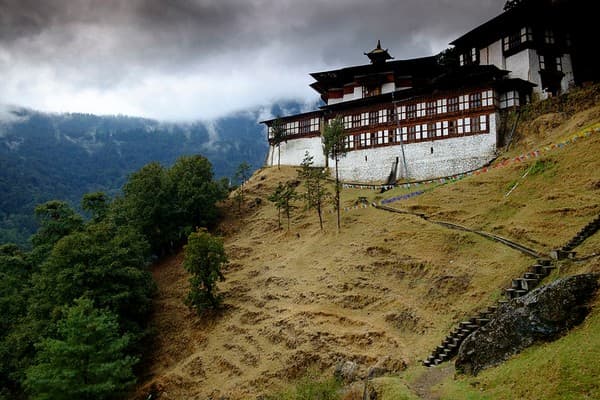
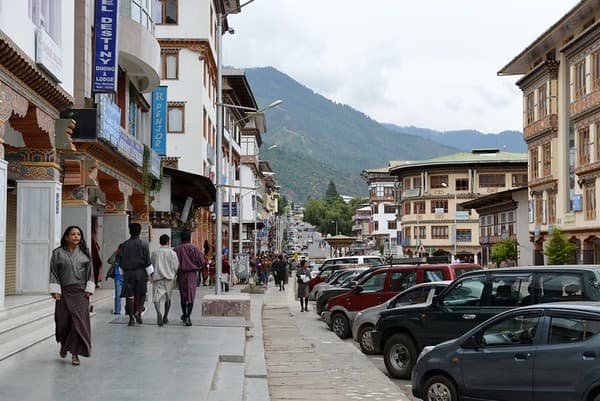
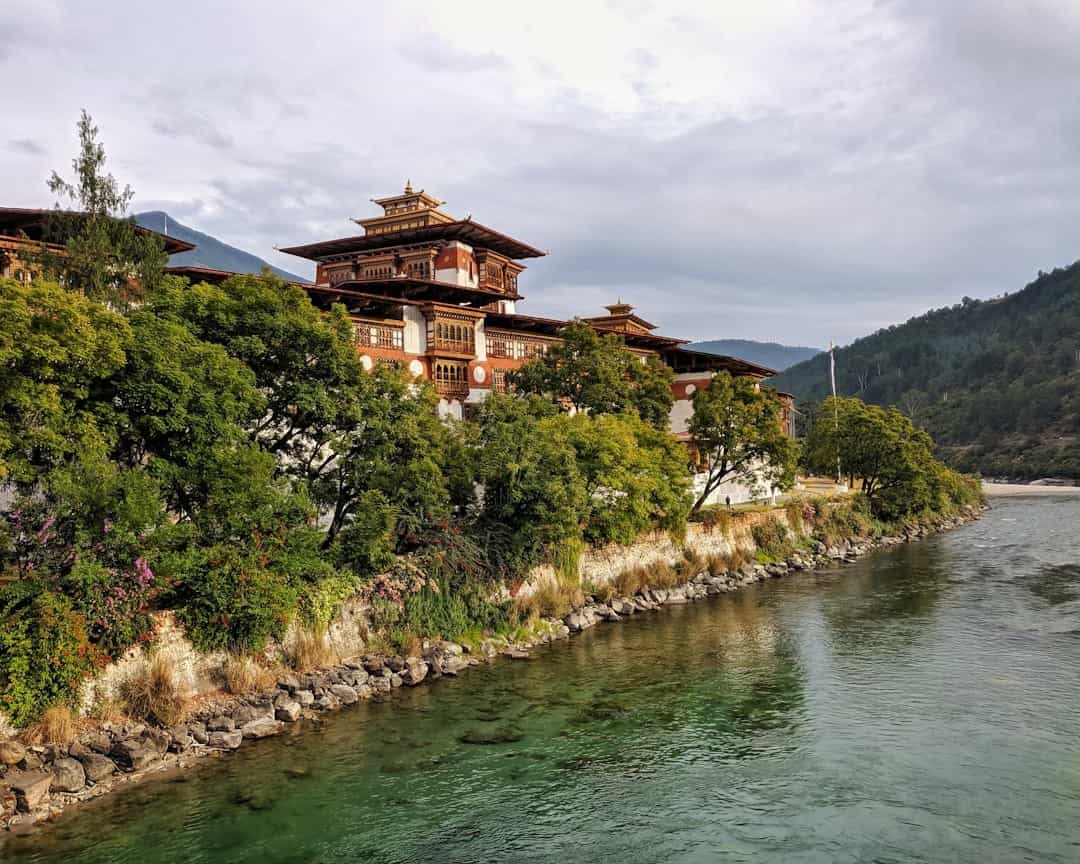
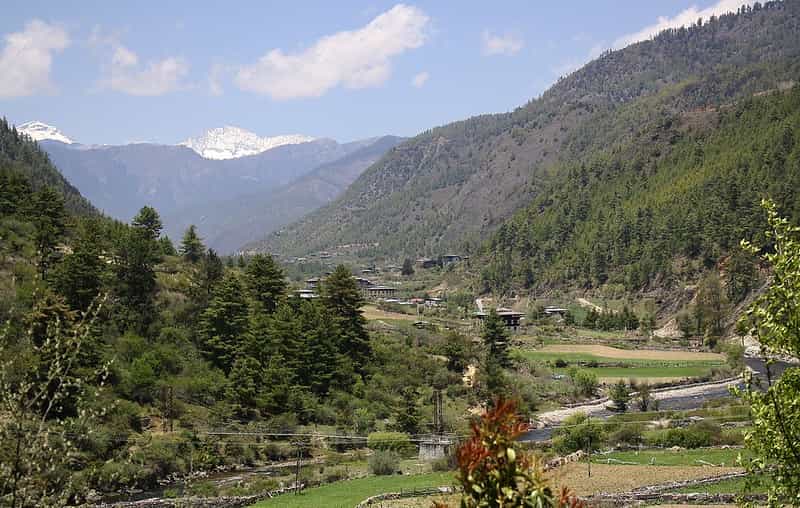
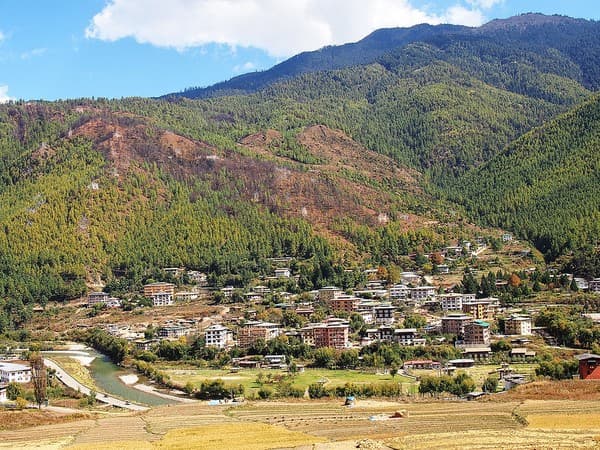
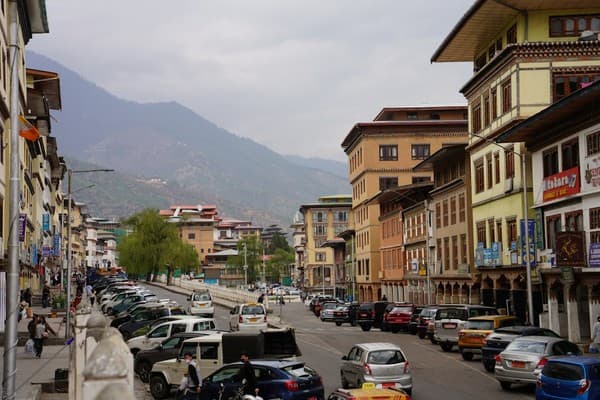
Thimphu is the capital and largest city of Bhutan and the country’s political and cultural heart. It houses the royal and government institutions, major dzongs (fortress-monasteries) and monasteries, and important cultural institutions such as the National Library and the Folk Heritage Museum. The city blends traditional Bhutanese architecture with modern administration and is an anchor for the nation’s identity shaped by Vajrayana Buddhism and the Gross National Happiness philosophy. The surrounding valley, rivers and nearby hills provide important natural landscapes and biodiversity corridors.
Last updated: 16 Jan 2026
Places to visit
- Tashichho Dzong (historic dzong and government seat)
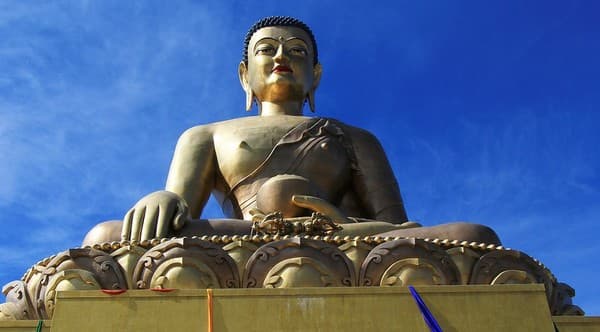
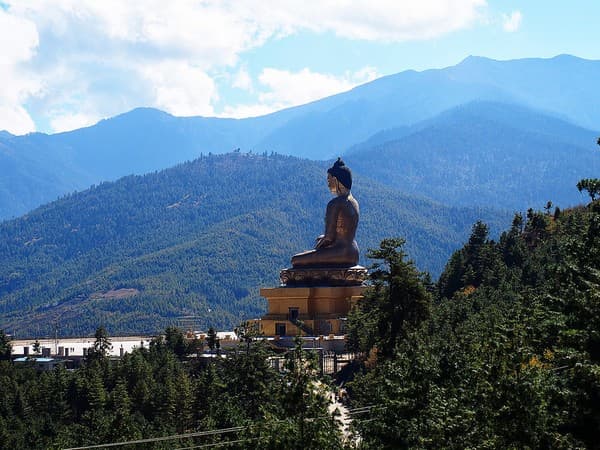
- Buddha Dordenma (giant Buddha statue with valley views)
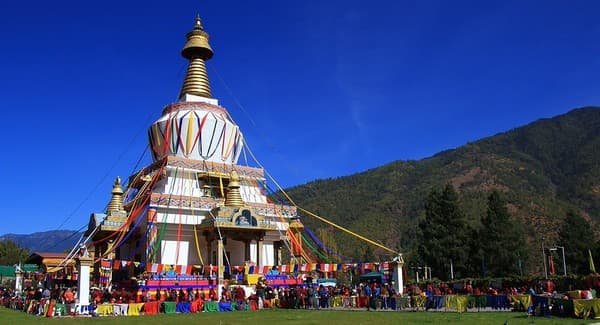
- Memorial Chorten (prominent religious monument)
- National Library and Archives
- Folk Heritage Museum and Folk Heritage Park
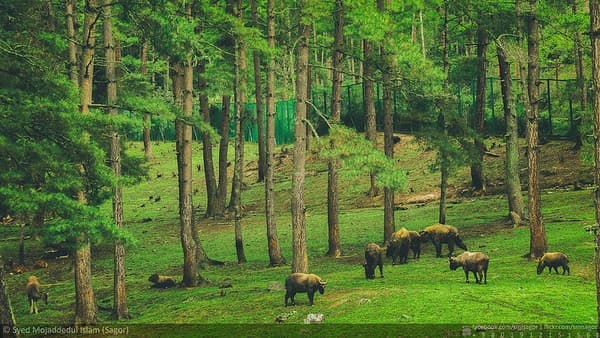
- Motithang Takin Reserve (home of Bhutan’s national animal, the takin)
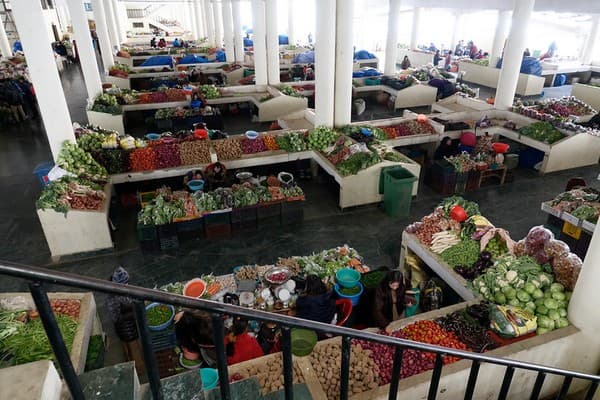
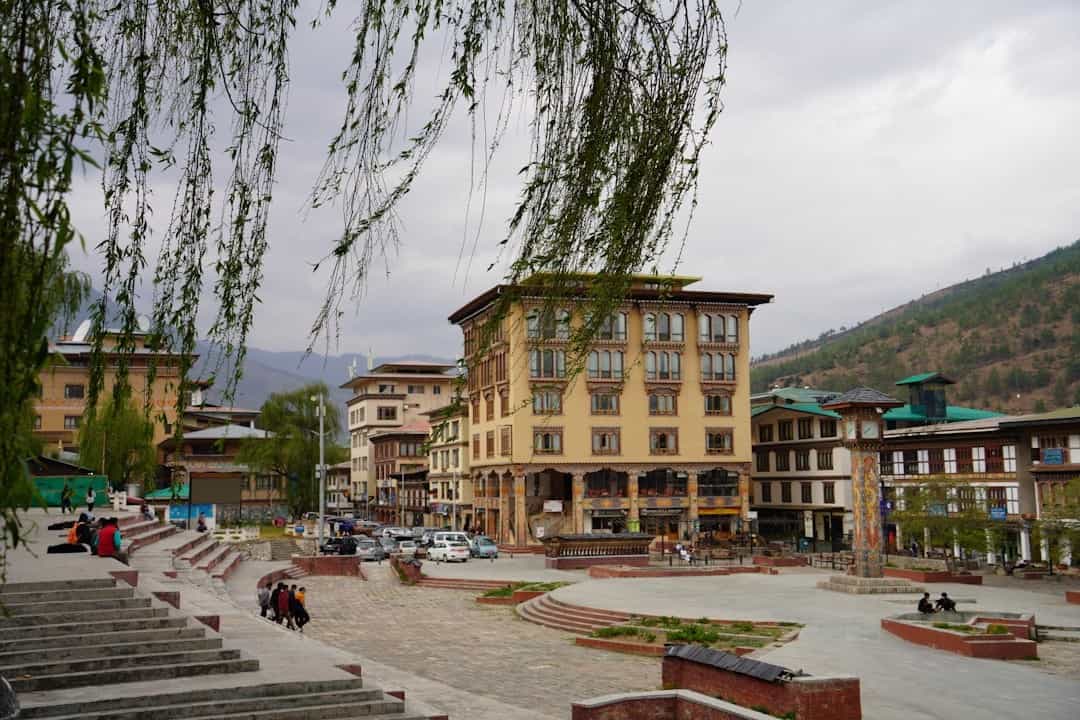
- Clock Tower Square and the city market
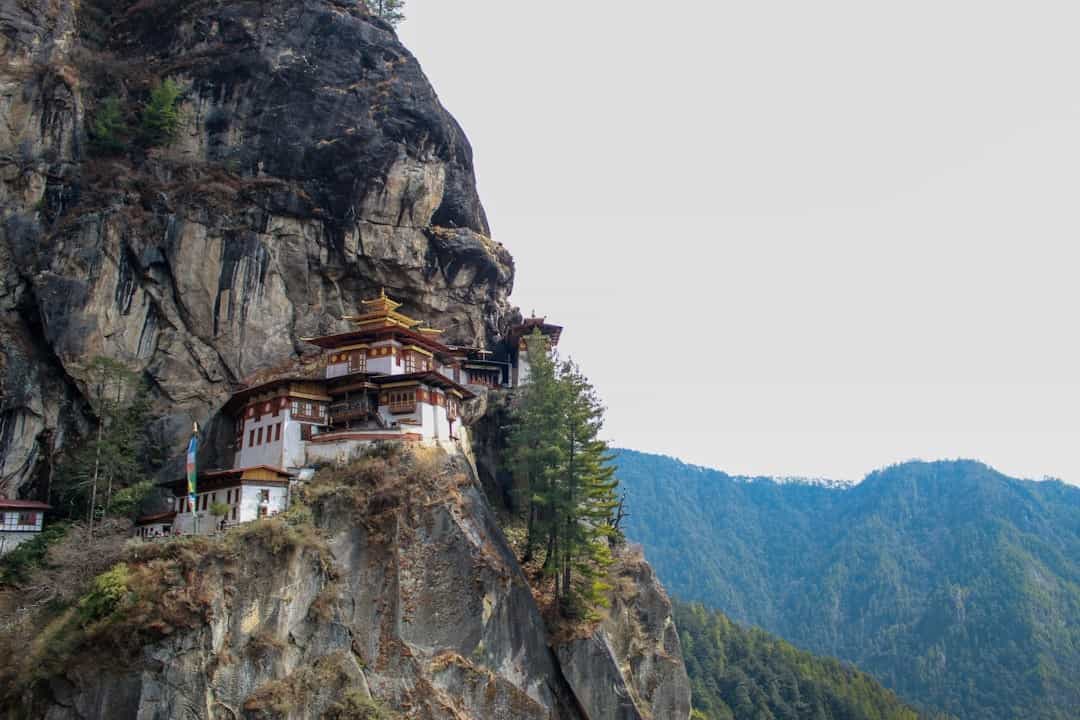
- Tango and Cheri Monasteries (short hikes with panoramic views)
- Thimphu Weekend Market (local produce and handicrafts)
Unique Aspects
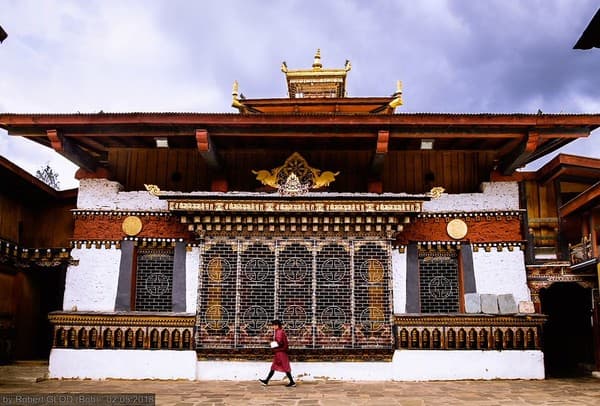
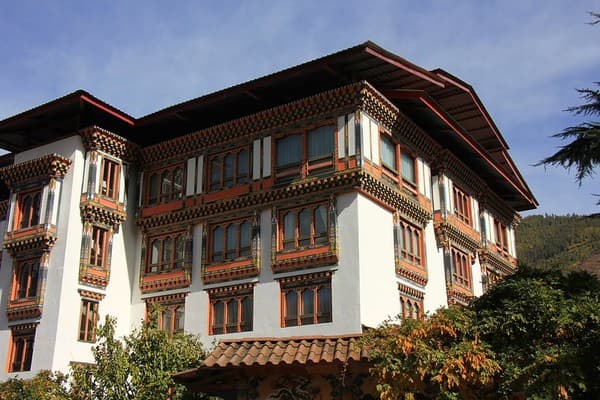
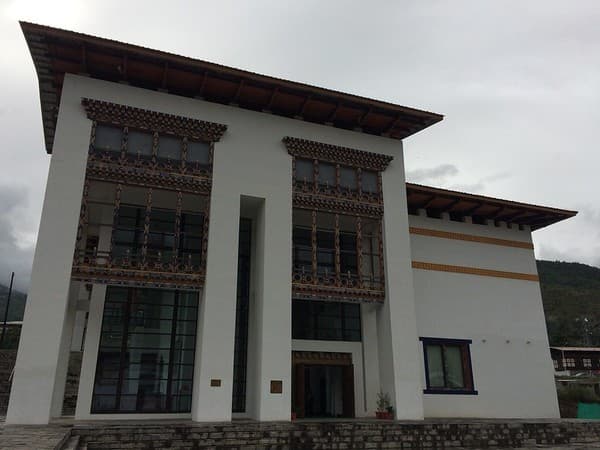
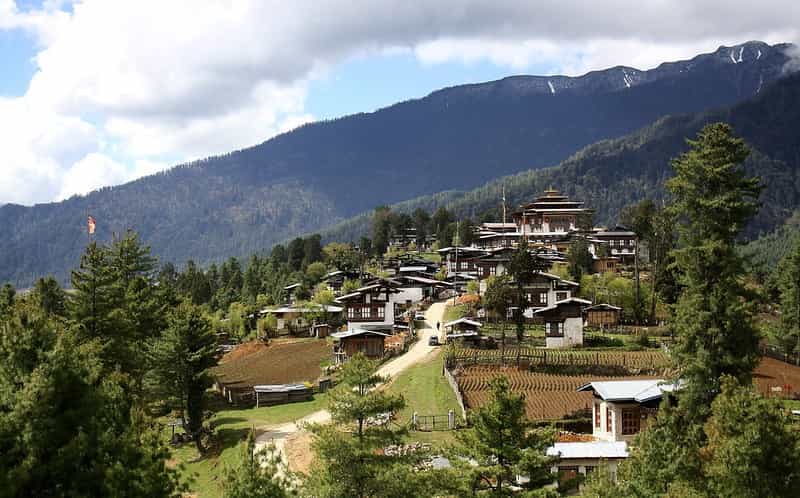
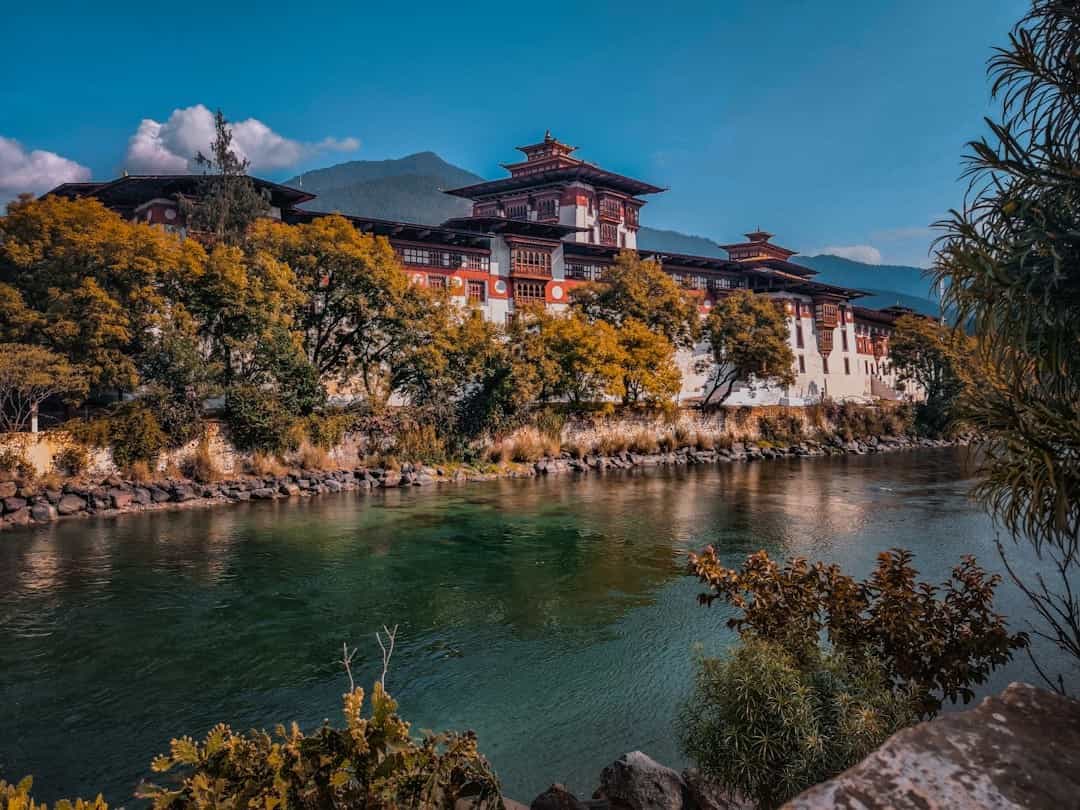
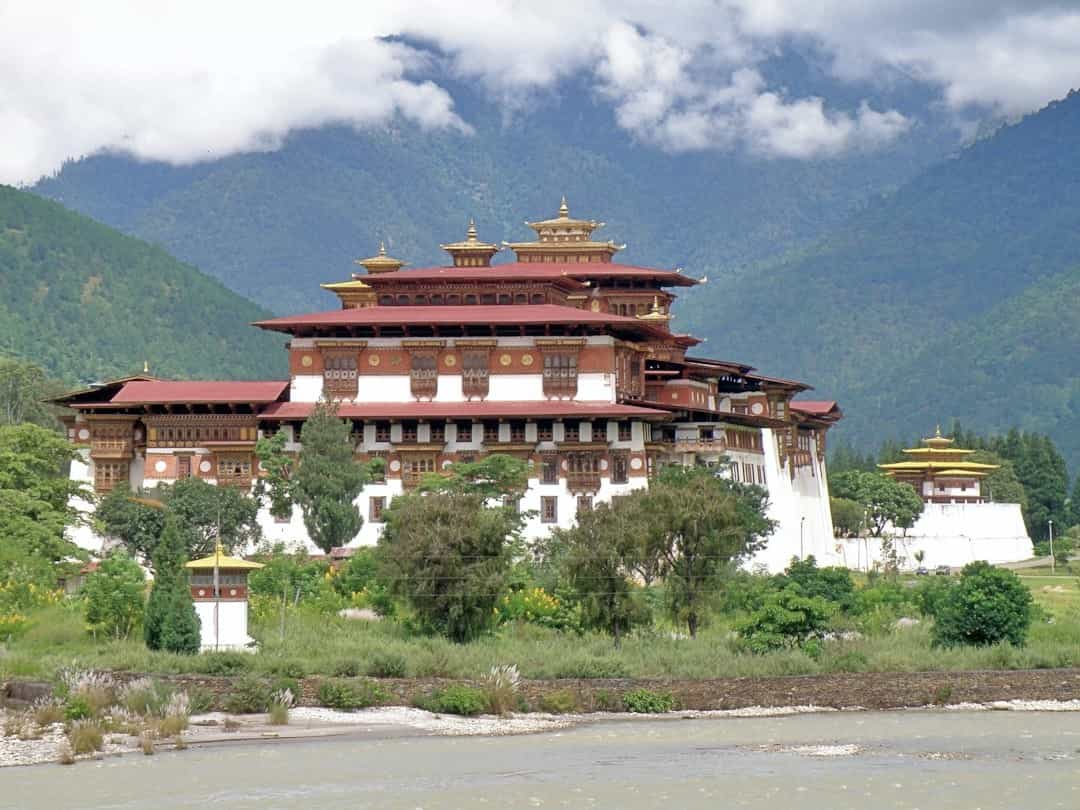
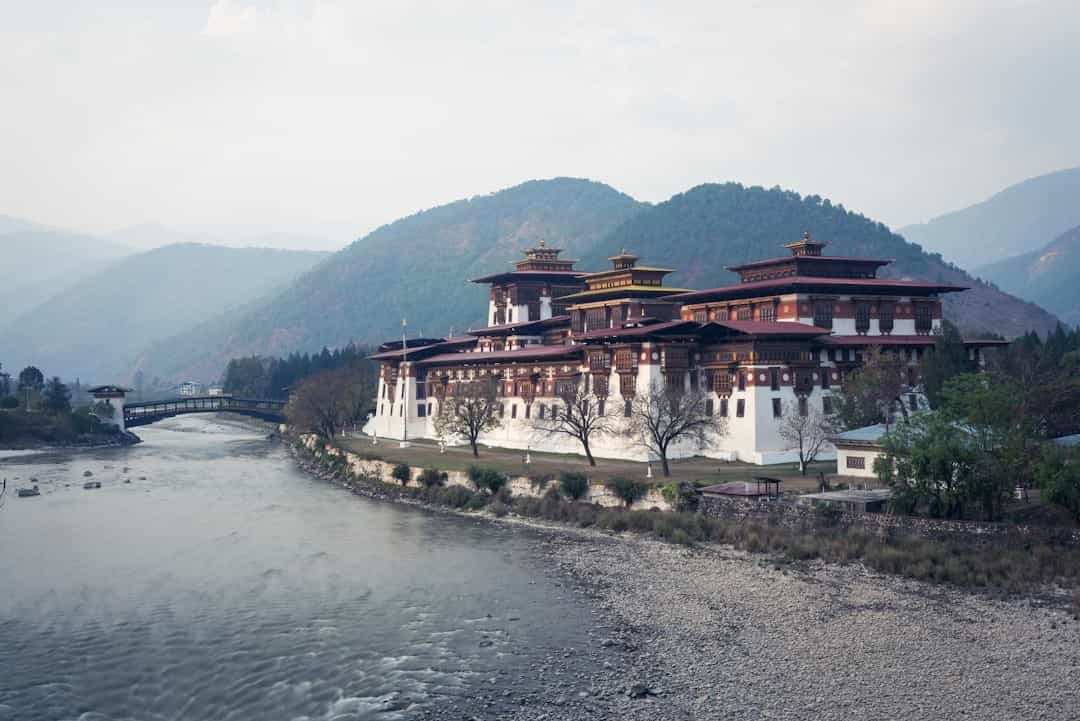
- Distinctive Bhutanese dzong and vernacular architecture
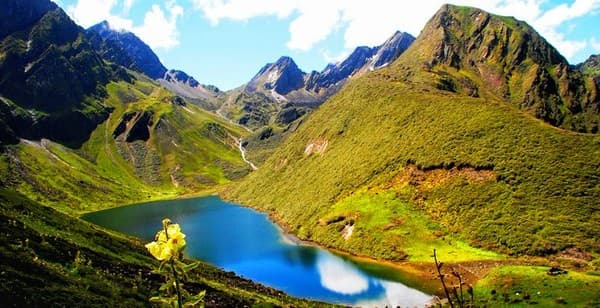
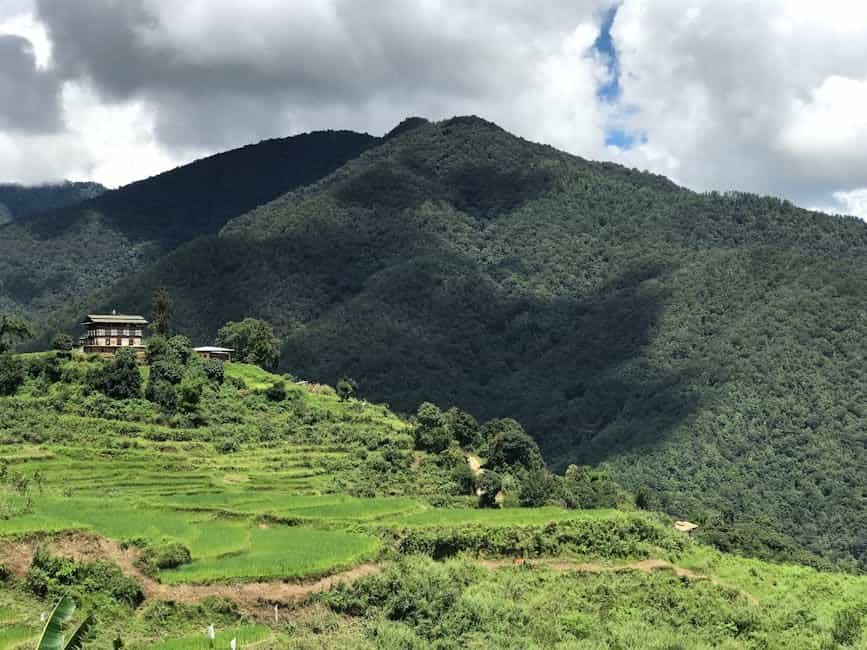
- Scenic Himalayan valley vistas and rhododendron forests
- Unique wildlife such as the takin and varied birdlife
- Strong living traditions in crafts: thangka painting, weaving, woodcarving
- A compact capital that retains a traditional atmosphere despite modernization
Things to do
- Attend a ritual or mask dance at a tshechu (festival) when in season
- Explore dzongs, monasteries and the giant Buddha with panoramic walks
- Short hikes to Tango and Cheri for views and monastery visits
- Shop for hand-woven textiles, thangkas and wooden masks
- Join a cooking class or food tour to sample Bhutanese cuisine
- Observe or watch local archery (national sport) and cultural performances
- Visit museums to learn about Bhutanese history, religion and crafts
Festivals & Events
- Thimphu Tshechu (main religious mask-dance festival held annually; dates vary with the lunar calendar)
- Royal and national celebrations (for example, Bhutan National Day on 17 December)
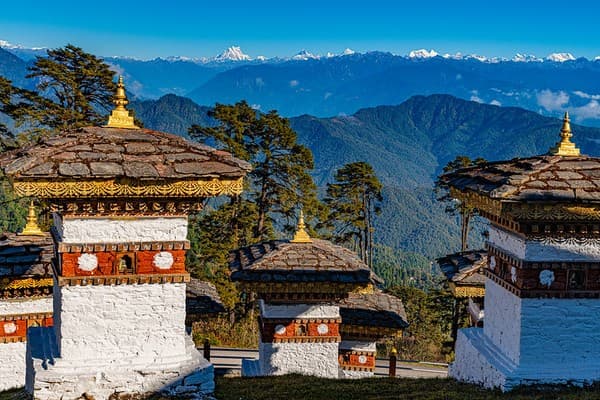
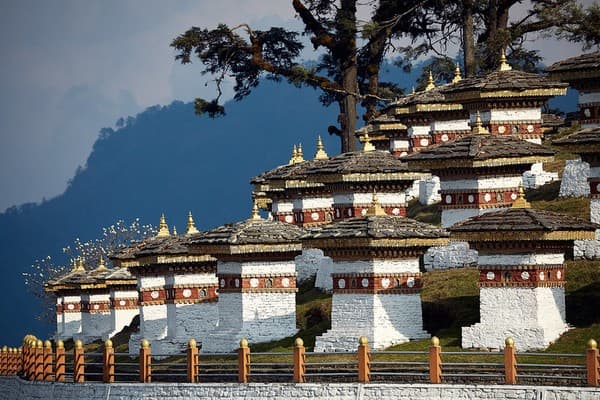
- Dochula Druk Wangyel Festival at nearby Dochula Pass (December — features traditional displays and ceremonies)
- Weekend market gatherings and seasonal local fairs
Best Time to Visit
Spring (March–May) for rhododendrons and clear skies, and autumn (September–November) for stable weather and festival season. Winter (December–February) is dry and crisp but cooler; monsoon (June–August) brings rain and limited visibility.
Weather Conditions
Thimphu has a temperate mountain climate: cool, mild summers with a rainy monsoon period; chilly, dry winters with occasional frost and snow at higher elevations. Day–night temperature swings are common, especially outside summer months.
Accessibility
Nearest airport: Paro International Airport (approx. 50–70 minutes by road depending on conditions). Thimphu is connected by road to other major Bhutanese towns (Punakha, Phuentsholing). Local transport includes taxis, organized tour vehicles and limited public buses. Most visitors travel with a driver-guide due to permit requirements for many itineraries. There is no rail service. The city center is walkable but hilly; some attractions require short drives or uphill walks.
Recommended Duration
Plan 2–3 full days in Thimphu to see major cultural sites at a relaxed pace; combine with 3–7 days more to visit nearby valleys (Punakha, Paro, Dochula) for a fuller Bhutan experience.
Clothing & Gear Tips
Pack layered clothing (temperatures vary by time of day and season), a warm jacket for mornings/evenings (especially in winter), a waterproof outer layer for monsoon months, comfortable walking shoes, and modest clothing (shoulders and knees covered) for visiting dzongs and monasteries.
Local Food & Souvenirs
Must-try foods: ema datshi (chili and cheese, national dish), momos (dumplings), red rice, and local butter tea (suja). Popular souvenirs: hand-woven textiles and garments, thangka paintings, wooden masks, bamboo and woodcrafts, and local honey and spices.
Things to Do near Thimphu
Places near Thimphu