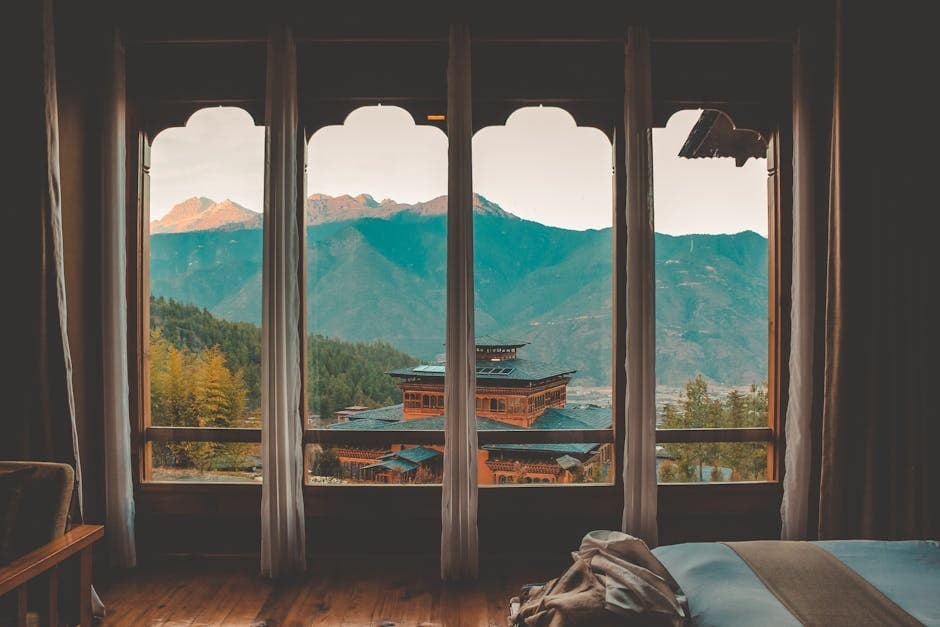
Can I Use Indian Currency in Bhutan? Your Complete Money Guide
Imagine standing at the foot of the majestic Tiger's Nest Monastery, ready to pay for your prayer flags, when suddenly you realize you're not sure which currency to pull out. Sound familiar? If you're planning a trip to the mystical Kingdom of Bhutan, understanding how money works in this Himalayan paradise is absolutely essential—and surprisingly straightforward once you know the rules.
Here's the exciting news that makes Bhutan uniquely accessible for Indian travelers: yes, you can absolutely use Indian currency in Bhutan! But before you start packing your wallet with nothing but Indian Rupees, let's dive deep into everything you need to know about money, payments, and financial logistics in the Land of the Thunder Dragon.
The Special Relationship: Indian Rupees and Bhutanese Ngultrum
Bhutan shares a fascinating monetary relationship with India that dates back decades. The Bhutanese Ngultrum (BTN) is pegged to the Indian Rupee (INR) at a 1:1 ratio, meaning one Ngultrum equals one Rupee. This isn't just a convenient exchange rate—it's a fixed peg that makes financial transactions remarkably simple.
Why This Matters for Travelers
- No exchange rate calculations needed between INR and BTN
- Indian Rupees are widely accepted throughout Bhutan
- Both currencies circulate freely in the local economy
- No commission fees for currency conversion between the two
This unique arrangement stems from the close bilateral ties between India and Bhutan, making it one of the most traveler-friendly currency situations in all of Asia.
Where Can You Use Indian Rupees in Bhutan?
The acceptance of Indian currency in Bhutan is remarkably widespread, but there are some nuances worth understanding.
Places That Readily Accept INR
- Hotels and guesthouses (from budget to luxury)
- Restaurants and cafes in major towns
- Local shops and markets in Thimphu and Paro
- Taxi services and local transportation
- Tourist attractions and entry fees
- Handicraft stores and souvenir shops
Important Denomination Restrictions
Here's a crucial detail that catches many travelers off guard: Indian currency notes of ₹500 and ₹2000 denominations are NOT accepted in Bhutan. This restriction exists because Bhutan cannot exchange these high-value notes back with the Reserve Bank of India.
Pro tip: Carry plenty of ₹10, ₹20, ₹50, ₹100, and ₹200 notes for seamless transactions throughout your trip.
Digital Payments in Bhutan: The Modern Reality
Now, let's address the burning question for our digitally-savvy travelers: Can you tap, scan, and pay your way through Bhutan?
The Current Digital Payment Landscape
Bhutan has been making significant strides in digital payment adoption, but it's still a developing infrastructure. Here's what you need to know:
What Works:
- International credit and debit cards (Visa and Mastercard) are accepted at most hotels, upscale restaurants, and larger shops in Thimphu and Paro
- Bhutan's national payment system called BHIM (Bhutan Immediate Payment) is growing
- Some establishments accept payments through QR codes
What Doesn't Work (Yet):
- Indian UPI apps like Google Pay, PhonePe, and Paytm do not work in Bhutan
- Mobile wallets from other countries have limited to no functionality
- Contactless payments are rare outside major hotels
ATM Availability and Reliability
ATMs exist in Bhutan's main towns, particularly Thimphu, Paro, and Punakha. However, here's the reality check:
- ATMs dispense Bhutanese Ngultrum only
- International card acceptance can be inconsistent
- Transaction limits may be lower than you're accustomed to
- ATM outages in remote areas are common
- Withdrawal fees vary by your home bank
Insider tip: Always carry enough cash for 2-3 days of expenses as a backup, especially when traveling to remote dzongkhags (districts).
Smart Money Strategies for Your Bhutan Trip
For Indian Tourists
Indian nationals have the unique advantage of traveling to Bhutan without the mandatory Sustainable Development Fee (SDF), making budget management much simpler.
Recommended approach:
- Bring 70% of your budget in small-denomination INR notes
- Carry one international credit card as backup
- Keep a small emergency fund in USD or EUR
- Exchange some INR for Ngultrum at the airport for convenience
For International Tourists
International visitors must book through a licensed tour operator and pay the daily SDF of $100, which covers accommodation, meals, transport, and a guide.
Recommended approach:
- Your major expenses are pre-paid through your tour package
- Bring $200-300 equivalent in cash for personal expenses
- Carry a mix of USD and smaller INR notes (₹100 and below)
- Have at least two different payment cards from different banks
Practical Tips for Hassle-Free Transactions
Before You Travel
- Inform your bank about your Bhutan travel dates to prevent card blocks
- Check international transaction fees on your cards
- Download offline maps since internet connectivity affects digital payments
- Get crisp, clean notes—damaged currency may be refused
During Your Trip
- Always ask about payment methods before ordering or purchasing
- Keep small notes handy for tips and small purchases
- Save receipts for any card transactions
- Count your change carefully—both currencies look similar
Money Exchange Tips
- Best rates are typically found at Bank of Bhutan branches
- Paro Airport has exchange counters open for flight arrivals
- Hotels often offer exchange but at slightly lower rates
- Avoid street money changers—stick to official channels
What About Tipping in Bhutan?
Tipping isn't traditionally part of Bhutanese culture, but it's becoming more common in tourist areas. If you wish to tip:
- Guides: ₹500-1000 per day is appreciated
- Drivers: ₹300-500 per day
- Hotel staff: ₹50-100 for exceptional service
- Restaurant servers: 5-10% if service charge isn't included
Small denomination Indian Rupees work perfectly for tipping!
Common Money Mistakes to Avoid
- Carrying only ₹500/₹2000 notes and finding them refused everywhere
- Relying solely on digital payments in a cash-preferred economy
- Not carrying enough cash to remote areas like Bumthang or Haa
- Forgetting to notify your bank and having cards blocked
- Exchanging money at unfavorable rates due to poor planning
The Bottom Line: Your Bhutan Money Checklist
Before you embark on your Himalayan adventure, ensure you have:
- Sufficient small-denomination INR (₹100 and below)
- Some Bhutanese Ngultrum for convenience
- At least one international card (Visa/Mastercard preferred)
- Emergency USD/EUR ($50-100 equivalent)
- Bank notification completed for international travel
- Digital copies of all financial documents
Final Thoughts
Bhutan's monetary system is refreshingly simple for Indian travelers and manageable for international visitors with proper preparation. While the kingdom is gradually embracing digital payments, cash remains king in this enchanting Himalayan nation.
The key to financial peace of mind in Bhutan? Come prepared with the right denominations, don't over-rely on technology, and always have a backup plan. With these strategies in place, you can focus on what really matters—soaking in the breathtaking landscapes, ancient monasteries, and warm Bhutanese hospitality that make this kingdom truly magical.
Ready to explore the Land of the Thunder Dragon? Start planning your trip today, and may your journey be as smooth as your transactions!
Leave a Comment
Explore Bhutan
Ready to plan your trip? Check out our complete travel guide and packages.