Local Transportation Options in Bhutan: Your Complete Guide
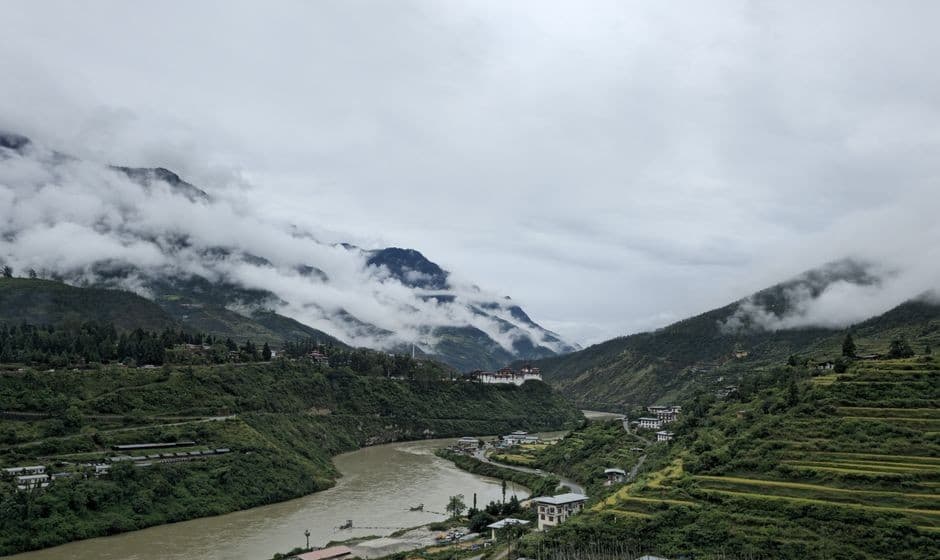
Imagine winding through mist-shrouded mountains, past ancient monasteries clinging to cliffsides, and through valleys painted in prayer flags. Getting around Bhutan isn't just about reaching your destination—it's an adventure in itself. But here's the thing: transportation in Bhutan works quite differently from anywhere else you've traveled.
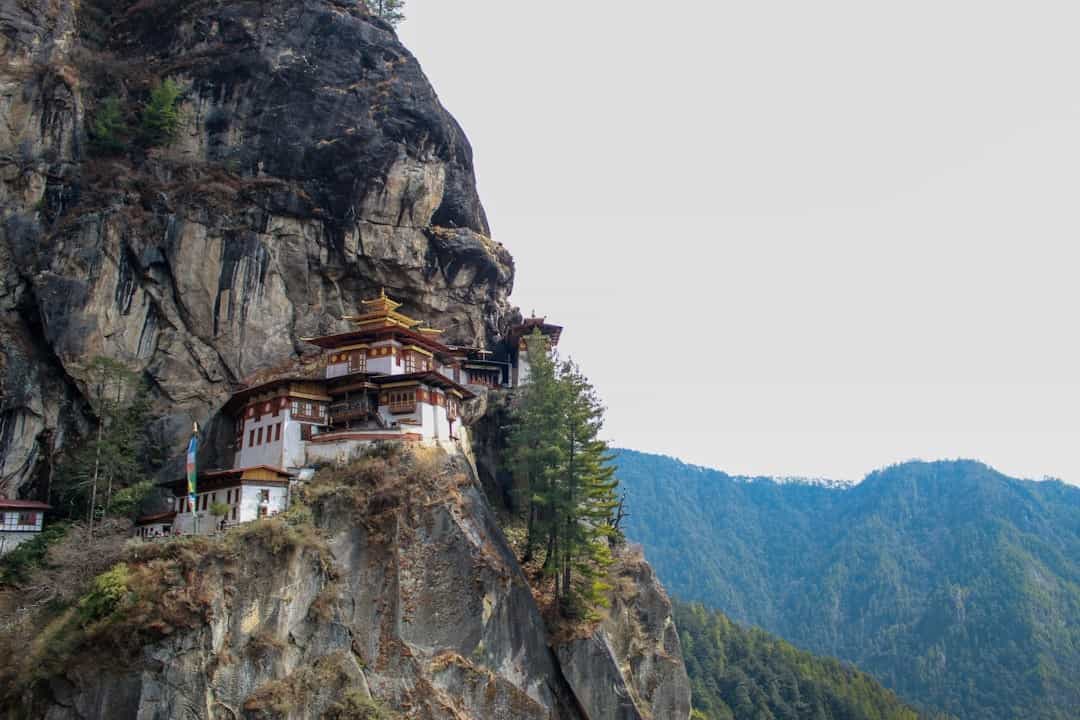
As one of the world's most exclusive destinations, Bhutan maintains a unique approach to tourism that directly impacts how you'll move around the country. Whether you're dreaming of reaching the iconic Taktsang (Tiger's Nest) Monastery or exploring remote eastern villages, understanding your transportation options is essential for planning an unforgettable journey through this Himalayan kingdom.
Let's dive into everything you need to know about getting around Bhutan!
Understanding Bhutan's Unique Tourism Model
Before we explore specific transportation options, it's crucial to understand something that sets Bhutan apart: all international tourists (except Indian, Bangladeshi, and Maldivian nationals) must book through a licensed tour operator and pay a Sustainable Development Fee (SDF) of $100 per night.
This policy directly affects transportation because your tour package typically includes:
- A licensed Bhutanese guide
- A dedicated driver
- A private vehicle
This means most visitors won't need to navigate public transportation at all! However, understanding all available options helps you appreciate the local culture and might come in handy during your trip.
Primary Transportation Options in Bhutan
1. Private Vehicles with Driver (Most Common for Tourists)
For the vast majority of international visitors, private vehicles arranged through tour operators are the primary mode of transportation. Here's what you can expect:
- Vehicle Types: Toyota Land Cruisers, Hyundai SUVs, and comfortable sedans are standard
- Driver Expertise: Drivers are experienced in navigating Bhutan's challenging mountain roads
- Flexibility: You can request stops for photos, bathroom breaks, or spontaneous exploration
- Comfort Level: Vehicles are well-maintained and suitable for long journeys
Pro Tip: Request a vehicle with good suspension—Bhutan's roads, while scenic, can be bumpy in places!
2. Taxis in Major Towns
In Thimphu, Paro, and other larger towns, local taxis are readily available:
- Identification: Look for vehicles with yellow license plates
- Metering: Most taxis don't use meters; negotiate fares before boarding
- Typical Fares: Short trips within Thimphu cost around Nu. 100-200 ($1.20-$2.50)
- Availability: Easily found near markets, hotels, and major landmarks
Taxi Tips:
- Always agree on the price before starting your journey
- Carry small denominations of Ngultrum (Bhutanese currency)
- Hotel staff can help negotiate fair prices
- Taxis can be hired for half-day or full-day excursions
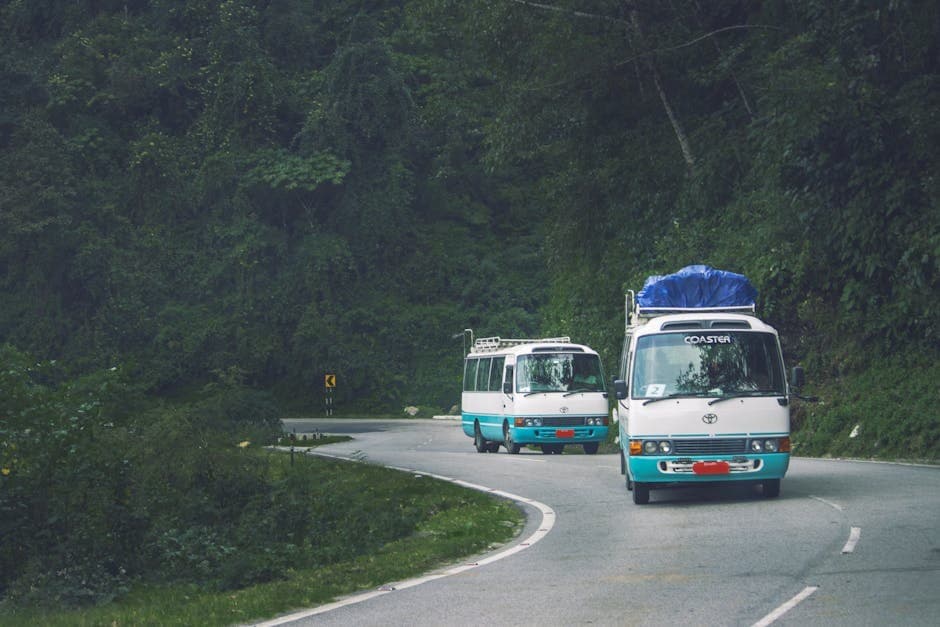
3. Public Buses
Bhutan has a public bus network connecting major towns, though it's rarely used by tourists:
- Routes: Services run between Thimphu, Paro, Punakha, and eastern districts
- Frequency: Limited schedules, often one or two departures daily
- Cost: Extremely affordable (a few dollars for long distances)
- Comfort: Basic seating, no air conditioning, frequent stops
Insider Knowledge: The Thimphu-Paro route is the most frequent, with multiple daily buses. It's a great way to experience local life if your tour operator allows flexibility.
4. Domestic Flights
For covering long distances quickly, Druk Air and Bhutan Airlines operate limited domestic routes:
- Key Routes: Paro to Bumthang Valley, Paro to Yongphula (near Trashigang)
- Aircraft: Small propeller planes (typically ATR 42)
- Flight Duration: 25-30 minutes versus 8-10 hours by road
- Scenery: Spectacular aerial views of the Himalayas
- Booking: Must be arranged through your tour operator
Important: Domestic flights are weather-dependent and can be canceled or delayed. Always have a backup plan!
Alternative Transportation Methods
Hiking and Trekking
Bhutan's most iconic experiences often require traveling on foot:
- Tiger's Nest Monastery: A 4-5 hour round-trip hike (no vehicles allowed)
- Multi-day Treks: Snowman Trek, Druk Path Trek (4–6 days), and Jomolhari Trek
- Village Walks: Many remote villages are accessible only by foot
Horseback and Pony Rides
For those who prefer not to hike or need assistance:
- Tiger's Nest: Ponies available for the first half of the climb (Nu. 1,000-1,500)
- Trekking Routes: Pack horses carry luggage on multi-day treks
- Cultural Experience: Traditional way of transportation in mountainous regions
Bicycles
Cycling is gaining popularity, especially for adventurous travelers:
- Mountain Biking Tours: Specialized operators offer guided cycling trips
- Rental Availability: Limited; best arranged through tour operators
- Best Routes: Thimphu Valley, Punakha Valley, and the Bumthang region
Navigating Bhutan's Roads: What to Expect
Road Conditions
Bhutan's road infrastructure has improved dramatically, but expect:
- Winding Mountain Roads: Hairpin turns are the norm
- Altitude Changes: Routes regularly climb above 3,000 meters
- Seasonal Challenges: Monsoon season (June-August) can cause landslides
- Construction Zones: Road widening projects are ongoing
For more detail on planning travel between regions, see our guide on how to plan transportation between valleys in Bhutan.
Travel Times Between Major Destinations
| Route | Distance | Approximate Time |
|---|---|---|
| Paro to Thimphu | 65 km | 1.5 hours |
| Thimphu to Punakha | 77 km | 2.5-3 hours |
| Punakha to Bumthang | 200 km | 7-8 hours |
| Thimphu to Phobjikha Valley | 130 km | 4-5 hours |
Note: Times can vary significantly based on weather, road conditions, and stops.
Practical Tips for Getting Around Bhutan
Motion Sickness Preparation
Bhutan's winding roads affect many travelers:
- Bring motion sickness medication
- Sit in the front seat if possible
- Keep ginger candies handy
- Stay hydrated and avoid heavy meals before long drives
Photography Stops
Don't hesitate to ask your driver to stop for photos! Popular viewpoints include:
- Dochula Pass: 108 memorial chortens with Himalayan backdrop
- Buddha Dordenma: Giant Buddha statue overlooking Thimphu
- Suspension Bridges: Scattered throughout the country
Respecting Local Customs
- Remove shoes when entering temples (you'll walk to many)
- Dress modestly, especially at religious sites
- Ask permission before photographing locals
Budget Considerations for Transportation
Since transportation is included in mandatory tour packages, separate costs are minimal:
- Pony Hire: Nu. 1,000-1,500 ($12-18)
- Local Taxi Rides: Nu. 100-500 ($1.20-6)
- Domestic Flights: $150-250 (if added to itinerary)
- Bicycle Rental: $20-40 per day through operators
Final Thoughts: Embracing the Journey
Getting around Bhutan is unlike transportation anywhere else in the world. The mandatory tour structure might seem restrictive at first, but it actually removes the stress of navigation and logistics, allowing you to fully immerse yourself in the country's breathtaking beauty and rich culture.
Key Takeaways:
- Most transportation is included in your mandatory tour package
- Private vehicles with drivers are the standard for international tourists
- Domestic flights can save time on east-west journeys
- Walking and hiking are essential for reaching many attractions
- Pack motion sickness remedies for winding mountain roads
- Embrace the slow pace—the journey is part of the experience
Whether you're winding through rhododendron forests, crossing ancient bridges, or hiking to clifftop monasteries, every moment of transportation in Bhutan offers a window into this magical kingdom. So sit back, enjoy the ride, and let the Land of the Thunder Dragon reveal its wonders one mountain pass at a time.
Ready to explore Bhutan? Start by contacting a licensed Bhutanese tour operator to plan your transportation and itinerary. Tashi Delek!
Leave a Comment
Explore Bhutan
Ready to plan your trip? Check out our complete travel guide and packages.