Rhododendron Season in Sikkim – When & Where to See the Blooms
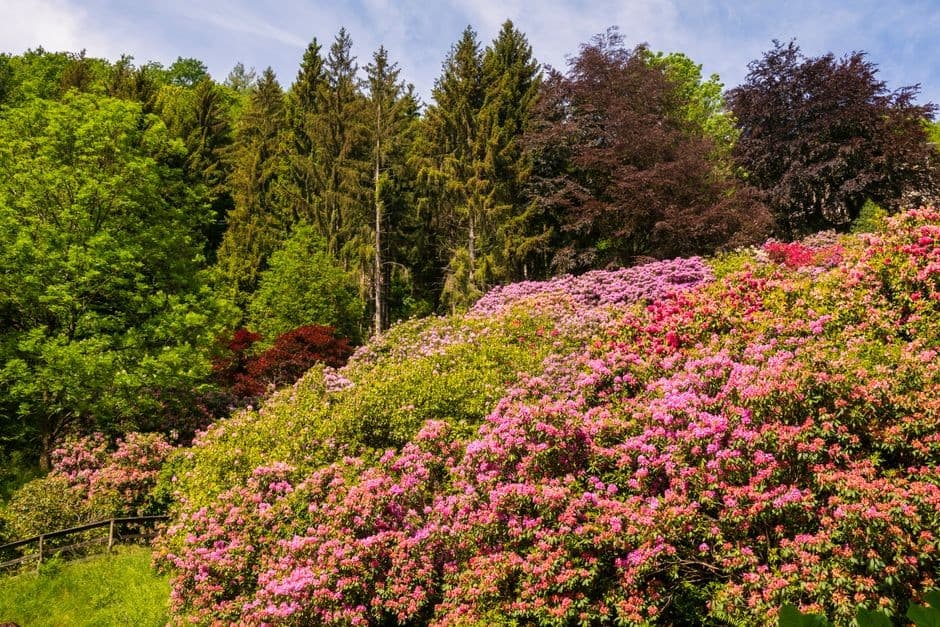
Few spectacles in the Indian Himalayas rival the sight of an entire mountainside blushing crimson, ivory, and magenta under a canopy of snow peaks. Every spring, Sikkim—home to over 36 species of rhododendron, the state tree—erupts into one of the most dazzling wildflower displays on Earth. From subtropical river valleys to windswept ridges above 4,000 metres, wave after wave of bloom rolls uphill as the snow retreats, turning forests and alpine meadows into living watercolour paintings.
If a rhododendron pilgrimage is on your bucket list, here is everything you need to plan the perfect trip.
Why Sikkim Is India's Rhododendron Capital
Sikkim packs an extraordinary vertical range into a tiny footprint. The state stretches from around 300 metres at the Teesta riverbed to 8,586 metres at the summit of Khangchendzonga—India's highest peak and Sikkim's guardian mountain. That dramatic altitude gradient creates a stack of climate zones, each nurturing different rhododendron species. Nearly one-third of the state is protected inside Khangchendzonga National Park, India's only UNESCO Mixed World Heritage Site, where ancient forests harbour some of the rarest varieties.
Add to that Sikkim's pride as India's first fully organic state, and you have landscapes that are remarkably unspoiled—ideal conditions for wildflowers to thrive.
When Do Rhododendrons Bloom in Sikkim?
The bloom is not a single event but a slow-motion wave that chases the snowline uphill over several months:
- Late February – March: The earliest species flower at lower and mid-altitudes (1,500–2,500 m). Forests around Pelling and Ravangla start showing colour.
- April – Mid-May: Peak season. Mid-altitude sanctuaries like Barsey and Kyongnosla Alpine Sanctuary are at their most spectacular, and Yumthang's famous valley meadows hit full stride. This is the window most visitors target.
- Late May – Mid-June: The bloom climbs to high-altitude zones (3,500–4,500 m), carpeting alpine ridges along trekking routes like the Dzongri and Goecha La trails.
Quick Tip
The exact timing shifts by a week or two each year depending on snowfall and temperatures. If you want the best odds of a peak display, aim for the second or third week of April—it's the sweet spot when the largest number of species overlap in bloom.
Where to See Rhododendrons: The Best Spots
1. Yumthang Valley – The Valley of Flowers
Yumthang Valley (Valley of Flowers) is Sikkim's most celebrated rhododendron destination, and for good reason. Sitting at roughly 3,560 metres in North Sikkim, the valley and the adjoining Shingba Rhododendron Sanctuary shelter around 24 species. From late February to mid-June, the meadows transform into ribbons of red, pink, and white against a backdrop of snow-dusted peaks.
- How to reach: Drive from Gangtok to Lachung (about 6–7 hours), then continue 25 km to Yumthang the next morning.
- Stay: Yarlam Resort in Lachung makes a comfortable base for day trips to Yumthang and Zero Point (Yumesamdong).
- Note: The valley usually closes from December to March under snow, and a North Sikkim permit is required.
2. Barsey Rhododendron Sanctuary – The Off-Beat Gem
Tucked into West Sikkim near the Nepalese border, Barsey Rhododendron Sanctuary (Varsey) is an easy 4–5 km forest walk from the hamlet of Hilley. The trail meanders through dense rhododendron groves—some trees towering 12 metres tall—before opening onto a ridge with sweeping Khangchendzonga views. It is quieter than Yumthang and ideal for photographers who want blooms and solitude.
- Best month: April, when the scarlet Rhododendron arboreum and its companions peak.
- How to reach: Drive from Pelling (about 2 hours) or Jorethang. Basic forest-rest-house accommodation is available at Hilley.
3. Kyongnosla Alpine Sanctuary
Located on the Gangtok–Tsomgo road at around 3,300 metres, Kyongnosla is the most accessible sanctuary for anyone already visiting Tsomgo (Changu) Lake. The sanctuary protects several rhododendron species alongside primulas and orchids. A spring walk here pairs beautifully with a stop at the turquoise glacial lake.
- Permit: The same permit used for Tsomgo covers this stretch. Foreigners can visit with a Protected Area Permit.
4. Dzongri & Goecha La Trek
For trekkers, the classic Goecha La trek in Kanchenjunga National Park is a rhododendron immersion experience. Between Yuksom and Dzongri Meadows (2,700–4,000 m), the trail tunnels through forests where at least a dozen species bloom between April and May. At dawn, the flowers glow against the golden light on Khangchendzonga's five summits—a scene that has graced countless magazine covers.
- Best window: Late April to mid-May for combined blooms and clear summit views.
- Permits & guides: Mandatory; book through a registered Sikkim trekking operator.
5. Maenam Hill, Ravangla
A rewarding day trek from Ravangla, Maenam Hill (3,235 m) passes through rhododendron and magnolia forest before reaching a summit with panoramic Himalayan views. It is less crowded than the marquee spots and pairs well with a visit to the nearby Buddha Park (Tathagata Tsal).
Planning Your Rhododendron Trip: Practical Tips
Getting There
The most reliable gateway is Bagdogra Airport (IXB) near Siliguri, West Bengal, followed by a 4–5 hour drive to Gangtok. Alternatively, take a train to New Jalpaiguri (NJP) and hire a shared jeep or taxi up NH-10. Pakyong Airport near Gangtok exists but has had intermittent flight schedules—always confirm availability before booking.
Permits
Sikkim's permit system is important to understand:
- North Sikkim (Yumthang, Gurudongmar): Indians need an Inner Line Permit arranged through registered tour operators, typically 24–48 hours in advance.
- Tsomgo & Nathula: Separate permits required. Nathula Pass is open to Indian nationals only.
- Foreigners: A Protected/Restricted Area Permit is needed to enter Sikkim, and access is limited to certain areas. Carry passport-size photos and valid ID (Aadhaar is often not accepted).
What to Pack
- Layers: Mornings at 3,500 m can dip below 5 °C even in April; afternoons may reach a pleasant 18 °C.
- Rain jacket: Pre-monsoon showers are common by late April.
- Sturdy trekking shoes with good grip for forest trails.
- Sunblock and sunglasses: UV is intense at altitude.
- Camera with a macro lens: You will want close-ups of the intricate flower clusters.
Where to Stay & Eat
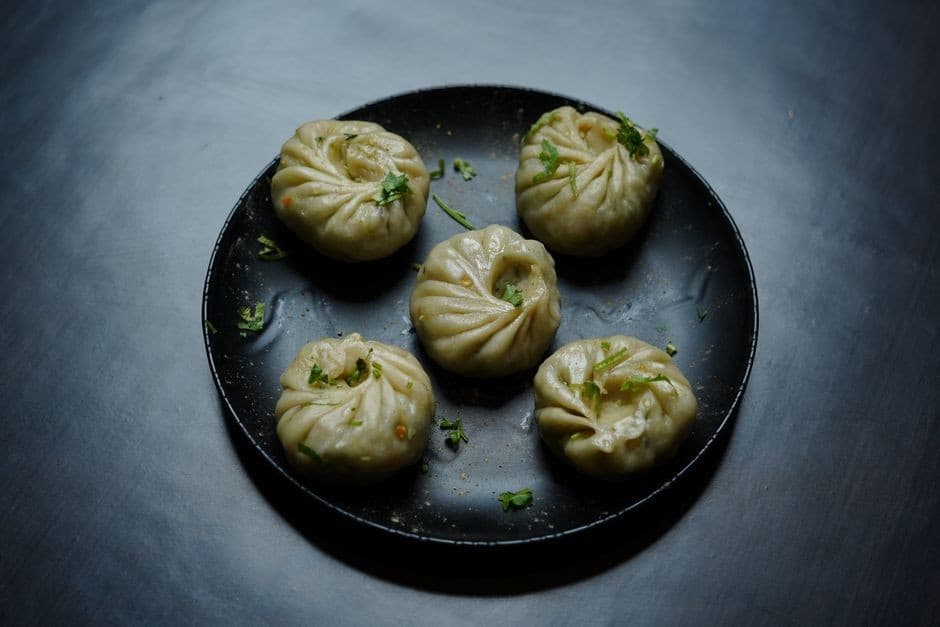
Gangtok is the logical hub. Heritage properties like The Elgin Nor-Khill or the full-service MAYFAIR Spa Resort & Casino offer comfort after long mountain days. For dining, don't miss a steaming bowl of thukpa at Taste of Tibet on MG Marg, or try indigenous Sikkimese dishes—gundruk soup, kinema curry, ningro with churpi—at 9INE Native Cuisine.
In West Sikkim, The Elgin Mount Pandim in Pelling is perfectly placed for Barsey day trips and Khangchendzonga sunrises.
Combine Blooms with Culture
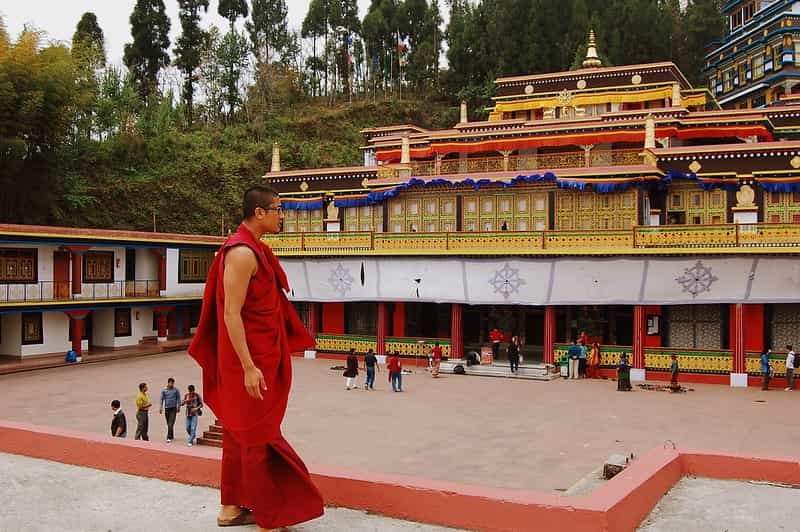
Spring in Sikkim is not only about flowers. Time your visit to overlap with Saga Dawa (May/June), the most sacred Buddhist festival, when monasteries come alive with prayer flags, chanting, and ritual processions. A monastery circuit linking Rumtek Monastery, Phodong Monastery, Pemayangtse Monastery, and Tashiding Monastery adds cultural depth to any bloom-chasing itinerary.
And before you leave, make a detour to Temi Tea Garden—Sikkim's only tea estate—for a tasting of organically grown teas amid emerald terraces. It is the perfect, peaceful coda to a rhododendron journey.
Your Rhododendron Season Checklist
- Travel window: Aim for mid-April for the broadest bloom overlap; book accommodation and permits early—this is peak season.
- Must-visit: Yumthang for the classic valley spectacle; Barsey for solitude and photography.
- Trek option: Dzongri/Goecha La for a multi-day immersion in bloom and mountain grandeur.
- Day trip: Kyongnosla + Tsomgo Lake for an easy Gangtok-based outing.
- Layer up, pack rain gear, and carry a macro lens.
Sikkim's rhododendron season is one of those rare travel experiences where nature truly outdoes itself. The mountains blush, the air smells sweet, and every bend in the trail reveals a new shade of wonder. Start planning now—the Himalayas are getting ready to bloom.
For more on planning your Sikkim adventure, see our full guide to the best time to visit Sikkim.
Leave a Comment
Explore Sikkim
Ready to plan your trip? Check out our complete travel guide and packages.