West Sikkim 3-Day Itinerary – Pelling, Yuksom & Monasteries
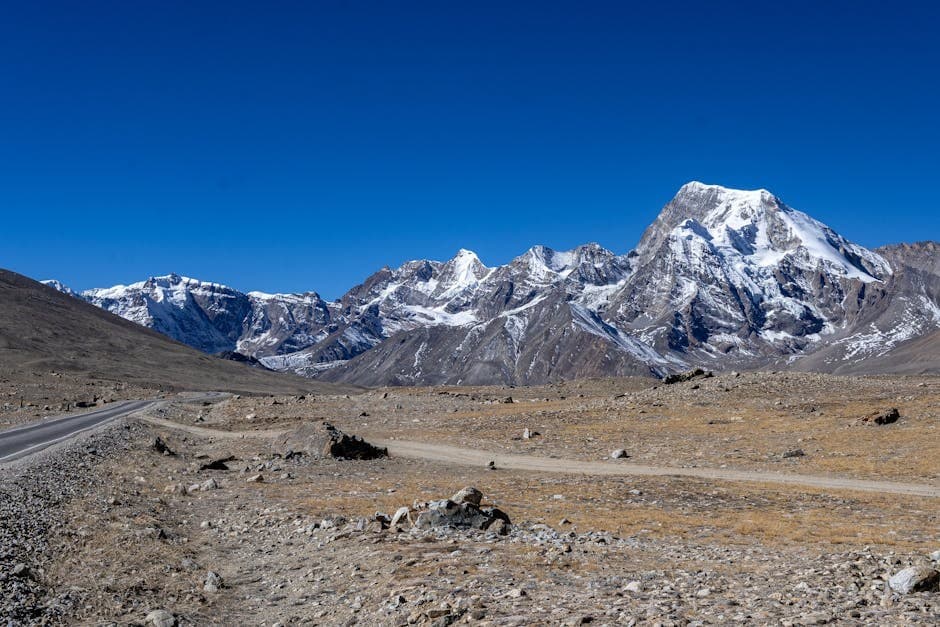
Most visitors to Sikkim make a beeline for Gangtok, Tsomgo (Changu) Lake, or the North Sikkim circuit — and then wonder why their feed looks the same as everyone else's. If that sounds familiar, it's time to turn west. West Sikkim is where the state keeps its deepest history, its oldest monasteries, and some of its most jaw-dropping Khangchendzonga views — all without the tourist-bus crowds.
This 3-day itinerary threads together Pelling, Yuksom, and a string of centuries-old monasteries into a compact loop that works for culture lovers, photographers, and anyone who wants to slow down and really feel Sikkim. Let's get into it.
Why West Sikkim Deserves a Spot on Your Itinerary
West Sikkim is the spiritual and historical heartland of the state. This is where the first Chogyal (king) of Sikkim was crowned in 1642, where the oldest monasteries still hum with prayer, and where the Khangchendzonga massif feels close enough to touch on a clear morning.
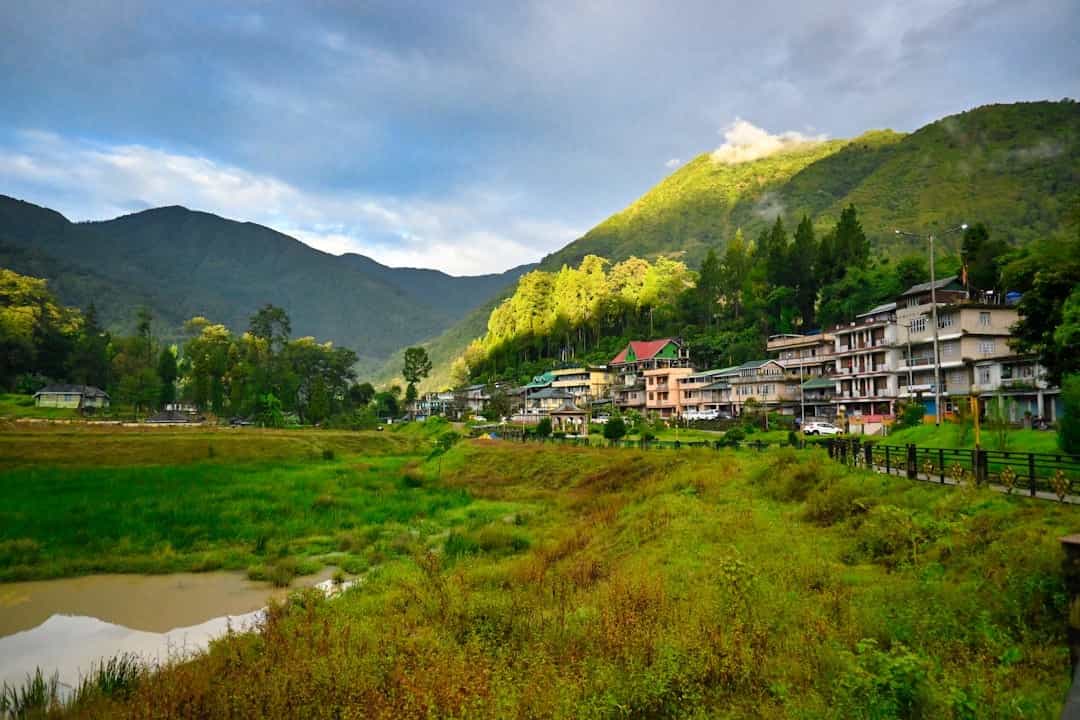
Pelling, the region's main hub, sits at about 2,150 m (7,000 ft) and offers a quieter, more contemplative alternative to Gangtok. Add Yuksom — the original capital of the Sikkimese kingdom — and you have a route that blends nature, living Buddhist culture, and genuine off-the-beaten-path charm.
Day 1: Arrive in Pelling — Monasteries, Ruins & the Skywalk
Morning: Reach Pelling & Settle In
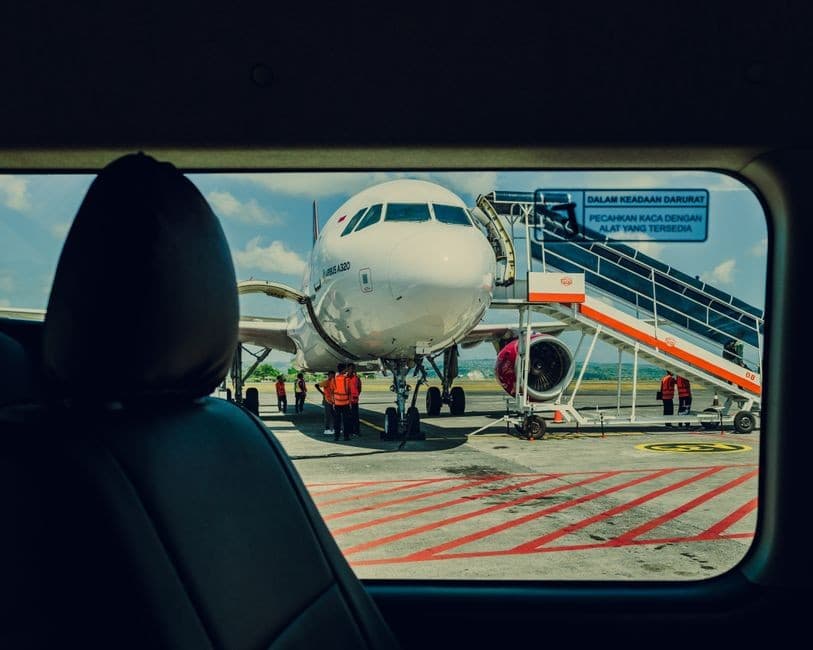
Most travellers arrive from Bagdogra Airport (IXB) or New Jalpaiguri (NJP) railway station. The drive to Pelling is roughly 145 km and takes 5–6 hours through winding mountain roads via Jorethang or Legship. If you're coming from Gangtok, it's about 130 km (5 hours via Ravangla or Legship).
Tip: Book a private taxi or arrange a shared jeep through a local agent for better rates. Start early — mountain roads slow down after dark.
Check into your hotel in Upper Pelling for the best Khangchendzonga views. Heritage lovers should consider The Elgin Mount Pandim, which sits right beside Pemayangtse Monastery with lush trails and mountain panoramas.
Afternoon: Pemayangtse Monastery & Rabdentse Ruins
Start your West Sikkim exploration with two of its crown jewels, conveniently located just 2 km from Upper Pelling.
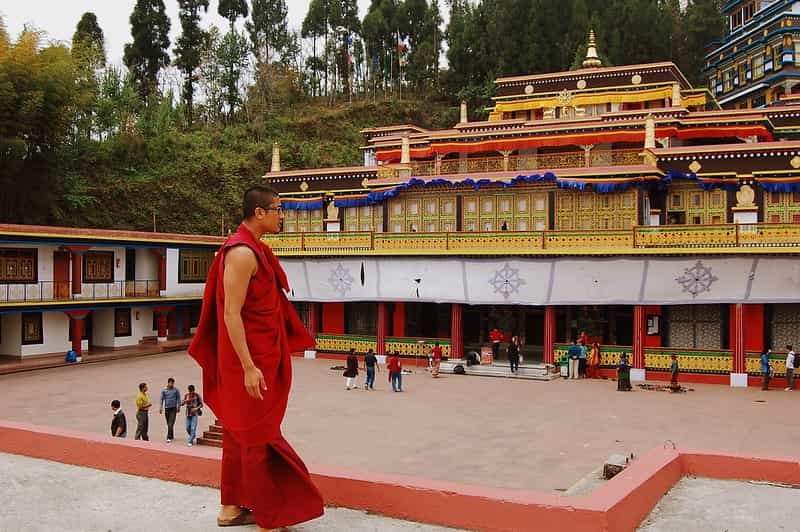
Pemayangtse Monastery — meaning "Perfect Sublime Lotus" — is one of the oldest and most important monasteries in Sikkim. Founded by Lama Lhatsun Chempo in the 17th century and enlarged in 1705, this three-storey monastery follows the Nyingma order of Tibetan Buddhism and controls all other Nyingma monasteries in the state. Don't miss the Zangdok Palri on the top floor — an extraordinary seven-tiered wooden model of Guru Padmasambhava's celestial abode, painstakingly crafted over five years. The monastery's walls are alive with colourful murals, and on a clear day the view of Khangchendzonga from the courtyard is unforgettable.
From Pemayangtse, a forested trail of about 2–2.5 km leads to the Rabdentse Ruins, the second capital of the former Kingdom of Sikkim (after Yuksom). Perched on a hilltop, these atmospheric ruins — maintained by the Archaeological Survey of India — were the ruling seat of the Sikkimese monarchs from 1670 to 1814. The panoramic views of the valley and peaks from here are stunning.
Late Afternoon: Chenrezig Statue & Skywalk
Head 6–7 km from Pelling town (on the road towards Dentam) to the Pelling Skywalk & Chenrezig Statue — one of Pelling's most iconic attractions. The complex houses a 137-ft (42 m) statue of Chenrezig (Avalokitesvara), the tallest of its kind in the world, beside India's first glass skywalk at 7,200 ft above sea level. Walk across the glass-bottomed platform for thrilling views of the valley, the Teesta and Rangeet River below, and — if the weather cooperates — the Khangchendzonga range glowing in the distance.
Practical info: The skywalk is open 9:00 AM–6:00 PM. Visit early or late in the day to avoid weekend queues. Golden prayer wheels line the staircase leading to the statue — spin them as you climb for the full experience.
Day 2: Pelling to Yuksom via Khecheopalri Lake
Morning: Khecheopalri Lake
Leave Pelling after breakfast and drive about 27 km to Khecheopalri Lake, one of Sikkim's most sacred sites. Revered as a "wish-fulfilling" lake by both Buddhists and Hindus, this serene water body is hidden within dense forest cover. Legend holds that birds swoop down to remove any leaf that falls on its surface, keeping it pristine. Fishing, boating, and bathing are strictly prohibited.
Spend 30–45 minutes soaking in the silence. A short trek from the lake leads to a hilltop with lovely views.
En Route: Waterfalls & Scenic Stops
The drive from Pelling to Yuksom (about 35 km total) passes through Rimbi Waterfalls and the Kanchenjunga Falls — both worth a quick stop. The route threads through villages, cardamom fields, and streams, offering a glimpse of rural West Sikkim life that few tourists see.
Afternoon: Yuksom — Where Sikkim's Story Began
Yuksom (also spelled Yuksam) is a small, peaceful village that punches far above its weight in historical significance. The name means "meeting place of the three lamas" — a reference to the three Tibetan monks who met here and crowned Phuntsog Namgyal as the first Chogyal of Sikkim in 1642, founding a dynasty that would last 332 years.
Must-see stops in Yuksom:
- Norbugang Coronation Throne — the exact stone site where the first king was consecrated, surrounded by ancient chortens and prayer flags
- Kathok Lake — a tranquil soul-lake associated with Lama Kathok Kuntu Zangpo, who introduced Buddhism to this land
- Dubdi Monastery — a 45-minute uphill trek from town takes you to the oldest monastery in Sikkim (established 1701), the former hermit cell of Lhatsun Chenpo. The forest walk alone is worth it
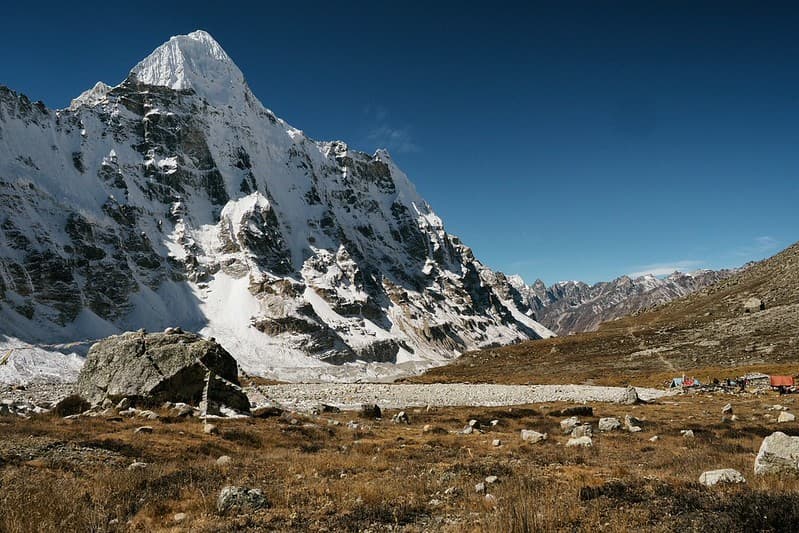
Yuksom is also the gateway to the famous Goecha La trek in Kanchenjunga National Park and the Dzongri trek (shorter Kanchenjunga viewpoint) — both starting from here and leading deep into Khangchendzonga National Park (UNESCO). Even if you're not trekking, the mountain air and village pace here are deeply restorative.
Stay the night in Yuksom — accommodation ranges from simple homestays to comfortable lodges. The village market is tiny but charming, and the Lepcha village nearby is worth a wander.
Day 3: Tashiding Monastery & Departure
Morning: Tashiding Monastery
From Yuksom, drive about 19 km southeast to Tashiding Monastery, widely considered the holiest monastery in all of Sikkim. Perched on a heart-shaped hilltop between the Rathong and Rangit rivers, the monastery was founded in 1641 by Ngadak Sempa Chempo — one of the very three lamas who crowned the first king at Yuksom.
The climb up steep stairs to the monastery is lined with prayer wheels and fluttering flags. Inside, you'll find sacred murals, ancient artefacts, and the legendary Thong-Wa-Rang-Dol chorten — believed to "wash away sins by mere sight." Behind the main building, dozens of whitewashed chortens stand against a backdrop of mountains and river valleys.
Tashiding is also home to the annual Bumchu Festival (February/March), where monks open a sacred vase of holy water to divine predictions for the coming year — a tradition stretching back centuries.
Tip: The monastery is open 7:00 AM–6:00 PM and entry is free, though donations are appreciated. Visit early for the most serene experience.
Afternoon: Return Journey
From Tashiding, you have options:
- Head to Gangtok (approx. 5 hours via Ravangla) for the next leg of your Sikkim travel guide
- Drive to Bagdogra/NJP (approx. 5–6 hours via Jorethang and Siliguri) for your onward journey
- Detour through Ravangla to visit the magnificent Buddha Park (Tathagata Tsal) stroll with its 130-ft Buddha statue — a perfect complement to the monastery circuit
Best Time to Visit West Sikkim
- March–June: Clear skies, rhododendron blooms (especially in Barsey Rhododendron Sanctuary (Varsey) nearby), and pleasant temperatures. Peak season — book ahead.
- October–November: Crisp post-monsoon air with excellent visibility for mountain views. Arguably the best time to visit Sikkim for photography.
- Avoid July–September: Heavy monsoon rain brings landslides and fog, making mountain roads unpredictable.
Practical Tips for Your West Sikkim Trip
- Permits: Indian nationals don't need special permits for West Sikkim. Foreign nationals need a Restricted Area Permit (RAP), obtainable at the Rangpo or Melli checkpoints. Carry a valid photo ID and 2 passport-sized photos.
- Transport: Shared jeeps connect Pelling to Geyzing and other towns, but for the Yuksom–Tashiding loop, hiring a private vehicle is far more practical. There is limited public transport to Yuksom.
- Budget: A budget traveller can manage West Sikkim for about ₹6,500–8,000 for 3 days (excluding travel to/from Siliguri). Mid-range trips with private taxis and better hotels run ₹20,000–25,000.
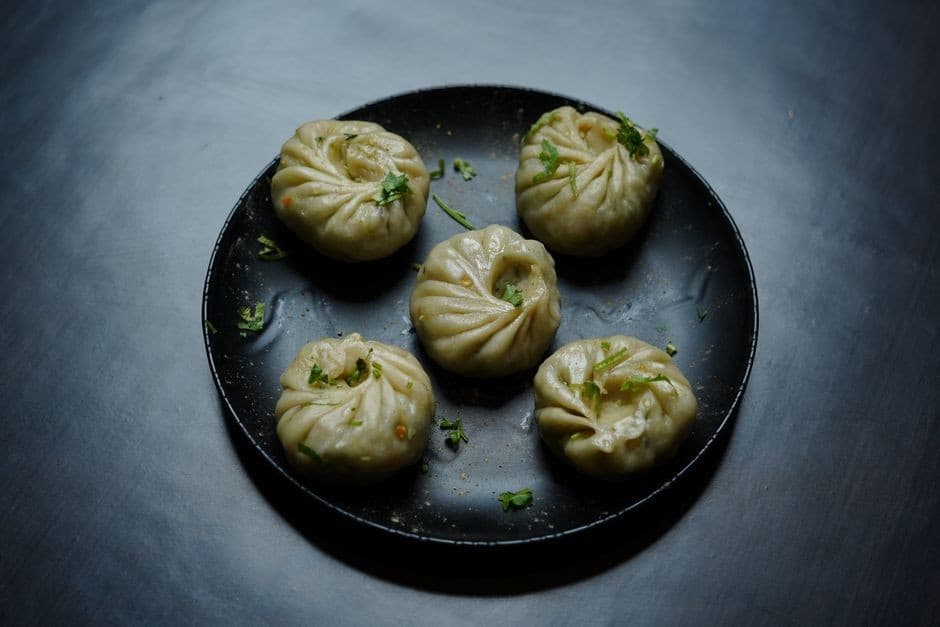
- What to eat: Try local momos, thukpa, and sel roti at small eateries in Pelling and Yuksom. Yuksom's village restaurants serve simple but delicious Sikkimese home-cooked meals.
- Pack: Layers (mornings are cool even in spring), comfortable trekking shoes for monastery steps and forest trails, sunblock, and a rain jacket.
- Altitude: Pelling sits at ~2,150 m and Yuksom at ~1,780 m — most people acclimatise easily, but stay hydrated.
Final Thoughts
West Sikkim offers something that the more popular circuits don't — a sense of discovery. Walking through the ruins of Rabdentse, standing at the coronation stone in Yuksom, or watching prayer flags snap in the wind at Tashiding, you're tracing a story that goes back nearly four centuries. Layer in the Khangchendzonga views, the glass-floored thrill of the Chenrezig Skywalk, and the deep quiet of Khecheopalri Lake, and you have one of the most rewarding 3-day loops anywhere in the Indian Himalayas.
If you've already done Gangtok and are wondering what's next — or if you simply want a Sikkim experience that trades tourist crowds for monastery bells — point yourself west. You won't regret it.
Planning a longer trip? Combine this West Sikkim loop with a Gangtok city break or extend into the Goecha La trek from Yuksom for the ultimate Sikkim adventure.
Leave a Comment
Explore Sikkim
Ready to plan your trip? Check out our complete travel guide and packages.