Local Transportation in Dubai: Your Complete 2026 Guide
Dubai is a city that does everything on a grand scale — and its transportation network is no exception. Whether you're zipping beneath the skyline on a driverless metro, gliding across the Creek on a century-old wooden boat, or cruising the Marina waterfront by tram, getting around this futuristic metropolis is surprisingly easy, affordable, and — dare I say — fun.
If you've ever wondered how to navigate Dubai without renting a car, you're in the right place. This guide breaks down every local transportation option available in Dubai in 2026, complete with insider tips to help you travel like a local.
Dubai Metro: The Backbone of the City
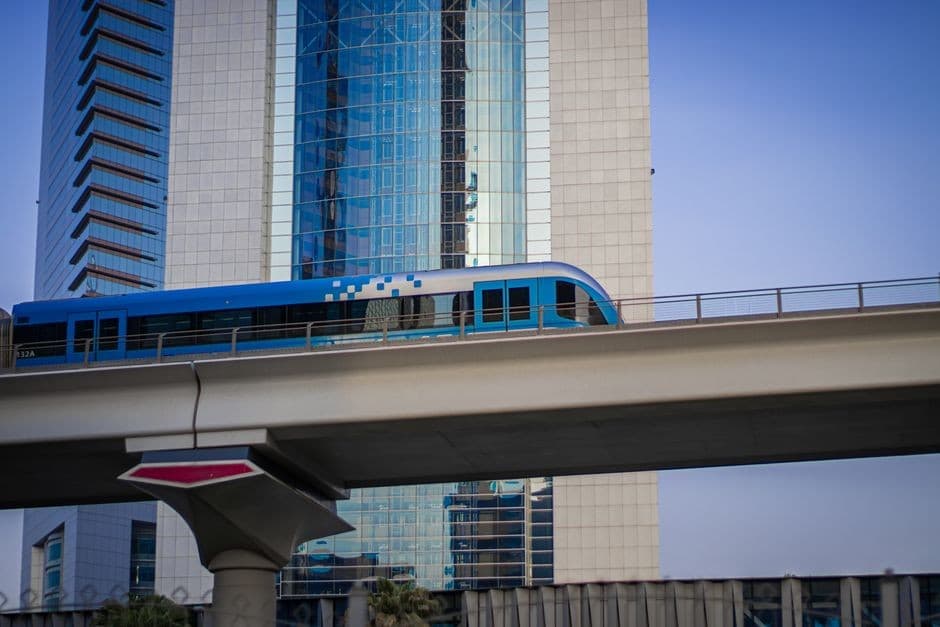
The Dubai Metro is where most visitors should start. It's fast, air-conditioned, spotlessly clean, and remarkably affordable. It's also one of the longest driverless metro networks in the world, spanning two lines, 53 stations, and around 90 kilometers of track as of mid-2026.
Red Line and Green Line
The Red Line is the workhorse for tourists. It runs from Centrepoint Station in Rashidiya all the way south to Expo City Dubai, passing through key hubs like Union, BurJuman, Burj Khalifa/Dubai Mall, Mall of the Emirates, and Dubai Marina. If you're visiting Dubai's biggest attractions, this line will be your best friend.
The Green Line is ideal for cultural exploration. It serves areas around Dubai Creek, the historic souks, and old Dubai neighborhoods. If you want to explore the heritage side of the city, this is your route.
Metro Timings
The metro runs Monday to Thursday from 5:00 AM to midnight, with extended hours on weekends. Trains arrive every 2–3 minutes during peak hours and every 5–7 minutes during off-peak times. Always double-check timings during Ramadan, Eid, and special events via the RTA website or S'hail app.
What's Coming: The Blue Line
Dubai is actively expanding its metro network. The Blue Line — a 30-kilometer expansion with 14 new stations — is currently under construction and scheduled to open on September 9, 2029. It will connect growing residential communities to the existing network, and the RTA aims to have over 90% of Dubai's population living within walking distance of a public transport station by 2030.
The Nol Card: Your All-Access Pass
Before you ride anything in Dubai, you'll need a Nol card. Think of it as your single access key to the entire RTA transport network — metro, buses, trams, water buses, and even the Palm Monorail.
Here's what you need to know:
- Nol Red Ticket — Best for short stays. A single-use or day-pass ticket, but it can only be recharged up to 10 times.
- Nol Silver Card — The smart choice for most tourists. It's a reloadable, pay-as-you-go card that works across all transport modes and doesn't expire as long as you use it once every two years.
- Nol Gold Card — Gives you access to Gold Class cabins on the metro and tram with premium seating.
You can buy Nol cards at all metro stations, bus stations, and supermarkets like Carrefour and Spinneys. Top them up at stations, online, or through the RTA app.
Pro tip: Transfers between Metro, Tram, and buses count as one trip under the Nol system, as long as you switch modes within 30 minutes and tap in and out correctly. Always remember to tap out — if you forget, the system deducts the maximum possible fare.
Dubai Tram: Cruising the Waterfront
If you're staying anywhere near Dubai Marina, JBR (Jumeirah Beach Residence), or Media City, the Dubai Tram will become your go-to. This modern, street-level light rail line runs 10.6 km across 11 stations, connecting some of the city's most popular coastal districts.
The tram covers:
- Dubai Marina and JBR — beaches, restaurants, The Walk
- Dubai Media City and Dubai Internet City — business hubs
- Palm Jumeirah station — your gateway to the Monorail
Operating hours are 6:00 AM to 1:00 AM (Monday–Saturday) and 9:00 AM to 1:00 AM (Sunday). Trams arrive every 9 minutes during peak hours and about every 14 minutes off-peak. All cabins are air-conditioned and offer free Wi-Fi, Gold Class seating, and full accessibility features.
Palm Jumeirah Monorail: The Scenic Ride
The Palm Monorail is a short but spectacular ride that takes you along the trunk of Palm Jumeirah to Atlantis. It connects to the Dubai Tram at Palm Gateway station, making it easy to reach without a taxi.
The monorail stops at Gateway Station, Al Ittihad Park, Nakheel Mall, and Atlantis Aquaventure. It runs daily from 9:00 AM to 10:00 PM, with trains departing every 15 minutes. Fares are around AED 20–30 and are separate from the standard Nol system, so budget for this as a standalone expense.
Honestly, the monorail ride itself — with its elevated views over the Palm island — is worth taking even if you're not visiting Atlantis.
Dubai Buses: The Unsung Hero
Don't overlook the bus network. RTA operates over 1,500 modern, air-conditioned buses covering more than 80% of Dubai's urban area. Buses are especially useful for reaching attractions the metro doesn't serve, such as:
- Global Village (seasonal bus services, November–April)
- Jumeirah Beach and Kite Beach
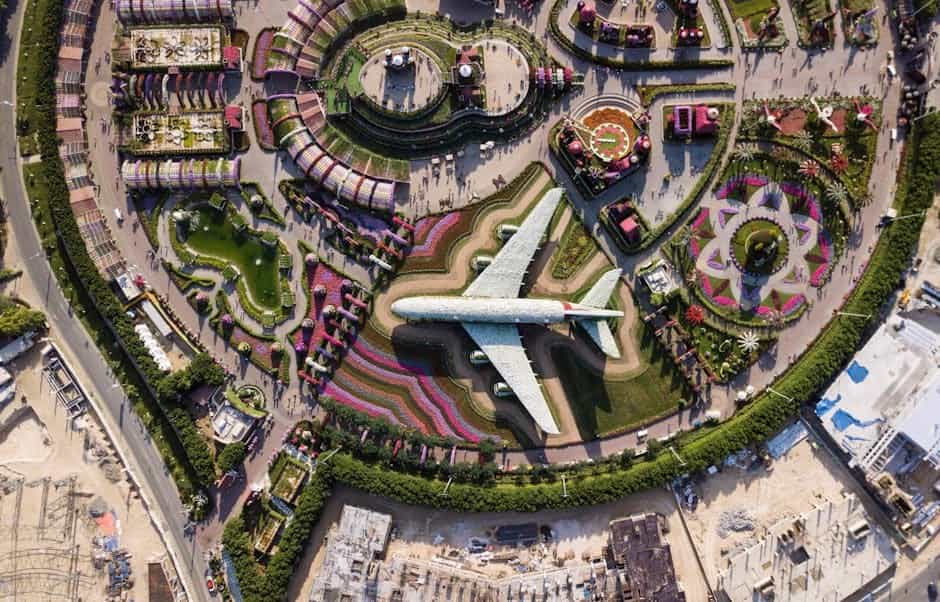
- Dubai Miracle Garden
- Intercity travel to Sharjah and other emirates
Buses are fully cashless — you'll need your Nol card. Check routes and live arrivals on the S'hail app or Google Maps. Just be aware that buses run less frequently than the metro, sometimes every 1–2 hours on certain routes, so always check the timetable before heading out.
Marine Transport: Dubai's Hidden Gem
Dubai's water transport network is one of its most underrated features. The city offers several marine options that combine practical commuting with stunning sightseeing.
Traditional Abras
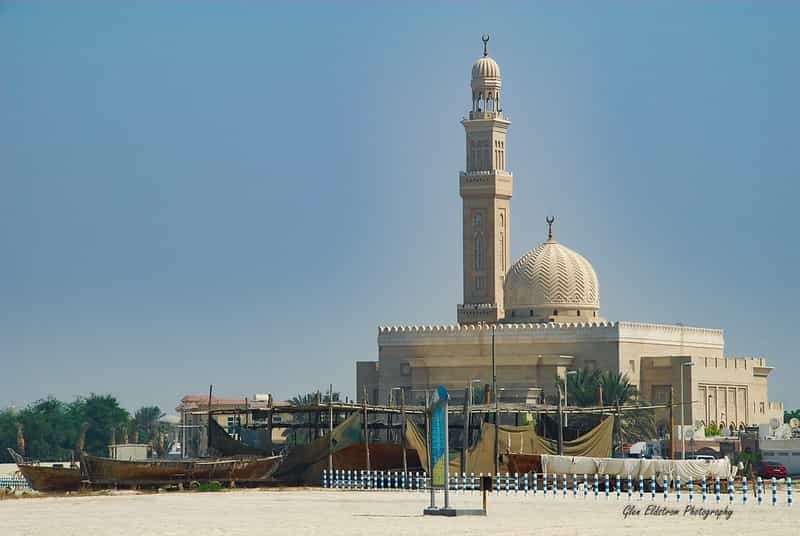
These iconic wooden boats ferry passengers across Dubai Creek between Bur Dubai and Deira. At just AED 1 per trip, the abra is the most affordable transport in the city. They operate from 5:00 AM to midnight, departing every few minutes — no booking needed, just show up and hop on. It's atmospheric, authentic, and a must-do experience.
Dubai Water Bus
A more modern, scheduled service operating along Dubai Creek, Dubai Marina, and Business Bay. It's affordable, air-conditioned, and runs every 15–30 minutes. A great alternative to tourist boat tours if you want the views without the commentary.
Dubai Ferry
The ferry is a 100-passenger vessel with Gold and Silver class seating, serving six routes including intercity connections. It offers two-deck views of the coastline and is perfect for a leisurely scenic journey — think of it as sightseeing and transport rolled into one.
Dubai Water Taxi
For a more exclusive experience, the Water Taxi is an air-conditioned vessel seating up to 10 passengers with LCD screens and reclined seating. It operates across 44 stations in two zones — the modern Marina/Palm Jumeirah area and the heritage Creek/Water Canal area. You can book on-demand via the RTA app.
Ride-Hailing and Taxis: When You Need Door-to-Door
Sometimes public transport just won't cut it. Dubai's taxi and ride-hailing options are plentiful and well-regulated:
- Dubai Taxi Corporation — Metered, regulated by RTA, with a base flag-down fee plus per-kilometer rate
- Careem — The region's leading ride-hailing app, operating in over 14 countries, with ride tracking and scheduling options
- Uber — Widely available with upfront pricing
- Hala Taxi — RTA's official ride-hailing service
Taxis are surprisingly affordable in Dubai, especially for groups of 3–4 people, where splitting a fare often beats buying individual Nol tickets. They're also the only practical option for reaching places like Jumeirah Mosque, desert safari meeting points, and La Mer Beach.
Practical Tips for Getting Around Dubai
- Download the S'hail app — RTA's official journey planner covers all transport modes, live schedules, and route planning.
- Use Google Maps — It shows live metro and bus schedules and suggests the best public transport routes.
- Avoid peak hours — Rush hour traffic (7–9 AM and 5–8 PM) can make bus and taxi journeys significantly longer.
- Stay near the Red Line — If you're a tourist, booking accommodation near a Red Line metro station will save you time and money.
- Respect the rules — No eating or drinking on the metro, tram, or buses. Fines are actively enforced. Keep feet off seats, avoid loud phone calls, and note the dedicated Women and Children's cabin at the front of every metro train.
- Plan for the heat — Even short walks between stations can be intense in summer. Use air-conditioned walkways wherever available.
Final Thoughts
Dubai's transportation network is genuinely world-class. With a single Nol card in your pocket and a couple of apps on your phone, you can reach virtually every corner of this sprawling city without ever needing a rental car. The metro handles the heavy lifting, the tram and monorail open up the waterfront, buses fill in the gaps, and the marine network adds a layer of magic that few cities can match.
Whether you're a budget backpacker riding abras for a dirham or a luxury traveler chartering a water taxi at sunset, Dubai has a ride waiting for you. Just tap your Nol card and go.
Leave a Comment
Explore Dubai
Ready to plan your trip? Check out our complete travel guide and packages.