Birdwatching in West Bali National Park
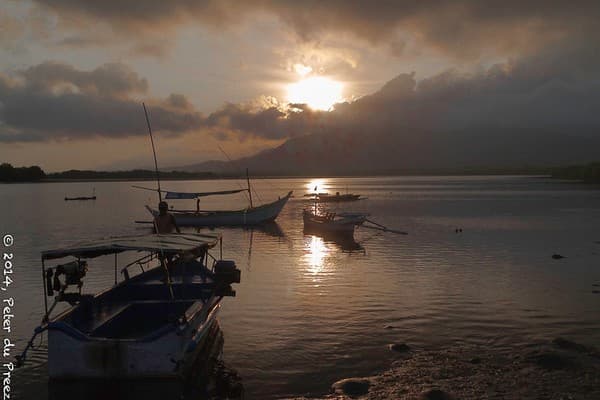
Birdwatching in West Bali National Park (Taman Nasional Bali Barat) offers prime opportunities to see rare and endemic species—most notably the critically endangered Bali myna (Jalak Bali)—within a mix of dry tropical forest, mangroves and coastal habitats. Guided walks and boat trips to Menjangan Island are commonly combined for the best diversity. Dawn and early morning sessions provide the most activity.

Location
West Bali National Park (Taman Nasional Bali Barat), Buleleng / Jembrana (northwest Bali), Indonesia
Duration
Options: Half-day (3–4 hours at dawn) or Full-day (8–10 hours including Menjangan Island boat transfer and snorkeling)
Best Time to Visit
Best months: April to October (dry season). Best time of day: early morning (sunrise to ~09:30) and late afternoon for some raptors and passerines. Avoid heavy rains (November–March) for the best birding conditions.
Pricing
Entrance fee: approximately IDR 50,000–150,000 (varies for domestic vs. foreign visitors). Guide fee: IDR 300,000–600,000 per group (half-day) depending on language and expertise. Boat transfer to Menjangan Island (if included): IDR 400,000–900,000 round-trip per boat depending on departure point and group size. Prices subject to change — always confirm with operator.
Activity Type
Coordinates
Highlights
Bali myna (Jalak Bali) — the park is one of the best places to see carefully managed populations.
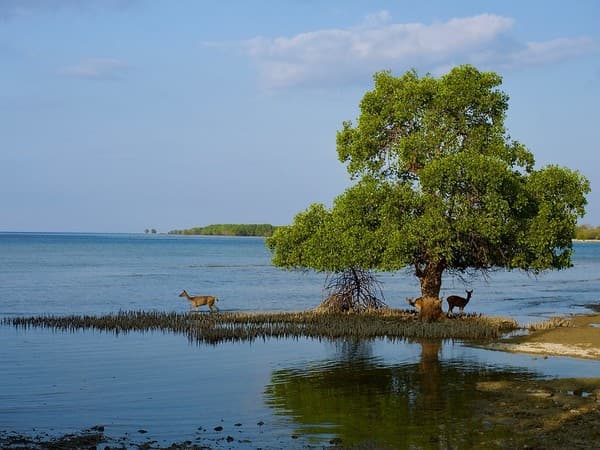
Coastal and mangrove species along the shoreline and estuaries.
Forest passerines and endemics in dry forest interior (warblers, bulbuls, flycatchers).
Raptors and shorebirds along coastal trails and from viewing points.
Optional boat trip to Menjangan Island — adds seabirds and reef experiences.
Scenic sunrise birding with low visitor numbers and peaceful trails.
Itinerary
Pickup and transfer to park entrance
Early departure from accommodation recommended to arrive before sunrise; allow extra time from southern Bali (e.g., Kuta/Denpasar).
Dawn birdwatching walk with guide
Target species active at first light. Walks follow established trails or transects; bring binoculars and quiet shoes.
Break / light refreshment
Rest, drink water, review sightings with the guide.
Extended forest or coastal birding (half-day ends around here)
Search for additional interior species or shorebirds depending on route.
Full-day option with boat trip to Menjangan Island
Includes boat transfer, reef snorkeling (optional), and birding on the island and return coastal transects. Timing depends on tides and operator schedule.
Return to accommodation
Travel time back to hotels varies; expect longer transfers from southern Bali.
Safety Requirements
Follow park rules and stay with your licensed guide — do not disturb or approach birds (especially Bali myna).
Wear sturdy, closed walking shoes and long socks to protect against rough trail sections and thorny plants.
Bring sun protection (hat, sunscreen) and a light rain layer in the wet season.
Use insect repellent — mosquitoes and ticks can be present in coastal and forested areas.
Carry sufficient drinking water and small first-aid items; remote areas may have limited facilities.
Ensure boat safety gear is provided and worn during transfers to Menjangan Island.
Check local travel advisories and have travel insurance that covers activities.
Tips
Bring good optics: a pair of binoculars (8x–10x) and, if possible, a spotting scope for distant raptors and shorebirds.
Carry a field guide or use an app for Indonesian birds to help identify species; ask guides to note calls.
Wear neutral, muted clothing to avoid startling birds; avoid bright colors.
Charge cameras and bring extra batteries/memory cards — early light is excellent for photography.
Book experienced local guides in advance, especially if targeting a Bali myna sighting — guided tours improve success rates.
Combine birding with a Menjangan snorkeling trip for a full-day nature experience.
Bring cash (small denominations) for park fees, tips, and local purchases — card facilities may be limited.
If you are traveling from southern Bali, plan for a long transfer (2–3+ hours) and consider overnighting near the park for multiple mornings of birding.