Ko Lipe, Thailand
Ko Lipe is a small island in the southern Andaman Sea and part of the Tarutao National Marine Park (Satun Province). It is valued primarily for its natural importance: clear turquoise waters, extensive coral reefs close to shore, and rich marine biodiversity that make it a top snorkeling/diving destination in Thailand. Culturally, the island is home to a small community of Urak Lawoi (sea people) whose traditional fishing lifestyle and crafts add local character. Ko Lipe has limited large-scale development, preserving a relaxed island-village atmosphere.
Last updated: 23 Oct 2025
Places to visit
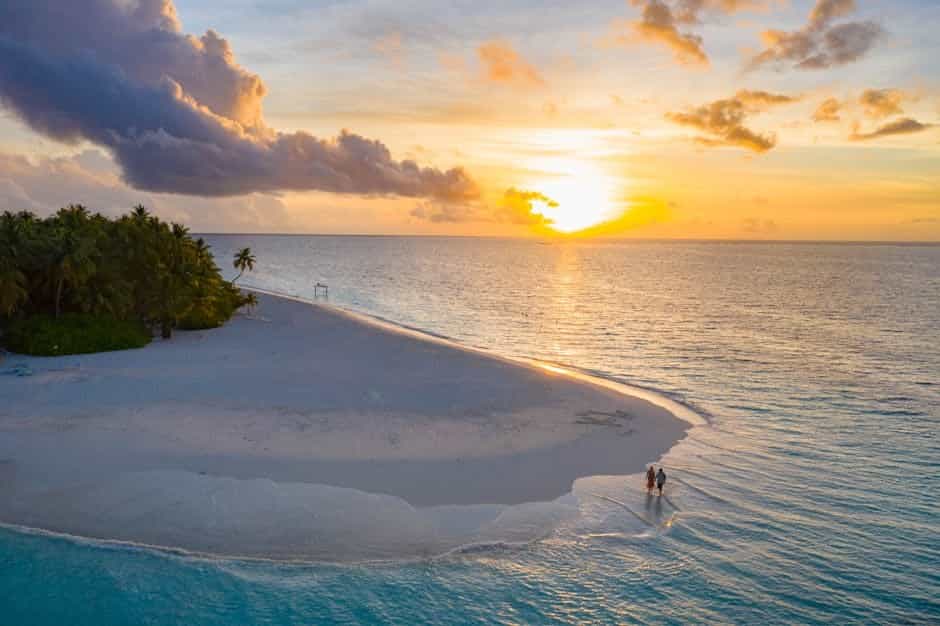
- Pattaya Beach – the main hub with soft white sand, shops and restaurants
- Sunrise Beach (Hat Chao Ley) – calm waters and excellent snorkelling off the beach
- Sunset Beach – small beach with a great vantage for evening colours
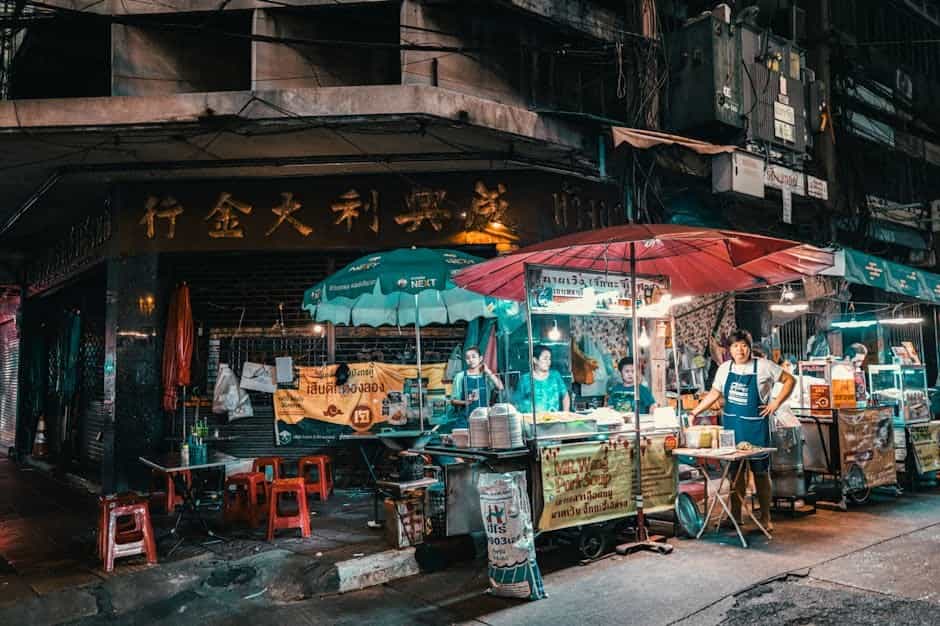
- Walking Street (Beach Road) – lively evening market, bars and eateries
- Nearby islands and day-trip sites (Koh Adang, Koh Rawi, Tarutao) – hiking, viewpoints and protected marine areas
- Fringing coral gardens and dive/snorkel sites around the island
Unique Aspects
- Shallow coral reefs reachable directly from beaches
- Clear water with excellent visibility in high season (November–April)
- Compact island layout — easy to explore on foot
- Low-rise, small-scale accommodation and a relaxed island-village vibe
- Abundant marine life: parrotfish, angelfish, clownfish, soft corals and occasional reef sharks and rays
Things to do
- Snorkelling and day trips to nearby coral reefs
- Scuba diving — numerous local dive shops and PADI courses/boat dives
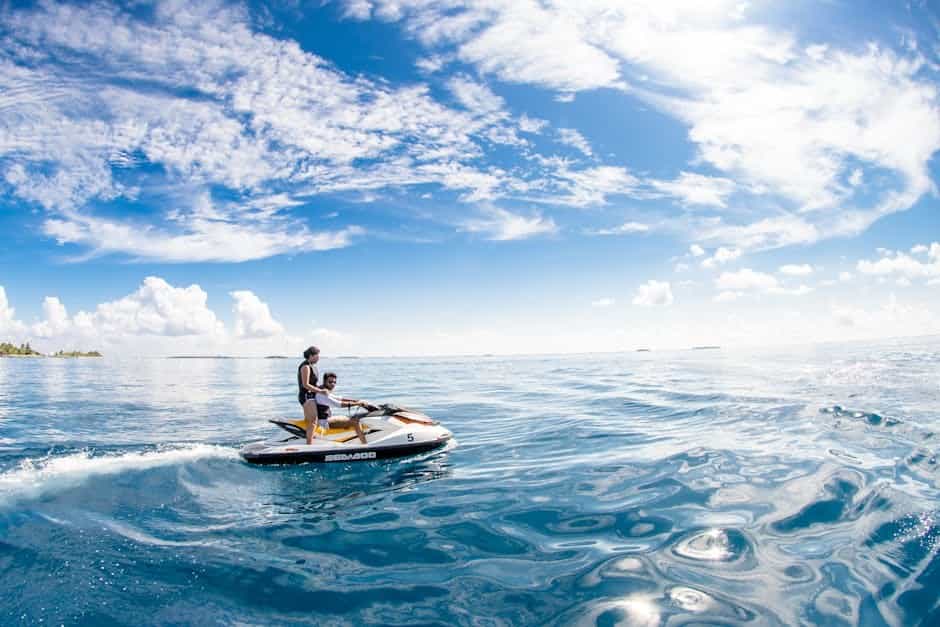
- Kayaking and paddleboarding
- Island hopping to Koh Adang, Koh Rawi and other Marine Park islands
- Sunset watching and beach relaxation
- Strolling the Walking Street for food, drinks and souvenirs
- Hiking to viewpoints (on nearby Koh Adang) and light nature walks
Best Time to Visit
November–April (dry season): calm seas, best underwater visibility and most services operating. May–October is monsoon/low season — ferries may reduce service, seas can be rough and many businesses close or operate reduced hours.
Weather Conditions
Tropical maritime climate. Temperatures typically range 25–32 °C (77–90 °F) year-round. High humidity. Expect heavy rain and stronger winds in the monsoon months (May–October).
Accessibility
Most visitors arrive via Pak Bara Pier (Satun) — speedboat transfer to Ko Lipe takes about 1.5–2 hours. Nearest major airport is Hat Yai (HDY) — from there a transfer (minivan or private car) to Pak Bara (~2–3 hours) then a boat. Seasonal services run from Langkawi (Malaysia), Trang, Krabi or Koh Lanta during high season. Ferries and speedboats are seasonal; check schedules and book transfers in advance during December–March and around public holidays.
Recommended Duration
3–5 days to enjoy beaches, a dive or snorkel trips and a day trip to nearby islands; 1–2 days is sufficient for a quick stop to see highlights.
Clothing & Gear Tips
Light, breathable clothing, swimwear, reef-safe sunscreen (important for coral protection), snorkel mask (if you prefer your own), water shoes (rocky patches at low tide), light rain jacket for monsoon months, insect repellent for evenings.
Local Food & Souvenirs
Try fresh seafood, Thai southern specialties (spicy curries), grilled fish and island-style BBQs on Walking Street. Popular souvenirs include handmade shell or bead jewellery, woven items by local artisans and small handicrafts — choose sustainable, locally made goods and avoid purchasing coral or wildlife products.