Places to visit in Thailand
Planning a trip to Thailand? Here is a complete guide to the best places to visit—from popular tourist attractions to offbeat spots you would not find in every guidebook. Get ready to explore, experience, and fall in love with Thailand!
Top 127 curated places to visit in Thailand
Bangkok
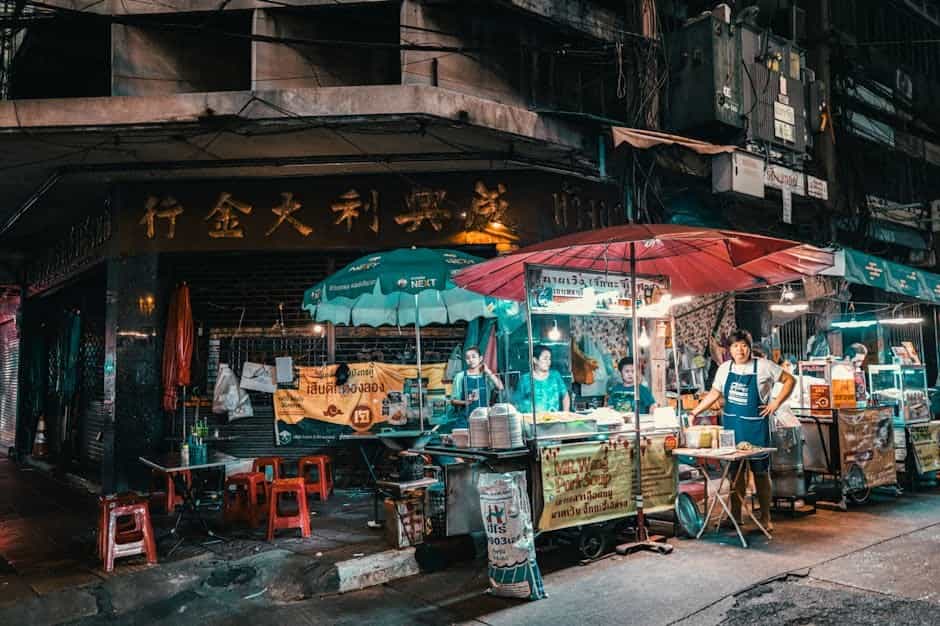
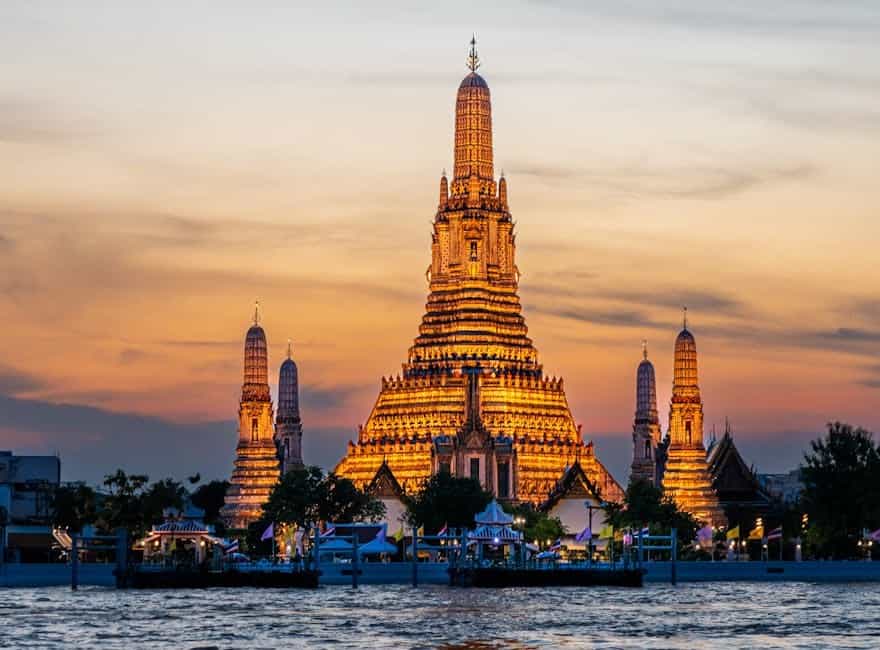
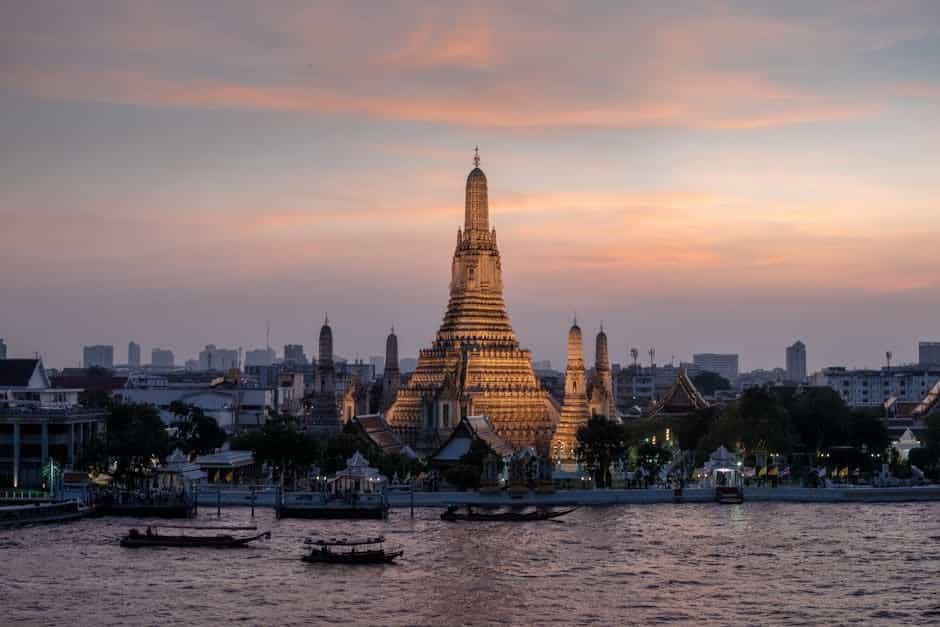
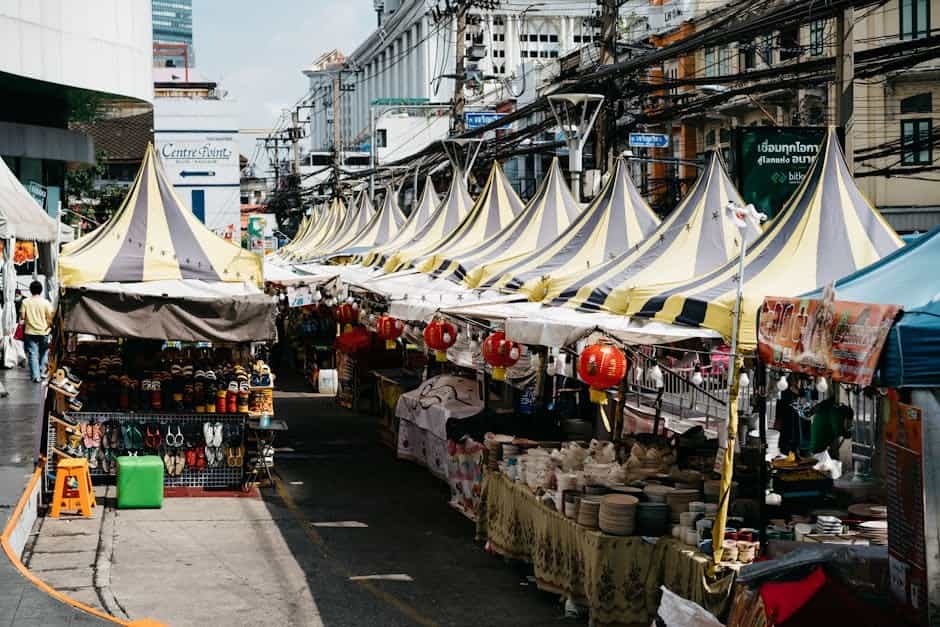
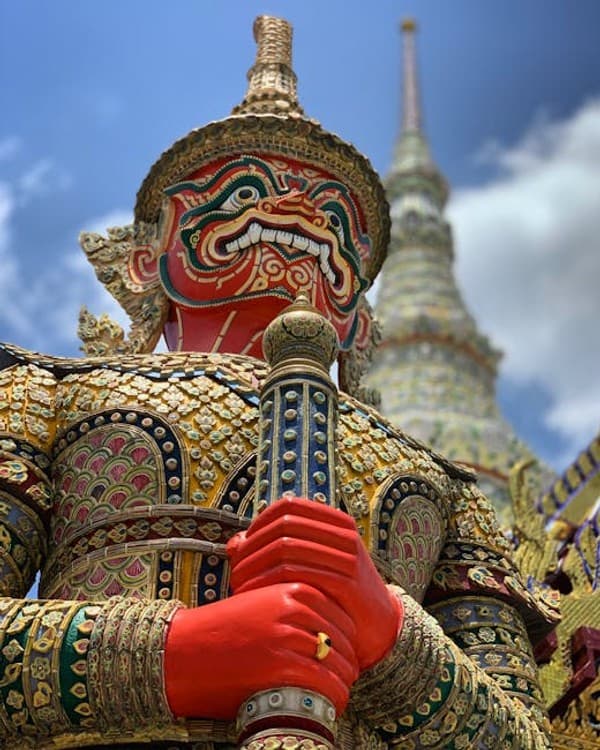
Bangkok is Thailand's political, economic and cultural heart. Founded as a trading hub on the Chao Phraya River, the city blends centuries-old royal and religious sites with modern skyscrapers and bustling markets. It is a gateway to Thai history (nearby Ayutthaya), home to iconic temples and palaces, and a major center for Thai cuisine, performing arts, and Buddhist practice.
Chiang Mai
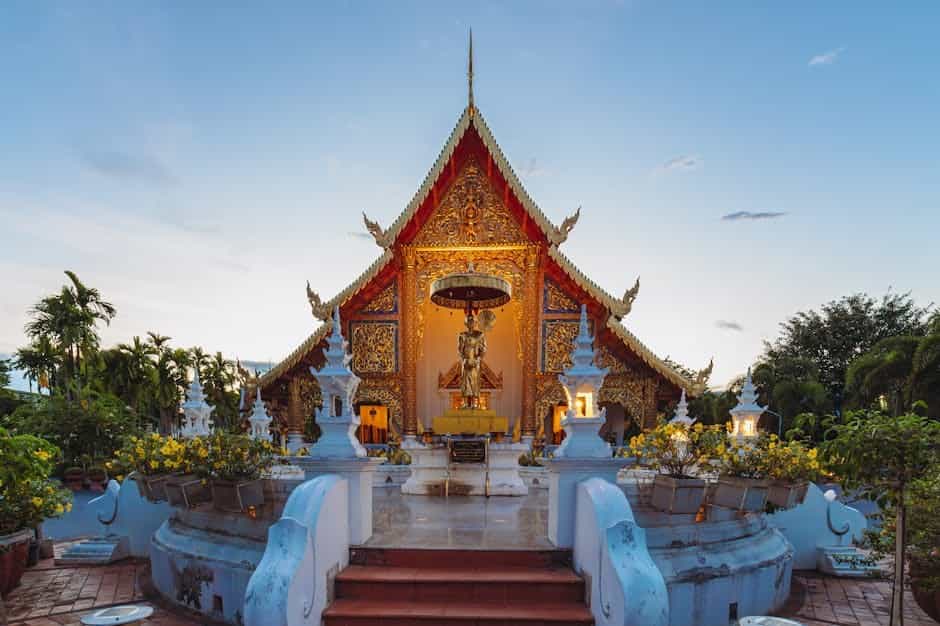
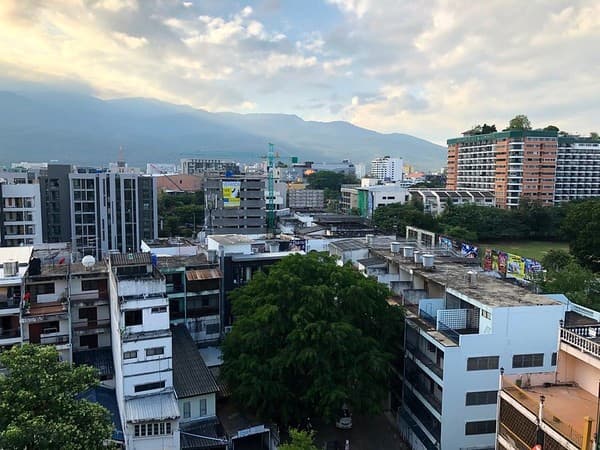
Chiang Mai is the historic capital of the Lanna Kingdom (founded in 1296 by King Mengrai) and remains the cultural heart of northern Thailand. The city preserves distinctive Lanna architecture, religious art, and traditional crafts. Surrounded by mountains and national parks, Chiang Mai is also a gateway to natural attractions—waterfalls, hiking trails, hill-tribe communities, and biodiversity-rich forests.
Chiang Rai
Chiang Rai is the northernmost major city in Thailand and a key center of Lanna culture. Founded in 1262 by King Mengrai, it serves as a gateway to the Golden Triangle and to hill-tribe communities of the northern highlands. The city combines important historical sites, vibrant indigenous cultures (Akha, Lisu, Karen, and others), and dramatic natural scenery including tea plantations, waterfalls, and views of the Mekong River.
Phuket Town
Phuket Town is the historical and cultural heart of Phuket Island. It grew wealthy in the 19th–20th centuries from tin mining and trade, attracting Chinese immigrants whose influence shaped the town's distinctive Sino-Portuguese architecture, cuisine, and community life. The town preserves a compact urban heritage zone known as Phuket Old Town, with colorful shophouses, colonial mansions, temples, and marketplaces that reflect a fusion of Thai, Chinese and European influences.
Ayutthaya
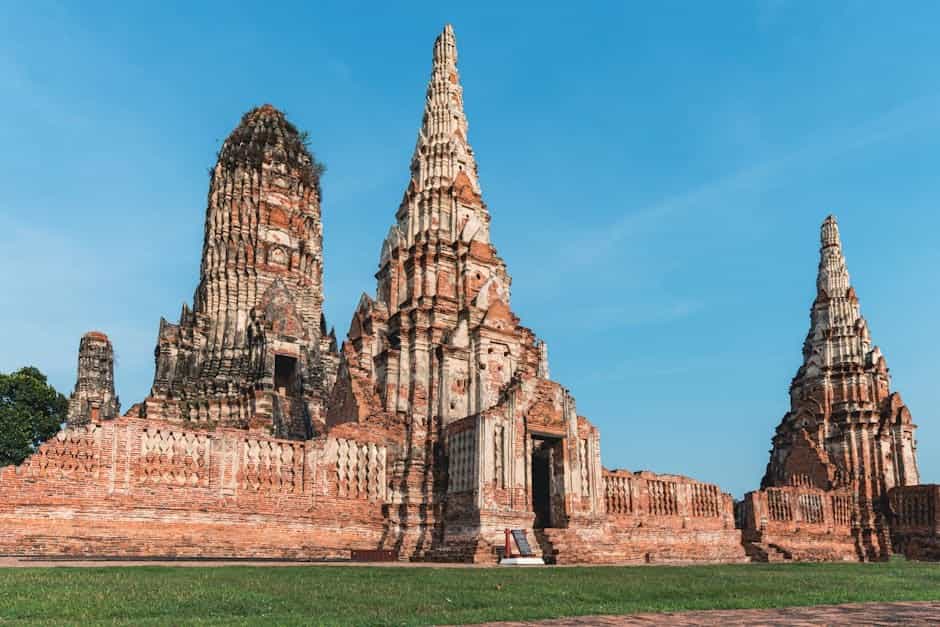
Ayutthaya was the capital of the Siamese Kingdom from 1350 until its destruction by the Burmese in 1767. As a major regional power and international trading port, it blended Khmer, Sukhothai, Sri Lankan and foreign (Persian, Portuguese, Dutch, Japanese) influences in architecture, religion and culture. The ruins of the city — temples, palaces, monasteries and statues — form a unique archaeological landscape that illustrates the rise and fall of one of Southeast Asia’s greatest pre-modern states. Ayutthaya Historical Park is a UNESCO World Heritage Site (inscribed 1991).
Sukhothai
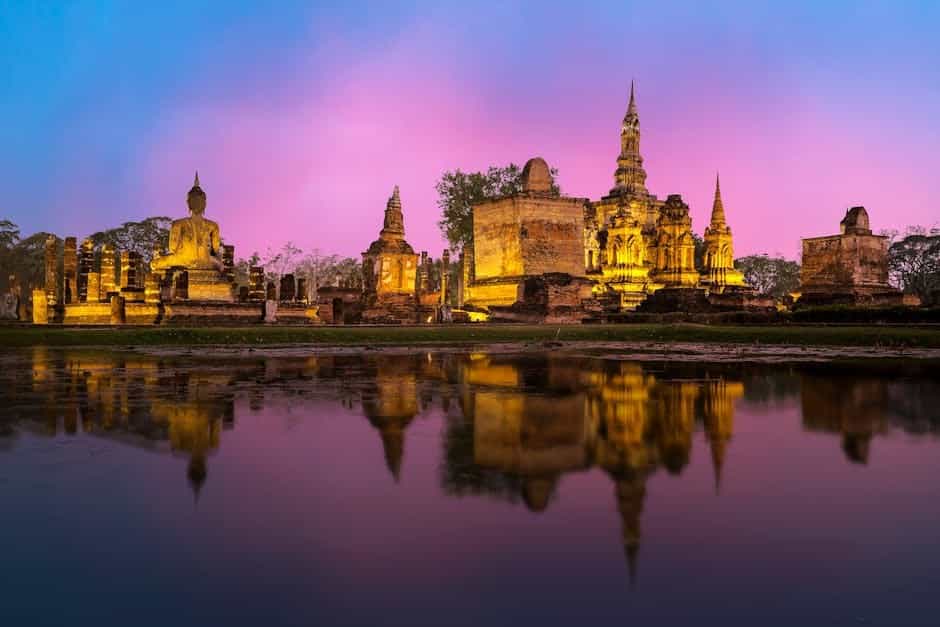
Sukhothai was the capital of the first Kingdom of Siam in the 13th and 14th centuries and is widely regarded as the cradle of Thai civilization. Its period saw the development of classical Thai art, architecture, language and the Sukhothai script. The historical park contains well-preserved temples, monuments, and Buddha statues that reflect early Thai aesthetics and religious practice. The site is a UNESCO World Heritage Site, important for both national identity and archaeological study.
Krabi Town
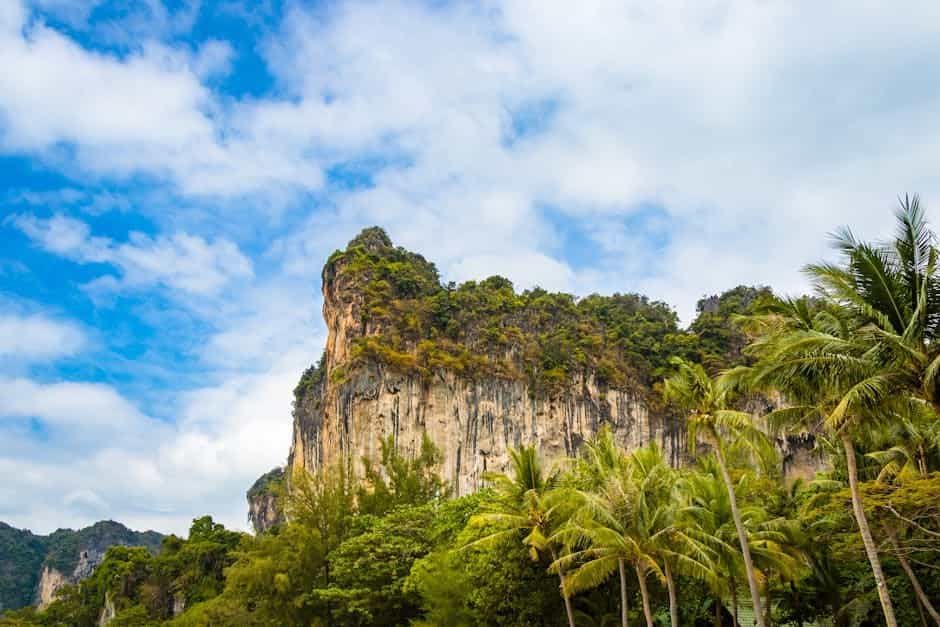
Krabi Town is the administrative and cultural heart of Krabi Province, serving as a gateway to the province's world-famous limestone karst islands and beaches. The town blends southern Thai Muslim and Buddhist influences, with rivers, mangrove forests, and the dramatic karst landscape defining its natural significance. Historically, Krabi was a trading and maritime hub, with links to early Malay and Siamese maritime routes.
Pai
Pai is a small town in Mae Hong Son province in northern Thailand, set in a picturesque valley surrounded by mountains. Historically it was a stop on local trade routes and has long been influenced by Lanna culture. Today Pai is known for its natural scenery—hot springs, waterfalls, caves and rice terraces—as well as a mix of hill-tribe communities (Karen, Lisu, Lahu) that add cultural diversity. The town developed into an international backpacker and slow-travel hub in the 2000s, attracting artists, wellness retreats and eco-tourism.
Kanchanaburi
Kanchanaburi is historically significant as the site of the Thailand–Burma Railway (the “Death Railway”) constructed during World War II by Allied prisoners of war and Asian laborers under Japanese occupation. The Bridge over the River Kwai, the war cemeteries and several museums (e.g., JEATH, Thailand–Burma Railway Centre) preserve memory and education about the wartime events. Culturally, the province blends central Thai and Mon influences, with small riverine communities, temples and traditional lifestyles along the Kwai River. Naturally, Kanchanaburi is rich in limestone karst scenery, evergreen and deciduous forests, caves, rivers and waterfalls (notably Erawan and Sai Yok), and is a gateway to national parks and wildlife habitats.
Hua Hin
Hua Hin is one of Thailand's oldest and most popular seaside resort towns. Originally a small fishing village, it rose to prominence in the early 20th century after the Thai royal family established a summer palace there (Klai Kangwon Palace), giving the town royal patronage and making it Thailand's first modern beach resort. The area combines coastal scenery, nearby limestone hills and wetlands (notably Sam Roi Yot), and a long tradition of seafood and market culture. Today Hua Hin is a blend of historic landmarks, seaside leisure, golf resorts, and growing wellness and expat communities.
Pattaya
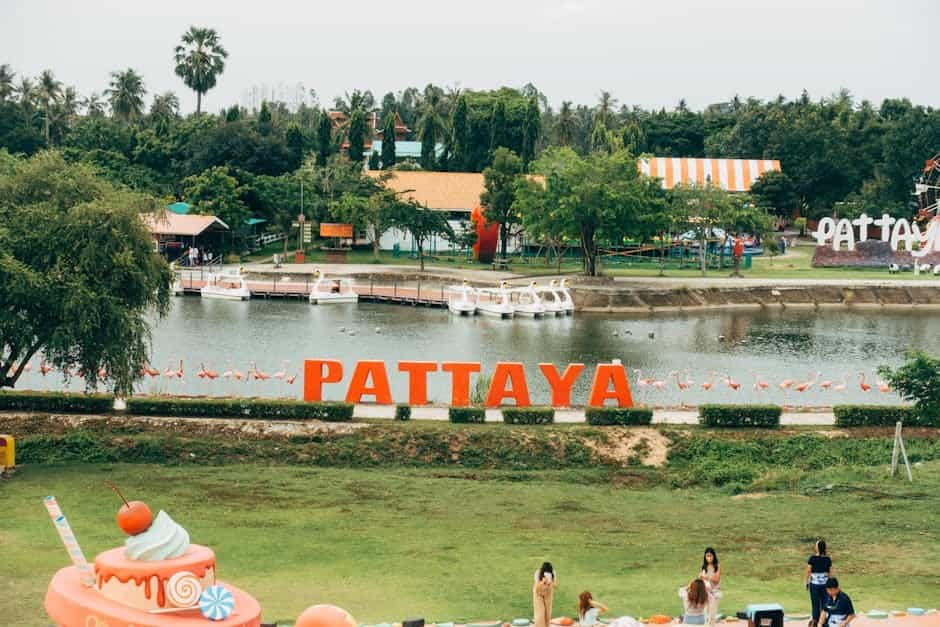
Pattaya started as a small fishing village and grew into one of Thailand's most famous seaside resort cities after the 1960s, driven by tourism linked to U.S. servicemen during the Vietnam War and later by international holidaymakers. Today it is significant as a major coastal tourism hub offering a mix of modern entertainment, Thai cultural sites, and natural coastal attractions.
Nakhon Ratchasima (Korat)
Nakhon Ratchasima (Korat) is the principal gateway to Thailand's Isaan (northeastern) region and one of the country's largest provinces. The area combines important Khmer-era archaeology (notably Phimai Historical Park) with vibrant Isan culture, agricultural plains and access to highland natural parks (including Khao Yai National Park). The city played a major role in regional history and is known for the heroism of Thao Suranaree (Lady Mo), whose monument is a focal civic landmark.
Ubon Ratchathani
Ubon Ratchathani is a major cultural and administrative center in northeastern Thailand (Isan). It is known for its rich Buddhist traditions, colonial-era temples, and as a gateway to natural attractions along the Mekong River and the borderlands with Laos. The province preserves important prehistoric sites (notably ancient cliff paintings) and showcases Isan cultural identity through festivals, cuisine, and handicrafts.
Udon Thani
Udon Thani is a major city in the Isan (northeastern) region of Thailand and an important hub for trade and travel near the Laos border. It has strong historical significance due to nearby archaeological sites such as Ban Chiang (a UNESCO World Heritage site) which provide evidence of early Bronze Age civilization in Southeast Asia. The city also gained strategic importance during the Vietnam War era as a site for U.S. airbases and logistic support, shaping its modern development and international connections. Natural attractions like Nong Han Lake and the seasonal Red Lotus Sea (Talay Bua Daeng) add to its ecological and scenic value.
Mae Hong Son
Mae Hong Son is a mountainous province in northwest Thailand on the border with Myanmar, known for its dramatic mist-filled valleys, dense teak and evergreen forests, and strong Shan (Tai Yai) cultural influence. The town historically served as a remote frontier trading and administrative center linking northern Thai and Shan communities. It's important for biodiversity (forest ecosystems, cave systems, birdlife) and for cultural diversity—home to multiple hill-tribe groups (Karen, Lisu, Hmong, Shan), each with distinct traditions.
Surat Thani
Surat Thani (literally "City of Good People") is a major province and transport hub in southern Thailand. The area combines important natural attractions — notably Khao Sok National Park and the scenic Ratchaprapha (Cheow Lan) reservoir — with cultural heritage from the Srivijaya and early Thai periods (e.g., historic temples in Chaiya). The province also serves as the primary gateway to world-famous Gulf islands such as Koh Samui, Koh Phangan, and Koh Tao, making it strategically important for both domestic travel and international tourism.
Trat
Trat is a coastal province and town in eastern Thailand that serves as a historic trading port and a gateway to the eastern seaboard islands. It is important for its maritime culture, fishing communities, mangrove ecosystems, and access to Mu Ko Chang National Park. The area blends Thai and cross-border influences because of its proximity to Cambodia and has long been associated with sea trade, local crafts, and island tourism.
Grand Palace
The Grand Palace in Bangkok is one of Thailand's most important cultural and historical complexes. Established in 1782 by King Rama I when he moved the capital to Bangkok, it served as the official residence of the Kings of Siam (and later Thailand) and the administrative seat for over a century. The complex houses the Temple of the Emerald Buddha (Wat Phra Kaew), the spiritual heart of Thai monarchy. Architecturally, the palace is a showcase of Thai craftsmanship, gilded roofs, mural paintings, and Indo-European influences from later additions, making it a living museum of Thai art, religion, and royal ceremony.
Wat Phra Kaew (Temple of the Emerald Buddha)
Wat Phra Kaew (Temple of the Emerald Buddha) is the most sacred Buddhist temple in Thailand, located within the Grand Palace complex in Bangkok. Built by King Rama I in 1782, it houses the Emerald Buddha — a highly revered jade (commonly called 'emerald') image that serves as a palladium of Thai sovereignty and national identity. The temple complex is an outstanding example of traditional Thai religious architecture, ornamentation, and craftsmanship, and plays a central role in royal and state ceremonies.
Wat Pho (Temple of the Reclining Buddha)
Wat Pho (Phra Chetuphon Wimon Mangkhalaram) is one of Bangkok's oldest and largest temple complexes and a key site in Thai religious and cultural history. Renovated and expanded under King Rama I and King Rama III, it served as a royal temple and an early center for education. Wat Pho is widely regarded as the birthplace and institutional home of traditional Thai massage and medicine, housing an important school and centuries-old inscriptions on stone that document medical knowledge, history and literature.