Frequently Asked Questions about Thailand
Find answers to the most frequently asked questions about Thailand. From travel tips and safety information to must-know details, our FAQ section helps you plan a smooth and hassle-free trip.
When is the best time to visit Thailand from India?
The best time to visit Thailand is during the cool/dry season from November to February, when temperatures range from 24-30°C with clear skies and minimal rainfall. This is perfect for beach activities on the Andaman coast (Phuket, Krabi) and sightseeing in Bangkok and Chiang Mai. However, this is peak season with higher prices and crowds. The hot season (March-June) offers good deals but temperatures can reach 35°C. During monsoon (June-October), the Andaman side experiences rough seas, but the Gulf side (Koh Samui) is often better July-September. Northern Thailand (Chiang Mai) can get quite cool in winter mornings (15-20°C), so pack layers. Book early for November-February travel.
How can I reach Thailand from India?
Flying is the most convenient option with direct flights from major Indian cities including Delhi, Mumbai, Kolkata, Chennai, Bengaluru, and Hyderabad to Bangkok (BKK/DMK), Phuket (HKT), and seasonal flights to Chiang Mai and Krabi. Flight times are short: Kolkata (2.5 hours), Chennai/Bengaluru (3.5-4 hours), and Delhi/Mumbai (4-5 hours). Airlines like Thai Airways, IndiGo, Air India, and budget carriers operate these routes. There's no direct rail connection, and overland travel via Myanmar requires complex permits and is only recommended with specialist operators. Once in Thailand, domestic flights, trains, and buses connect major destinations efficiently.
Do Indian citizens need a visa for Thailand?
Visa requirements for Indian passport holders change frequently, so always check the latest policies before travel. Thailand has offered various schemes including visa exemption periods, visa on arrival, and e-visa options for Indians. Currently, you may be eligible for visa-free entry for short stays or visa on arrival, but policies can change based on diplomatic agreements. Keep multiple passport-sized photos handy and ensure your passport has at least 6 months validity with blank pages. Check with the Royal Thai Embassy or consulate in India, or visit the official Thai immigration website for the most current requirements. It's advisable to have proof of return tickets and accommodation bookings.
What are the local transportation options in Thailand?
Thailand offers excellent transportation options. In Bangkok, use the BTS Skytrain, MRT subway, and Airport Rail Link for efficient city travel. Get a Rabbit Card for quick payments. Metered taxis, tuk-tuks, and Grab (ride-hailing) are widely available. For intercity travel, domestic flights are quick and affordable. The State Railway offers comfortable overnight sleepers to destinations like Chiang Mai and Surat Thani. VIP buses provide good connectivity between cities. For islands, ferries and speedboats are essential - book through reputable operators. In tourist areas, songthaews (shared pickup trucks) are common. Always insist taxi drivers use the meter, and compare Grab prices. Motorbike taxis are available but use caution and wear helmets.
Where should I stay in Thailand and what accommodation options are available?
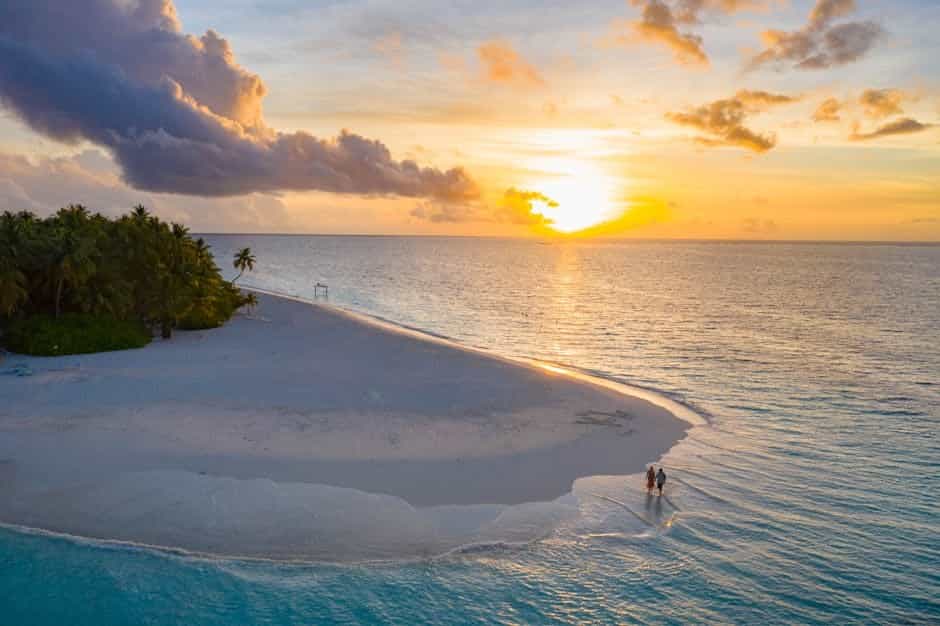
Thailand offers accommodations for every budget. In Bangkok, stay near BTS stations in Sukhumvit (shopping/nightlife), Silom (business district), or riverside areas for convenience. Chiang Mai's old city puts you near temples and markets. For beaches, Phuket offers variety from Patong (nightlife) to quieter Kata/Karon. Krabi's Railay Beach provides stunning limestone scenery. Koh Samui has family-friendly resorts and boutique properties. Options range from budget hostels (₹500-1500/night) and mid-range hotels (₹2000-6000/night) to luxury resorts (₹10000+/night). Popular chains include Anantara, JW Marriott, and InterContinental. Book early for peak season (November-February). Consider location carefully - beach proximity, transport links, and nearby attractions matter more than just price.
What are the must-visit attractions in Thailand?
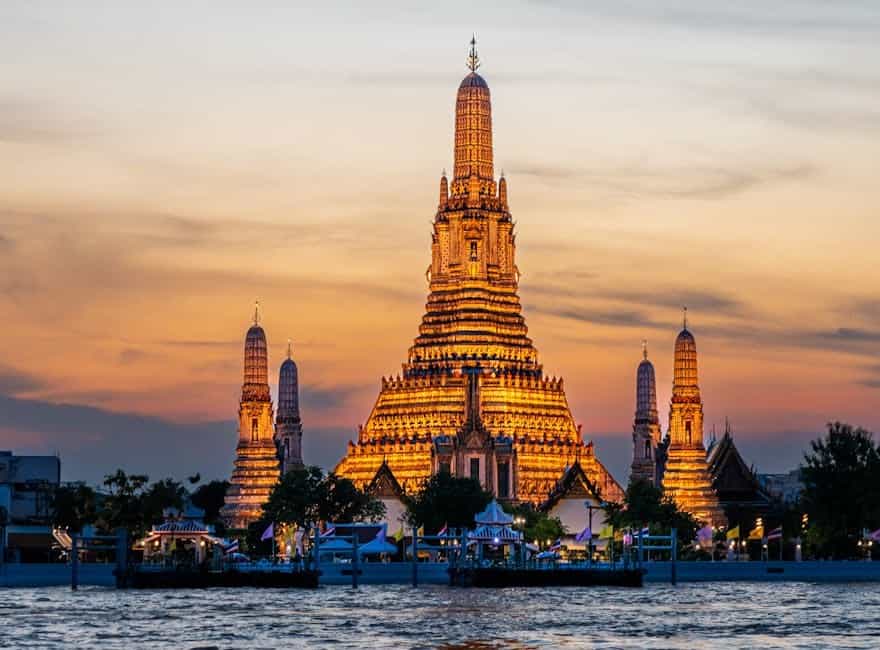
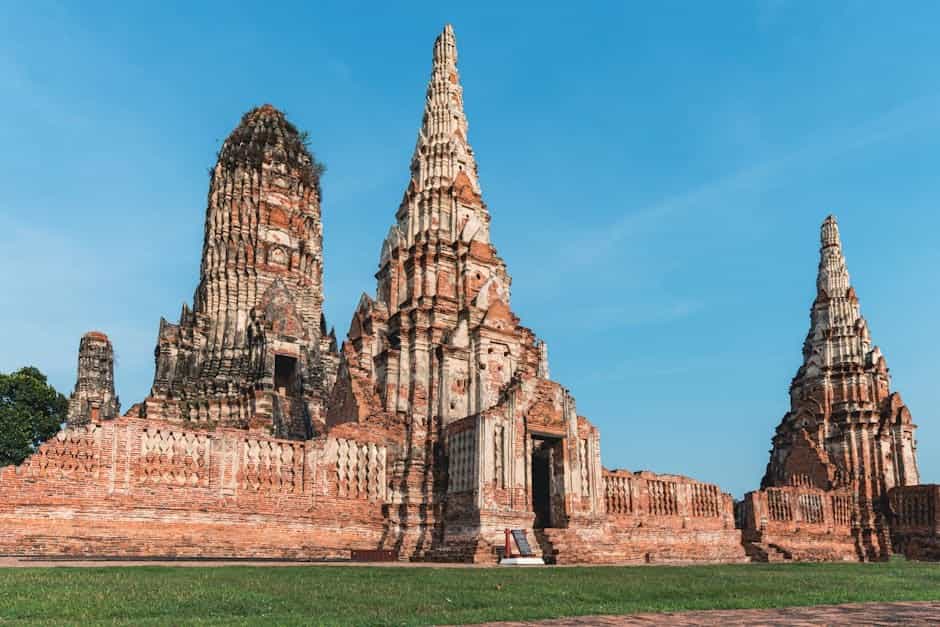
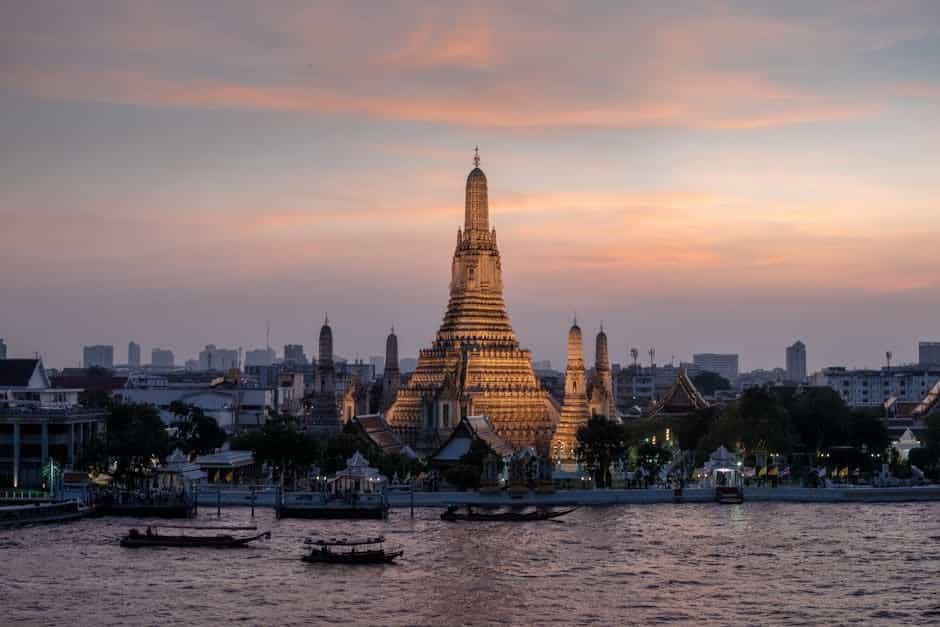
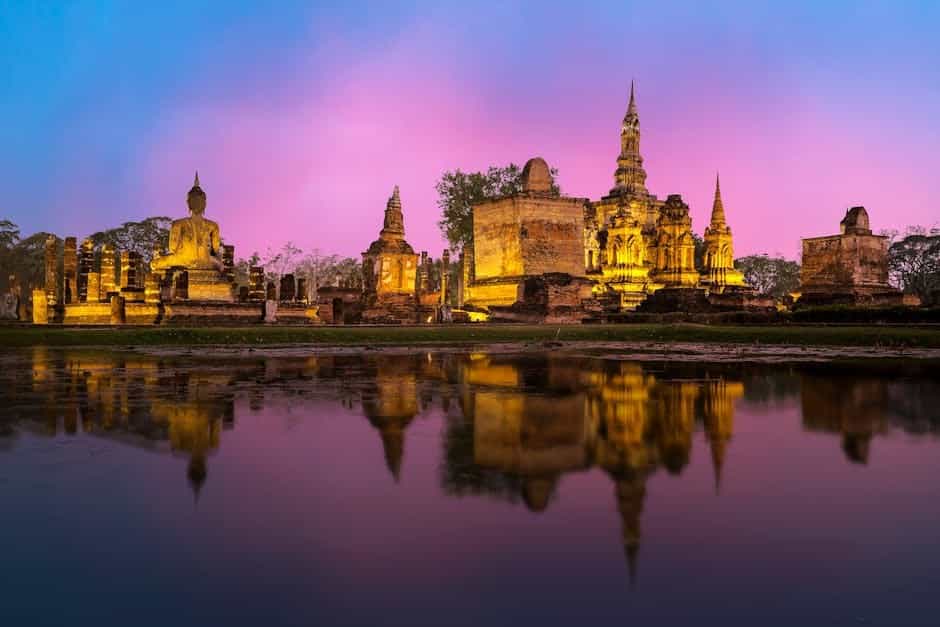
Thailand's top attractions span culture, nature, and adventure. In Bangkok, visit the Grand Palace and Wat Pho temple, then explore floating markets and take a Chao Phraya river cruise. Ayutthaya's UNESCO ruins make an excellent day trip. Chiang Mai offers the old city's temples, Doi Suthep mountain temple, and vibrant markets. For beaches, Phuket and Phang Nga Bay provide island-hopping to James Bond Island. Krabi's Railay Beach offers world-class rock climbing and stunning limestone karsts. Koh Samui features palm-fringed beaches and Ang Thong Marine Park. Don't miss Kanchanaburi's Bridge on River Kwai and Erawan Falls. Sukhothai's quieter ruins are perfect for cycling. Each region offers unique experiences - temples in the north, beaches in the south, and urban energy in Bangkok.
What Thai food should I try and where can I find good restaurants?
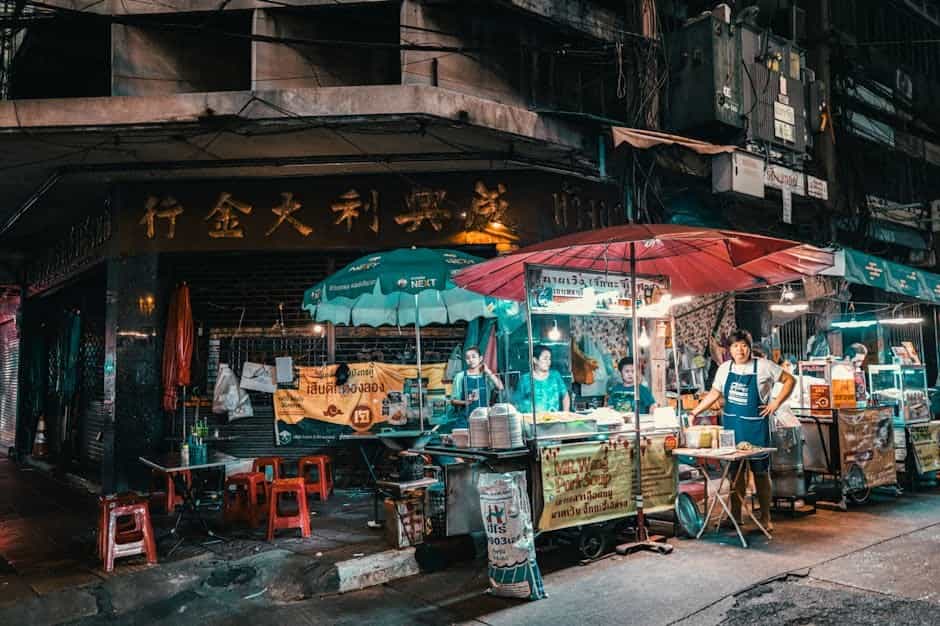
Thai cuisine offers incredible variety beyond the familiar Pad Thai. Must-try dishes include Tom Yum Goong (spicy-sour soup), Green/Red/Massaman curry (Massaman is milder), Som Tam (papaya salad), and Khao Soi (Chiang Mai's coconut curry noodles). Don't miss Mango Sticky Rice for dessert. For vegetarians, say 'gin jay' for vegan options without fish sauce. Top dining spots include Raan Jay Fai (Bangkok) for legendary crab omelette, Thipsamai for classic Pad Thai, and Gaggan Anand for progressive Indian-Thai fusion. In Chiang Mai, try Khao Soi Khun Yai for authentic northern flavors. Street food is generally safe at busy stalls with high turnover. Start with milder dishes and gradually increase spice levels. Always drink bottled water and eat at crowded local spots for the freshest food.
What budget should I plan for a Thailand trip?
Thailand offers excellent value for Indian travelers. Budget travelers can manage on ₹2000-3500 per day including basic accommodation (₹800-1500), street food (₹200-400 per meal), and local transport. Mid-range travelers should budget ₹4000-8000 daily for comfortable hotels (₹2500-5000), restaurant meals (₹500-1000), and activities. Luxury travelers can expect ₹10000+ daily for premium resorts and fine dining. Key costs include: domestic flights (₹3000-8000), island tours (₹2000-4000), massages (₹800-2000), and temple visits (₹100-300 entry). Exchange INR to Thai Baht at money changers for better rates than banks. Cards are widely accepted. Budget more for peak season (November-February) when prices increase 30-50%. Activities like scuba diving, cooking classes, and spa treatments add to costs but offer great value.
Is Thailand safe for Indian tourists?
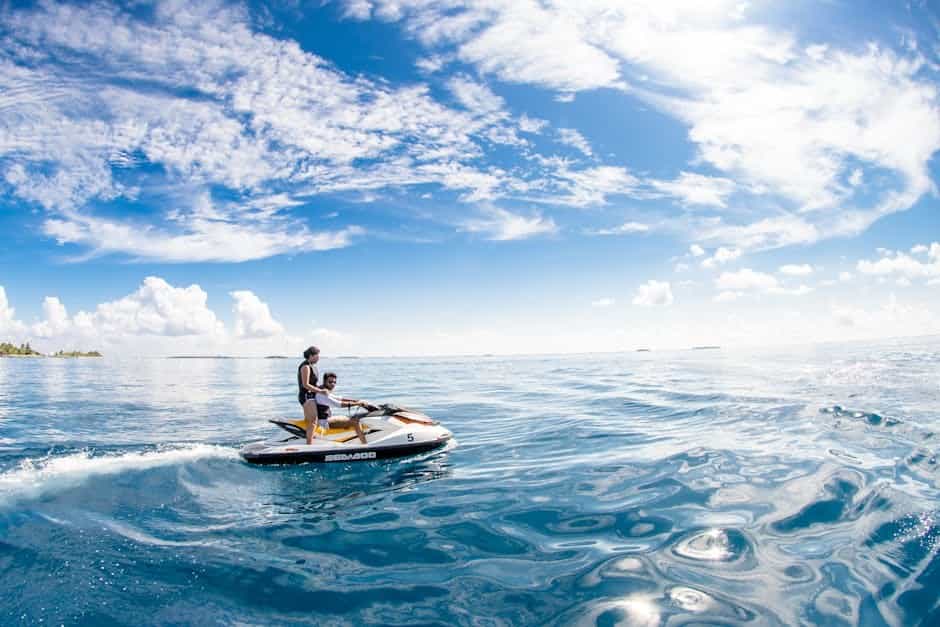
Thailand is generally very safe for Indian tourists with low crime rates and friendly locals. However, stay alert for common scams: overpriced tuk-tuk rides with 'gem shop' detours, jet-ski damage claims, and fake police checkpoints. Always use metered taxis or Grab, and avoid unlicensed tour operators. For water activities, check weather conditions and use reputable operators with insurance. During monsoon season, be cautious of rough seas and flooding. Drink bottled water, use reef-safe sunscreen, and carry basic medications. Keep copies of important documents separate from originals. Emergency numbers: Tourist Police 1155, General Emergency 191. Travel insurance is highly recommended. Women travelers generally feel safe, but use normal precautions. Avoid political demonstrations and respect local customs, especially around temples and royal family.
What cultural etiquette should I follow in Thailand?
Thai culture emphasizes respect and harmony. At temples, cover shoulders and knees, remove shoes before entering, and never point feet toward Buddha statues. Don't touch people's heads or point with your feet. The royal family is deeply revered - show respect and avoid any criticism. Greet with 'wai' (palms together, slight bow) especially to elders. Remove shoes when entering homes and some shops. Dress modestly, especially at religious sites - avoid revealing clothing. Public displays of affection should be minimal. Don't raise your voice or show anger publicly as Thais value 'saving face.' Tipping isn't mandatory but appreciated (20-50 baht for services). Learn basic phrases: 'Sawasdee' (hello), 'Khop khun' (thank you). Be patient and smile - Thailand is called 'Land of Smiles' for good reason. Respect local customs and you'll receive warm hospitality in return.
How many days should I plan for a Thailand trip?
The ideal duration depends on your interests and budget. For a first-time visit, 7-10 days allows you to experience Bangkok (2-3 days), one beach destination like Phuket or Krabi (3-4 days), and Chiang Mai (2-3 days). A comprehensive 2-week trip lets you explore multiple regions: Bangkok and Ayutthaya (4 days), northern Thailand including Chiang Mai and Chiang Rai (5 days), and southern beaches with island-hopping (5 days). Beach lovers should allocate at least 4-5 days for island experiences. Cultural enthusiasts need extra time for temple visits and UNESCO sites. Adventure travelers require additional days for activities like diving, trekking, or rock climbing. Consider travel time between destinations - domestic flights save time but buses/trains offer scenic routes. Peak season requires longer stays due to crowds, while off-season allows more flexibility with shorter notice bookings.
What should I pack for Thailand?
Pack light, breathable clothing for Thailand's tropical climate. Essentials include cotton/linen shirts, shorts, sundresses, and comfortable walking shoes. For temples, bring modest clothing covering shoulders and knees - lightweight long pants and sleeved shirts. Pack swimwear, flip-flops, and a sun hat for beaches. During cool season (November-February), add light layers for northern regions where mornings can be 15-20°C. Monsoon season requires quick-dry clothes, rain jacket, umbrella, and waterproof phone pouch. Don't forget high-SPF sunscreen (reef-safe for marine areas), insect repellent, basic medications, and universal power adapter (Thailand uses 220V). Bring comfortable sandals that can be easily removed at temples. Pack a small day bag for temple visits and tours. Leave space for shopping - Thailand offers great textiles, handicrafts, and spa products. Most items are available locally if forgotten.
What languages are spoken in Thailand and how can I communicate?
Thai is the official language, but English is widely understood in tourist areas, hotels, restaurants, and attractions. Major cities like Bangkok, Chiang Mai, and beach destinations have good English signage and English-speaking staff. Learn basic Thai phrases to enhance your experience: 'Sawasdee' (hello), 'Khop khun' (thank you), 'Aroi' (delicious), and 'Tao rai?' (how much?). For vegetarians, 'mangsawirat' or 'jay' means vegetarian/vegan. Download translation apps like Google Translate with offline Thai for emergencies. Most restaurants in tourist areas have English menus or pictures. Taxi drivers may have limited English - show them your destination written in Thai or use maps. Hotel staff usually speak good English and can help with directions and bookings. Don't worry about perfect pronunciation - Thais appreciate any effort to speak their language and are generally patient and helpful with communication.
Where can I shop in Thailand and what should I buy?
Thailand offers fantastic shopping from luxury malls to bustling markets. In Bangkok, visit Chatuchak Weekend Market (everything imaginable), MBK and Pratunam for bargains, Siam Paragon and ICONSIAM for luxury brands. Chiang Mai's Sunday Walking Street and Warorot Market specialize in textiles and handicrafts. Phuket Old Town's Sunday Lard Yai Market offers local crafts. Must-buy items include Thai silk (Jim Thompson brand is premium), spa products with coconut and lemongrass, handcrafted silver jewelry from northern Thailand, ceramicware (Benjarong), dried fruits, and Thai snacks. Bargaining is expected at markets but not in malls. Start at 50% of asking price and negotiate. Check customs regulations for your return journey. Many shops offer tax refunds for purchases over certain amounts. Exchange money at authorized dealers for better rates than banks. Keep receipts for valuable purchases and consider shipping large items home.
What adventure activities can I do in Thailand?
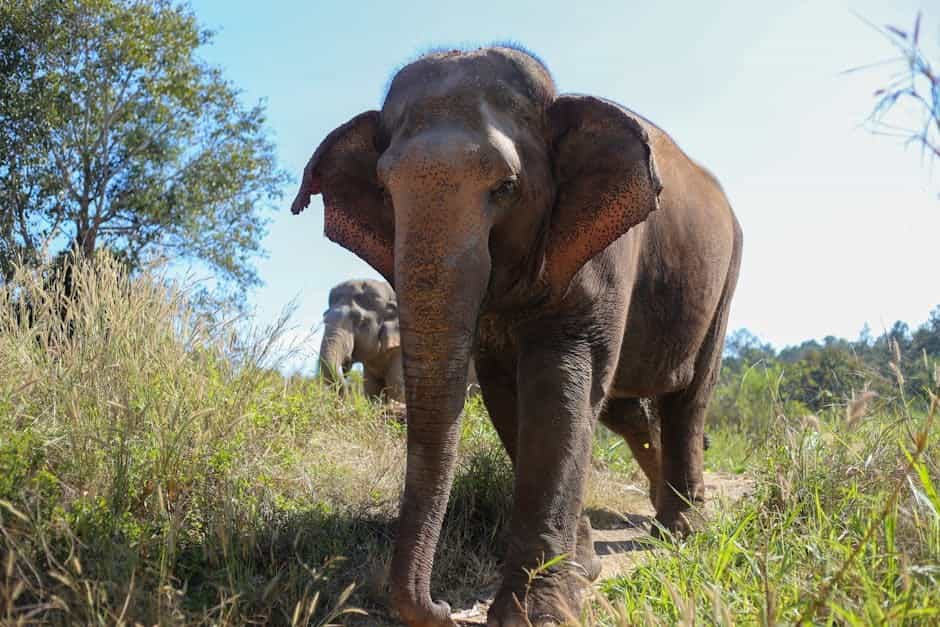
Thailand is an adventure playground offering diverse activities. For water sports, try scuba diving at Similan/Surin Islands (November-May) or year-round at Koh Tao, known for affordable PADI certification. Snorkeling, kayaking through Phang Nga's limestone caves, and island-hopping are popular. Krabi's Railay Beach offers world-class rock climbing for all skill levels, plus deep-water soloing. In northern Thailand, experience jungle trekking around Chiang Mai and Pai, ziplining through forest canopies, and white-water rafting. Visit ethical elephant sanctuaries (avoid riding - choose feeding and bathing experiences). Try mountain biking in Chiang Mai's hills or cycling through Sukhothai's ancient ruins. Adventure tours include ATV rides, bungee jumping, and parasailing. Always use reputable operators with proper safety equipment and insurance. Check weather conditions, especially during monsoon season when some water activities may be restricted.
What is Thailand's currency and how should I handle money?
Thailand's currency is the Thai Baht (THB). Exchange Indian Rupees at authorized money changers in airports or cities for better rates than banks - avoid roadside vendors. ATMs are widely available and accept international cards, but check your bank's foreign transaction fees. Carry some cash as smaller vendors, street food stalls, and markets prefer cash payments. Credit cards are accepted at hotels, restaurants, malls, and tour operators. Notify your bank about travel plans to avoid card blocks. Tipping isn't mandatory but appreciated - 20-50 baht for services, 10% at upscale restaurants if service charge isn't included. Keep small denominations for temples, markets, and tips. Current exchange rate fluctuates around 1 INR = 0.4-0.45 THB approximately. Mobile payment apps like PromptPay are popular locally but may require Thai bank accounts. Always count change carefully and keep receipts for major purchases.
How is the weather in Thailand and what should I expect?
Thailand has a tropical climate with three distinct seasons. The cool/dry season (November-February) offers the best weather with temperatures 24-30°C, minimal rainfall, and clear skies - perfect for all activities. The hot season (March-June) sees temperatures rise to 28-35°C with high humidity, especially intense in April-May. The rainy season (June-October) brings daily downpours, usually short but heavy, with temperatures 26-31°C. However, rain patterns vary by region - the Andaman coast (Phuket, Krabi) gets more rain and rough seas during this period, while the Gulf coast (Koh Samui) is often better July-September. Northern Thailand (Chiang Mai) can be surprisingly cool in winter mornings (15-20°C). Pack accordingly: light, breathable clothing year-round, rain gear for wet season, and layers for northern regions in cool season. Check weather forecasts before booking water activities.
What are Thailand's main festivals and when do they occur?
Thailand celebrates vibrant festivals throughout the year. Songkran (Thai New Year, April 13-15) is the famous water festival where entire cities engage in massive water fights - bring waterproof bags and embrace getting soaked! Loy Krathong (November, full moon) involves floating decorated baskets on water bodies, while Yi Peng in Chiang Mai features thousands of sky lanterns creating magical scenes. The Chiang Mai Flower Festival (early February) showcases elaborate floral floats and parades. Phuket's Vegetarian Festival (September/October) features colorful street processions and strict vegetarian food offerings. Chinese New Year (January/February) transforms Bangkok's Yaowarat district with dragon dances and fireworks. The Surin Elephant Round-Up (November) celebrates elephant culture with shows and parades. During festivals, book accommodations early as prices increase and availability decreases. Participate respectfully, dress modestly, and enjoy the incredible cultural experiences these celebrations offer.
What transportation options are available between Thai cities?
Thailand offers excellent intercity connectivity. Domestic flights are efficient and affordable, connecting Bangkok to Chiang Mai (1.5 hours), Phuket (1.5 hours), Krabi (1.5 hours), and Koh Samui (1 hour). Budget airlines like AirAsia, Nok Air, and Thai Lion Air offer competitive prices. The State Railway of Thailand operates comfortable overnight sleepers from Bangkok to Chiang Mai (12 hours), Surat Thani for Koh Samui (8 hours), and other destinations - book first-class sleeper cabins for comfort. VIP buses provide air-conditioned comfort for routes like Bangkok-Chiang Mai (10 hours) and Bangkok-Phuket (12 hours). For shorter distances, minivans offer door-to-door service but can be cramped. From airports to islands, combination tickets include flights plus ferry transfers. Book through reputable operators and compare prices online. Consider overnight trains/buses to save on accommodation costs, but flights are worth the extra cost for time savings on longer routes.
Are there any health precautions I should take for Thailand?
Thailand is generally safe health-wise, but take basic precautions. Drink bottled water and avoid ice in street stalls - stick to busy, high-turnover vendors for street food. No special vaccinations are required for most areas, but consult your doctor about Hepatitis A/B, Japanese Encephalitis, and Typhoid vaccines. Malaria risk exists in remote border areas but not in main tourist destinations. Use insect repellent to prevent mosquito-borne diseases like dengue fever. Pack basic medications: anti-diarrheal, pain relievers, antihistamines, and any prescription medicines. Pharmacies are widely available in cities. Use high-SPF, reef-safe sunscreen and stay hydrated. Be cautious with spicy food if you're not used to it. Travel insurance with medical coverage is highly recommended. Private hospitals in Bangkok and major cities offer excellent care with English-speaking staff. Keep emergency contacts handy: Tourist Police 1155, Medical Emergency 1669.
What are some off-the-beaten-path destinations in Thailand?
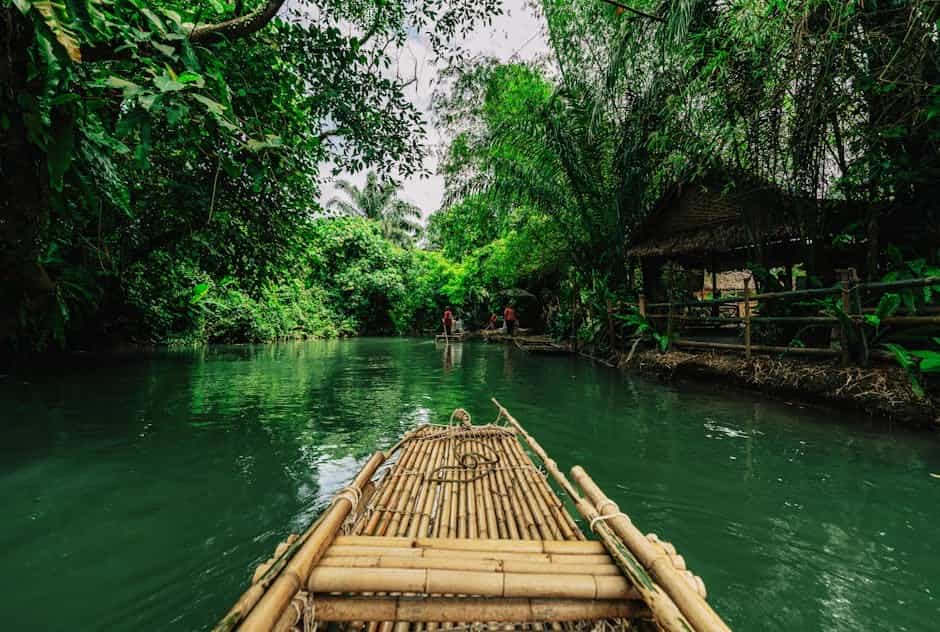
Beyond popular destinations, Thailand offers incredible hidden gems. Pai in Mae Hong Son province features bohemian mountain vibes, hot springs, and stunning canyon sunsets with fewer crowds than Chiang Mai. Khao Sok National Park offers otherworldly experiences at Cheow Lan Lake with floating raft houses and ancient rainforest. The Koh Yao islands between Phuket and Krabi provide rustic luxury without mass tourism. Koh Kood in Trat province boasts crystal-clear waters and pristine waterfalls. Nan Province in northern Thailand offers misty mountains, authentic culture, and the stunning Wat Phumin temple with its famous murals. Trang's islands like Koh Kradan offer powder-soft beaches and emerald cave adventures. Phimai Historical Park features magnificent Khmer ruins without Ayutthaya's crowds. These destinations require more planning and may have limited English signage, but offer authentic Thai experiences and incredible photo opportunities away from tourist masses.
How can I experience Thai wellness and spa culture?
Thailand is the birthplace of traditional massage and a global wellness destination. Traditional Thai massage involves stretching and pressure point work - try it at temples like Wat Pho in Bangkok where the technique originated, or at certified spa schools. Thai spa treatments incorporate local ingredients like coconut, lemongrass, turmeric, and jasmine. Top spa destinations include luxury resorts in Phuket, Koh Samui, and Chiang Mai offering comprehensive wellness programs. Popular treatments include Thai herbal compress massage, aromatherapy, and traditional body scrubs. Prices range from street massages (₹300-500) to luxury spa packages (₹3000-8000+). For authentic experiences, visit local massage schools or community-based spas. Many resorts offer yoga classes, meditation retreats, and detox programs. Always choose licensed practitioners and communicate any health issues or preferences. Spa etiquette includes arriving early, staying hydrated, and tipping 10-15% for good service. Book treatments in advance during peak season.