Places to visit in Thailand
Planning a trip to Thailand? Here is a complete guide to the best places to visit—from popular tourist attractions to offbeat spots you would not find in every guidebook. Get ready to explore, experience, and fall in love with Thailand!
Top 127 curated places to visit in Thailand
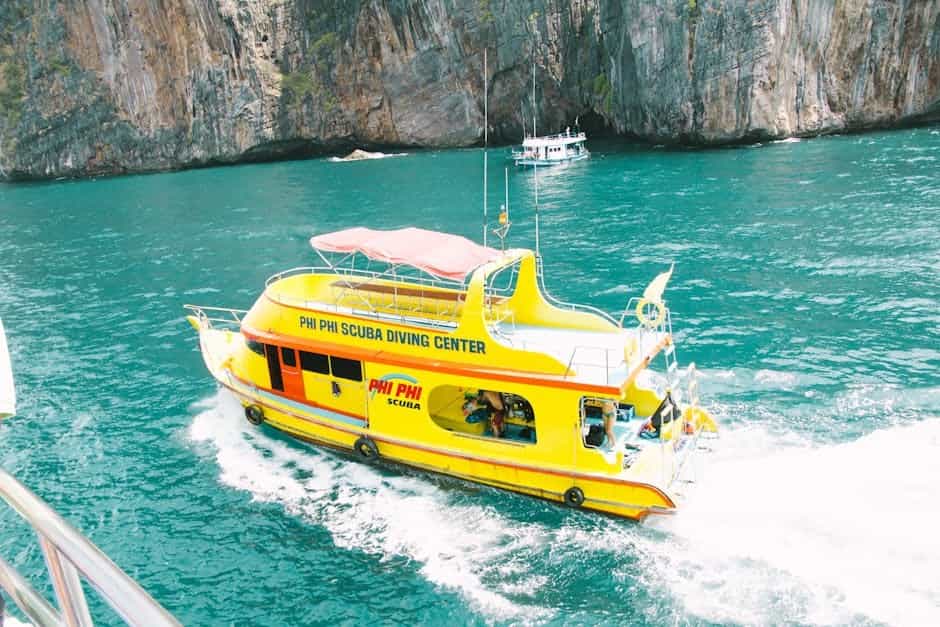
Ko Phi Phi
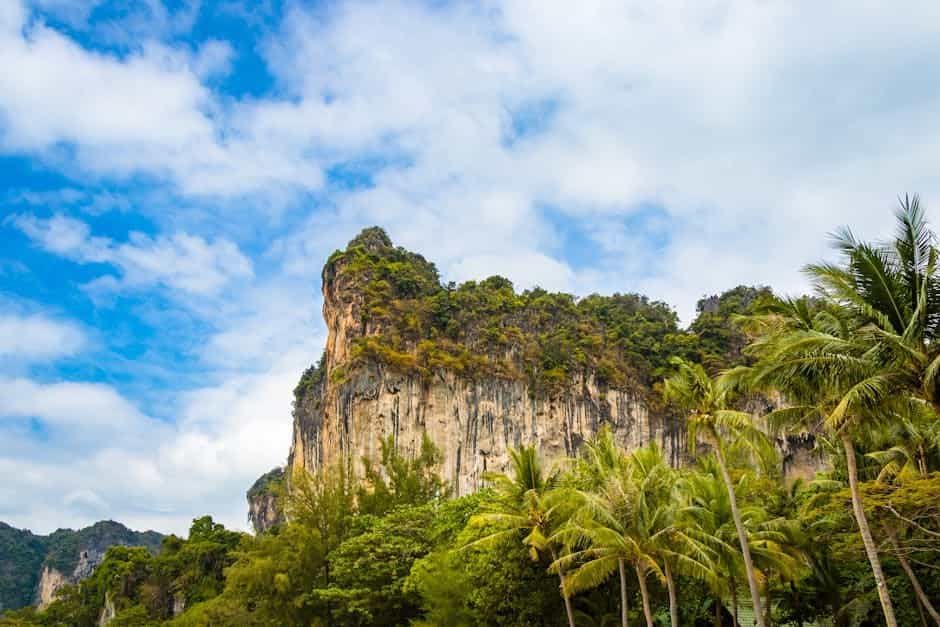
Ko Phi Phi (Phi Phi Islands) are an iconic island group in the Andaman Sea known for dramatic limestone karsts, clear turquoise waters, and rich marine biodiversity. Geologically uplifted limestone and coral reef systems create striking scenery and world-class snorkeling/diving. The islands are part of Mu Ko Phi Phi National Park and have global recognition after Maya Bay (Phi Phi Leh) featured in the film "The Beach" (2000). The islands have a long history of fishing and sea‑gypsy (Moken) culture and experienced major reconstruction after the 2004 Indian Ocean tsunami, which deeply affected local communities and tourism infrastructure.
Ko Lanta
Ko Lanta (commonly spelled Koh Lanta) is an island district in Krabi Province in southern Thailand. It is valued for its relaxed island culture, significant mangrove and marine ecosystems (partly protected within Mu Ko Lanta National Park), and a multicultural community that includes Buddhist Thais, Thai-Chinese families and sea gypsy (Chao Leh/Moken) communities. The island's natural beauty—long sandy beaches, coral reefs and limestone karsts—makes it important for conservation and sustainable tourism.
Mu Ko Lanta National Park
Mu Ko Lanta National Park protects a chain of islands and surrounding marine habitats in southern Thailand, conserving important coastal ecosystems — coral reefs, seagrass beds, mangroves and tropical rainforest — that support rich marine life and nesting sea turtles. The park helps preserve local livelihoods tied to fishing and small-scale tourism and sits near communities with long-standing sea‑faring and trading traditions.
Trang Islands (Ko Mook, Ko Kradan, Ko Ngai)
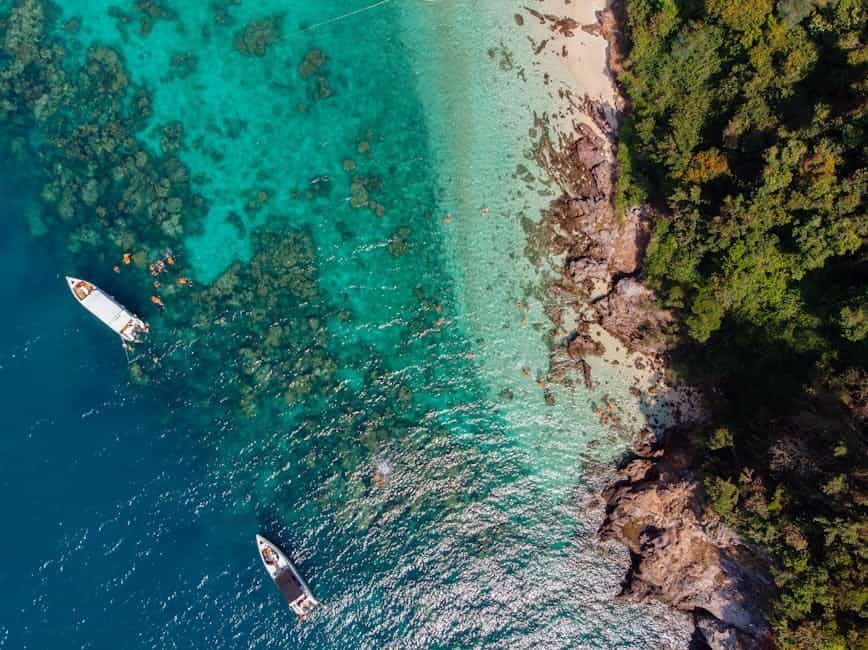
The Trang Islands (Ko Mook, Ko Kradan, Ko Ngai) are celebrated primarily for their outstanding natural marine ecosystems: clear turquoise waters, extensive coral reefs, limestone karsts and white-sand beaches. They form part of southern Thailand's Andaman Sea island chain and are important for coastal biodiversity (coral, reef fish, sea turtles). Culturally, the islands host small fishing and Muslim communities that maintain traditional livelihoods and authentic island life, with long-tail boats and simple village temples/mosques adding to the local character.
Emerald Cave (Tham Morakot)
Emerald Cave (Tham Morakot) is a striking natural sea cave on Ko Muk (Koh Mook) in Trang Province, southern Thailand. Formed by karst limestone erosion, the cave leads to a hidden, emerald-green lagoon enclosed by cliffs. It is a celebrated example of coastal karst geomorphology and an important local attraction that highlights Thailand's island landscape and marine biodiversity.
Hat Chao Mai National Park
Hat Chao Mai National Park is a protected coastal and marine area on the Andaman Sea coast of Trang Province in southern Thailand. The park conserves a mosaic of habitats—sandy beaches, limestone cliffs and caves, mangrove forests, seagrass beds and coral reefs—important for marine biodiversity, shoreline protection and traditional coastal livelihoods. It is especially notable for its role in protecting seagrass beds that support rare marine mammals such as the dugong and for preserving outstanding snorkeling and diving sites.
Ko Tarutao
Ko Tarutao is the largest island in the Tarutao archipelago and part of Tarutao National Park (Thailand). It is important historically as a former penal colony in the early 20th century and culturally for its ties to southern Thai island communities. Naturally, the island is valued for its pristine beaches, rugged jungle interior, mangrove systems and coral reefs—home to nesting sea turtles, endemic birdlife and diverse marine species.
Mu Ko Tarutao National Marine Park
Mu Ko Tarutao National Marine Park (Satun Province, southern Thailand) is a large archipelago and protected marine area renowned for its pristine islands, coral reefs, mangroves and rainforest. The park conserves important marine biodiversity—including nesting sea turtles, healthy reef systems and coastal birdlife—and protects an extensive marine landscape of islands, channels and seascapes that are important for regional ecology and sustainable tourism.
Ko Lipe
Ko Lipe is a small island in the southern Andaman Sea and part of the Tarutao National Marine Park (Satun Province). It is valued primarily for its natural importance: clear turquoise waters, extensive coral reefs close to shore, and rich marine biodiversity that make it a top snorkeling/diving destination in Thailand. Culturally, the island is home to a small community of Urak Lawoi (sea people) whose traditional fishing lifestyle and crafts add local character. Ko Lipe has limited large-scale development, preserving a relaxed island-village atmosphere.
Ko Samui
Ko Samui is one of Thailand's most famous islands, valued for its tropical beaches, coconut plantations, and coral-fringed waters. It combines natural attractions (beaches, waterfalls, marine parks) with cultural sites such as Buddhist temples (e.g., Big Buddha, Wat Plai Laem) and traditional fishing villages, reflecting a blend of Thai, Chinese and Malay influences. The island also serves as a gateway to the Ang Thong National Marine Park, an important marine conservation area and scenic archipelago.
Mu Ko Ang Thong National Marine Park
Mu Ko Ang Thong National Marine Park is a protected archipelago of 42 islands in the Gulf of Thailand celebrated for its dramatic limestone karsts, hidden lagoons and rich marine ecosystems. It is recognized as an important site for marine conservation, supporting coral reefs, seagrass beds and diverse marine life—making it a prime destination for nature-based tourism and environmental education.
Ko Pha Ngan
Ko Pha Ngan is best known for its natural beauty—white-sand beaches, lush tropical forests, limestone cliffs, and coral reefs—and for being a long-standing center of island party culture, especially the Full Moon Party at Haad Rin. Historically, the island developed as a small fishing and coconut-growing community and later grew into a tourist destination. Culturally, it blends Southern Thai island life with influences from backpacker and international communities, resulting in a relaxed, cosmopolitan island atmosphere. The island’s national parks, hiking trails, waterfalls, and marine conservation areas contribute to its natural significance.
Ko Tao
Ko Tao (Turtle Island) is a small island in the Gulf of Thailand known primarily for its world-class scuba diving and snorkeling, vibrant coral reefs, and clear warm waters. Though not a major historical center, Ko Tao's cultural identity grew from its fishing-village roots and a thriving international dive-education scene that transformed the island into a global diving training hub. The island's natural importance lies in its rich marine biodiversity (hard and soft corals, sea turtles, reef sharks) and popular dive sites that contribute to regional tourism and marine-conservation awareness.
Sail Rock (Hin Bai)
Sail Rock (Hin Bai) is one of the Gulf of Thailand's premier natural dive landmarks — a solitary limestone pinnacle rising from deep water between Koh Phangan and Koh Tao. It is highly valued for its rich marine biodiversity, dramatic vertical structure and excellent conditions for drift dives, making it a top site for underwater photographers and experienced recreational divers visiting the region.
Khao Sok National Park
Khao Sok National Park protects one of the oldest evergreen rainforests in the world (estimated at 160 million years). It is renowned for exceptional biodiversity — including large mammals (Asian elephants, gibbons), abundant birdlife (hornbills, kingfishers), reptiles, and rich plant communities. The park's dramatic limestone karst towers, deep valleys, rivers, caves and the striking Cheow Lan (Ratchaprapha) Reservoir create a unique combination of geological and ecological features important for conservation, research and eco-tourism.
Cheow Lan Lake (Ratchaprapha Dam)
Cheow Lan Lake (Ratchaprapha Dam) is a man-made reservoir created by the Ratchaprapha hydroelectric dam in the 1980s inside Khao Sok National Park, Surat Thani province. It is celebrated for its dramatic limestone karst towers, emerald water, and extensive rainforest—one of Thailand's most spectacular freshwater landscapes. The lake supports diverse flora and fauna and is an important destination for conservation-minded tourism and eco-tourism in southern Thailand.
Khao Phra Thaeo National Park
Khao Phra Thaeo is the largest remaining area of near-pristine tropical rainforest on Phuket island and an important conservation area for the island’s native flora and fauna. The protected area preserves critical watershed forests, supports biodiversity (including hornbills, macaques, and other mammals and reptiles), and acts as a green refuge close to heavily developed coastal zones. The park is also home to the Phuket Gibbon Rehabilitation Project, an internationally recognized conservation and animal-rehabilitation initiative.
Sirinat National Park
Sirinat National Park protects a long stretch of Phuket’s northwest coastline, important coastal ecosystems and sea turtle nesting grounds. The park conserves sandy beaches, coastal dunes, mangrove forests and nearshore coral reefs that support biodiversity and local fisheries. Its proximity to Phuket International Airport makes it one of the most accessible marine-protected areas in southern Thailand.
Big Buddha Phuket
Big Buddha (Phra Phutta Ming Mongkol Akenakiri) is one of Phuket's most important landmarks and a major place of devotion for Thai Buddhists. Perched atop Nakkerd Hill, the 45‑metre white marble statue serves as a symbol of peace and reconciliation for the island, and offers panoramic views of Phuket Town, Kata, Karon and Chalong Bay. The project has been largely funded by public donations and reflects contemporary religious patronage and community involvement.
Wat Chalong
Wat Chalong (Wat Chaiyathararam) is the largest and most important Buddhist temple on Phuket Island. It serves as a major center for local religious life and attracts both worshippers and tourists. The complex honors two highly revered monks, Luang Pho Chaem and Luang Pho Chuang, known for their herbalist skills and assistance to the community in the late 19th century. The temple's grand central chedi (pagoda) houses a relic of the Buddha and is an important pilgrimage site.