Places to visit in Thailand
Planning a trip to Thailand? Here is a complete guide to the best places to visit—from popular tourist attractions to offbeat spots you would not find in every guidebook. Get ready to explore, experience, and fall in love with Thailand!
Top 127 curated places to visit in Thailand
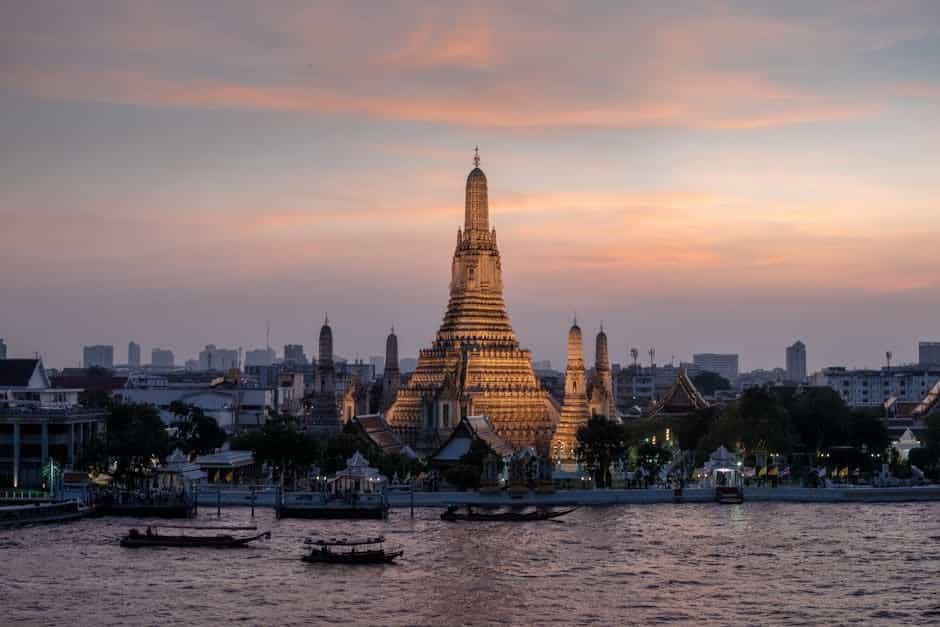
Wat Arun (Temple of Dawn)
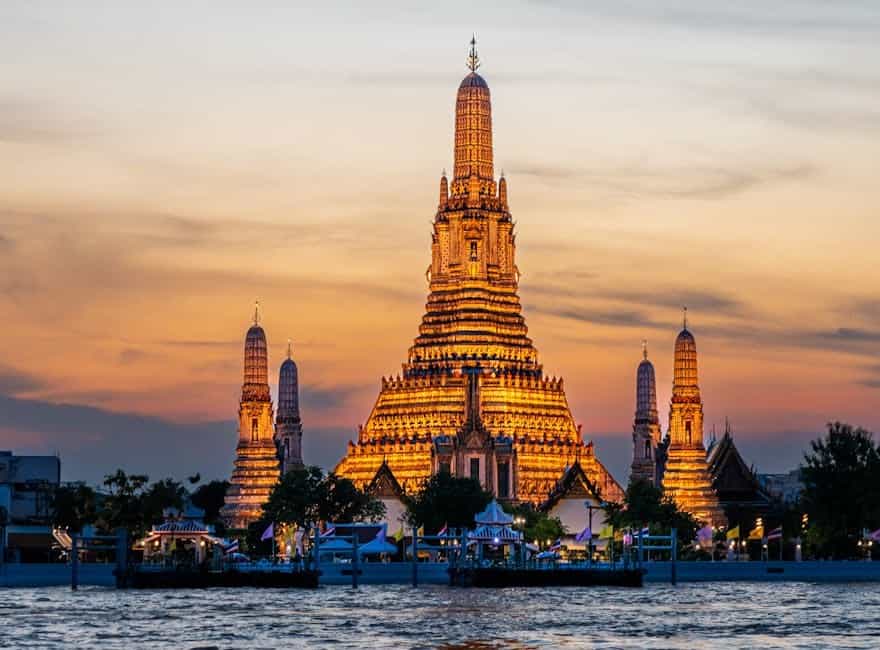
Wat Arun (Temple of Dawn) is one of Bangkok's most iconic riverside temples, located on the west bank of the Chao Phraya River in the Thonburi district. Its central Khmer-style prang (tower) dates from major restorations in the early Rattanakosin period under King Rama II and King Rama III, built atop earlier Ayutthaya-era foundations. The temple is an outstanding example of Thai temple architecture blending Hindu-Buddhist symbolism (the central prang represents Mount Meru) and displays intricate decorative work using Chinese porcelain. It is a cultural symbol of Thailand and features prominently in images of Bangkok and on Thai coinage and souvenirs.
Jim Thompson House Museum
Jim Thompson House Museum is the former home of Jim Thompson, an American entrepreneur who played a pivotal role in revitalizing Thailand's silk industry in the mid-20th century. The site is important for its collection of Southeast Asian art and antiques, and for preserving an exemplary cluster of traditional Thai teak houses assembled and adapted by Thompson. The museum highlights cultural exchange, artisanal craftsmanship, and Bangkok's modern cultural heritage.
Chatuchak Weekend Market
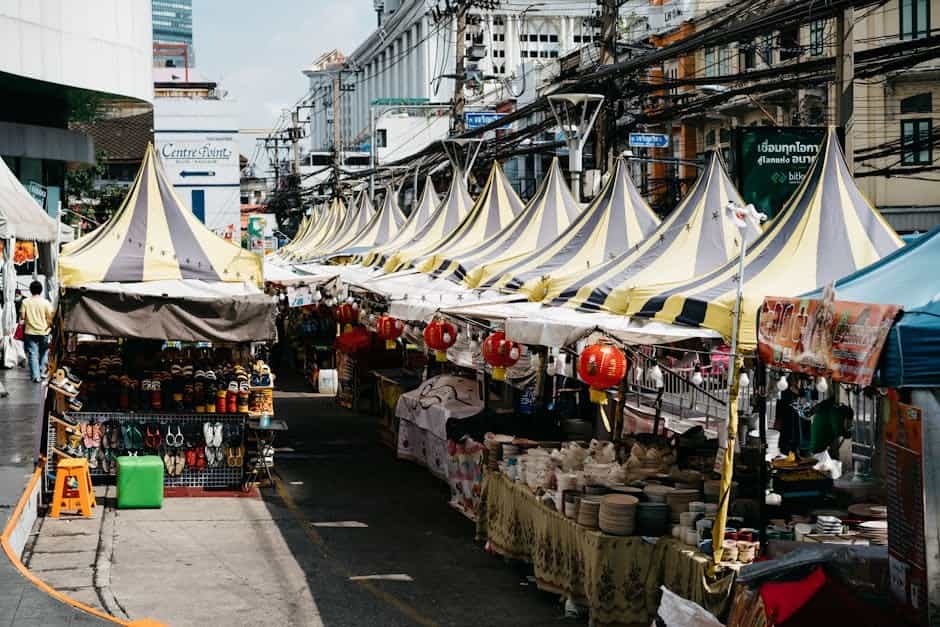
Chatuchak Weekend Market (often called JJ Market) is one of the world's largest weekend markets and a major cultural landmark in Bangkok, Thailand. It began in the 1970s and expanded into a sprawling marketplace that reflects Bangkok’s lively street-seller culture, small-enterprise entrepreneurship, and Thailand’s diverse craft traditions. The market is important as a social and economic hub for local vendors and a showcase of Thai everyday life to millions of visitors each year.
Khao San Road
Khao San Road is a famous backpacker hub in Bangkok that evolved from a 19th-century rice market into an international low-cost-travel center. It serves as a cultural melting pot where travelers, budget accommodations, street-food vendors, and tour operators converge. The street is significant for introducing generations of independent travelers to Thailand and acting as a gateway to the city's historic Rattanakosin district and nearby temples.
Yaowarat (Chinatown)
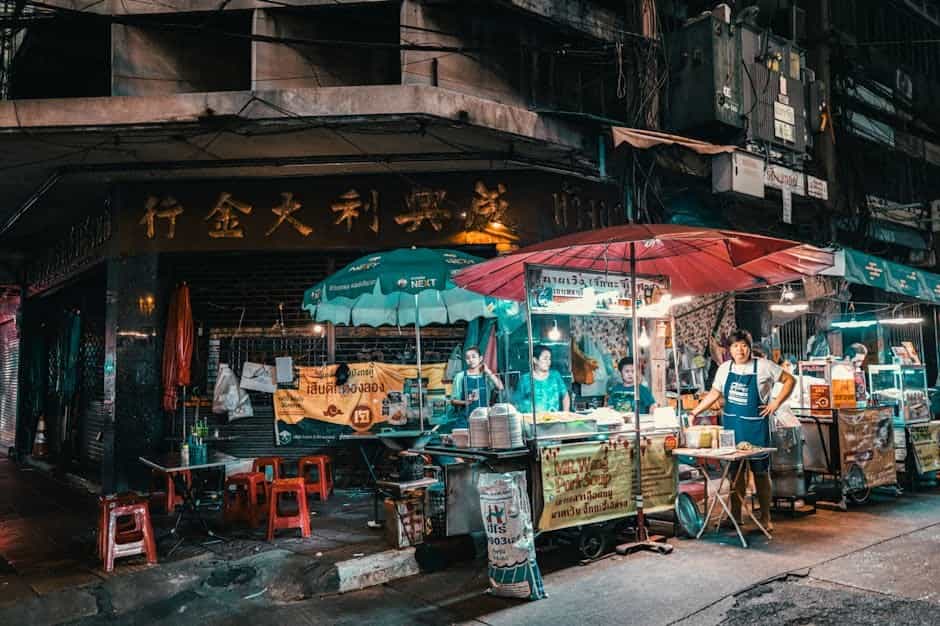
Yaowarat (Bangkok's Chinatown) is one of the oldest and most vibrant Chinese communities in Southeast Asia. Founded in the late 18th century when Chinese immigrants settled along the Chao Phraya River, Yaowarat developed into a major commercial and cultural quarter. It is important historically for its role in Bangkok's trade, gold and jewelry business, and as a center for Chinese-Thai heritage. Culturally, Yaowarat is a living showcase of Sino-Thai traditions, temples, clan houses, cuisine and festivals integrated into Thai society.
Erawan Shrine
Erawan Shrine (San Phra Phrom) is a small but highly significant Hindu shrine in the heart of Bangkok's Ratchaprasong district. Built in the mid-20th century to propitiate protective spirits during the development of the Erawan Hotel complex, it is dedicated to Phra Phrom — the Thai representation of the Hindu god Brahma. The shrine is an example of religious syncretism in Thailand where Hindu and Buddhist practices blend; it plays an important role in daily urban spiritual life and attracts both local worshippers and international visitors.
Asiatique The Riverfront
Asiatique The Riverfront is a modern riverside night market and lifestyle complex built on the former docks of the East Asiatic Company. It combines Bangkok's maritime trading history with contemporary retail, dining and entertainment, creating a popular cultural and tourism landmark on the Chao Phraya River. Asiatique plays an important role in Bangkok's night economy and showcases Thai performing arts (puppet theatre, cabaret, Muay Thai shows) alongside international dining and boutique shopping.
Lumphini Park
Lumphini Park is Bangkok’s oldest public park (opened in 1925) and serves as the city's "green lung" — a major recreational, cultural and ecological space in the heart of the metropolis. It provides important urban biodiversity (ponds, trees, waterfowl, monitor lizards) and a daily gathering place for residents and office workers for exercise, relaxation and civic events.
Chao Phraya River
Chao Phraya River is the principal river of Thailand, formed by the confluence of the Ping and Nan rivers at Nakhon Sawan and flowing south through the fertile central plains into the Gulf of Thailand. It has been the lifeblood of Thai civilisation for centuries—supporting rice agriculture, enabling trade and transport, shaping the growth of Ayutthaya and later Bangkok, and serving as a cultural spine for communities along its banks.
MOCA Bangkok (Museum of Contemporary Art)
MOCA Bangkok (Museum of Contemporary Art) houses one of Thailand's largest private collections of modern and contemporary Thai art. Established to preserve and promote Thai artistic heritage, the museum showcases the development of Thai painting, sculpture and mixed-media art from the 20th century to the present. It is an important cultural institution for education, artistic research and public appreciation of contemporary Thai creativity.
Ancient Siam (Muang Boran)
Ancient Siam (Muang Boran) is an extensive open-air museum that preserves and showcases Thailand’s architectural, historical, and cultural heritage through life-size and scaled replicas of important monuments, temples and traditional buildings from across the country. Conceived by art patron and conservationist Lek Viriyaphant, the site is both an educational resource and a living gallery illustrating Thailand’s regional diversity and historical development.
Erawan Museum
Erawan Museum (พิพิธภัณฑ์ช้างเอราวัณ) in Samut Prakan, Greater Bangkok, Thailand, is an iconic cultural landmark that blends Thai religious symbolism, art, and architecture. Commissioned by Thai businessman Lek Viriyaphant (who also developed Sanctuary of Truth and Ancient City), the museum promotes Buddhist cosmology and Thai cultural heritage. Its massive three-headed elephant (Erawan) sculpture atop a pedestal is a striking symbol derived from Hindu and Buddhist mythology, representing the mount of Indra. The museum preserves important religious artifacts, traditional Thai art, and antiques in curated galleries that interpret cosmology, life, and spirituality.
Ayutthaya Historical Park
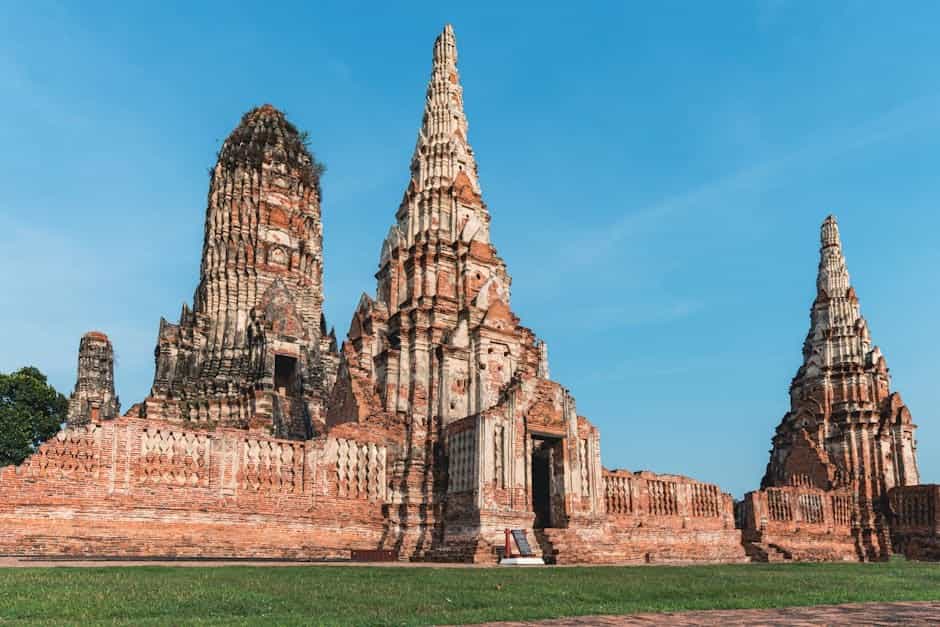
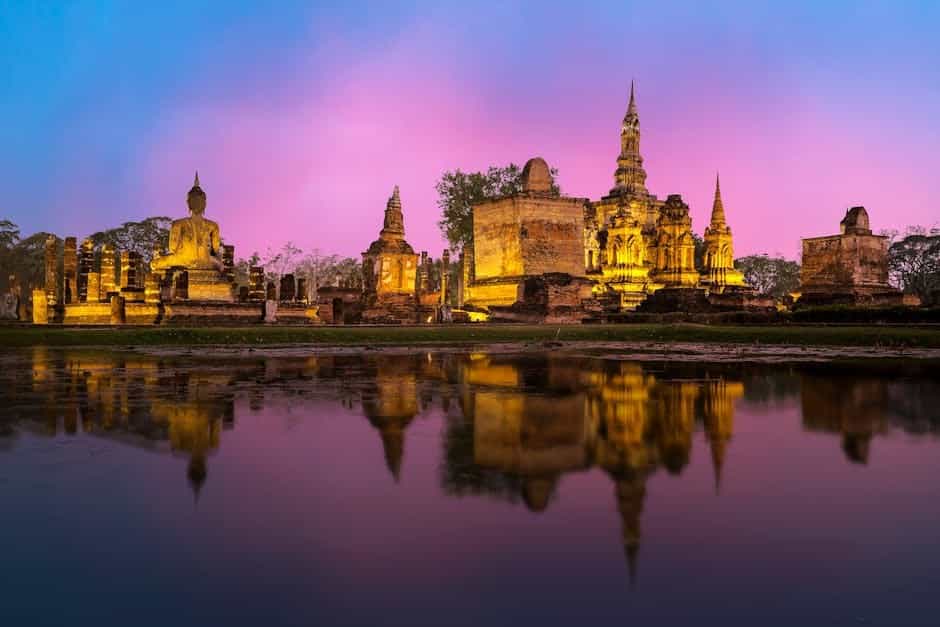
Ayutthaya was the capital of the Kingdom of Siam from 1350 until its destruction by the Burmese in 1767. As a major political, economic and diplomatic hub in Southeast Asia, the city combined local Thai, Khmer, Sri Lankan and foreign (Portuguese, Dutch, Persian, Japanese) influences in its art and architecture. The ruins — temples, monasteries and palaces — reflect the power and cosmopolitan connections of the Ayutthaya Kingdom and are preserved within Ayutthaya Historical Park, a UNESCO World Heritage Site (inscribed 1991).
Bang Pa-In Royal Palace (Summer Palace)
Bang Pa-In Royal Palace (Summer Palace) is a historic royal residence in Bang Pa-In District, Phra Nakhon Si Ayutthaya Province. Originally established in the 17th century by King Prasat Thong, the complex was restored and significantly expanded during the reigns of King Mongkut (Rama IV) and King Chulalongkorn (Rama V). It served as a seasonal retreat and venue for state ceremonies. The site exemplifies Thailand's monarchical history and the 19th-century interplay between Thai, Chinese and European architectural influences.
Prang Sam Yot (Monkey Temple)
Prang Sam Yot is a Khmer-style temple complex in Lopburi, central Thailand, dating from the late 12th to early 13th century. Originally built in the Angkor/Khmer architectural tradition and dedicated to Hindu deities, the site later took on Buddhist significance. It is a key example of Siamese–Khmer cultural layers and an important archaeological and religious landmark in Lopburi province.
Amphawa Floating Market
Amphawa Floating Market is a living example of traditional Thai canal-side commerce and community life in Samut Songkhram province. The market preserves the centuries-old lifestyle centered on waterways (khlongs), showcasing wooden teak houses, family-run trading, and culinary traditions that flourish along the Mae Klong tributaries. It is an important cultural attraction that helps sustain local livelihoods and keeps regional culinary and craft skills alive.
Damnoen Saduak Floating Market
Damnoen Saduak Floating Market is one of Thailand's most iconic floating markets, formed around the dense network of khlongs (canals) built in the 19th century during the reigns of King Rama IV and King Rama V. It historically served as an active trading hub for agricultural produce and daily goods for communities living along the waterways. Today it remains a vivid example of traditional Thai canal-side commerce and rural life, though it has become heavily oriented toward tourism. The market illustrates the cultural relationship between Thais and waterways and preserves culinary traditions and boat-based vending practices.
Maeklong Railway Market
Maeklong Railway Market (Talad Rom Hup) is a living example of how commerce adapts to infrastructure. Located on the narrow gauge railway in Samut Songkhram province, it has become an iconic cultural landmark showcasing daily Thai market life intertwined with train schedules. The market reflects local livelihoods — fishermen, farmers, and vendors selling fresh seafood, produce, and household goods — and has gained international attention as a unique urban-nature interface.
Bridge over the River Kwai
The Bridge over the River Kwai (part of the Death Railway) is a historically significant World War II site in Kanchanaburi Province, Thailand. Constructed by Allied prisoners of war and forced laborers under Japanese supervision between 1942–1943, it became infamous for the brutal conditions, high death toll, and the suffering of thousands who worked on the Burma Railway. The bridge symbolizes wartime hardship and is closely tied to the history of Southeast Asia during WWII. It gained international attention through Pierre Boulle's novel "The Bridge over the River Kwai" and the 1957 film adaptation, which shaped global perceptions though they took artistic liberties with historical facts.
Hellfire Pass Memorial
Hellfire Pass Memorial (Konyu Cutting Museum) commemorates the Allied prisoners of war (POWs) and Asian civilian laborers who suffered and died during construction of the Thailand–Burma Railway (the