Gangotri Temple visit
Gangotri Temple is one of the four Char Dham pilgrimage sites and the sacred shrine dedicated to Goddess Ganga (Bhagirathi). Located on the banks of the Bhagirathi River in Gangotri town, Uttarkashi district, this temple is the traditional seat of the Ganges’ origin in the Himalayas and an important Hindu pilgrimage destination. The present temple was constructed in the 18th century by the Gorkha general Amar Singh Thapa and is built of stone and wood in the traditional Himalayan architectural style.
Location
Gangotri Temple (Ganga Mandir), Gangotri, Uttarkashi, India
Duration
Typical visit: 2–4 hours at the temple site. Allow 1 full day if coming from Uttarkashi. Trek to Gaumukh takes 3–4 days round-trip from Gangotri (trek option).
Best Time to Visit
May to October (temple opens from Akshaya Tritiya in May and closes on Diwali/early November). Peak pilgrimage months: May–June and September. Avoid winter (Nov–Apr) when the temple is closed and the road is snowbound.
Pricing
Temple entry: Free (donations accepted). Puja / special rites: INR 100–1000 depending on the type of seva/puja. Local guide: INR 400–1,500 (half-day to full-day, negotiable). Transport & parking: Shared taxis/buses from Uttarkashi/Gangotri road — expect INR 200–1,500 depending on origin. Private taxis from Uttarkashi: INR 2,000–5,000 one-way (seasonal). Accommodation: Budget guesthouses / dharamshalas INR 300–1,200 per night; mid-range hotels 1,500–4,000 per night (seasonal availability).
Activity Type
Coordinates
Highlights
Ancient stone-and-wood temple dedicated to Goddess Ganga
Sacred Bhagirathi riverbank and the symbolic place of the River Ganges’ descent
Morning and evening puja rituals and aarti (seasonal timings)
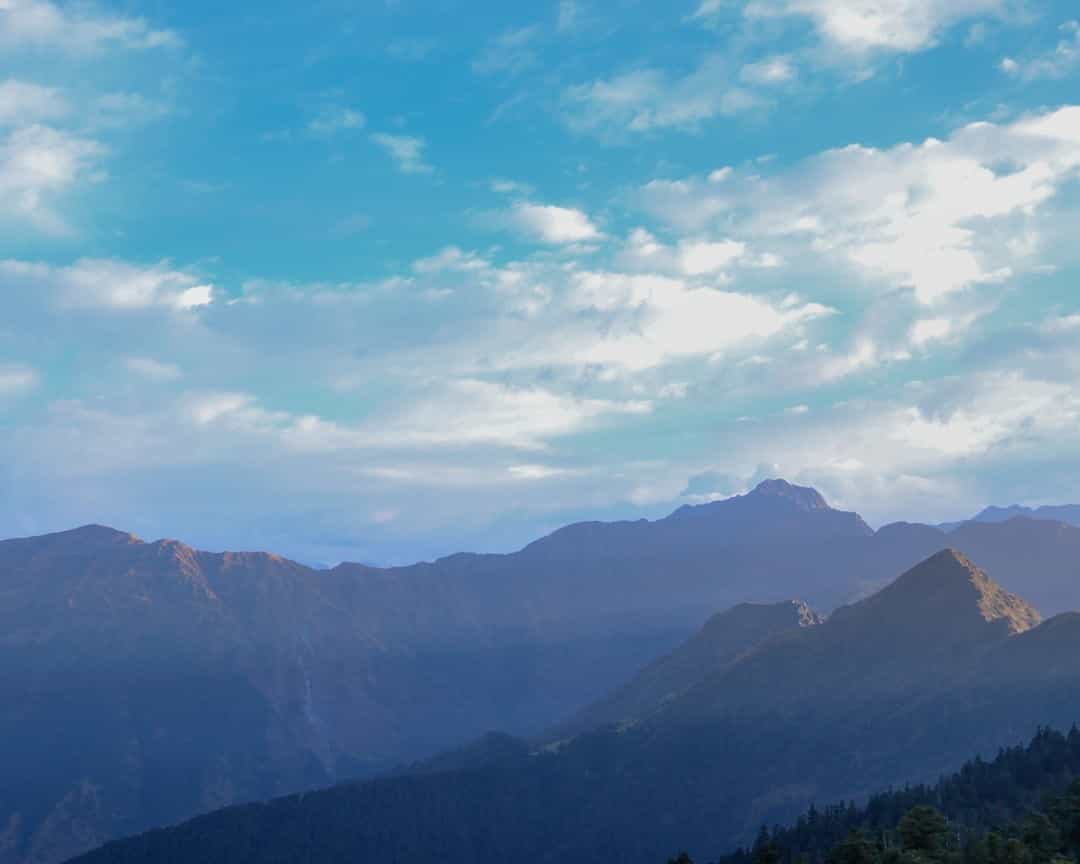
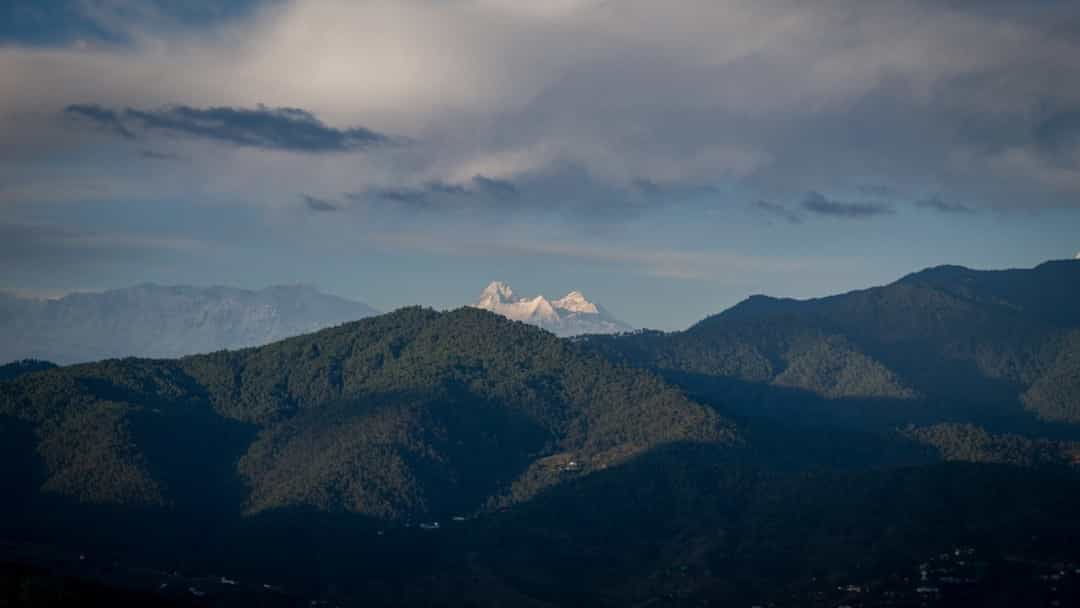
Views of snow-clad Himalayan peaks and nearby glaciers
Gateway for treks to Gaumukh (true glacier source of Ganges) and Bhojbasa
Pilgrimage atmosphere with local shops, langar (community kitchens) and dharamshalas
Itinerary
Arrive at Gangotri; wash hands/feet and take a short walk along the Bhagirathi.
Early morning is peaceful and best for photography and to witness the first prayers.
Darshan at Gangotri Temple and participate/observe the morning puja.
Dress modestly; temple opens seasonally. Follow queue and temple rules; inner sanctum access may be limited during peak times.
Walk along the Bhagirathi, visit nearby shrines, shops and the Ganga Kund area.
You can perform small rituals or offer flowers. Avoid entering fast-flowing river currents for safety.
Lunch and rest at a local dharamshala or guesthouse.
Food options are basic. Carry snacks and water; keep some cash as card acceptance is limited.
Optional short walks: Bhim Pul (a natural rock bridge) or explore nearby viewpoints.
Bhim Pul is a short walk from the temple but the paths can be uneven; wear good footwear.
Trek to Gaumukh and Bhojbasa (starts from Gangotri).
The trek to Gaumukh is moderate to strenuous; typical camp-based 3–4 day round-trip and requires planning, permits (if applicable), and acclimatization.
Safety Requirements
Acclimatize to altitude — Gangotri sits at ~3,100 m; symptoms of AMS (headache, nausea, dizziness) may appear.
Carry basic first-aid and any personal medications; limited medical facilities in Gangotri.
Wear sturdy, non-slip footwear—paths and steps can be wet, icy or slippery in shoulder seasons.
Prepare for sudden weather changes: layers, waterproof jacket, warm clothing for mornings/evenings.
Avoid venturing onto glaciers or river ice without an experienced guide and proper gear.
Keep hydrated and avoid heavy physical exertion on arrival day to reduce altitude risk.
Tips
Temple seasonality: Gangotri Temple opens only during the summer pilgrimage season (Akshaya Tritiya to Diwali) — check exact dates before planning.
Start early in the day for clearer weather and a quieter experience.
Carry sufficient cash — ATMs are scarce and card payments are unreliable in Gangotri.
Respect local customs: remove footwear where required, dress modestly (shoulders and knees covered), and ask before photographing priests or devotees.
Keep a reusable water bottle and purification tablets/filters; bottled water may be available but limited.
If planning the Gaumukh trek, hire a local guide/porter and acclimatize in Gangotri/Uttarkashi first.
Roads can be narrow and affected by landslides during monsoon — allow extra travel time and plan conservatively.
Carry a small offering (flowers, incense) if you wish to participate in rituals; donations to temple trust support local services.