Har Ki Dun trek
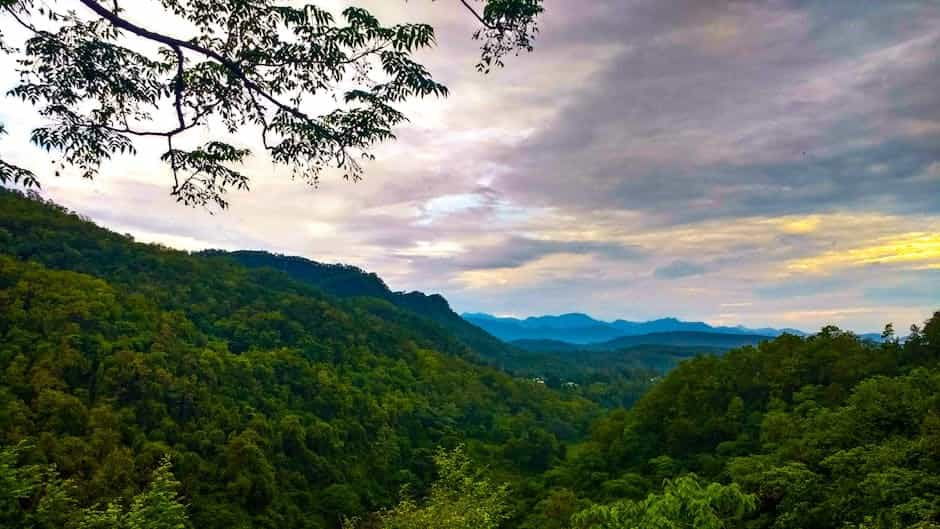
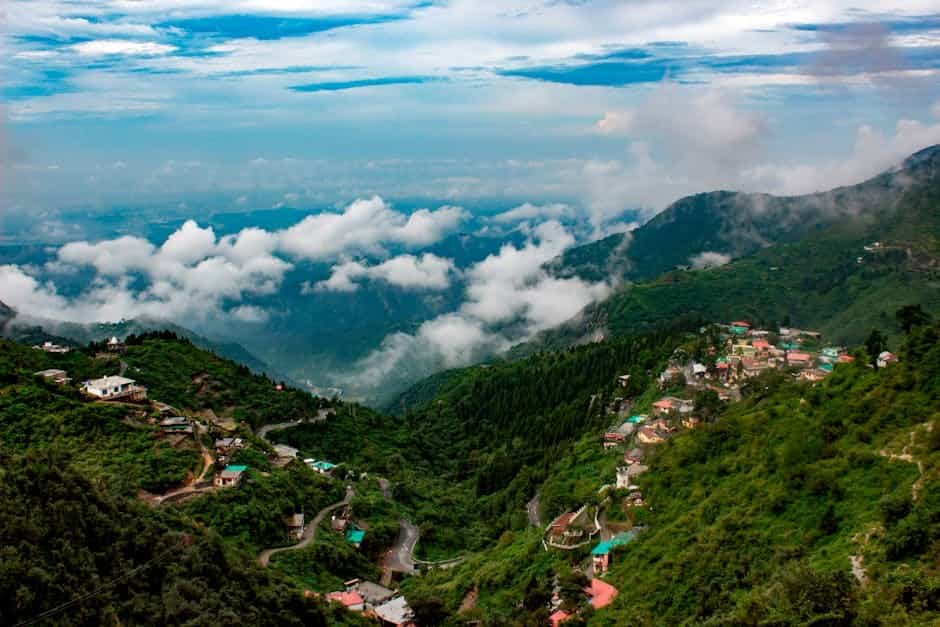
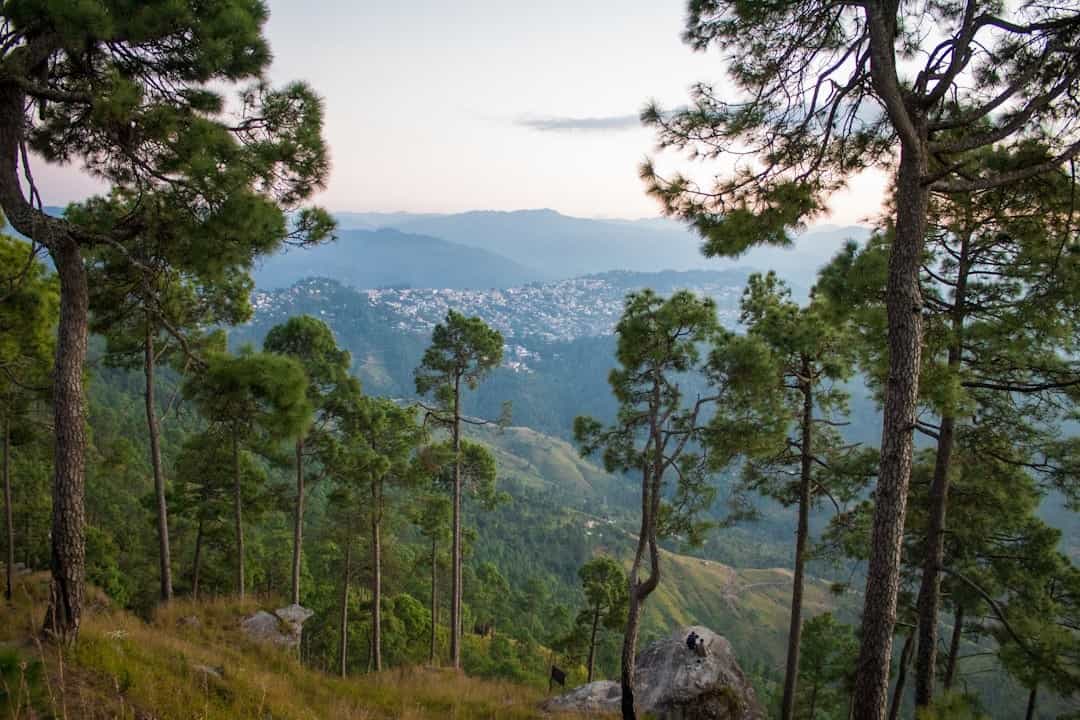
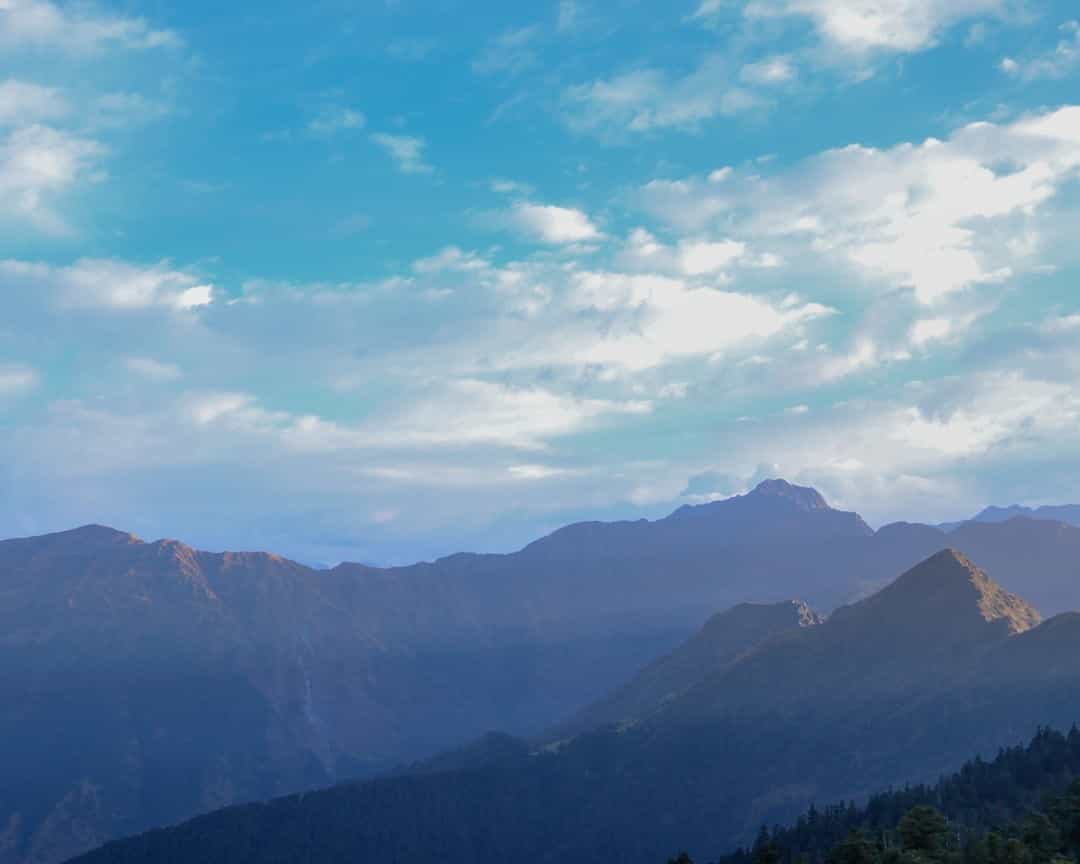
Har Ki Dun is a classic Himalayan valley trek in the Govind Pashu Vihar / Govind Wildlife Sanctuary near Sankri in Uttarkashi district, Uttarakhand. The route passes through ancient alpine villages, lush deodar and oak forests, high-altitude meadows (bugyals), moraines and views of the Swargarohini and Bandarpoonch ranges. The trek is suitable for fit beginners with acclimatisation and for experienced trekkers who want a scenic, culturally rich Himalayan walk.
Location
Har Ki Dun Valley (approach via Sankri), Sankri (Uttarkashi district), India
Duration
Typically 7–9 days (from Dehradun/Rishikesh) — common package is 8 days / 7 nights (including travel to/from Sankri). The pure trek from Sankri base is usually 5–7 days depending on route and acclimatisation.
Best Time to Visit
Mid-May to early-June and September to mid-October are ideal. Late June–August (monsoon) brings lush meadows but slippery trails and leeches; winter (December–March) is snowbound and for experienced snow-trekkers only.
Pricing
Approx. INR 7,000–15,000 per person for organized group packages (6–9 persons) depending on inclusions (meals, transport from Dehradun/Chandigarh/Delhi, guides/porters, permits, stay). Independent/self-guided cost can be lower but requires arranging permits, camping gear and local support.
Activity Type
Coordinates
Highlights
Scenic U-shaped Himalayan valley with meadows, glaciers and moraine features
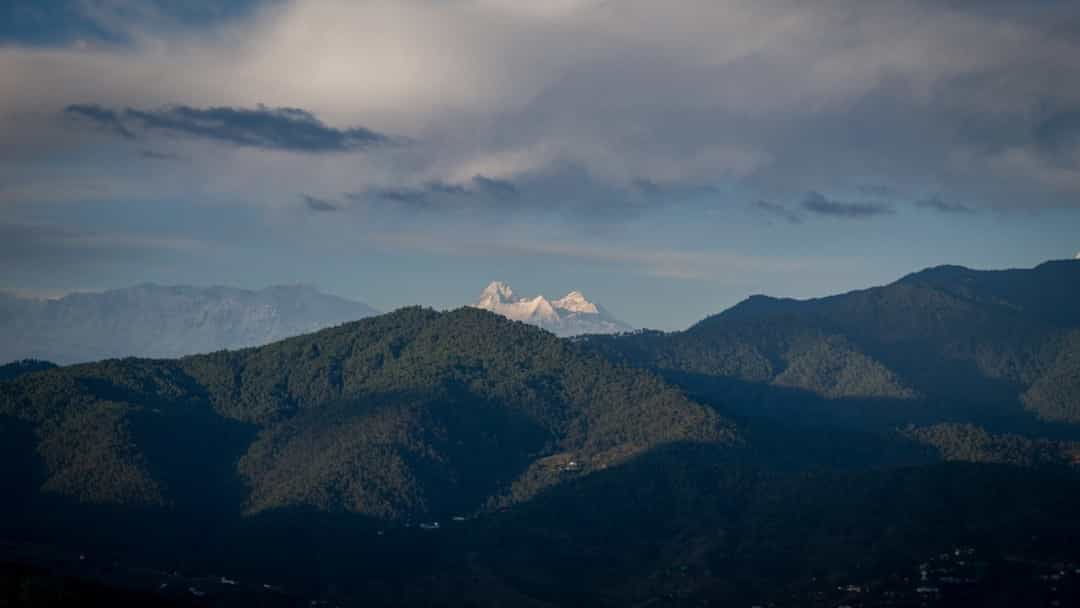
Views of Swargarohini, Bandarpoonch and Black Peak ranges
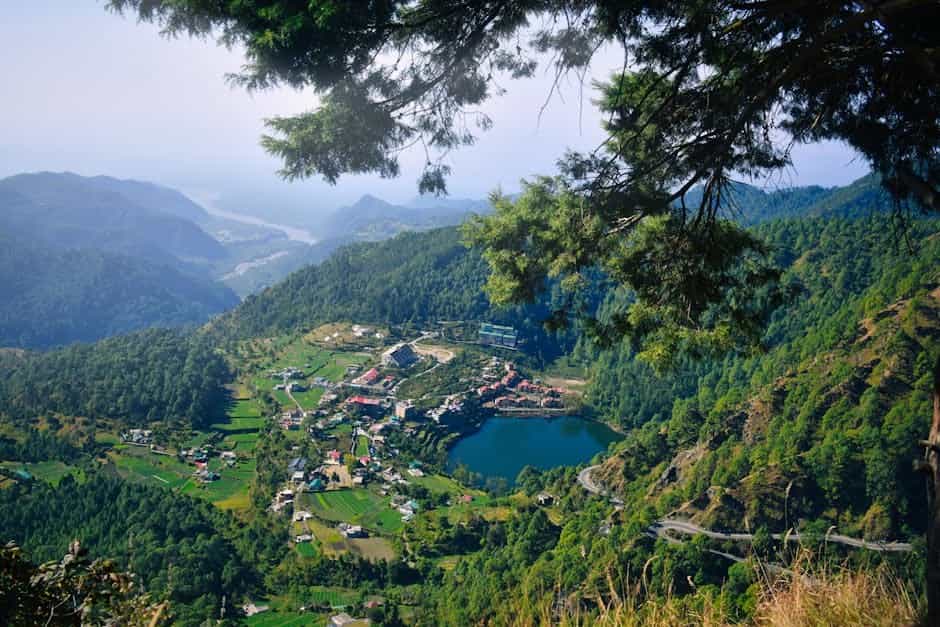
Traditional mountain villages (like Osla, Sankri region) offering a glimpse of Garhwali culture
Ruinsara Tal (optional) — a high-altitude lake often combined as a day-hike
Flora & fauna inside Govind Wildlife Sanctuary — rhododendron, deodar, blue sheep (bharal) and various birds
Camping on high-altitude bugyals under clear night skies
Itinerary
Arrive Dehradun / Haridwar / Delhi. Overnight in Dehradun/Haridwar (depending on route).
Many groups start from Dehradun early next morning. Acclimatize and check gear.
Drive to Sankri (base village)
Drive 8–10 hours through Mussoorie/Tehri region to the remote mountain village of Sankri. Final stretch is on narrow mountain roads; mobile connectivity is limited.
Sankri to Taluka/Seema — trek starts
Short drive from Sankri to the trailhead, then a gentle trek through forests to the first camps. Easy day for acclimatisation.
Trek deeper into Har Ki Dun valley (to Barsu/Osla area)
Trail climbs gradually; expect 5–7 hours of trekking with scenic vistas. Camp near the valley meadows.
Approach Har Ki Dun / Explore valley
Reach the Har Ki Dun bowl; set up camp and explore surrounding ridgelines and meadows. Spectacular views at sunrise/sunset.
Optional day-hike to Ruinsara Tal / local exploration
Ruinsara Tal is an optional extension (weather permitting). Return to camp and prepare for return journey.
Begin return trek to Sankri
Retrace steps at a relaxed pace; enjoy different views on descent.
Drive back to Dehradun / onward destination
Long drive back to urban transport hubs. Overnight en route or continue onward travel.
Safety Requirements
Trek permit from local forest department / entry permit for Govind Wildlife Sanctuary (arranged by operator or local authorities)
Travel with an experienced guide or organized group — trails can be remote and signposting variable
Basic acclimatisation schedule to avoid Acute Mountain Sickness (AMS); stay hydrated and ascend gradually
Warm layered clothing, sleeping bag rated for near-freezing temperatures, and a sturdy pair of trekking boots
First-aid kit including blister care, altitude medication (if prescribed), water purification tablets and emergency contact plan
Weather/monsoon awareness — trails can become slippery and river crossings risky during heavy rain
Travel insurance that covers high-altitude trekking (if available)
Tips
Carry layered clothing (base, insulating and waterproof outer shell) — temperature swings can be large between day and night
Good waterproof trekking boots and gaiters are recommended; break in boots before the trek
Pack a reusable water bottle and water purification method (filter or tablets) — potable water may not be reliably available
Carry sufficient cash in small denominations; ATMs are not available in Sankri
Start early each day to avoid afternoon weather changes and to complete higher sections in good light
Hire local guides/porters where possible — it supports the local economy and reduces logistical burden
Respect local culture and environment — follow Leave No Trace principles and avoid single-use plastics
Keep copies of ID and permits with you; mobile phone coverage is intermittent so inform a contact of your itinerary