Nanda Devi East Base Camp trek
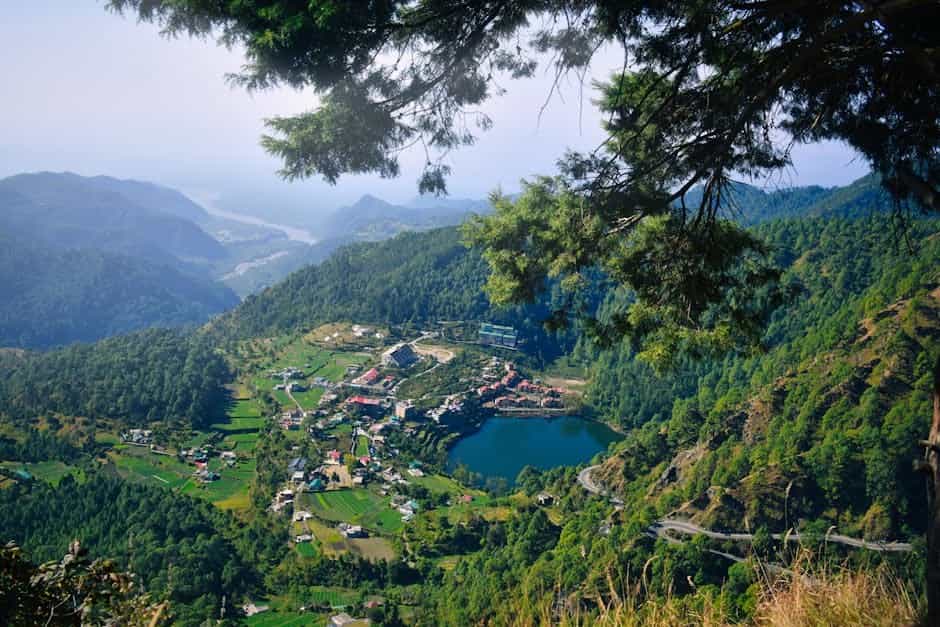
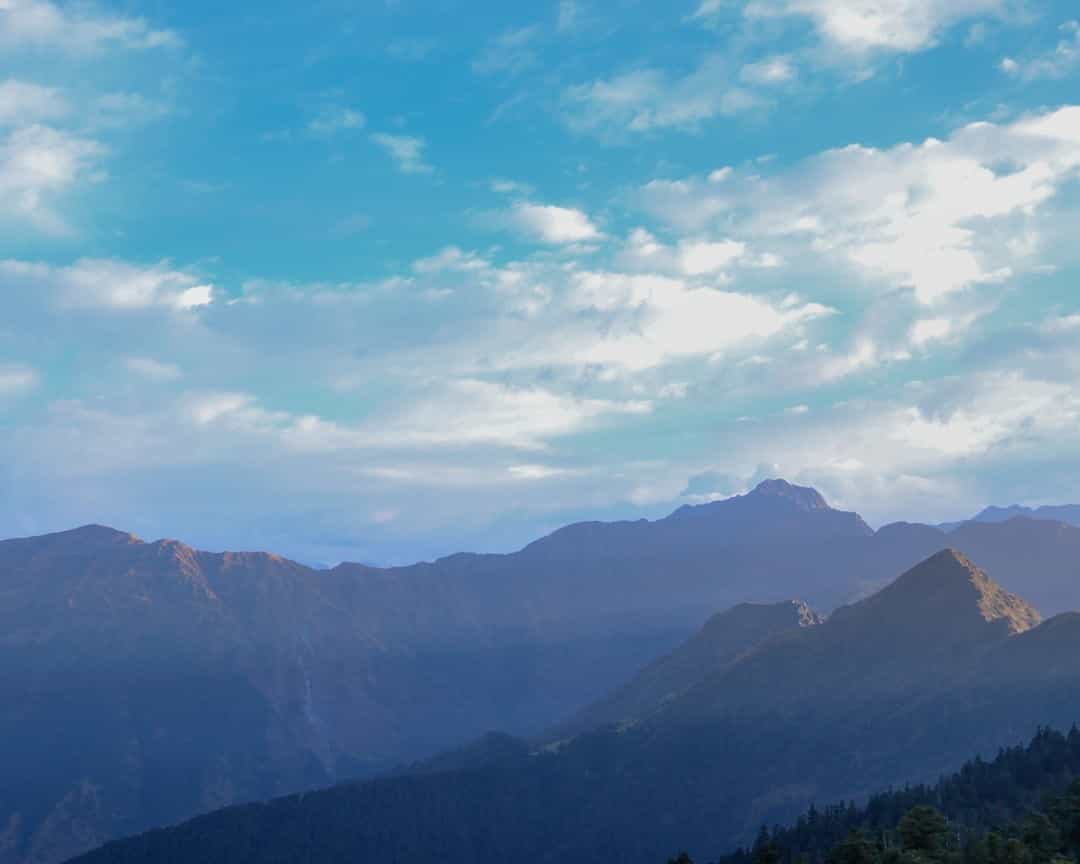
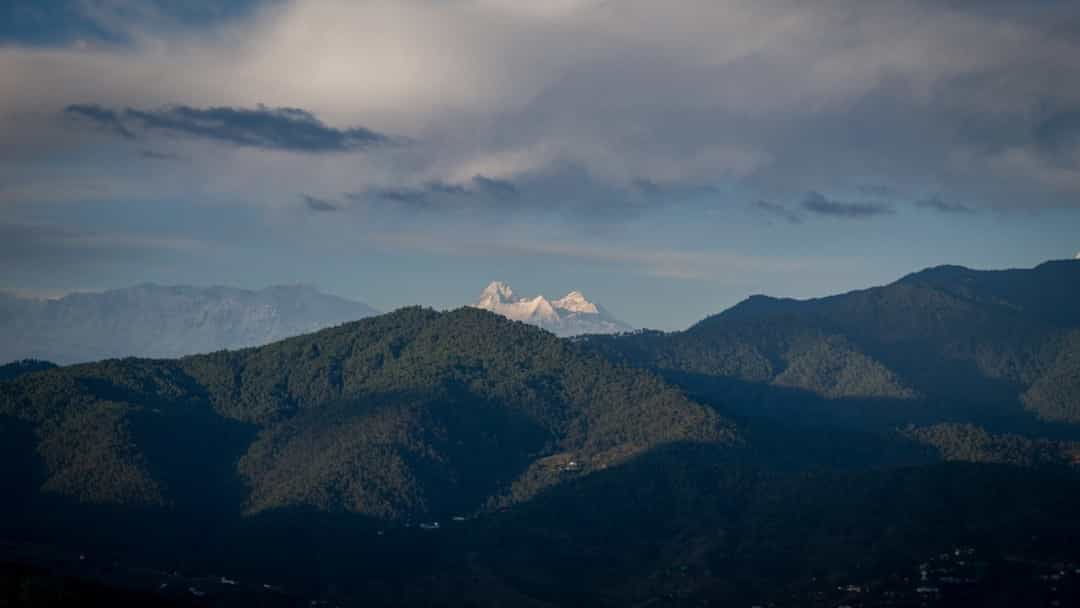
A high-altitude, moderate-to-challenging trek that takes you from the scenic hill-station of Munsiyari into the remote Ralam/Nanda Devi East valley to the base of Nanda Devi East (Nanda Devi East Base Camp). The route passes through alpine meadows, traditional Kumaoni villages, glacial moraines and offers close-up views of Nanda Devi East, Nanda Kot, Panchachuli and surrounding peaks.
Location
Nanda Devi East Base Camp (Ralam/Nanda Devi East Valley), Munsiyari (Pithoragarh District), India
Duration
10 - 12 days (typical package from Munsiyari; add 1-2 days for travel to/from Kathgodam/Delhi)
Best Time to Visit
May to mid-June and late September to October (stable weather, clear views). Avoid monsoon (Jul–Aug) and heavy winter (Dec–Feb) unless experienced in snow trekking.
Pricing
Approx. INR 12,000 - 22,000 per person (group departures) depending on season, group size and inclusions. Private departures or luxury packages can be higher. Price typically includes permits, guide, cook, porters, basic camping equipment and meals; excludes travel to/from Munsiyari, personal gear, insurance and tips. Approx. USD 150 - 300.
Activity Type
Coordinates
Highlights
Spectacular, close-up views of Nanda Devi East (7434 m) and Nanda Kot
Panoramic vistas of the Panchachuli range and other Kumaoni peaks
Ralam Glacier and high alpine meadows (bugyals)
Traditional Kumaoni villages (Lilam and nearby hamlets) and local culture
Remote, less-crowded trails with excellent wilderness and birdlife
Opportunity to camp under clear night skies with Himalayan backdrop
Itinerary
Arrive to Kathgodam/Haldwani and travel to Munsiyari (overnight in Munsiyari).
Allow an extra day if coming from Delhi; the drive from Kathgodam to Munsiyari takes ~10-12 hours by road (often split with an overnight).
Acclimatization day in Munsiyari; local walk to Sirong or market, prepare permits and gear.
Final equipment check; meet trekking team and brief on route and safety.
Drive/short trek to trailhead and trek to Lilam (or nearest first camp).
Easy-moderate day to start the approach; views open up as you gain height.
Trek from Lilam to higher meadow/forest campsite (progressive ascent).
Trail leads through mixed forests, small streams and pastures; keep pace steady for acclimatization.
Trek toward the Ralam valley, crossing moraines and approaching glacial terrain.
Terrain becomes rockier; glacier-fed streams may need crossing — guides will choose safe lines.
Approach day to the Nanda Devi East Base Camp (establish camp near glacier/valley floor).
Final push to base camp; this is the most scenic day with close views of the East peak and surrounding ridges.
Rest / exploration day around base camp; short excursions for photography and acclimatization.
Use this day to explore moraine viewpoints, do short acclimatization hikes and photograph sunrise/sunset on the peaks.
Begin return trek retracing steps toward lower camps.
Descent is usually faster but still demands caution on loose sections.
Continue descent to Lilam / trailhead and transfer back to Munsiyari.
Celebrate end of trek in Munsiyari; enjoy hot meals and rest.
Departure day: travel from Munsiyari to Kathgodam/Haldwani and onward connections.
Schedule onward travel after allowing buffer time for road delays.
Safety Requirements
Good level of fitness and prior trekking experience recommended for high-altitude day(s).
Acclimatization days included to reduce risk of Acute Mountain Sickness (AMS); know AMS symptoms and carry medication (Diamox) if advised by a physician.
Mandatory permits from Forest/Local authorities — check with operator for current requirements.
Experienced local guide and porters strongly recommended; navigation can be difficult in snow, fog or on moraines.
Proper high-altitude camping gear (four-season tents if late season), warm sleeping bags (-10°C or lower depending on season), insulated sleeping mat.
First-aid kit, oxygen cylinder (optional but useful for groups), satellite phone or reliable communication device in remote areas.
River/stream crossing and glacier approach hazards — crampons/ice-axe and experience required if crossing icy sections.
Tips
Acclimatize properly: spend at least one full day in Munsiyari before starting the trek.
Hire an experienced local operator — they manage permits, local porters and safety arrangements.
Pack layered clothing, waterproof shell, warm hat, gloves and quality trekking boots. Temperatures can drop sharply at night.
Carry cash (INR) for small purchases in Munsiyari; ATMs may be unavailable.
Leave no trace: carry out all non-biodegradable waste and minimize campfire impact.
Travel insurance with high-altitude coverage and emergency evacuation is strongly recommended.
Keep flexible itinerary for weather delays; the region can have sudden storms even in good seasons.
Respect local culture and customs; request permission before photographing people or homes.