Pindari Glacier trek
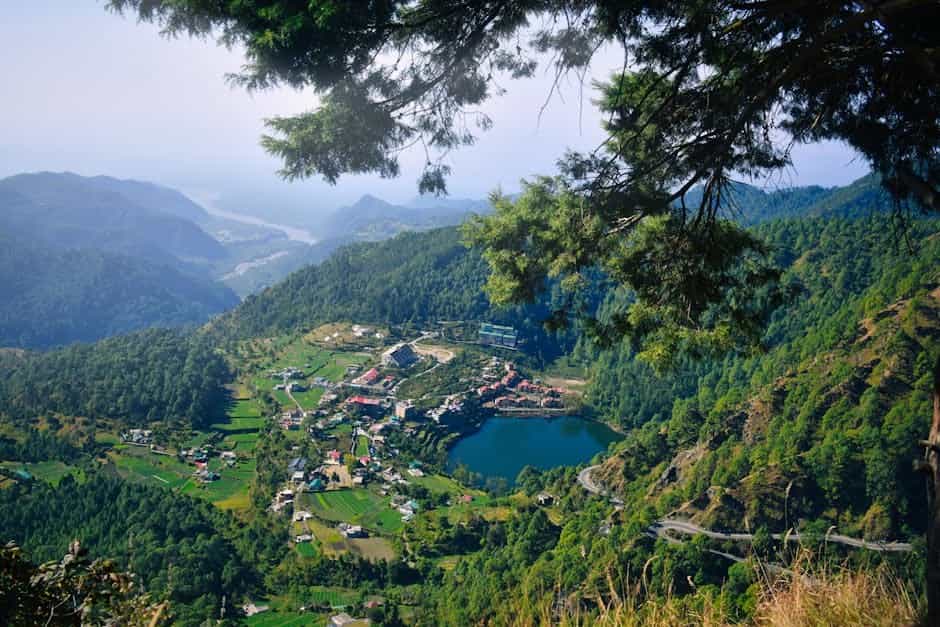
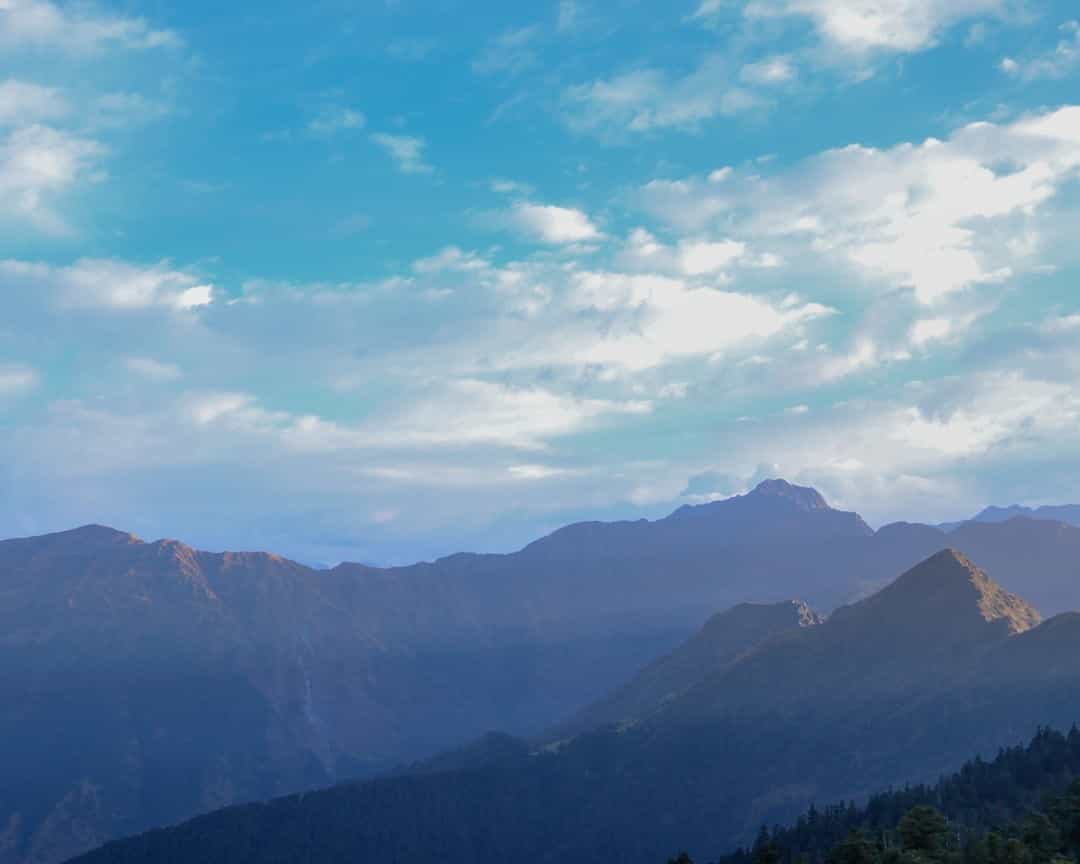
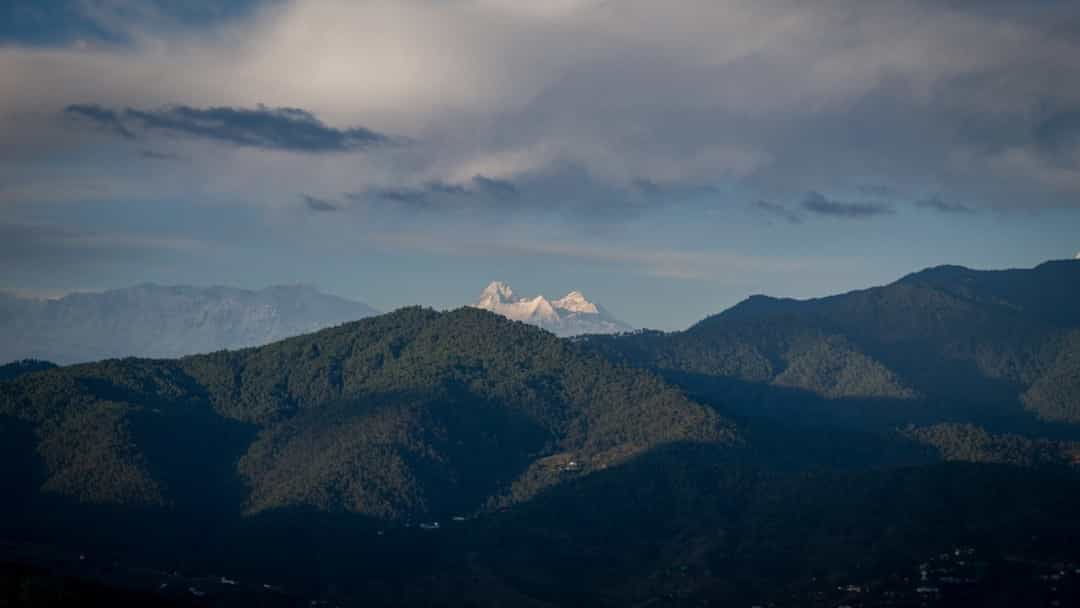
Moderate-altitude alpine trek to the snout/viewpoint of the Pindari Glacier in the Bageshwar district of Uttarakhand. The trek passes through rhododendron and oak forests, high alpine meadows, traditional Kumaoni villages (Khati), and offers close-up views of Himalayan peaks such as Nanda Devi, Nandakot, and Panpatia. Suitable for trekkers with basic mountain trekking experience and good fitness.
Location
Pindari Glacier (Khati–Pindar valley), Bageshwar (nearest major road-head: Loharkhet / Kathgodam for transport), India
Duration
6–8 days (typical round-trip from Loharkhet/Kathgodam)
Best Time to Visit
May–June and September–October (clear skies, stable weather). July–August are monsoon months — expect leeches, slippery trails and limited views; late winter (Nov–Apr) has heavy snow and access issues.
Pricing
INR 6,000–15,000 per person (typical commercial group package). Price depends on group size, season, inclusion of guide/porter, transport from Kathgodam/Loharkhet, meals, camping fees and permits. Solo independent trekking can be cheaper but requires arranging local support.
Activity Type
Coordinates
Highlights
Close views of the Pindari Glacier snout and moraine fields
Panoramic vistas of high peaks: Nanda Devi, Nandakot, Changuch, and surrounding ridges
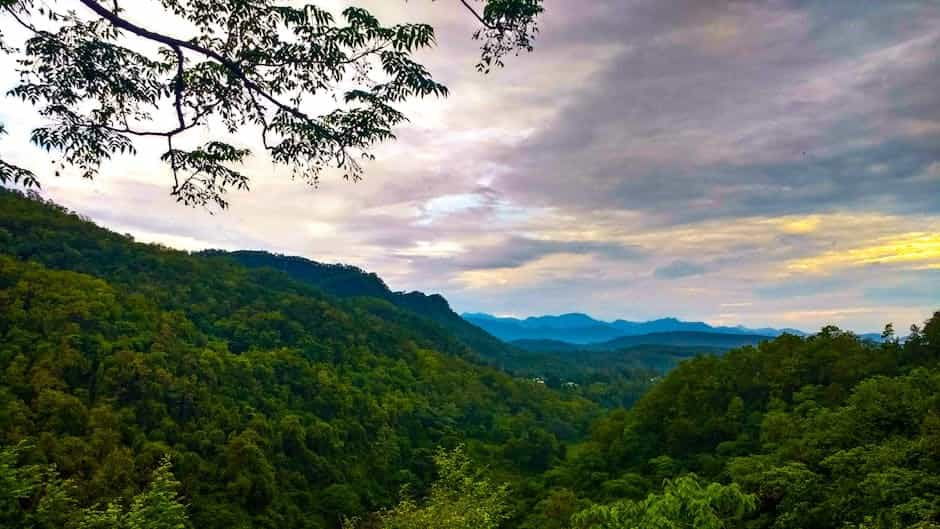
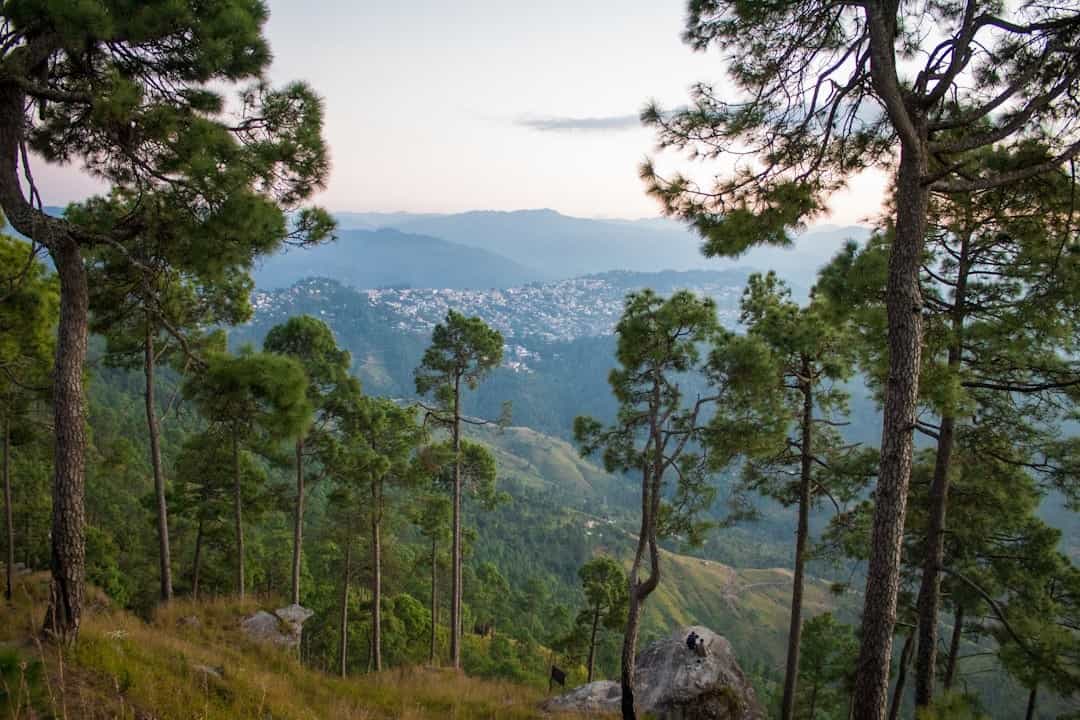
Rhododendron and oak forests at lower elevations; alpine meadows (bugyals) higher up
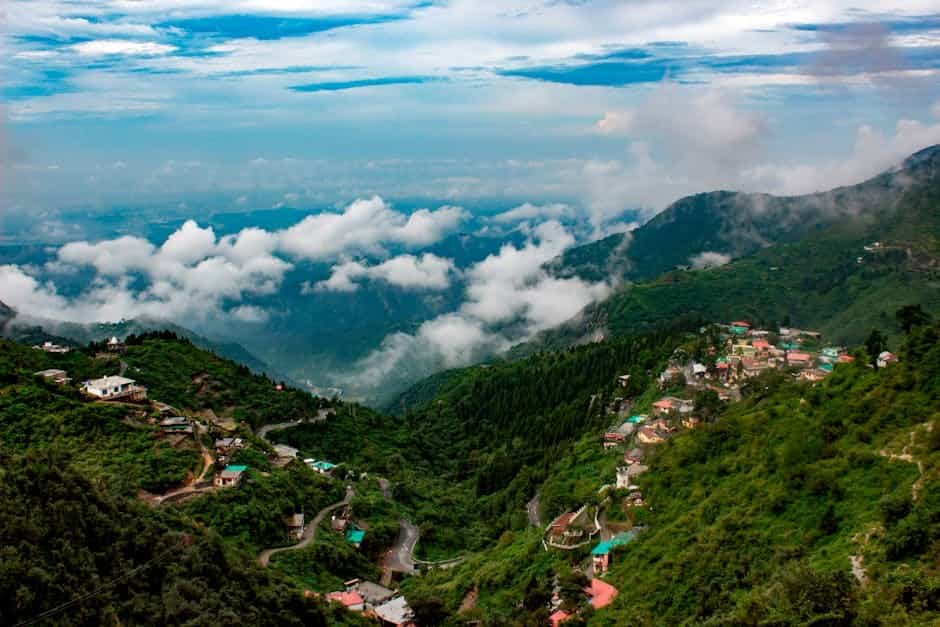
Traditional Kumaoni village Khati — last inhabited village on the route
River crossings and spectacular river valleys along the Pindar River
Good sunrise/sunset photography opportunities and starry nights at camps
Itinerary
Arrive Kathgodam / Haldwani; overnight at hotel; final gear check and brief with guide.
Kathgodam is the usual railhead; buses/taxis to Loharkhet depart next morning.
Drive Kathgodam → Loharkhet (road head), trek to Dhakuri / Dwali (short initial trek)
Drive ~8–9 hours to Loharkhet. Trek 4–6 km to the first campsite to stretch legs; easy grade to acclimatize.
Loharkhet → Khati (trek through forests and meadows)
Trek 10–12 km, gradual ascent; Khati is the last village. Water and basic supplies are available in Khati.
Khati → Dwali / Phurkia (higher alpine meadows) — camp near Pindari side valley
Trek 6–8 km on steeper terrain; arrive at camps with views of the glacier headwall. Prepare for colder nights.
Day trek to Pindari Glacier viewpoint / snout and return to camp
Short but steep approach to the glacier viewpoint. Spend time photographing moraine, ice forms and surrounding peaks; return to camp the same day.
Return trek: Dwali/Phurkia → Khati → Loharkhet (start descent)
Longer day of downhill walking; timely breaks and rehydration recommended.
Loharkhet → Kathgodam (drive back) — onward travel
Drive back to Kathgodam; depart by train/bus or stay overnight depending on schedules.
Safety Requirements
Trek with a licensed local guide or trek operator — route includes remote sections and river crossings.
Acclimatize properly; maximum altitudes reached ~3,300–3,600 m (risk of AMS for susceptible individuals).
Carry a basic first-aid kit, medication for altitude sickness (if advised by a doctor) and personal prescriptions.
Check weather forecasts; avoid the trek during heavy monsoon or unpredictable storms.
Use sturdy trekking boots, trekking poles and waterproof clothing; trails can be slippery and rocky.
Inform local authorities/forest department or your operator about the trekking plan; obtain any required permits.
Travel insurance recommended — ensure it covers high-altitude trekking and helicopter evacuation if needed.
Tips
Pack in layers: base layer, insulating mid-layer, waterproof outer shell — temperatures vary widely.
Carry 2–3 liters of water and a water purification method (tablets/filters) — limited safe water sources on some days.
Footwear: well-broken-in waterproof trekking boots; bring spare socks and blister care items.
Daypack essentials: headlamp, rain cover, sunscreen, sunglasses, hat, high-energy snacks, power bank.
Cash: ATMs are not available beyond Kathgodam/Loharkhet — carry sufficient cash for village purchases and tips.
Respect local culture and environment: avoid littering, use designated campsites and follow Leave No Trace principles.
Start training 6–8 weeks prior: cardio (hiking, stairs, running) and leg-strength workouts will make the trek far more enjoyable.
Book permits, transport and guides in advance during peak season (May–June, Sept–Oct).
If you want a less-crowded experience, consider shoulder seasons (May early or late-September) but check weather windows.