Askot Wildlife Sanctuary, Uttarakhand
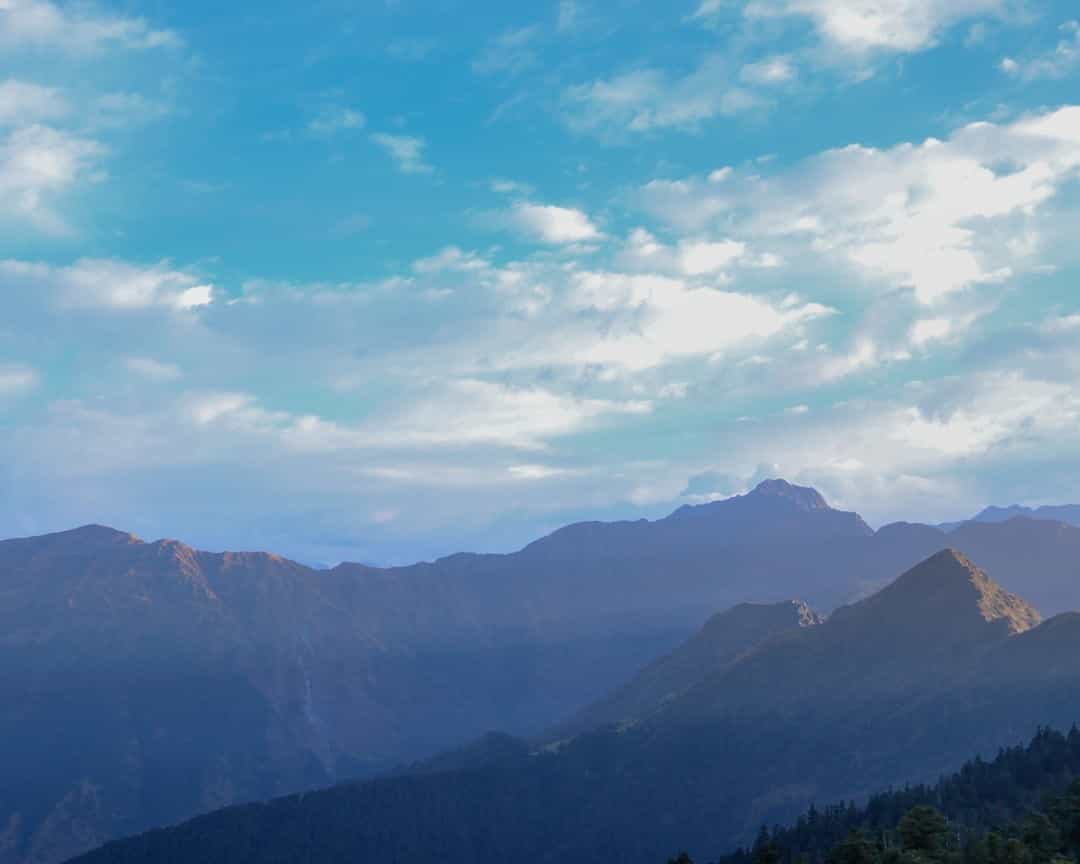
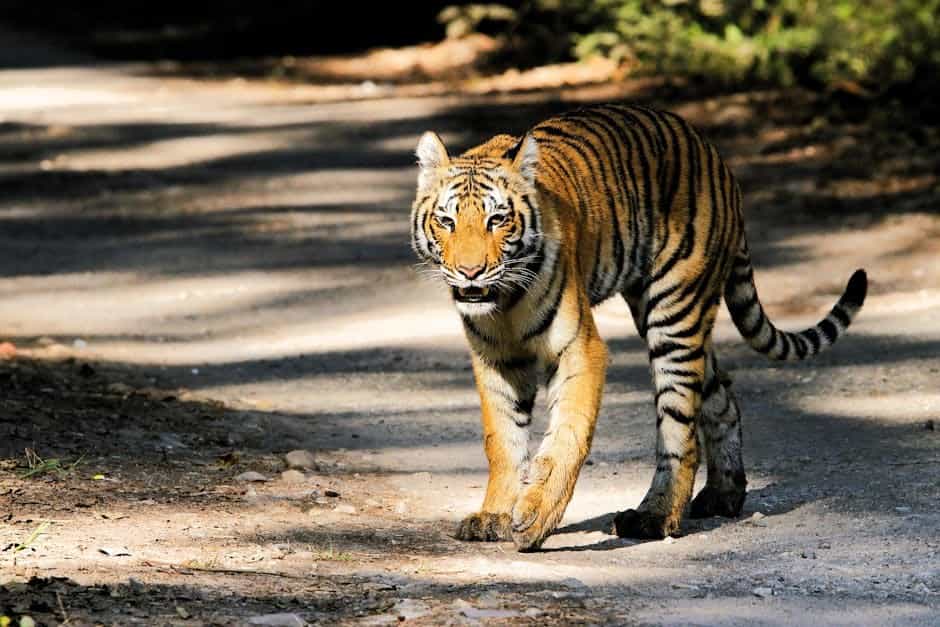
Askot Wildlife Sanctuary (Uttarakhand) is a protected area in the eastern Kumaon region established to conserve a wide altitudinal range of Himalayan ecosystems and rare species, notably the Himalayan musk deer. It conserves temperate forests, subalpine and alpine meadows and serves as an important wildlife corridor in the trans-Himalayan landscape. The sanctuary also has cultural significance for local indigenous communities (Shauka/Bhotia and other Kumaoni groups) whose pastoral and agricultural traditions are linked to the landscape.
Last updated: 23 Oct 2025
Places to visit
- Askot core wildlife area with musk deer habitat
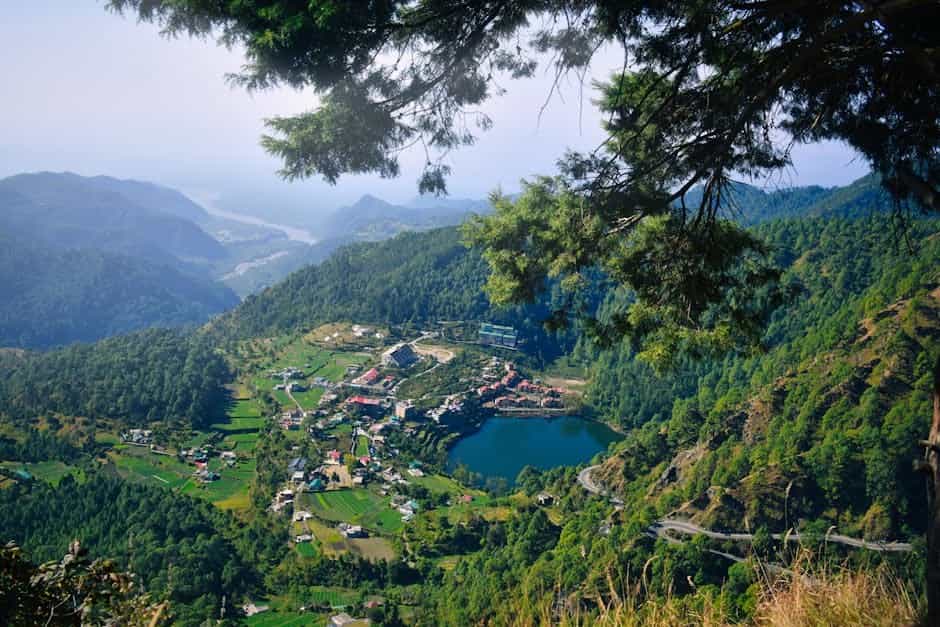
- Kali (Sharda) River valley and scenic river gorges
- Alpine meadows (bugyals) and high-altitude pastures
- Askot Fort and nearby cultural sites
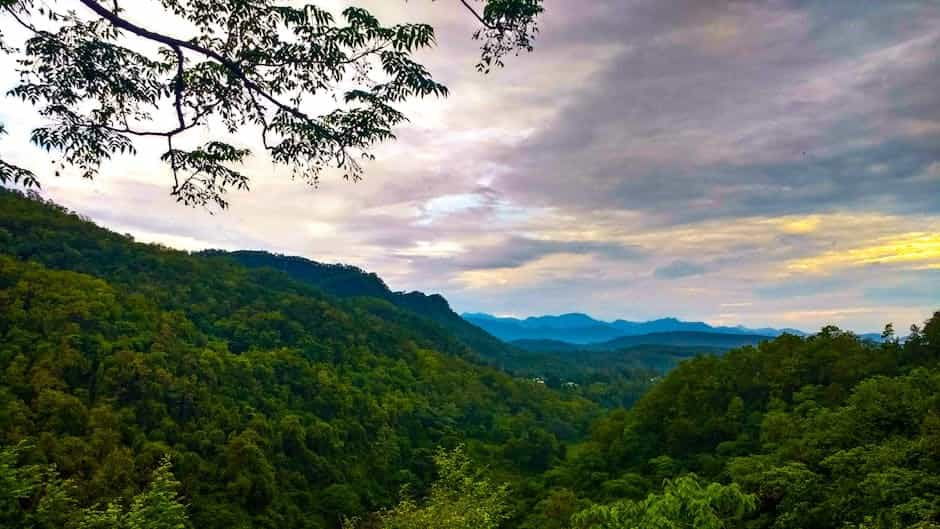
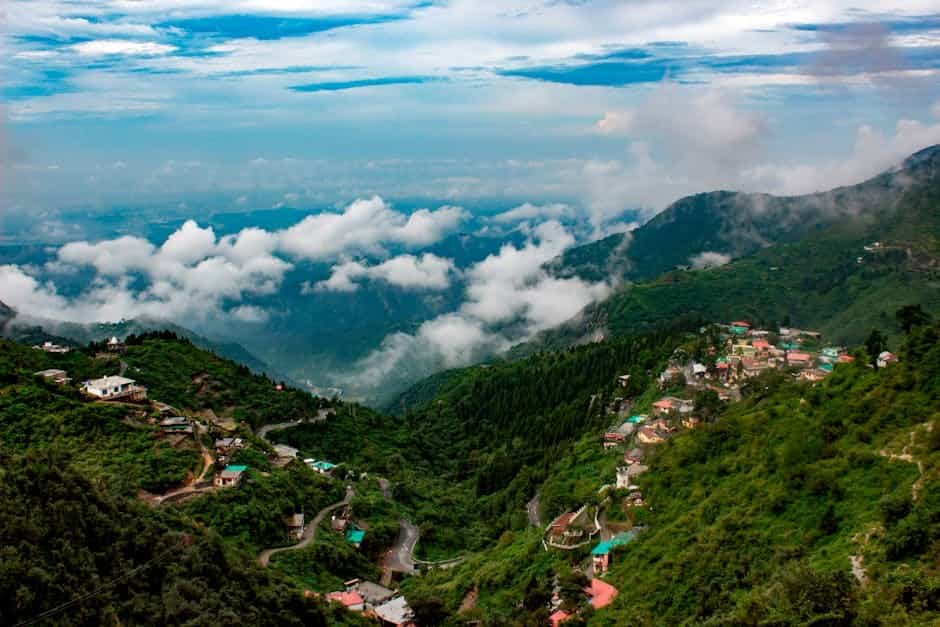
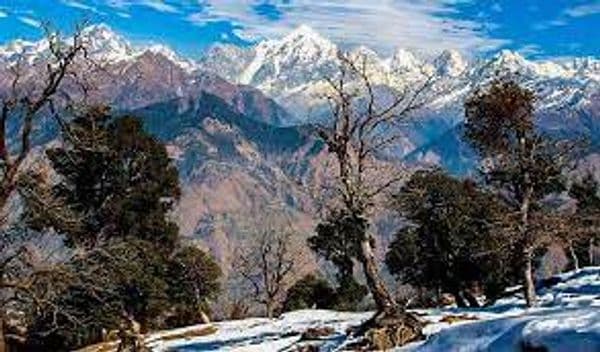
- Panoramic Himalayan views from ridgelines and passes
Unique Aspects
- Focused conservation of Himalayan musk deer and other mountain mammals
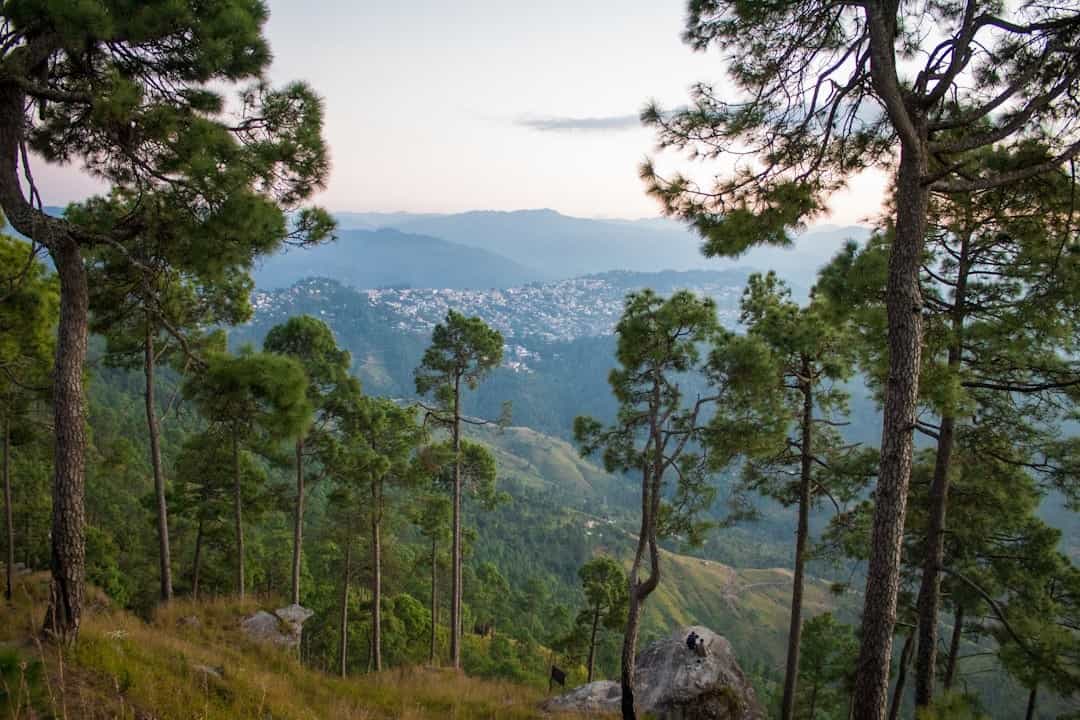
- Rich montane vegetation: oak, rhododendron, conifers and alpine flora
- Good opportunities for birdlife including pheasants and raptors
- Varied terrain from river valleys to subalpine and alpine zones
- Cultural interactions with local Shauka/Bhotia communities
Things to do
- Guided wildlife viewing and short safaris (on foot or local transport where permitted)
- Trekking into alpine meadows and high ridges
- Birdwatching for pheasants, raptors and montane species
- Nature photography and landscape photography
- Community-based homestays and cultural visits to local villages
- Camping (where allowed) and day hikes along marked routes
Best Time to Visit
Oct–Nov and Mar–May — post-monsoon and spring offer clear skies, active wildlife and accessible trails. Monsoon (Jul–Sep) brings heavy rains and landslides; winter (Dec–Feb) brings snow and may restrict access to higher zones.
Weather Conditions
Typical montane climate: cool, pleasant days in summer; nights can be cold. Winters are cold with snowfall at higher elevations. Weather can change rapidly—be prepared for sun, rain and cold within a single day.
Accessibility
Gateway town: Pithoragarh (closest major town). Nearest functional airstrip: Naini Saini (Pithoragarh) with limited services; nearest major airports with regular connections include Pantnagar and the airports serving Haldwani/Kathgodam region for onward road travel. Rail access via Kathgodam/Haldwani; road travel from Almora, Haldwani or Kathgodam to Pithoragarh and then onward by local roads. Many interior approaches require sturdy vehicles or trekking; some higher trails are accessible only on foot or by pack animals.
Recommended Duration
2–4 days to visit core sanctuary areas; 4–7 days or more recommended if you plan longer treks, high meadows or cultural homestays.
Clothing & Gear Tips
Layered clothing (base layers, warm mid-layer, windproof/waterproof outer), sturdy trekking boots, hat and gloves (for cold), sunglasses and sunscreen, rain gear, binoculars, camera, basic first-aid, and copies of permits/ID.
Local Food & Souvenirs
Sample Kumaoni specialties and local mountain foods at village homestays (dal, local pulses, vegetables, regional bread). Local products and souvenirs include dried apricots, local cheeses, woollen shawls and handcrafts made by mountain communities.