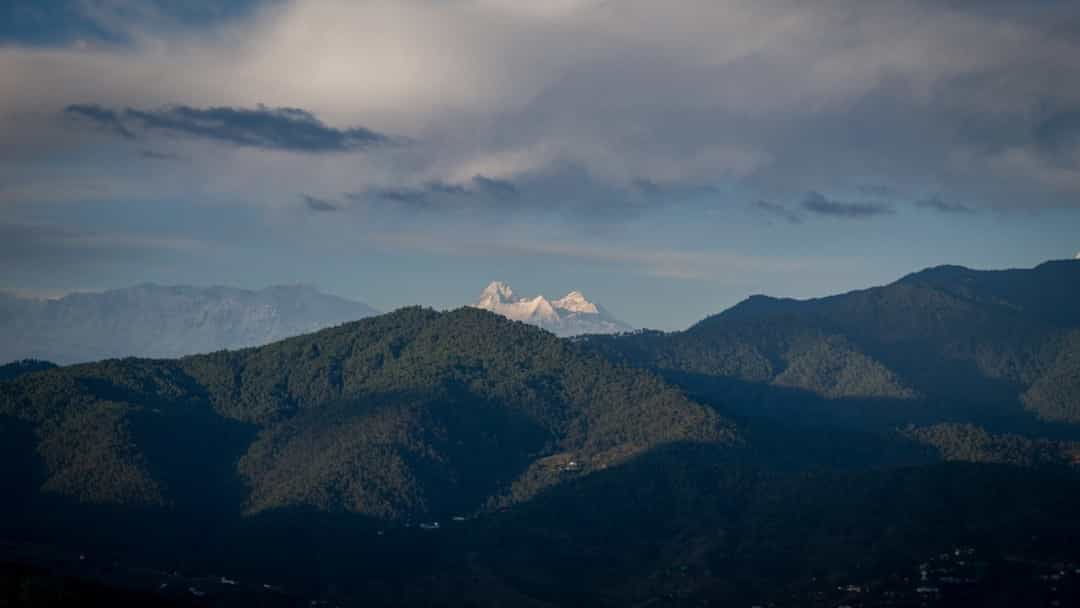
Chaukhamba, Uttarakhand
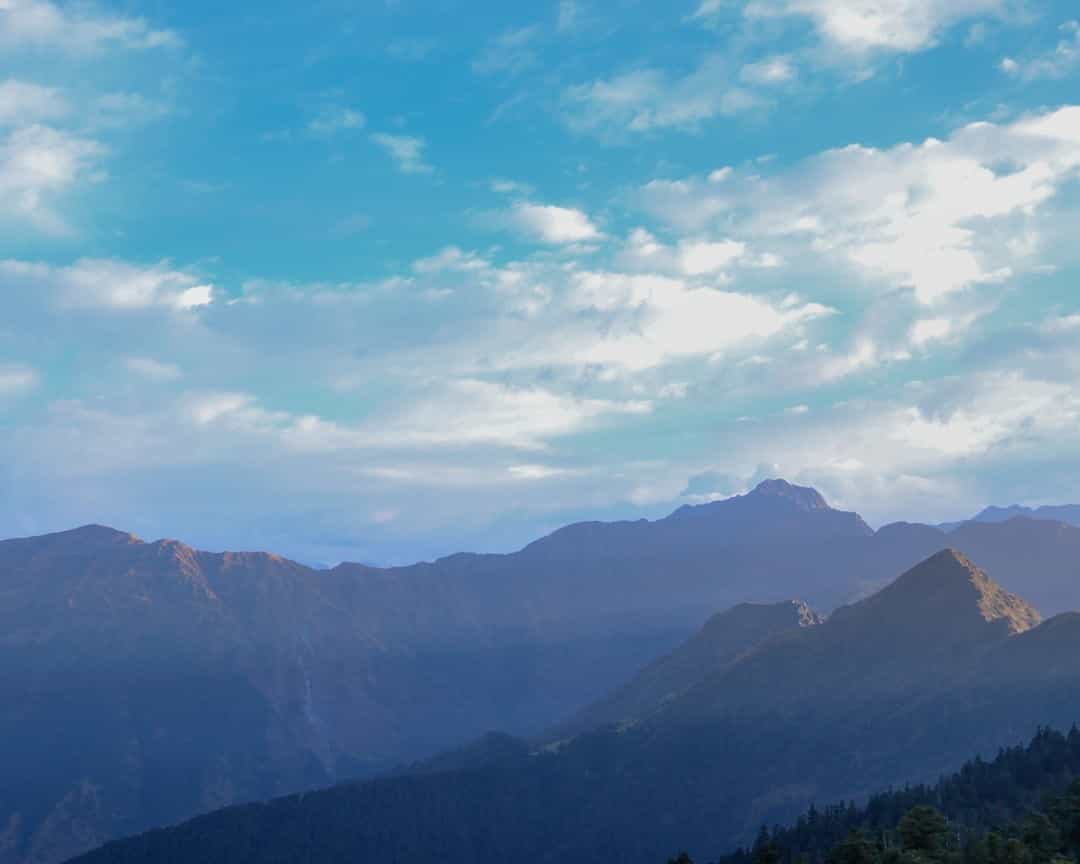
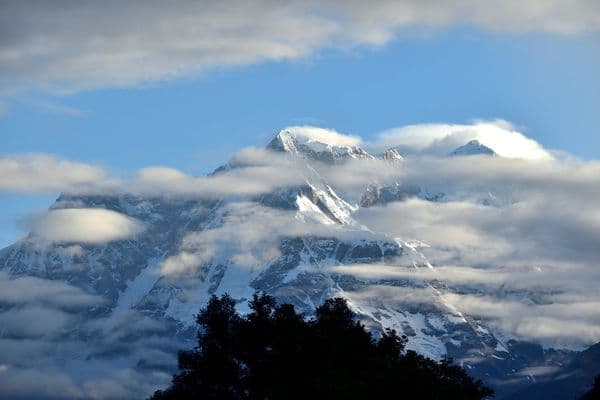
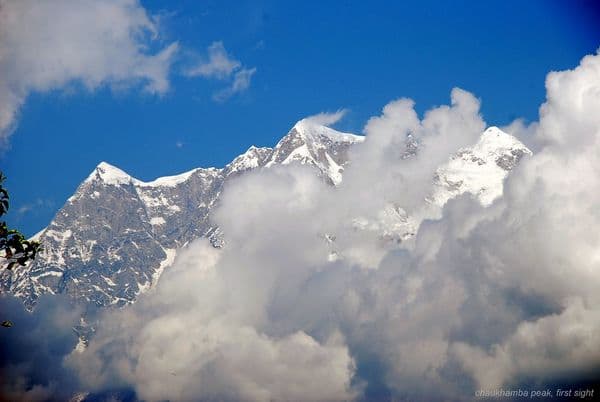
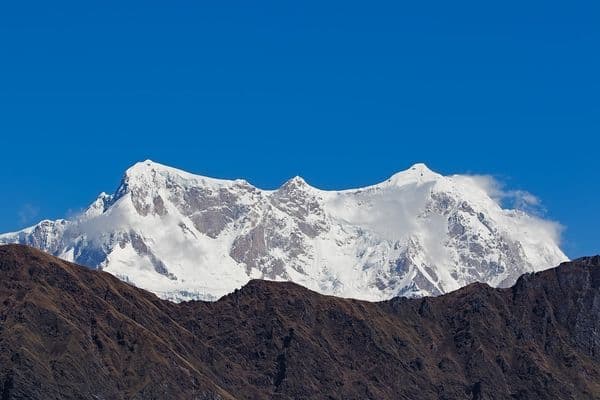
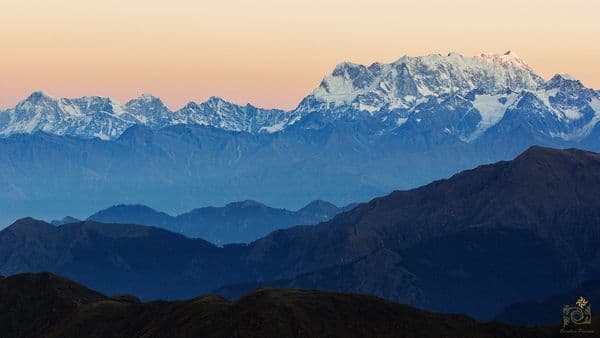
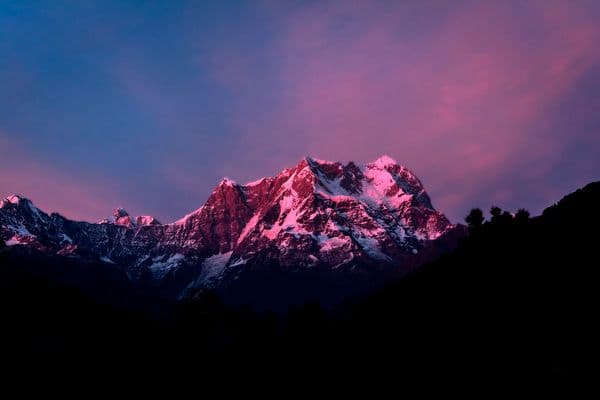
Chaukhamba is a striking massif of four closely set peaks in the Gangotri group of the Garhwal Himalaya in Uttarakhand. It is important both as a natural landmark — dominating the skyline above the Gangotri Glacier and Gaumukh (the traditional source of the River Ganga) — and as a destination for high‑altitude mountaineering and alpine study. The massif is visible from pilgrimage routes to Gangotri temple and Gaumukh and contributes to the religious landscape associated with the origin of the Ganges.
Last updated: 23 Oct 2025
Places to visit
- Chaukhamba massif (the four summits)
- Gangotri Glacier and Gaumukh (traditional snout of the Ganges)
- Gangotri Temple and the pilgrimage town of Gangotri
- Panoramic Himalayan vistas and alpine meadows
- Base camps and climbing routes used by mountaineers
Unique Aspects
- Four prominent summits rising into the 6,000–7,000+ m range (noted for dramatic ridgelines and steep snow/ice faces)
- Close proximity to the Gangotri Glacier — excellent for glacier study and dramatic ice scenery
- Sacred and cultural landscape with views from pilgrimage trails
- Opportunities for high‑altitude photography and sunrise/sunset views on the peaks
Things to do
- Trekking in the Gangotri–Gaumukh area (popular beginner to intermediate high‑altitude treks)
- High‑altitude mountaineering and technical climbs on Chaukhamba (requires permits and experienced guides)
- Pilgrimage to Gangotri Temple and visit to Gaumukh
- Photography, landscape observation and wildlife spotting (mountain birds, small mammals)
- Camping at permitted sites and base camps for expeditions
Best Time to Visit
May–June (pre‑monsoon) and September–October (post‑monsoon) — when access is generally possible, weather is relatively stable, and visibility of peaks is good. The Gangotri pilgrimage season is typically in these months alongside summer.
Weather Conditions
Alpine, cold and changeable. Summers (May–June) can be mild in lower reaches but nights remain cold; monsoon (July–August) brings heavy precipitation and landslide risks; autumn (September–October) offers clearer skies. Winters are extremely cold with heavy snow, making access difficult or impossible.
Accessibility
Nearest major access points: Uttarkashi (gateway town for Gangotri), with road connections from Rishikesh/Haridwar and Jolly Grant Airport (Dehradun) as the nearest airport. Major railheads include Rishikesh and Haridwar. From Uttarkashi, road travel continues to Gangotri; trekking or local transport is required for approaches to glacier and base camps. Roads may be closed in winter or during heavy monsoon; always check current road conditions.
Recommended Duration
For pilgrims and casual visitors: 1–3 days in Gangotri/Gaumukh area. For trekkers or climbers: 5 days to several weeks depending on trek or expedition itinerary.
Clothing & Gear Tips
Warm layered clothing (base layers, insulating mid‑layers, waterproof outer shell), sturdy waterproof trekking boots, sun protection (sunglasses with UV protection and sunscreen), warm hat and gloves, trekking poles, and basic first‑aid/altitude‑sickness medication. Technical climbing gear required for mountaineering (ropes, crampons, ice axes) — use certified guides.
Local Food & Souvenirs
Local Garhwali cuisine (simple dal‑baati, kafuli, local lentil and vegetable dishes), tea and local snacks sold in towns and camps. Souvenirs include woolen garments, prayer beads (mala), local handicrafts and religious items from Gangotri market.