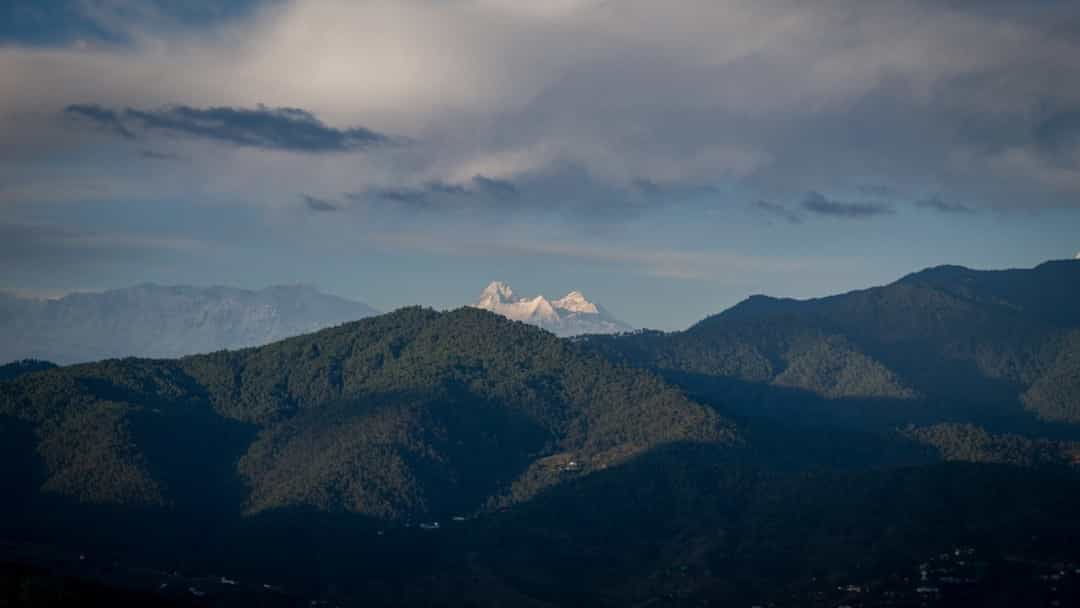
Deoban Forest, Uttarakhand
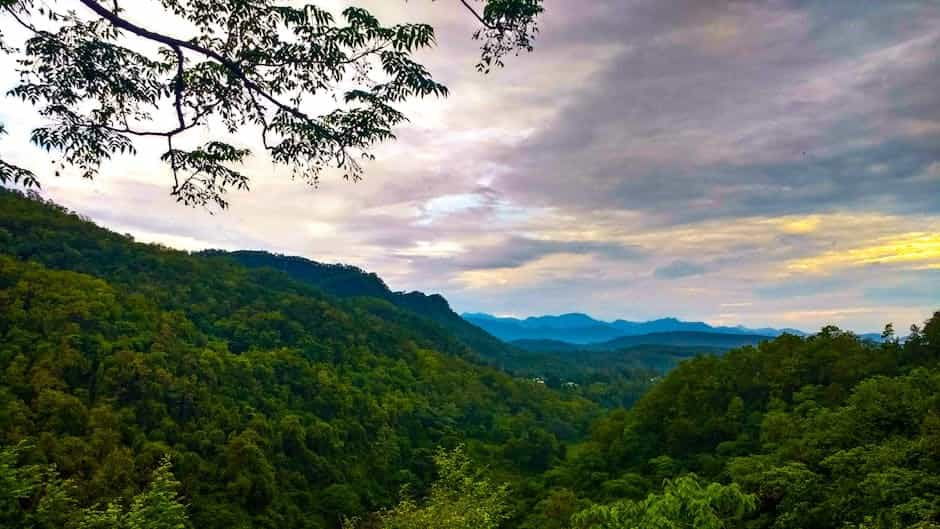
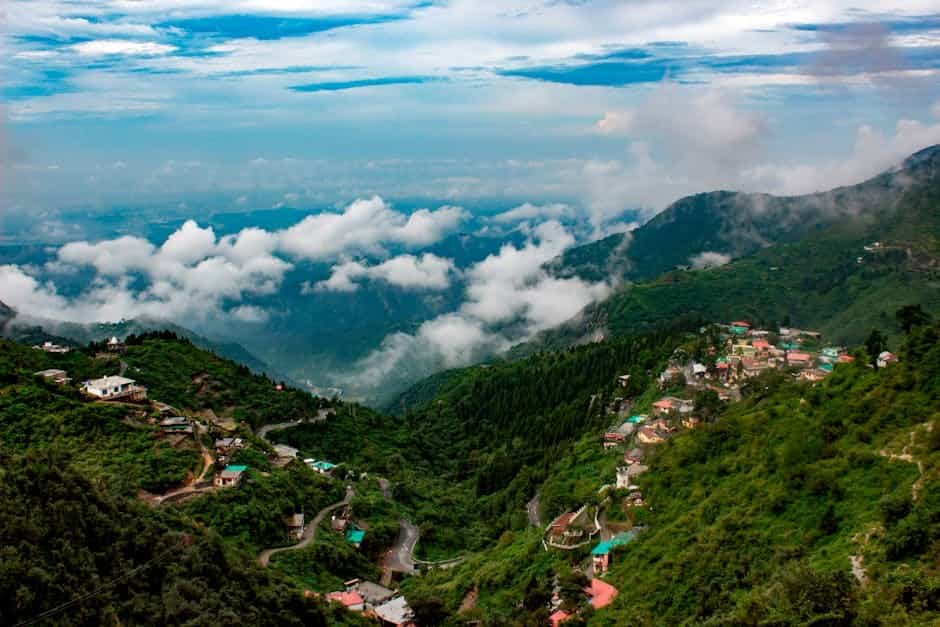
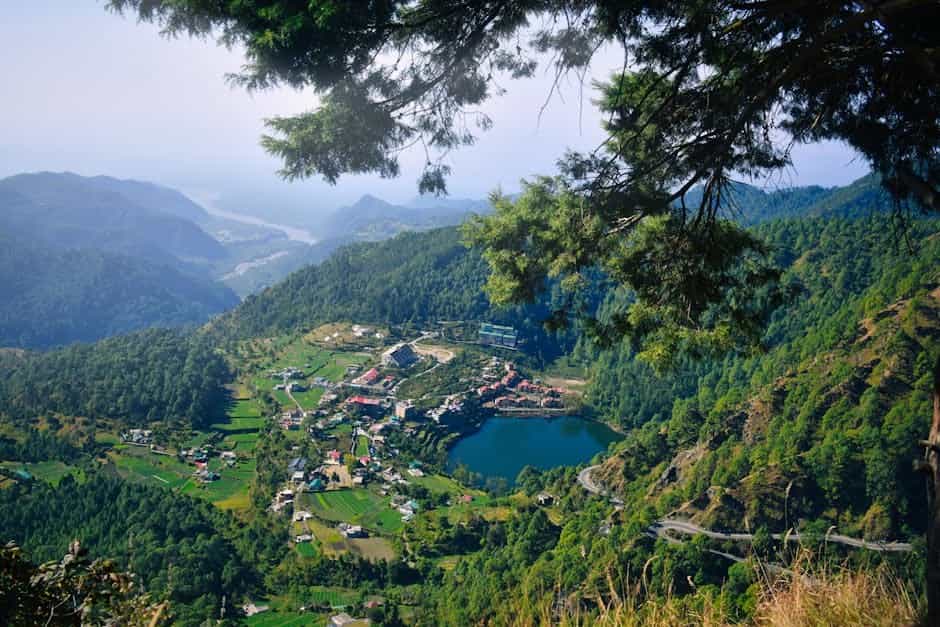
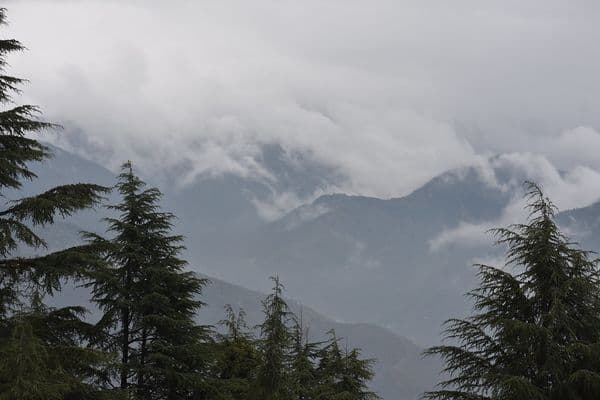
Deoban Forest is a scenic high-altitude forested ridge in the Chakrata-Deoban area of Uttarakhand, forming part of the lower Himalayan ecosystem. It is valued for its relatively undisturbed coniferous and mixed broadleaf habitats, offering important watersheds, biodiversity, and panoramic Himalayan viewpoints. The area supports local livelihoods through small-scale pastoralism, seasonal tourism and is part of traditional grazing and forest-use zones for nearby hill communities.
Last updated: 23 Oct 2025
Places to visit
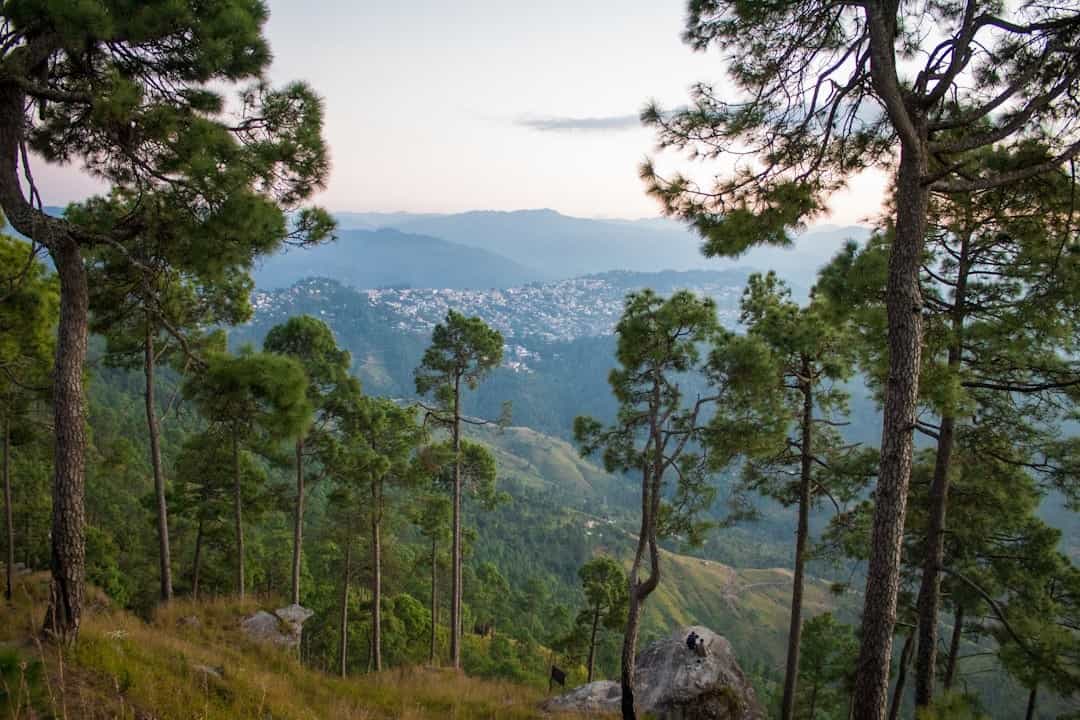
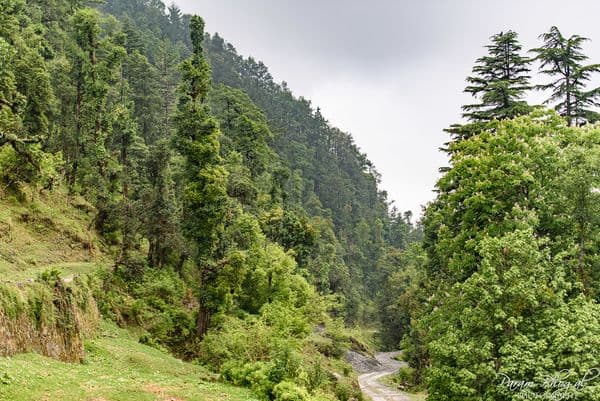
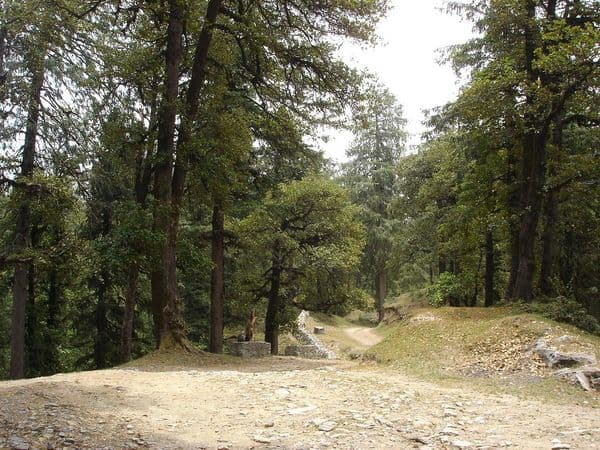
- Dense coniferous and mixed oak forests with rhododendron understory
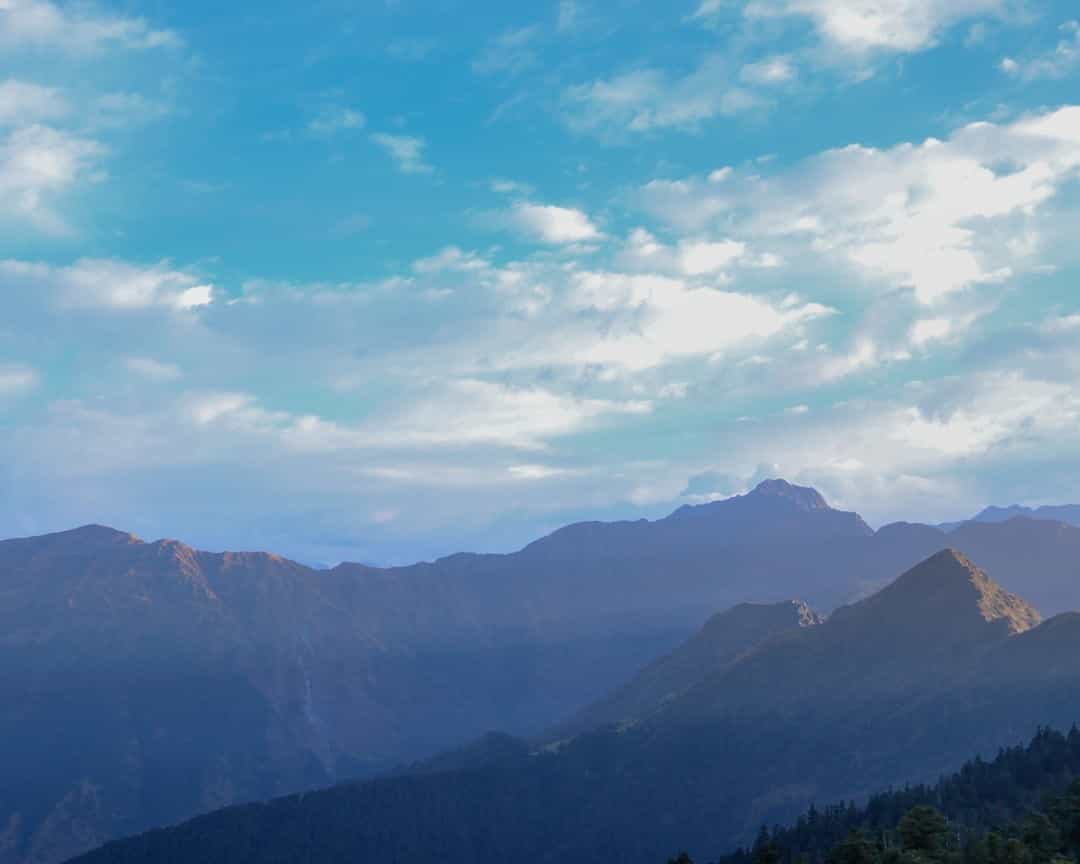
- Panoramic viewpoints offering Himalayan vistas at sunrise and sunset
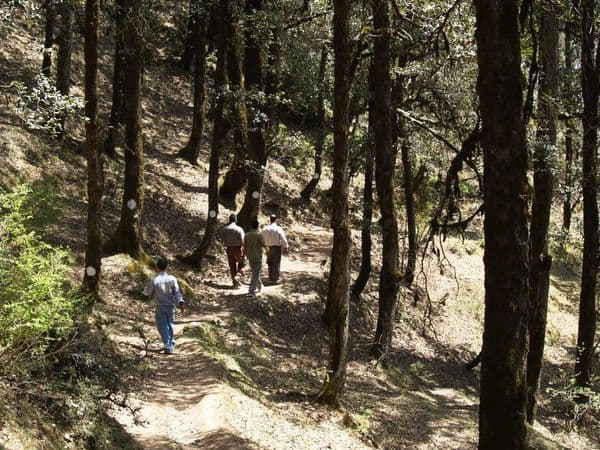
- Trekking and nature trails weaving through the ridge and clearings
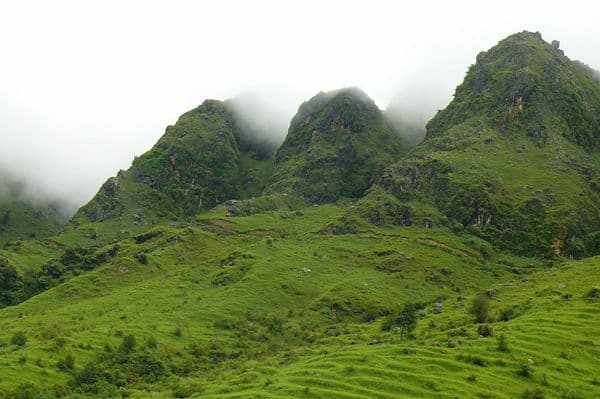
- Camping sites and secluded meadows (seasonal)
- Birdwatching opportunities for Himalayan and sub-Himalayan species
Unique Aspects
- Elevated ridge environment with stable viewpoints above surrounding valleys
- A mix of pine, oak and rhododendron—colorful in spring and autumn
- Relatively low visitor density compared with more popular hill destinations, offering solitude
- Seasonal wildflower displays in late spring
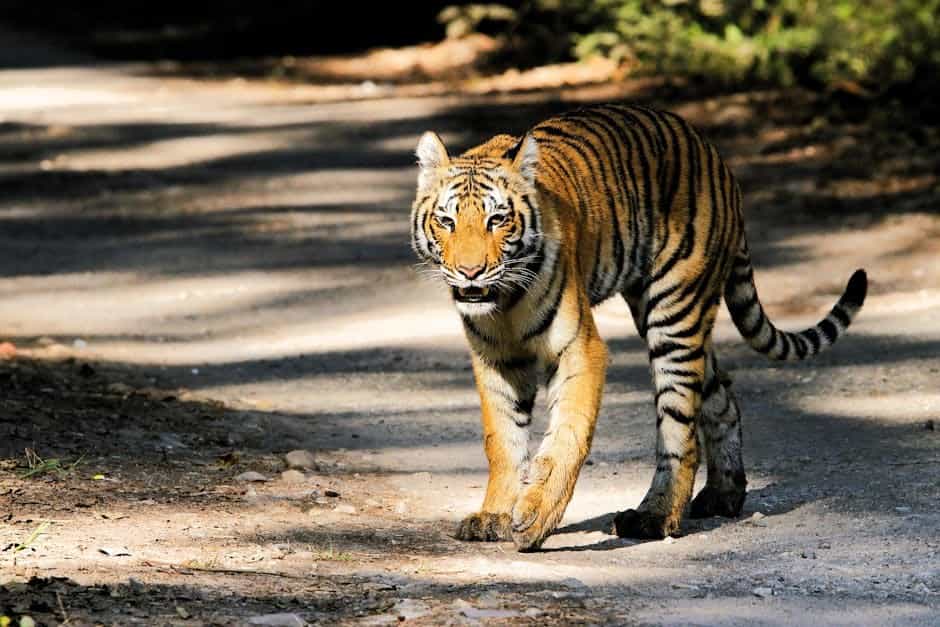
- Quiet habitats that support mammals like Himalayan goral and small deer species (sightings depend on season and human disturbance)
Things to do
- Short to moderate treks and ridge walks
- Camping under starry skies (permit/guidance recommended for organized groups)
- Birdwatching and wildlife photography
- Nature photography and landscape observation at dawn/dusk
- Guided nature walks with local guides to learn about flora and traditional forest uses
Best Time to Visit
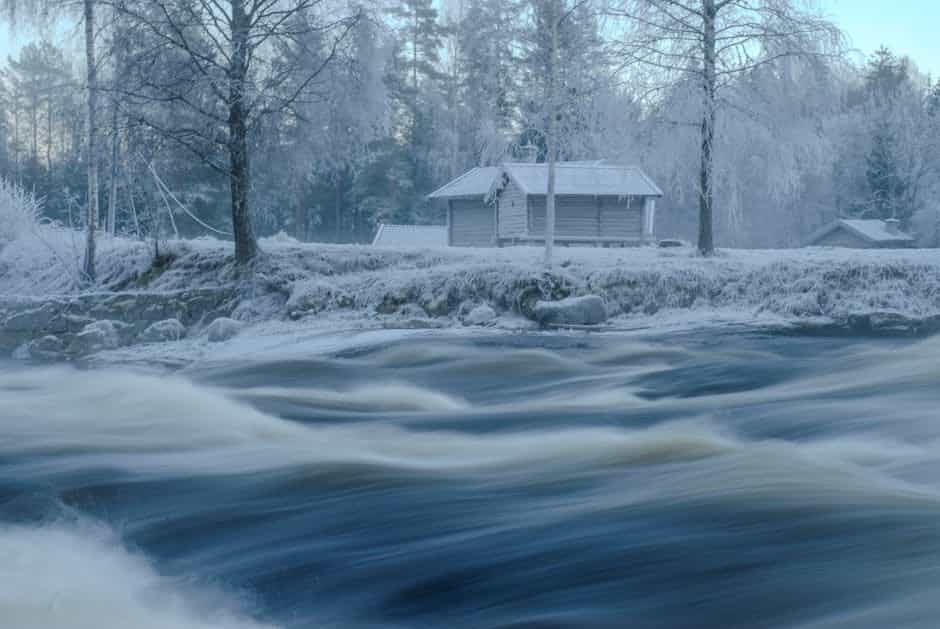
Best time: April to June and September to November for clear skies, mild temperatures and good trekking conditions. Spring brings rhododendron blooms and late autumn gives clear Himalayan views. Winters (December–February) bring heavy cold and snowfall—only for experienced winter trekkers.
Weather Conditions
Typical weather: Mountain climate—cool to mild in summer (daytime pleasant, nights chilly). Monsoon (July–August) brings rain, fog and slippery trails. Winter is cold with sub-zero night temperatures and snowfall at higher elevations.
Accessibility
How to reach: Access is typically via the Chakrata region (Dehradun district). The nearest major airport is Jolly Grant Airport (Dehradun), and the nearest major railway station is Dehradun or Haridwar; from there, road travel by taxi or bus toward Chakrata and onward local roads reach Deoban. Roads can be narrow, steep and rough in places—a high-clearance vehicle or local transport is recommended. Local guides or drivers from Chakrata can provide up-to-date route and condition information.
Recommended Duration
A short visit of 1–2 days is common for day hikes and photography. For a more relaxed experience with camping and exploration of nearby trails, 2–3 days is ideal.
Clothing & Gear Tips
Layered clothing (warm jacket for mornings/evenings), windproof outer layer, sturdy hiking boots, hat and gloves in colder months, rain protection in monsoon, headlamp and basic first-aid kit. Trekking poles recommended for uneven trails.
Local Food & Souvenirs
Local Garhwali and hill cuisine available in nearby villages and Chakrata—simple meals such as lentils, rice, local vegetables and breads. Try local snacks and tea sold at village stalls. Souvenirs: handwoven woollens, shawls, caps and small handicrafts from local artisans; always buy responsibly and support local vendors.