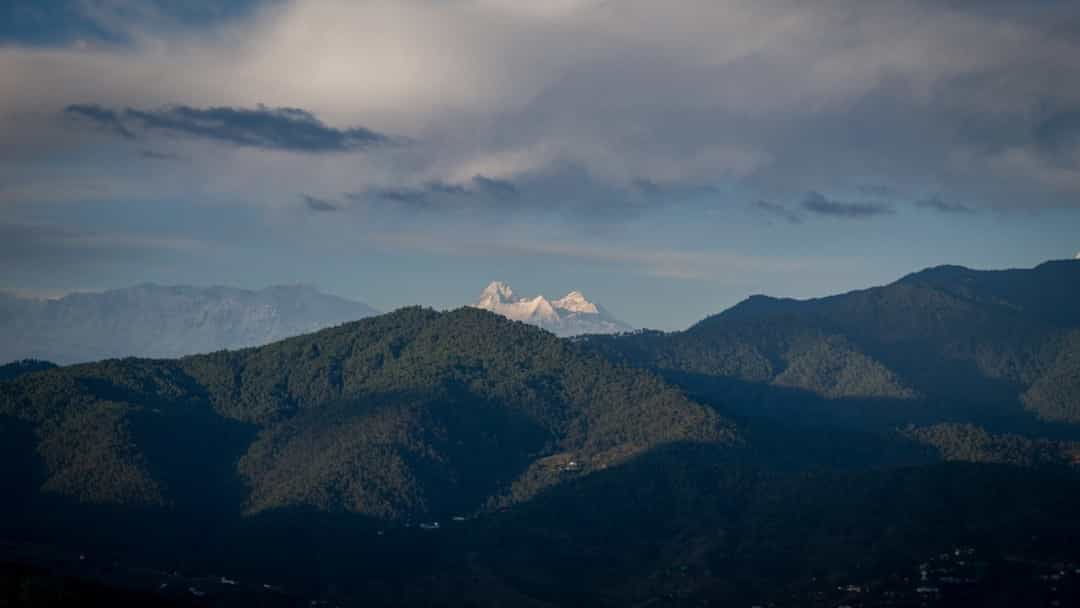
Gangotri Temple, Uttarakhand
Gangotri Temple is one of the holiest shrines in Hinduism, dedicated to Goddess Ganga. It marks the origin of the Bhagirathi River (the chief source stream of the Ganga) and is an important stop on the Char Dham and Chota Char Dham pilgrimage circuits. The temple sits at high altitude in the Garhwal Himalaya and combines religious, cultural and natural significance as both a place of worship and a gateway to the Gangotri Glacier (Gaumukh). The present stone temple is traditionally dated to the 18th century and the site is associated with the epic legend of King Bhagiratha bringing the River Ganga down from the heavens to purify his ancestors.
Last updated: 23 Oct 2025
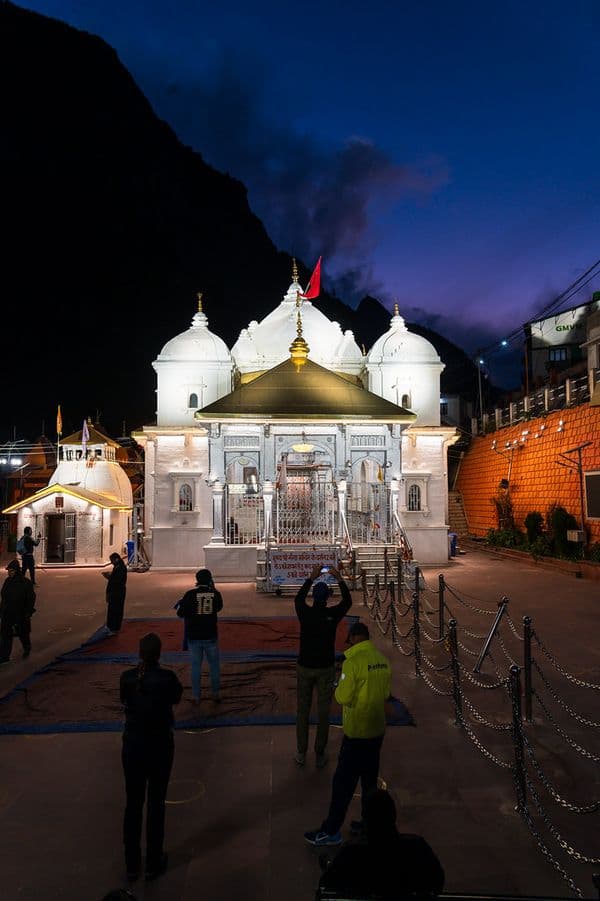
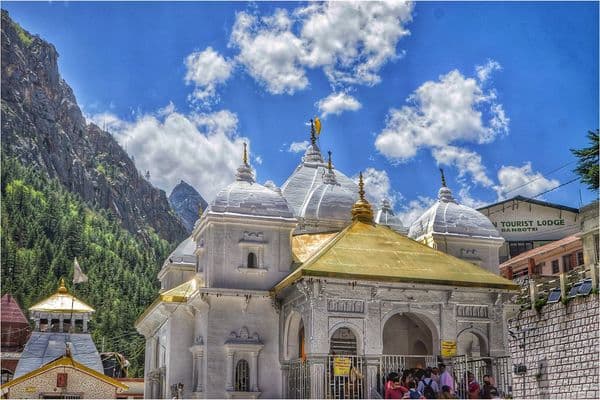
Historic Anecdotes
According to legend, King Bhagiratha performed intense penance to bring Ganga from the heavens to earth to wash away the sins of his forefathers. Lord Shiva agreed to capture Ganga in his matted locks and release her in gentle flow — the place where Ganga descended is commemorated at Gangotri. Local lore also ties the site to numerous saints and Himalayan ascetics who have meditated in the upper valleys.
Places to visit
- Gangotri Temple (main shrine)
- Bhagirathi River & its sacred ghats
- Gaumukh (Ganga's glacial snout) — trek destination ~18 km upstream
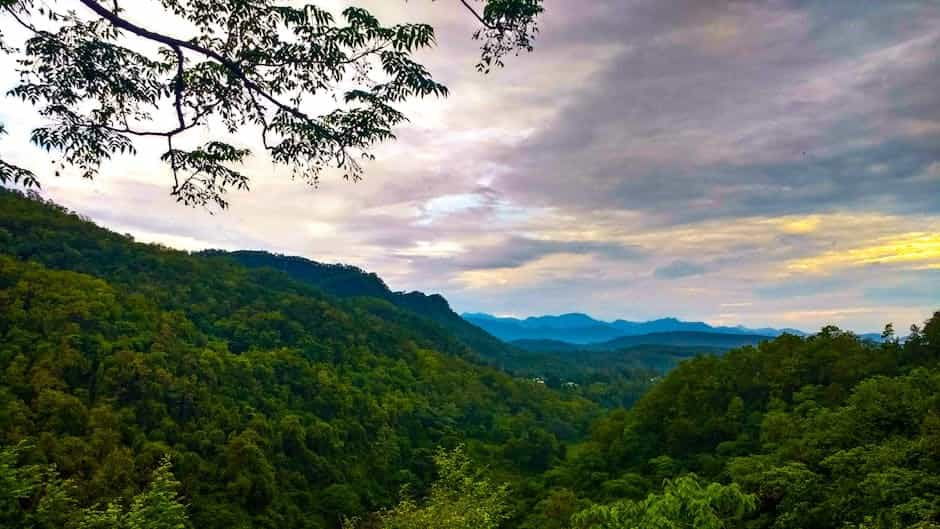
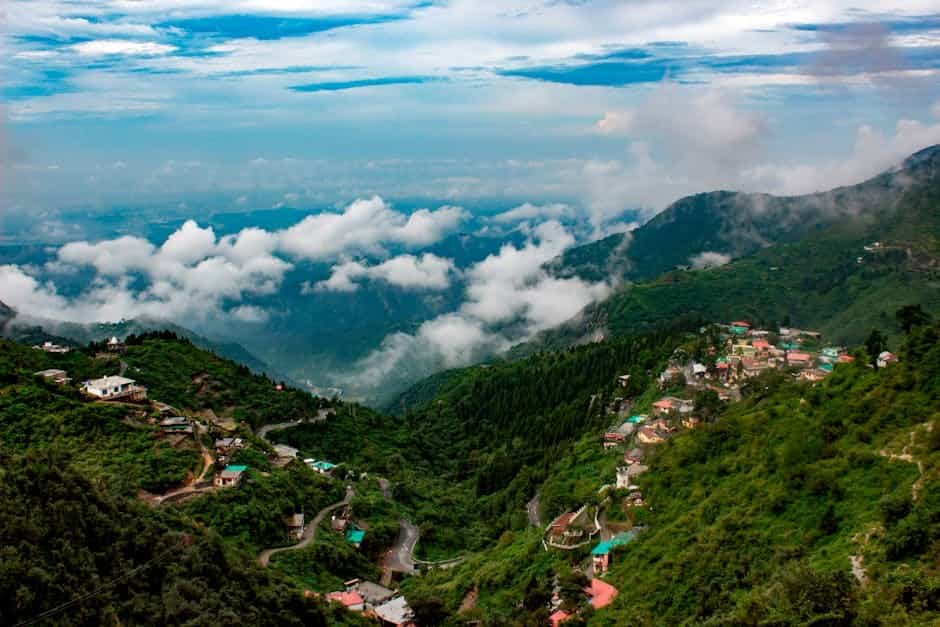
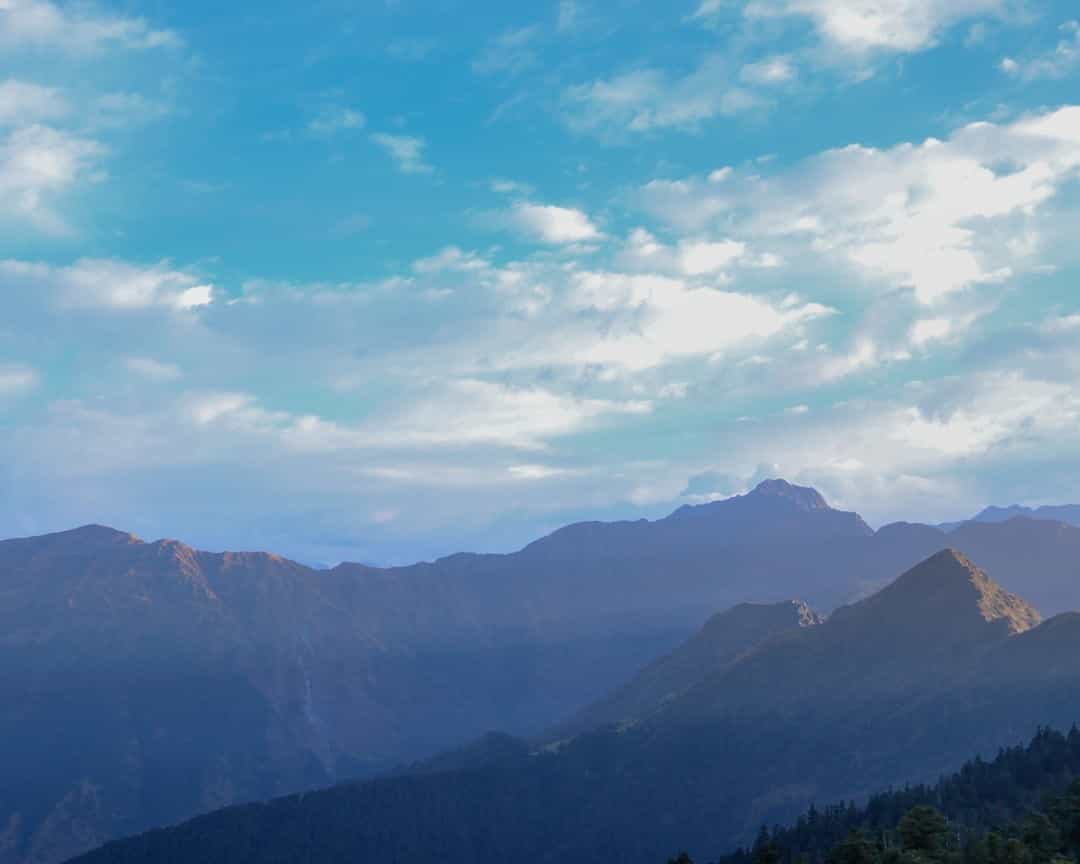
- Surrounding Himalayan landscape and alpine meadows
- Nearby small shrines and local villages (e.g., Harsil area)
Unique Aspects
- High-altitude Himalayan temple setting at approx. 3,100 m (10,200 ft)
- Seasonal opening ceremony (Akshaya Tritiya) and closing (Diwali/Bhai Dooj) — important ritual events
- Pilgrimage rituals: daily puja, pradakshina (circumambulation) and offerings to the Ganga
- Proximity to Gangotri Glacier (natural and scientific interest)
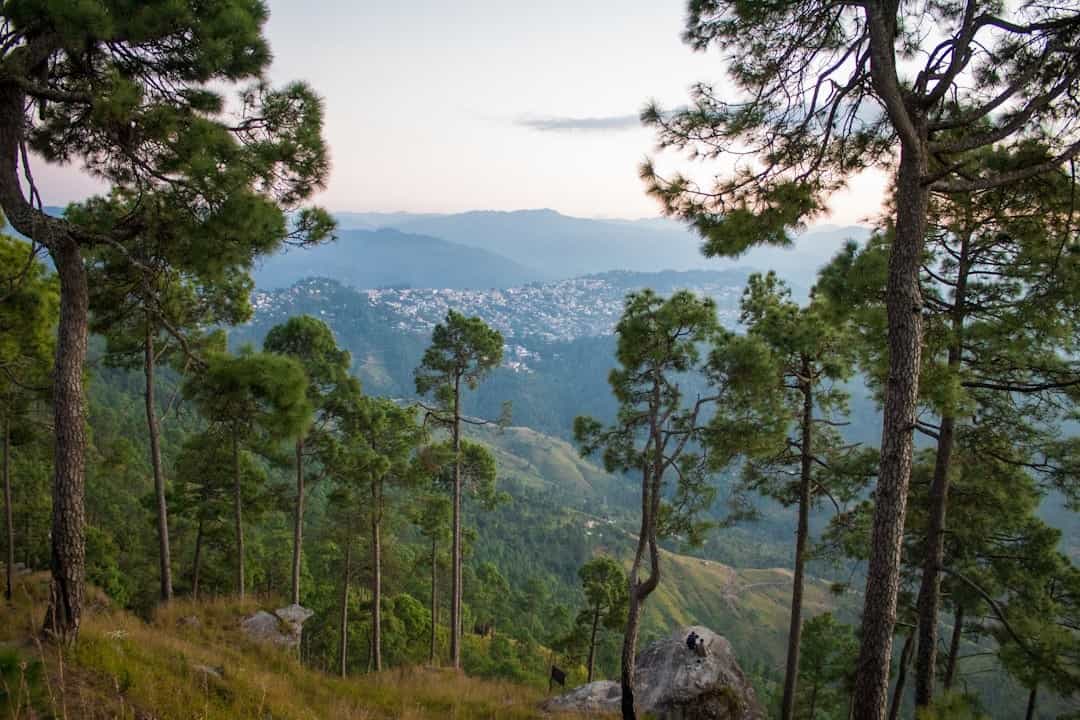
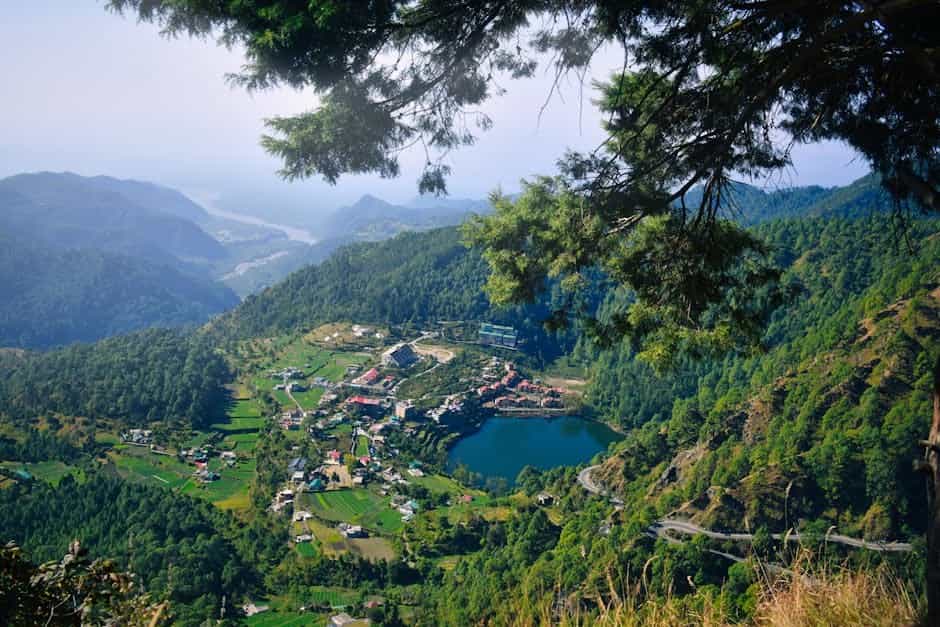
- Photogenic river gorges, pine and deodar forests in lower reaches
Things to do
- Darshan and participation in temple puja
- Taking a holy dip or offering at the Bhagirathi ghats (observe local rules)
- Short walks around the temple and riverside for photography and meditation
- Trekking to Gaumukh (approx. 18 km one-way from Gangotri; requires acclimatization and permits if applicable)
- Exploring nearby Uttarkashi and Harsil for scenic drives and cultural interaction
Festivals & Events
- Akshaya Tritiya — temple reopening and special rituals (April/May, date varies)
- Ganga Dussehra — celebrates descent of Ganga (May/June; large pilgrim turnout)
- Diwali/Bhai Dooj closing ceremony — priests perform last rites before temple closes for winter (Oct/Nov)
- Local seasonal fairs and devotional gatherings during the pilgrimage season
Best Time to Visit
Seasonal window: the temple is open seasonally from Akshaya Tritiya (April/May) to Diwali/Bhai Dooj (Oct/Nov). Best months for comfortable travel are May–June (pre-monsoon/early summer) and September–October (post-monsoon/early autumn).
Weather Conditions
High-altitude alpine climate: cool to mild days and cold nights in the open season; sudden weather changes possible. Temperatures can range from about 5–18°C in daytime during summer months and drop near or below freezing at night. Winters bring heavy snow and the temple remains closed.
Entry Fees & Permits
There is typically no entry fee for the temple. The shrine operates daily during the open season with morning and evening puja/darshan timings — specific hours vary and are set by the temple committee, so check locally before travel.
Accessibility
Gangotri is reachable by road from Rishikesh/Haridwar via Uttarkashi (approximate road distances: Dehradun airport ~250–280 km; Haridwar/Rishikesh ~250–300 km; Uttarkashi ~100 km from Gangotri). Regular taxis and seasonal buses operate to Uttarkashi and onward to Gangotri in the pilgrimage months. Roads are mountainous, can be narrow and landslide-prone; expect slower travel times and occasional diversions. Nearest airport: Jolly Grant (Dehradun). Nearest major railheads: Haridwar/Rishikesh.
Recommended Duration
For a focused pilgrimage visit to Gangotri temple and nearby ghats: 1–2 days. To include a trek to Gaumukh and short exploration of the upper valley: 3–5 days (allow extra days for acclimatization).
Clothing & Gear Tips
Layered warm clothing (fleece, insulated jacket), waterproof outer layer, sturdy walking shoes or trekking boots, sun protection (hat, sunglasses, sunscreen), basic first-aid/altitude sickness medication, water purification options and trekking poles for Gaumukh hike.
Local Food & Souvenirs
Simple mountain cuisine and pilgrim-friendly food available at local guesthouses and shops (dal, chawal, local roti, tea). Try local dried fruits and nuts. Souvenirs include prayer beads (rudraksha), brass puja items, woollen garments, and religious prints or temple prasad items.