Govind Pashu Vihar National Park & Sanctuary, Uttarakhand
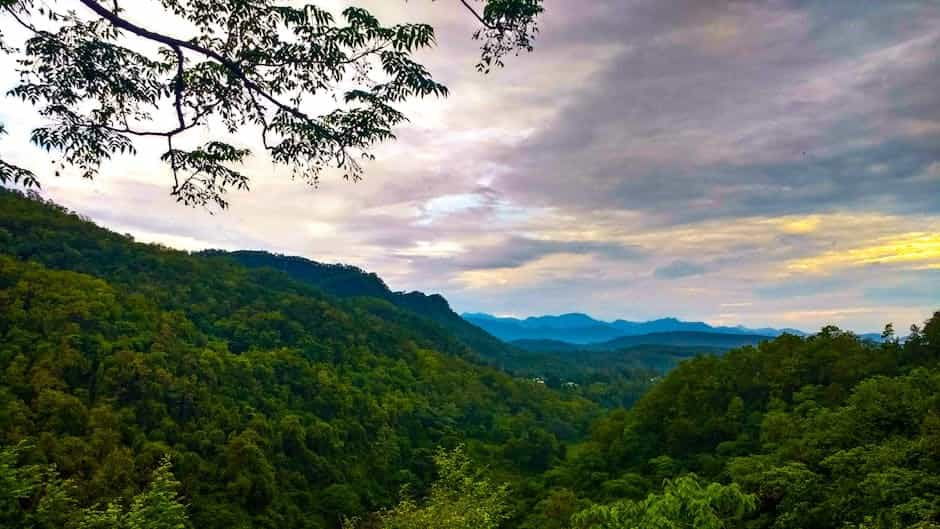
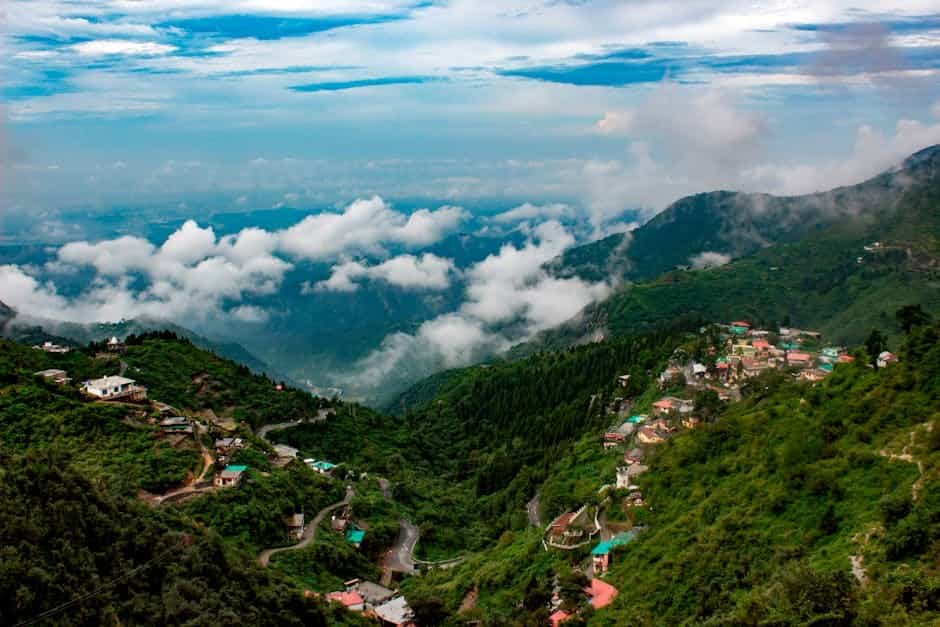
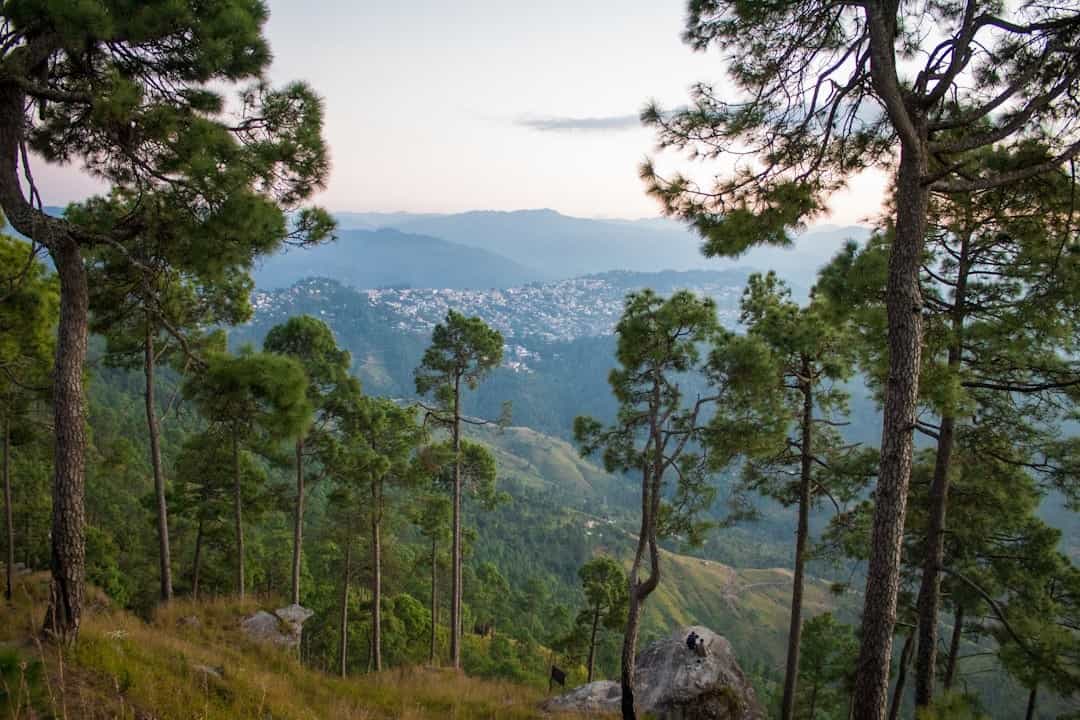
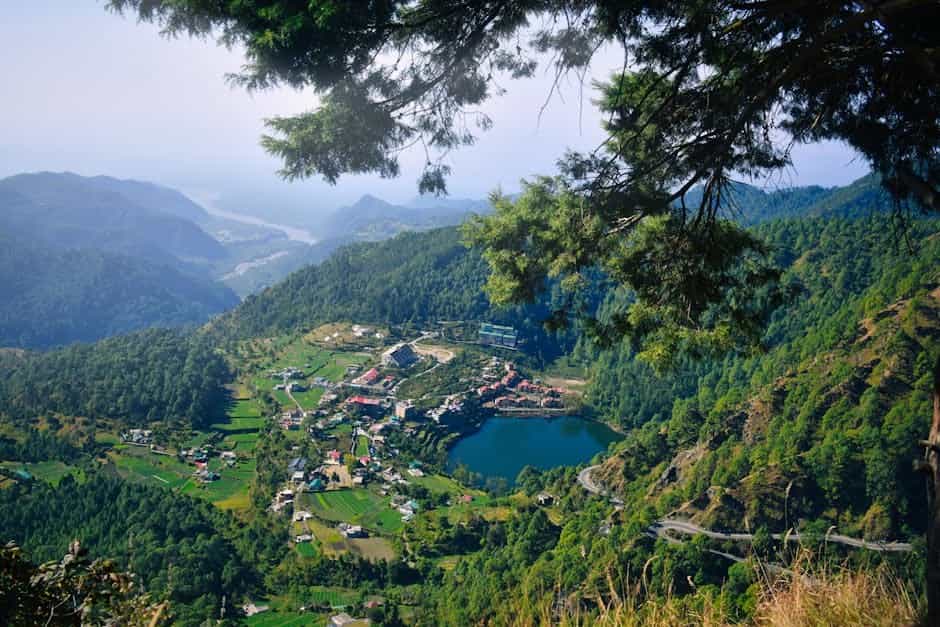
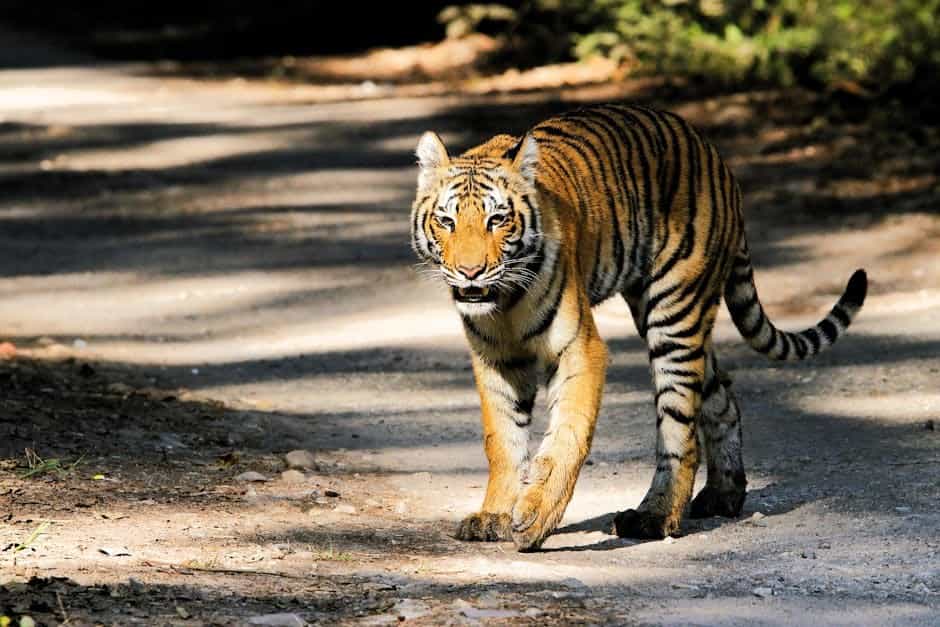
Govind Pashu Vihar National Park & Sanctuary (Govind Wildlife Sanctuary) in Uttarakhand is a high‑altitude Himalayan protected area important for conserving fragile alpine and subalpine ecosystems and several endangered and endemic species. It protects critical habitat for species such as the snow leopard, Himalayan musk deer, Himalayan brown bear, blue sheep (bharal), Himalayan tahr and a variety of high‑altitude pheasants and passerines. The sanctuary also includes scenic valleys, glacial streams and meadows that support traditional pastoralism and seasonal migrations of local communities.
Last updated: 23 Oct 2025
Places to visit
- Har Ki Dun Valley – a scenic alpine valley known for its biodiversity and trekking routes
- Kedarkantha – popular trekking peak and winter trek destination (routes pass through the sanctuary fringes)
- Ruinsara Tal – picturesque high-altitude lake reached via trekking trails
- Sankri village – primary gateway and base for treks into the sanctuary
- Alpine meadows (bugyals) and glacial streams – rich in summer wildflowers and birdlife
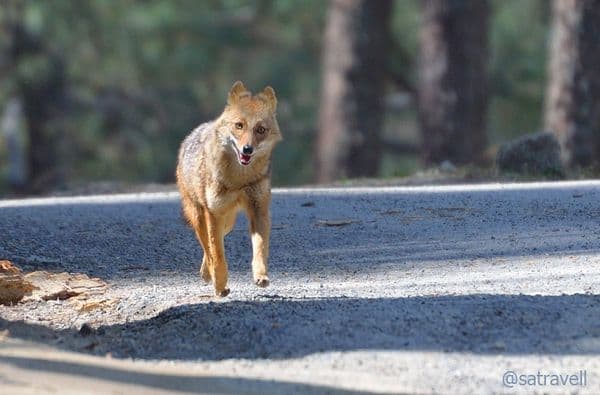
- Opportunities to see high-altitude wildlife such as snow leopard (rare), musk deer, bharal, Himalayan tahr and pheasants
Unique Aspects
- High‑altitude alpine and subalpine habitats with extensive bugyals (meadows)
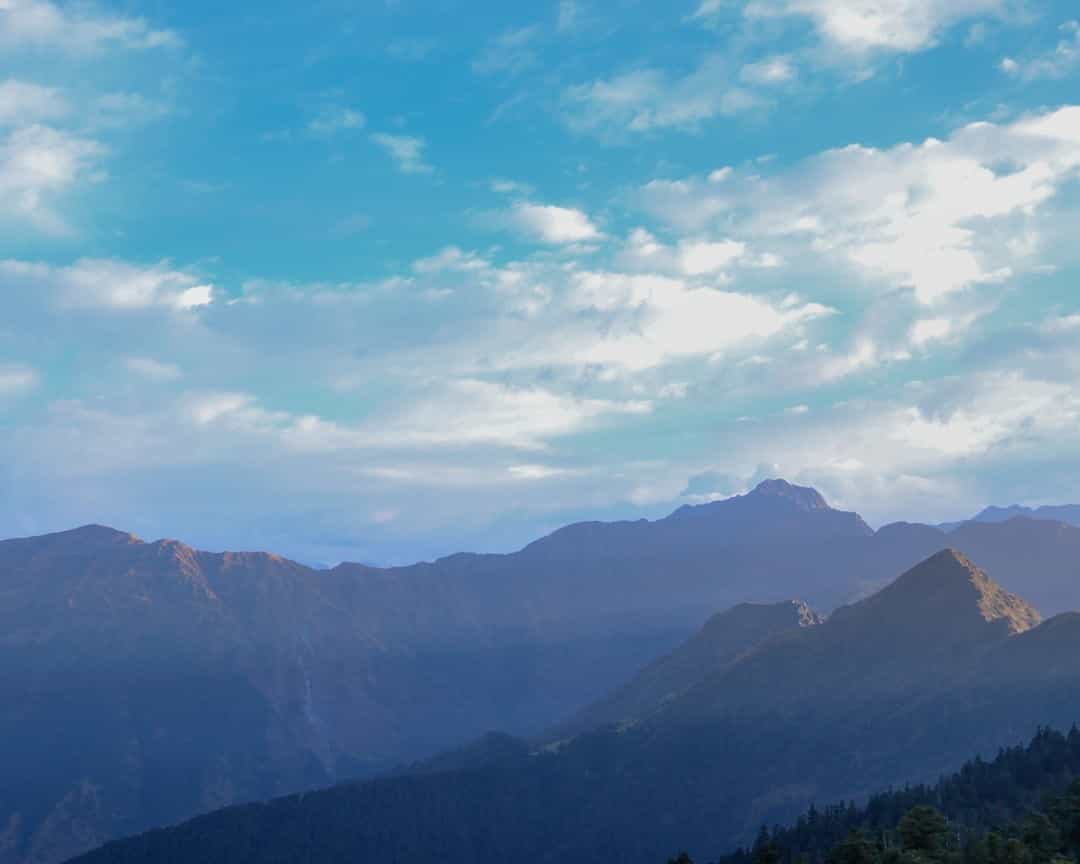
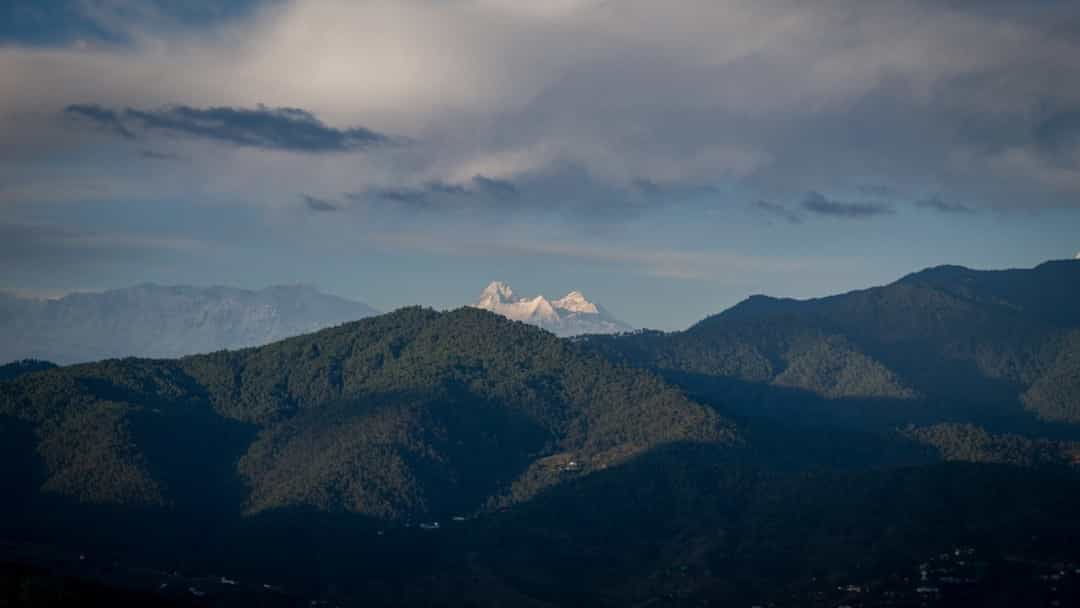
- Glacial-fed rivers and high mountain views (peaks of the Garhwal Himalaya visible from several treks)
- Seasonal pastoralism (shepherds and their flocks use traditional grazing routes)
- Outstanding trekking routes suitable for summer and winter (with local guides)
Things to do
- Trekking (Har Ki Dun, Kedarkantha, Ruinsara Tal and surrounding routes)
- Wildlife and bird watching (early mornings and dusk are best for mammal sightings)
- Photography of landscapes, wildflowers and high‑altitude fauna
- Camping in alpine meadows (permit and appropriate gear advised)
- Cultural visits to Sankri and nearby villages to experience local Garhwali life
Best Time to Visit
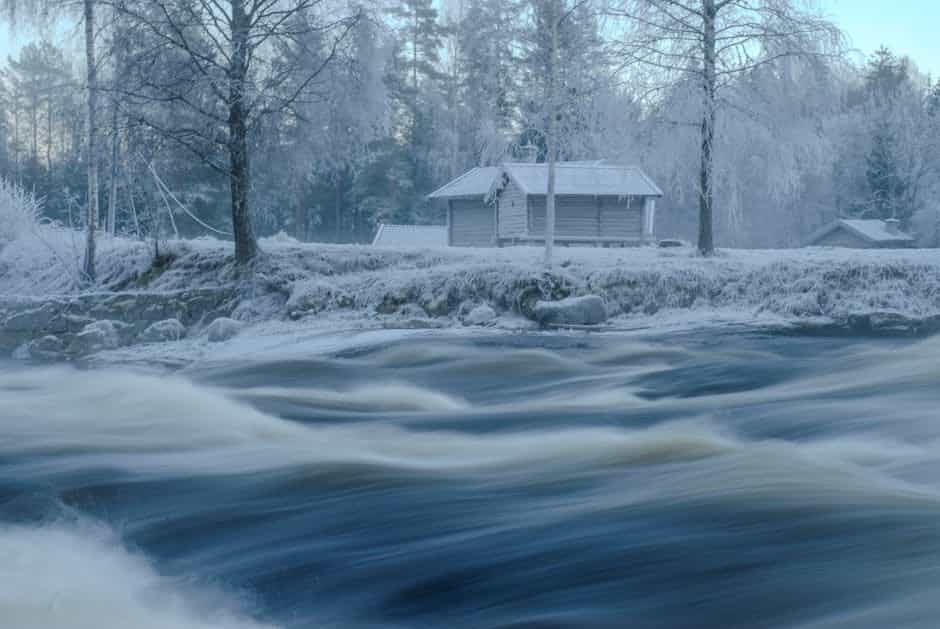
Late April to October for most treks and wildlife viewing. For snow trekking and winter scenery visit December to February but expect heavy snow, restricted access and need for winter gear and experienced guides.
Weather Conditions
Alpine climate: cool to warm days in summer with cold nights; sudden weather changes possible. Winters are cold with heavy snowfall at higher elevations. Afternoon thunderstorms possible during monsoon (July–September).
Entry Fees & Permits
Access and permits are regulated by the Uttarakhand Forest Department. Day visits around lower elevations have minimal fees but trekking into core areas typically requires permits and sometimes hiring local guides/porters. Check the Uttarakhand Forest Department or local forest range office (Sankri/Uttarkashi) for current fees, permit requirements and seasonal restrictions.
Accessibility
Nearest major access points: Sankri (gateway village) and Uttarkashi town. Nearest airport: Jolly Grant Airport (Dehradun) — road transfer then mountain roads (6–10+ hours depending on route and weather). Nearest railway: Dehradun/Rishikesh (then road). Road travel includes long mountain drives; many treks begin from Sankri which is accessible by road from Mori/Uttarkashi (road conditions variable). Local jeeps and buses operate on some stretches; hiring a private vehicle from Dehradun or Rishikesh is common.
Recommended Duration
3–10 days depending on activity: short wildlife/photography visits or village stays (3–4 days), multi‑day treks (5–10 days) for Har Ki Dun, Kedarkantha and Ruinsara Tal.
Clothing & Gear Tips
Layered clothing (base + insulating mid‑layer + waterproof shell), sturdy trekking boots, warm hat and gloves, sunscreen, sunglasses with UV protection, trekking pole, sleeping bag rated for cold nights, basic first‑aid and altitude acclimatization plan. In winter, heavy down gear and crampons/ice gear may be required.
Local Food & Souvenirs
Simple Garhwali mountain cuisine in Sankri and guesthouses (dal‑roti, rajma, local vegetables, khichdi). Locally made woolens (shawls, caps), handcrafts, herbs and honey (buy from reputable sources). Respect local customs when buying products from villages.