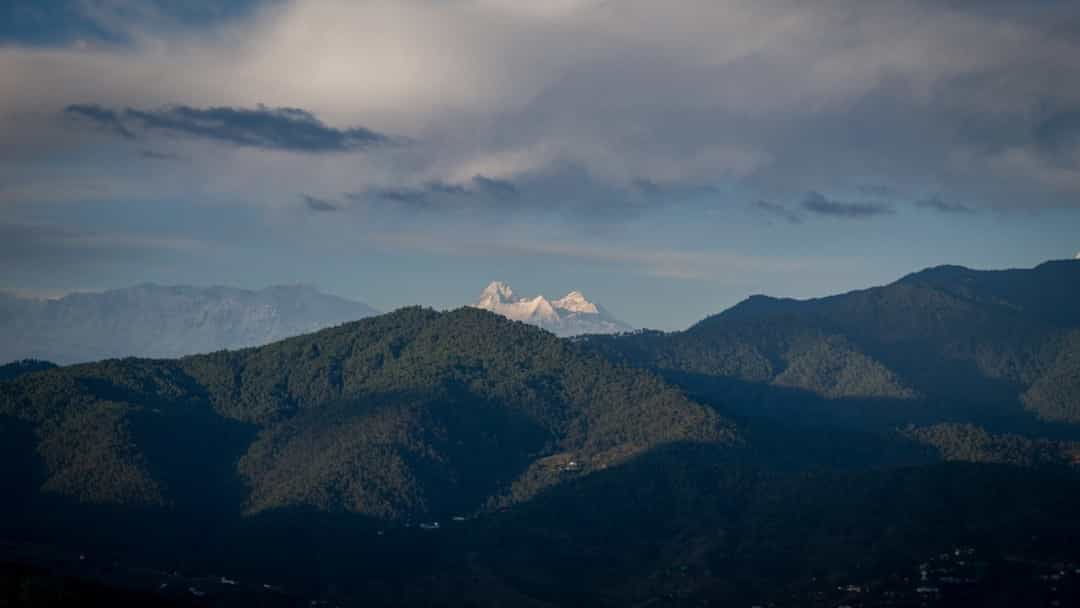
Katarmal Sun Temple, Uttarakhand
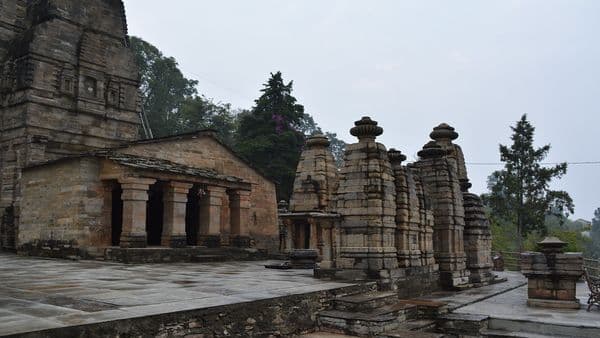
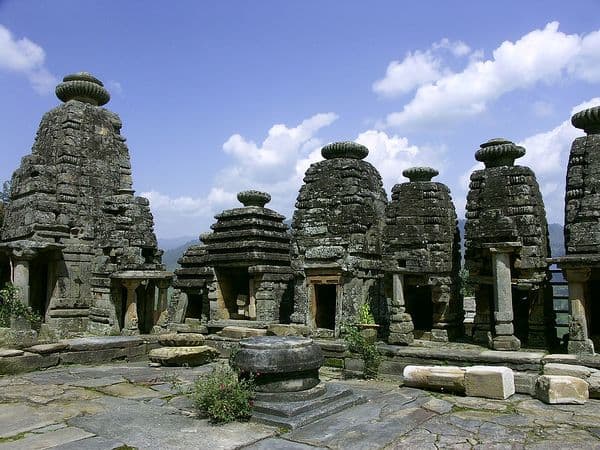
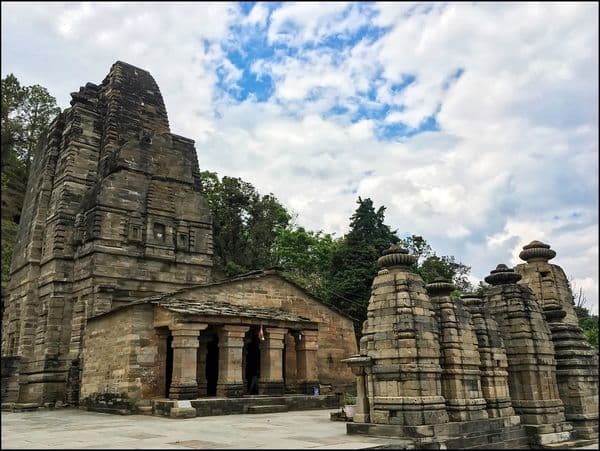
Katarmal Sun Temple (also known as Katarmal Surya Mandir) is an 8th-century temple complex located near Almora in Uttarakhand, India. Built in 806 CE by the Katyuri king Katarmalla, it is one of the oldest Sun temples in India and a rare surviving example of early Himalayan temple architecture. The complex represents a significant chapter in the Katyuri dynasty's patronage of art, sculpture, and temple-building. Its carved stone panels, intricate sculptures, and unique architectural style reflect the syncretic cultural and religious practices of the region during the early medieval period. The temple is also important for understanding the spread of sun worship (Surya) across northern India and the role of regional dynasties in sustaining sacred sites.
Last updated: 23 Oct 2025
Historic Anecdotes
Local legends say the temple was constructed in a single night by the devotees of the Sun God, and that the temple's main idol was originally installed to heal King Katarmalla of an ailment through divine intervention. Another popular tale speaks of a hidden tunnel linking the temple to nearby areas used by priests in ancient times. Oral traditions also associate the site with tantric practices and local deities assimilated into Sun worship.
Places to visit
- Main sanctum housing the solar deity (Surya) with ancient iconography
- Intricately carved stone panels and sculptures depicting Vedic and Puranic themes
- Stone carved 'Nandi' and other attendant figures
- Ruins and layout of the surrounding temple complex including smaller shrines
- Katarmal palace remains and ancient water tanks (kunds) near the temple
Unique Aspects
- 8th-century Katyuri-period Himalayan stone architecture
- Unique Surya iconography with elaborate carvings
- High-quality stone masonry and sculptural panels uncommon in the region
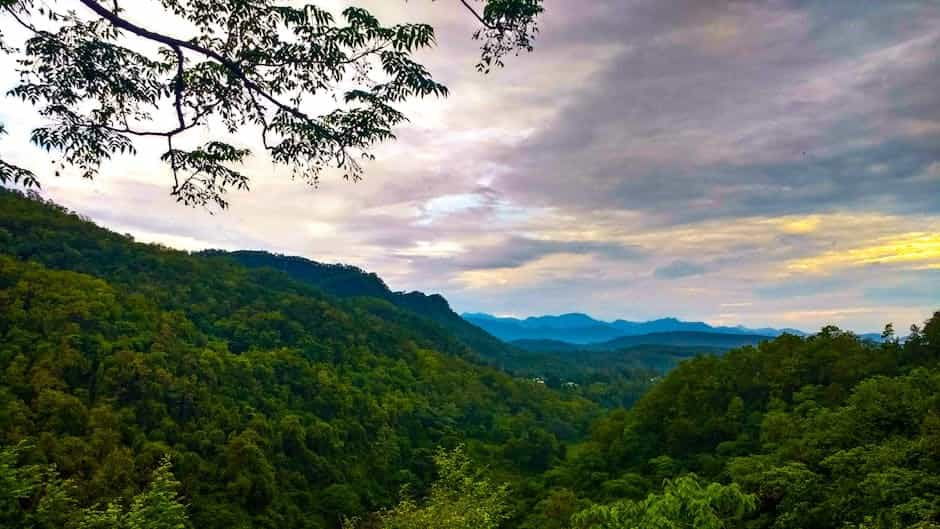
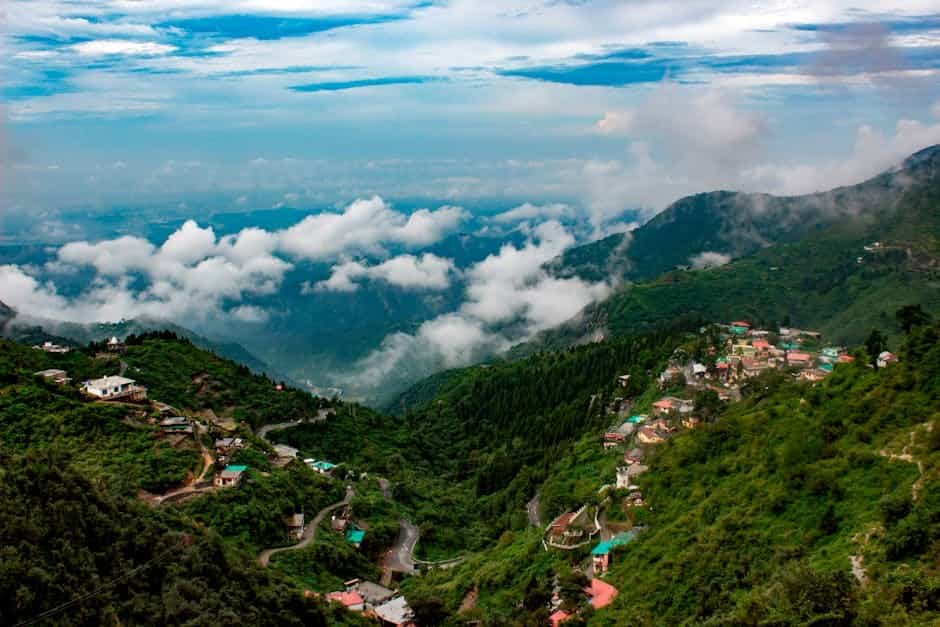
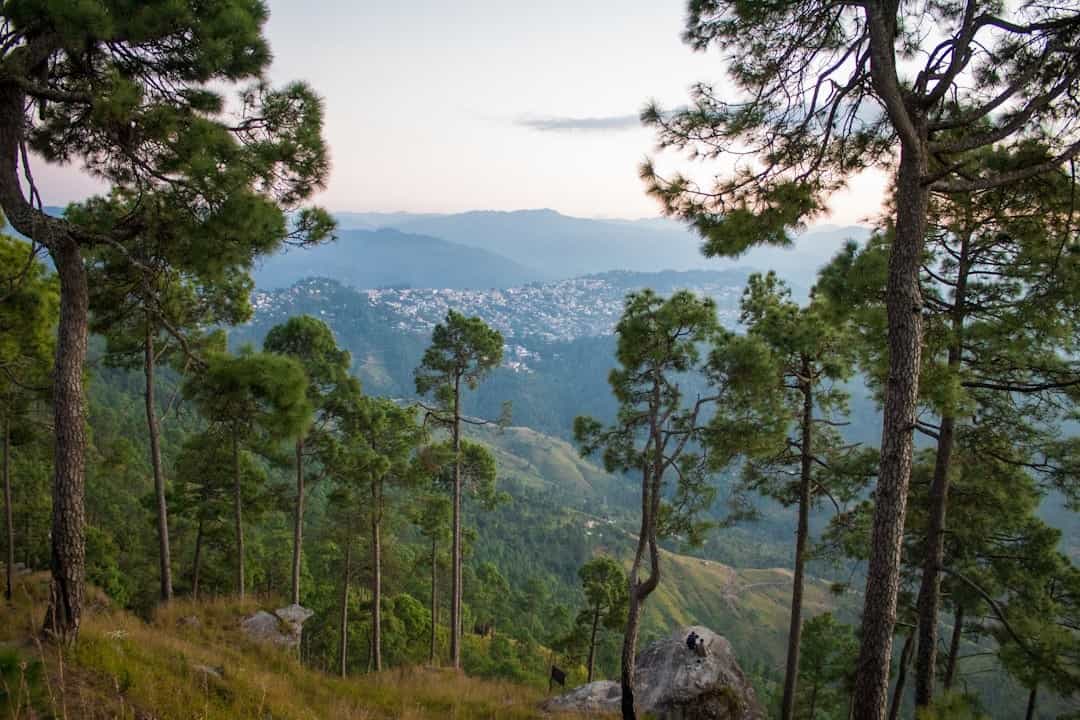
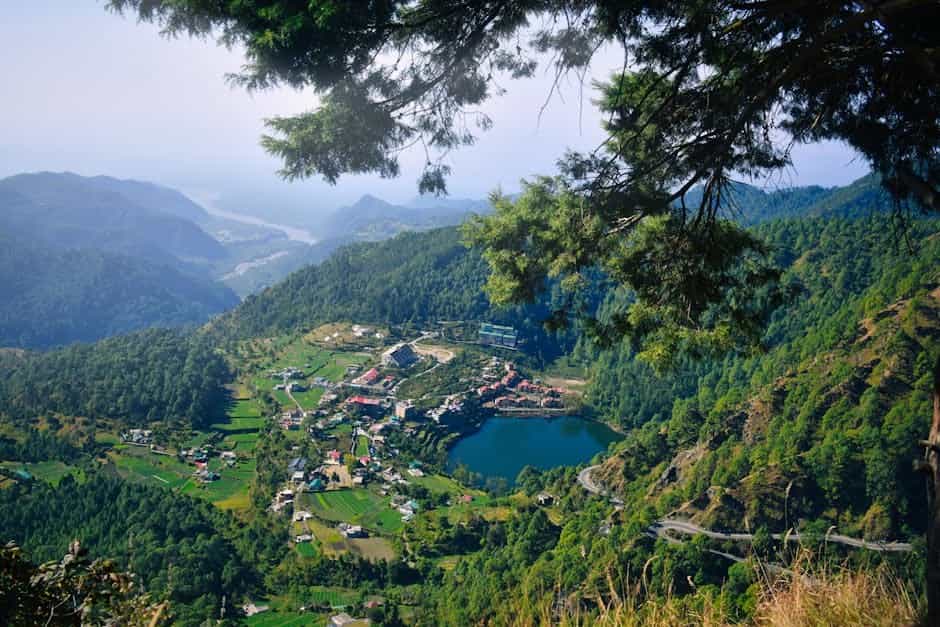
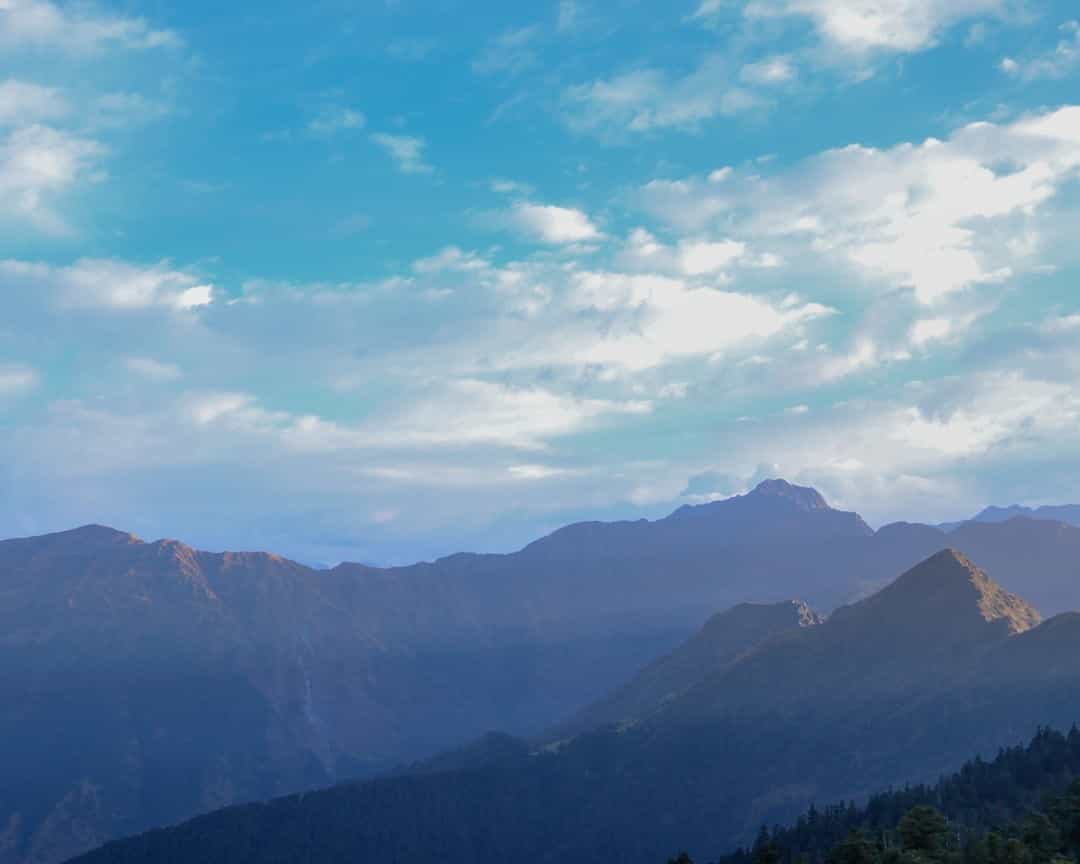
- Serene hilltop location with panoramic views of the Kumaon hills
- Relatively lesser-crowded site offering contemplative atmosphere
Things to do
- Guided or self-guided historical exploration of the temple complex and sculptures
- Photography of architecture and Himalayan vistas
- Short nature walks around the site and nearby trails
- Participating in local rituals and offerings during temple hours
- Visiting nearby Almora and exploring Kumaoni culture and handicrafts
Festivals & Events
- Makar Sankranti — special observances and worship of Surya
- Chaitra and Kartik months — traditional pujas and local festivities
- Local fairs or melas in nearby villages on auspicious days
Best Time to Visit
March to June (spring to early summer) and September to November (post-monsoon/early autumn). Winters (December–February) can be cold; monsoon (July–August) brings rain and may make nearby roads slippery.
Weather Conditions
Temperate to cool mountain climate. Day temperatures in peak season range from 10°C to 25°C; nights can be chilly. Winters may see temperatures near or below freezing at times.
Entry Fees & Permits
Modest or no entry fee historically; nominal charges may apply for conservation or photography — check local signage. Typical visiting hours are from early morning (around sunrise) to late afternoon (around 4–6 PM). Timings can vary; verify locally.
Accessibility
Located about 45–50 km from Almora town and roughly 300 km from Delhi by road. Nearest major railhead: Kathgodam (about 80–90 km). Nearest airport: Pantnagar (approx 120–140 km). Access via motorable road; last stretch may be narrow hill road. Limited facilities for differently-abled visitors due to uneven stone surfaces and steps.
Recommended Duration
2–4 hours for the temple and immediate surroundings; half to full day if combining with nearby sites or Almora sightseeing.
Clothing & Gear Tips
Comfortable walking shoes with good grip, warm layers for mornings/evenings, rain jacket during monsoon, sun protection (hat, sunscreen), camera, and a small first-aid kit.
Local Food & Souvenirs
Try Kumaoni cuisine in nearby Almora (aloo ke gutke, bhatt ki churkani, kafuli). Purchase local handicrafts like woolen shawls, handloom textiles, wooden crafts, and regional pickles or spices as souvenirs.