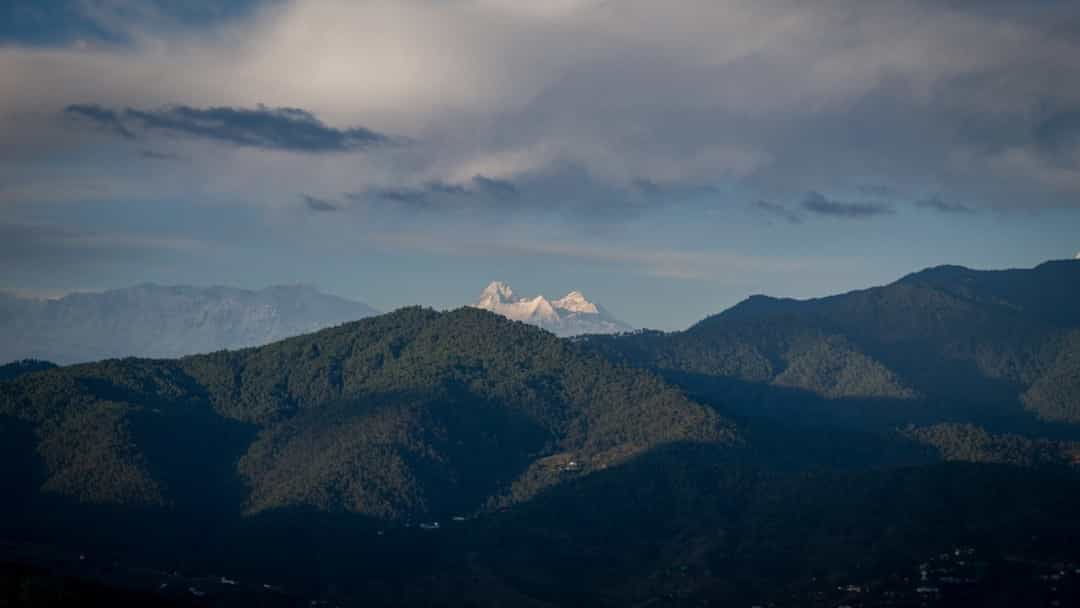
Lakshman Jhula, Uttarakhand
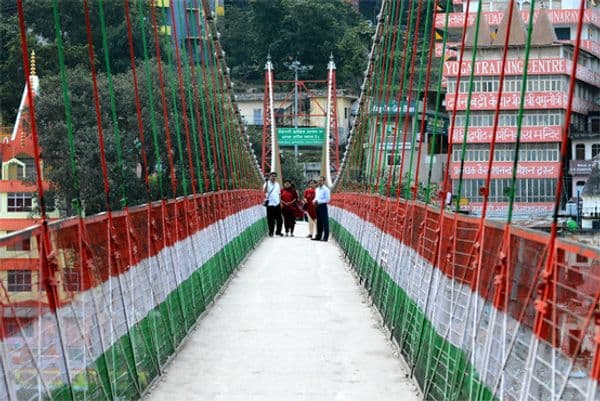
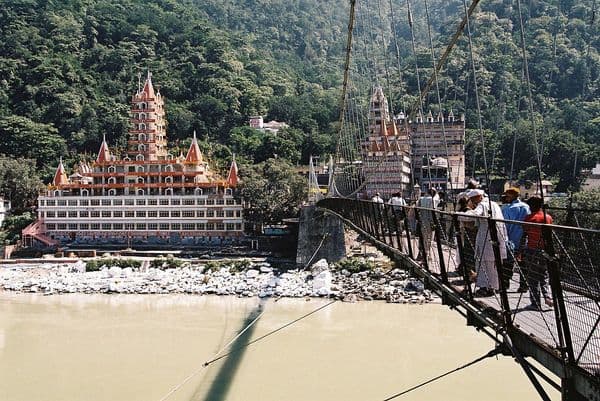
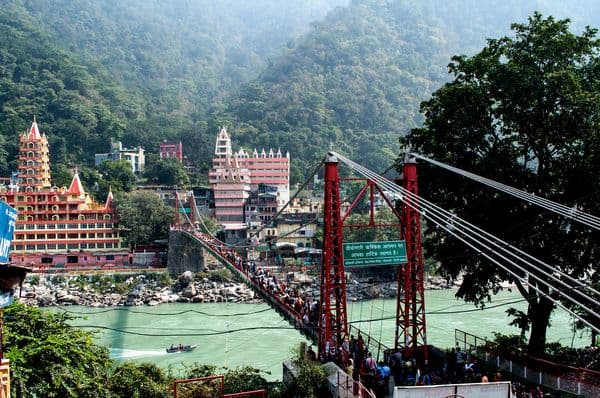
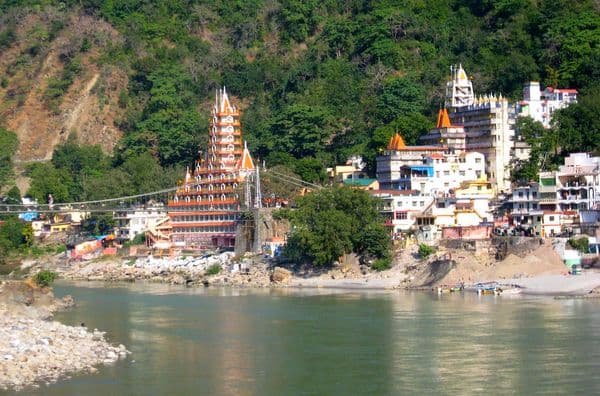
Lakshman Jhula is an iconic iron suspension pedestrian bridge across the Ganges River in the town of Rishikesh, Uttarakhand. It is a significant pilgrimage and cultural landmark for Hindus, located in the foothills of the Himalayas. The bridge (the current iron structure dates from the early 20th century, replacing earlier rope bridges) links the villages of Tapovan and Jonk and provides access to several important temples and ashrams. It has long been a focal point for spiritual seekers, yoga practitioners, and tourists visiting the Ganges and the surrounding natural scenery.
Last updated: 23 Oct 2025
Places to visit
- Lakshman Jhula (the suspension bridge itself)
- Trayambakeshwar / Tera Manzil Temple (multi-storey temple near the bridge)
- Ram Jhula (another famous suspension bridge a short distance away)
- Parmarth Niketan and other ashrams
- Beatles Ashram (Chaurasi Kutia) with murals and ruins
- Ganga ghats and evening Ganga Aarti
Unique Aspects
- Classic iron suspension bridge architecture with lattice trusses and cables
- Panoramic river and Himalayan foothill views from the bridge
- Pedestrian-only crossing (vehicular access restricted on the bridge itself)
- Vibrant riverside market stalls, cafes, and spiritual shops lining the approaches
- Spectacular sunsets and photographic vantage points
Things to do
- Cross the historic bridge and photograph panoramic views of the Ganges and hills
- Attend the evening Ganga Aarti and witness devotional rituals
- Visit nearby temples and ashrams for darshan and satsang
- Take yoga or meditation classes at local ashrams and centers
- Explore Beatles Ashram and its murals
- Shop for spiritual souvenirs, handicrafts, and Ayurvedic products
- Enjoy riverside cafes and simple vegetarian cuisine
- River rafting and other adventure sports available in Rishikesh (nearby)
Best Time to Visit
September to November (post-monsoon, clear skies) and March to May (pleasant spring and early summer) are the best times to visit. Winters (December–February) are cool; monsoon (June–August) brings heavy rain and potential river swelling.
Weather Conditions
Rishikesh lies in the Himalayan foothills: summers are warm (approx. 20–35°C), winters are cool to chilly (approx. 5–15°C), and monsoon months receive heavy rainfall. Evenings can be cooler, especially outside summer months.
Entry Fees & Permits
There is typically no entry fee to access Lakshman Jhula itself. The bridge is accessible 24 hours, though daytime is recommended for safety and visibility. Nearby temples and ashrams have their own timings (often early morning and evening opening hours) and may have nominal donation requests or small fees for special services.
Accessibility
Nearest airport: Dehradun (Jolly Grant Airport) ~30–40 km by road. Nearest railway: Rishikesh Railway Station (~5 km from Lakshman Jhula); Haridwar Junction (~24 km) is the major railhead. The bridge is pedestrian-friendly but includes steps on approaches; limited wheelchair access. Local taxis, auto-rickshaws, buses, and shared jeeps connect Rishikesh with surrounding towns.
Recommended Duration
A brief visit: 1–3 hours to cross the bridge, see the ghats, and soak in the atmosphere. A fuller experience: 1–2 days in Rishikesh to attend yoga sessions, visit ashrams, and enjoy nearby activities.
Clothing & Gear Tips
Comfortable walking shoes, modest clothing for temples (shoulders and knees covered), a light jacket for evenings, sun protection (hat/sunscreen), and a rain jacket during monsoon season.
Local Food & Souvenirs
Rishikesh is largely vegetarian: try local vegetarian dishes, thalis, chai, and simple cafe fare. Popular souvenirs include prayer beads (mala), incense, spiritual books, handicrafts, Ayurvedic oils and products, and locally-made clothing or yoga gear.