Nandhaur Wildlife Sanctuary, Uttarakhand
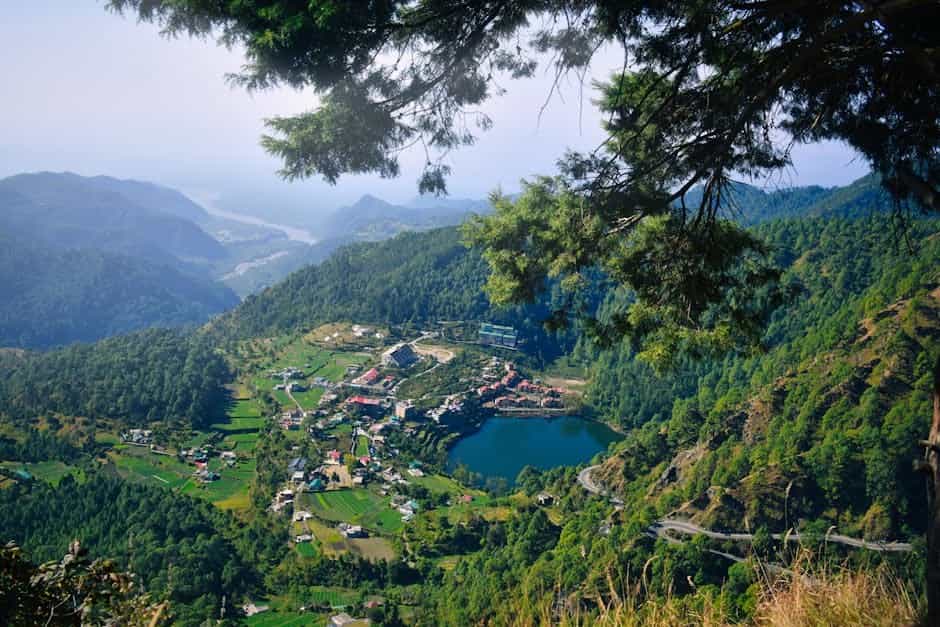
Nandhaur Wildlife Sanctuary is an important protected area in the foothills of the central Himalaya (Uttarakhand). It sits in the Terai–Shivalik landscape and functions as a crucial wildlife corridor in the Terai Arc Landscape, helping connect larger protected areas and enabling the movement of wide-ranging species such as tigers and elephants. The sanctuary supports diverse habitats — riverine forests, sal-dominated stands, mixed broadleaf forests, and grasslands — and is valued for biodiversity conservation and ecosystem services (watershed protection, carbon storage, and sustaining local livelihoods).
Last updated: 23 Oct 2025
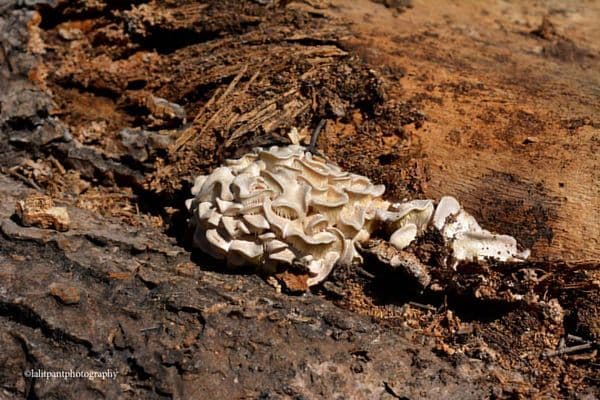
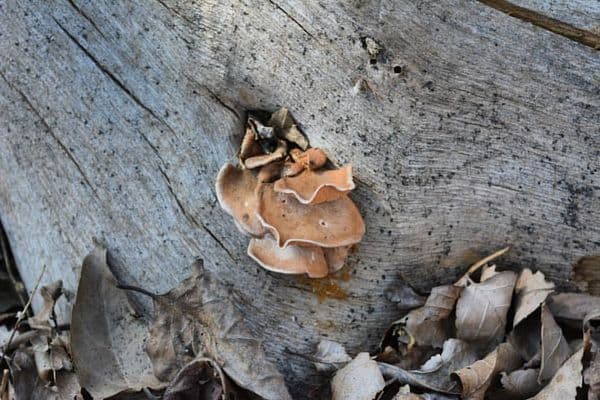
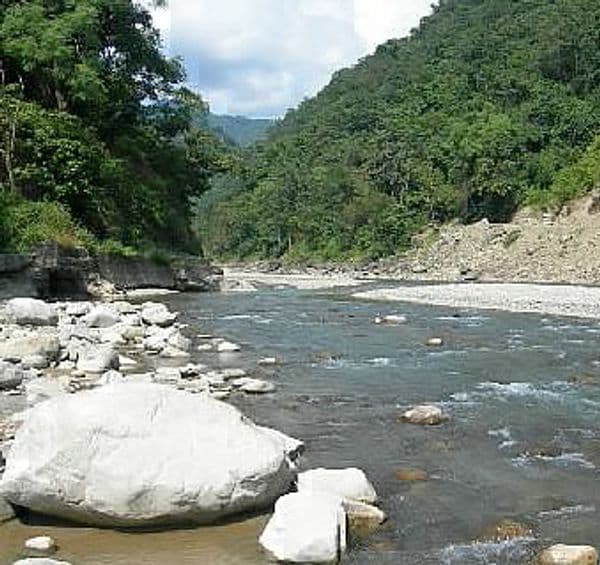
Places to visit
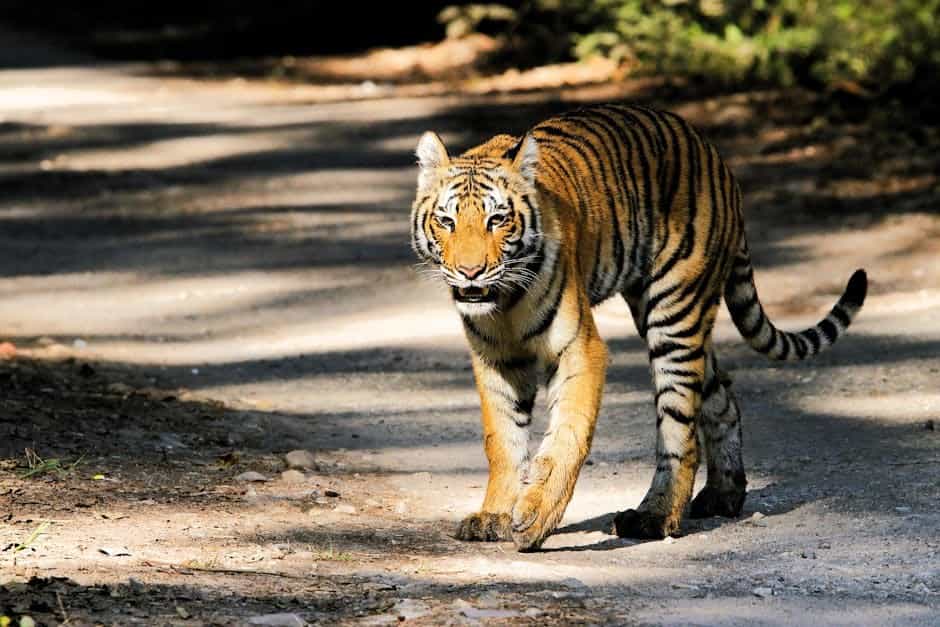
- Wildlife viewing (chance to see tiger, elephant, leopard, gaur, sambar, barking deer, hog deer, sloth bear)
- Birdwatching — rich assemblage of resident and wintering species; riverine and wetland birds in lowland sections
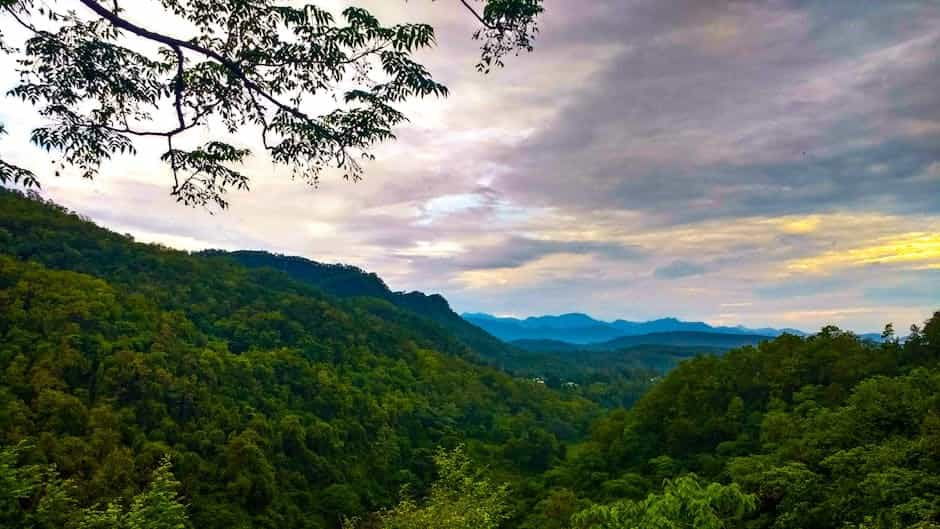
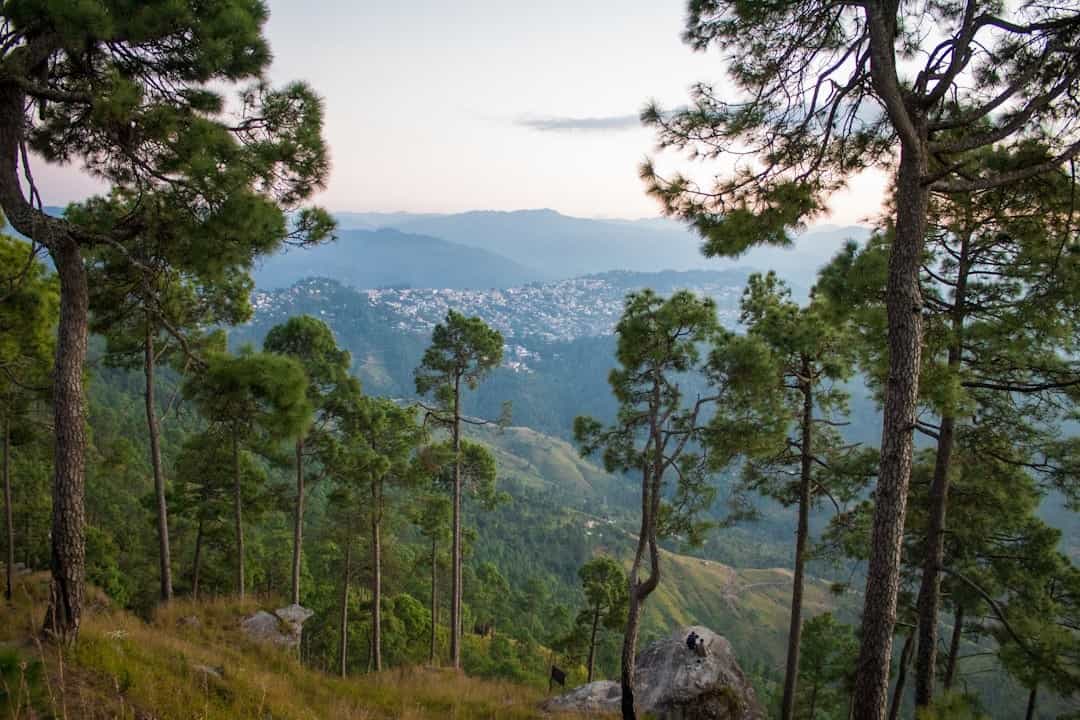
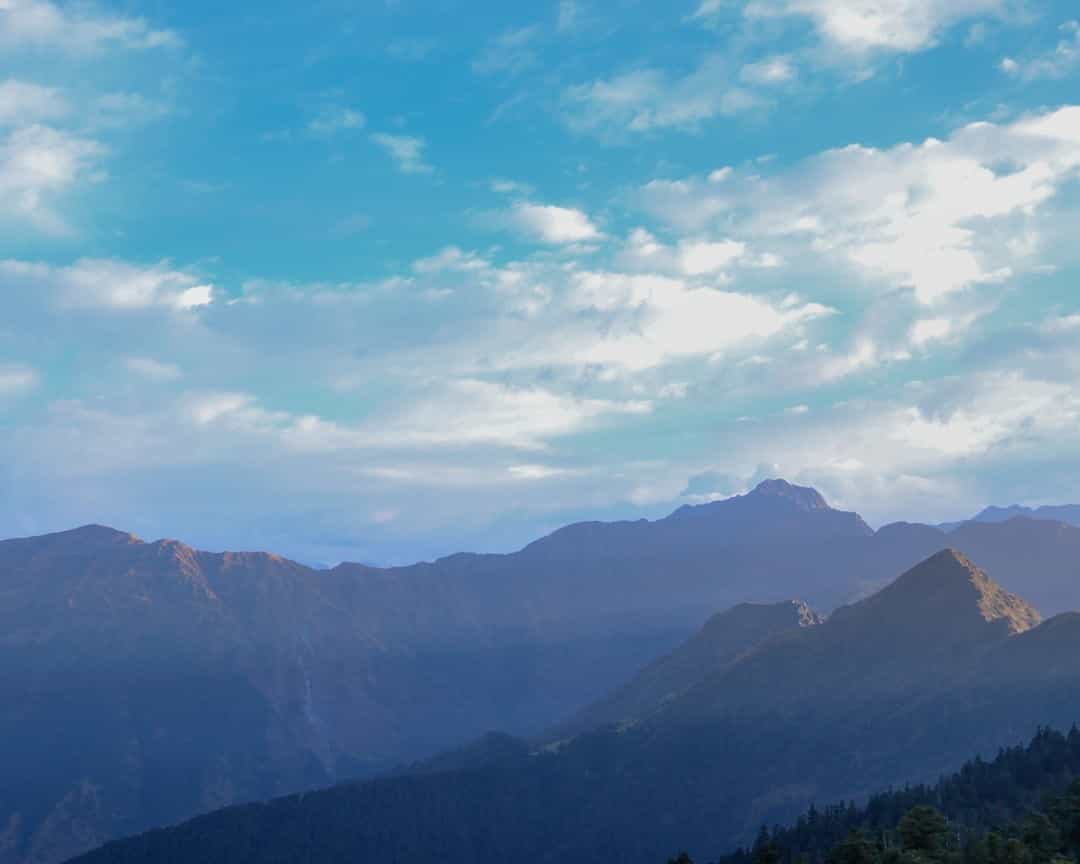
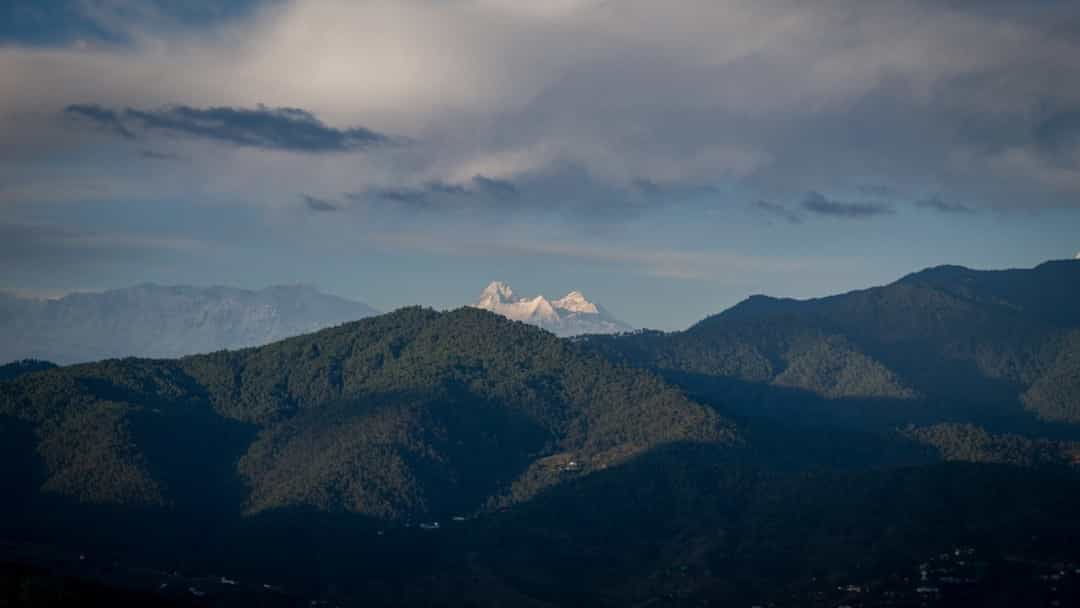
- Scenic forest and river landscapes with sal and mixed deciduous stands, grassland patches and seasonal streams
- Wildlife corridors and conservation value — part of the Terai Arc Landscape connectivity network
Unique Aspects
- Terai–Shivalik transition ecosystem — a mix of lowland and submontane habitats
- Important corridor for large mammals linking neighbouring protected areas
- Relatively undisturbed patches of riverine forest and grassland important for biodiversity
- Opportunities for community-based nature experiences in nearby villages
Things to do
- Guided wildlife safaris (forest-department permitted vehicles and authorized guides)
- Birdwatching and nature walks with local naturalists
- Photography of mammals, birds, and landscapes
- Short treks on permissive trails and community-led village visits to learn about local culture and forest-based livelihoods
- Seasonal river/streamside exploration (respecting local rules and water safety)
Best Time to Visit
October to April for comfortable weather and better wildlife visibility; winter months (Dec–Feb) are cooler but good for birdwatching and mammal sightings. Monsoon (June–September) brings heavy rain and limited access — trails may be slippery or closed.
Weather Conditions
Subtropical to submontane climate: hot and humid summers (April–June), heavy monsoon rains (June–September), cool winters (November–February). Day–night temperature variations can be significant in cooler months.
Accessibility
Access is by road from major towns in Uttarakhand. Nearest major transport hubs typically include domestic airports (e.g., Pantnagar) and railway stations (e.g., Kathgodam/Haldwani) followed by road travel to the sanctuary edge. Road quality can vary; reachability is best in the dry season. On-site access often requires coordination with the forest department for authorized entry and guides.
Recommended Duration
A short visit of 1–2 days is suitable for wildlife viewing and birdwatching; allow 2–3 days if you plan to include multiple guided safaris, longer walks, or community visits.
Clothing & Gear Tips
Lightweight, breathable clothing for daytime; warm layers for mornings/evenings in winter. Good walking shoes or boots, rain jacket (monsoon), hat, sunscreen, insect repellent, binoculars, and a camera with a telephoto lens for wildlife photography. Carry water and basic first-aid supplies.
Local Food & Souvenirs
Nearby towns and local villages offer Kumaoni and Terai-style food — simple, home-cooked meals, local pulses, vegetables, and seasonal forest products. Souvenirs include local handicrafts, woven items and sometimes locally produced honey or preserves (buy responsibly and check legality).