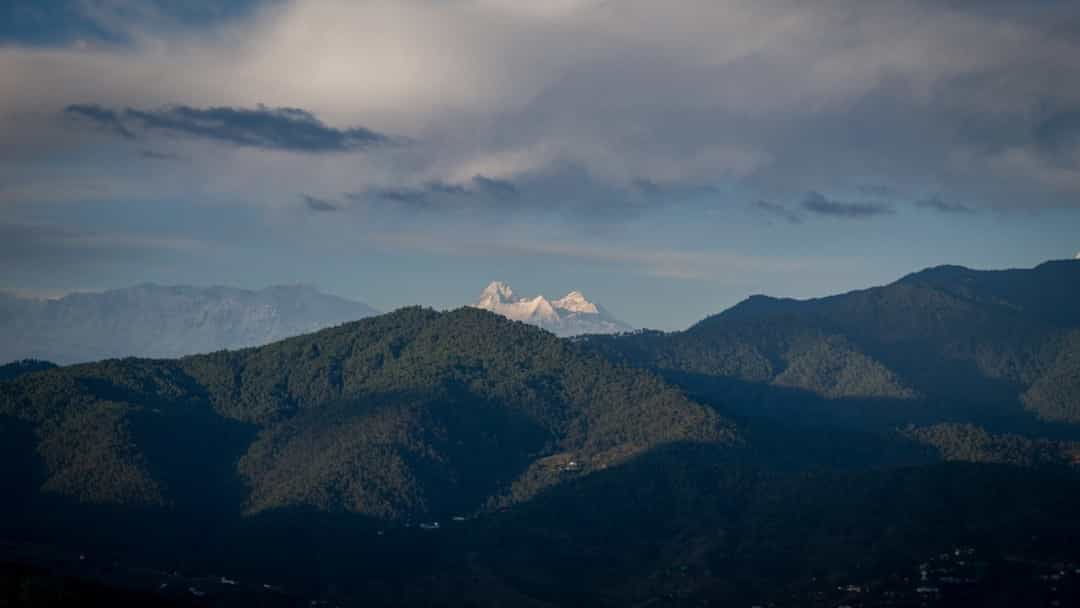
Vashishta Gufa, Uttarakhand
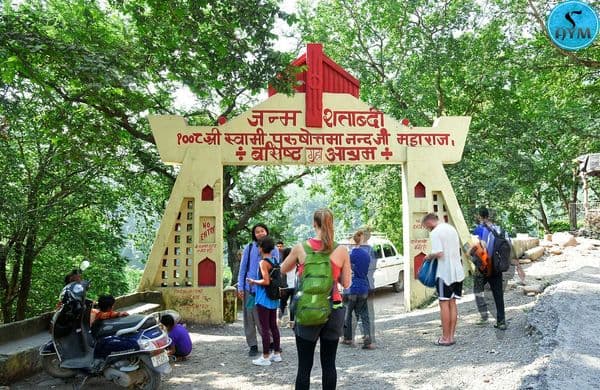
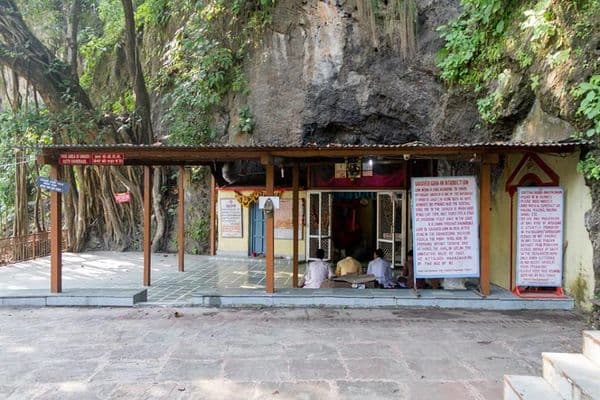
Vashishta Gufa (Vashistha Cave) near Rishikesh, Uttarakhand is a small natural cave traditionally associated with the sage Vashishta, a revered rishi in Hindu tradition. The site is valued for its spiritual and meditative atmosphere rather than formal archaeological monuments. It forms part of the larger spiritual landscape of Rishikesh — the Himalayan foothills, the Ganga, ashrams and yoga centers — and attracts pilgrims, meditators and trekkers seeking solitude and reflection.
Last updated: 23 Oct 2025
Historic Anecdotes
Local tradition holds that Sage Vashishta meditated in this cave and attained deep states of penance and insight. The cave is therefore considered a tirtha (sacred spot) by many visitors. Stories emphasize the cave's power to inspire quiet contemplation; there are informal accounts of saints and sadhus using it for prolonged meditation. The setting near the Ganges and forested slopes contributes to its mythic character.
Places to visit
- The natural cave chamber used historically for meditation
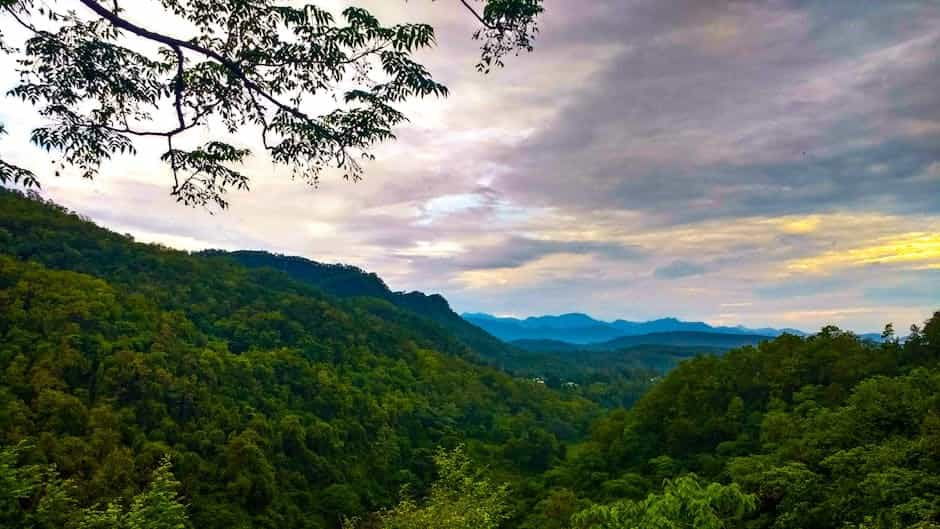
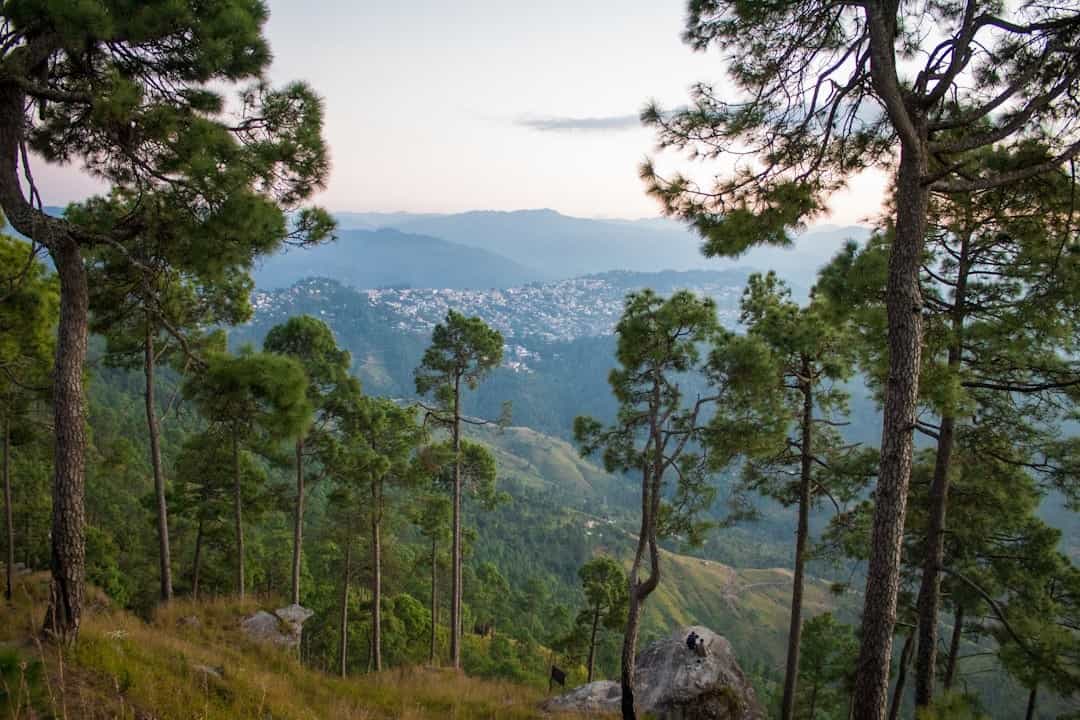
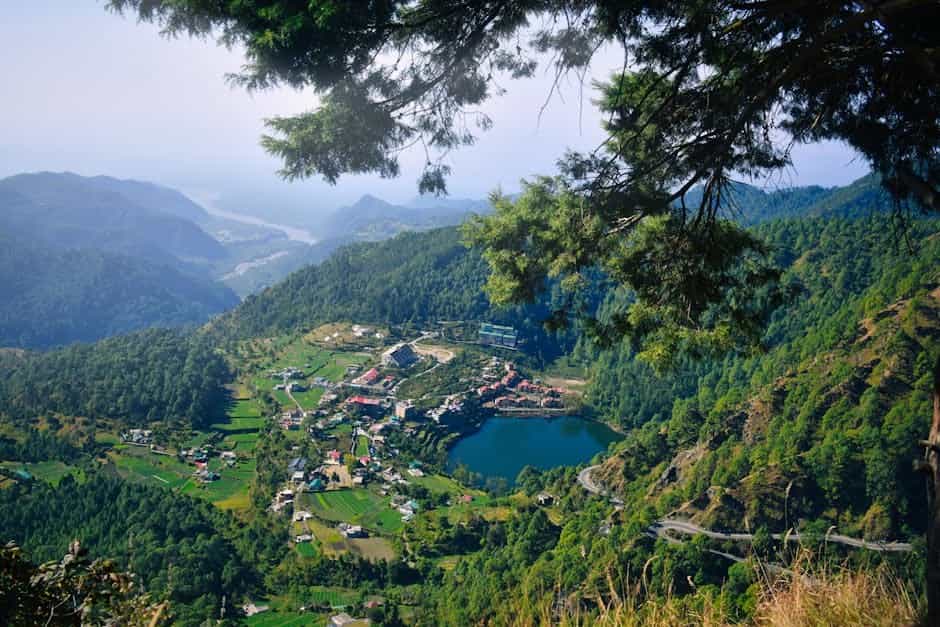
- Peaceful forested setting on the foothills of the Himalaya
- Close proximity to Rishikesh’s spiritual hubs (Laxman Jhula / Ram Jhula)
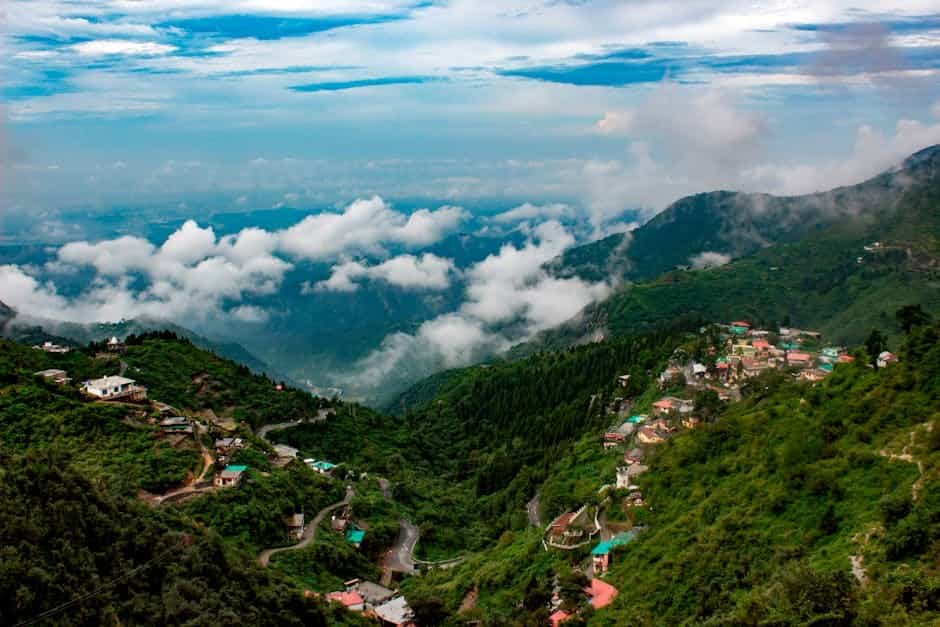
- Views and walking trails connecting to nearby waterfalls and ashrams
Unique Aspects
- Compact, atmospheric rock cavity suited to solitary meditation
- Quiet canopy and birdlife typical of subtropical Himalayan foothills
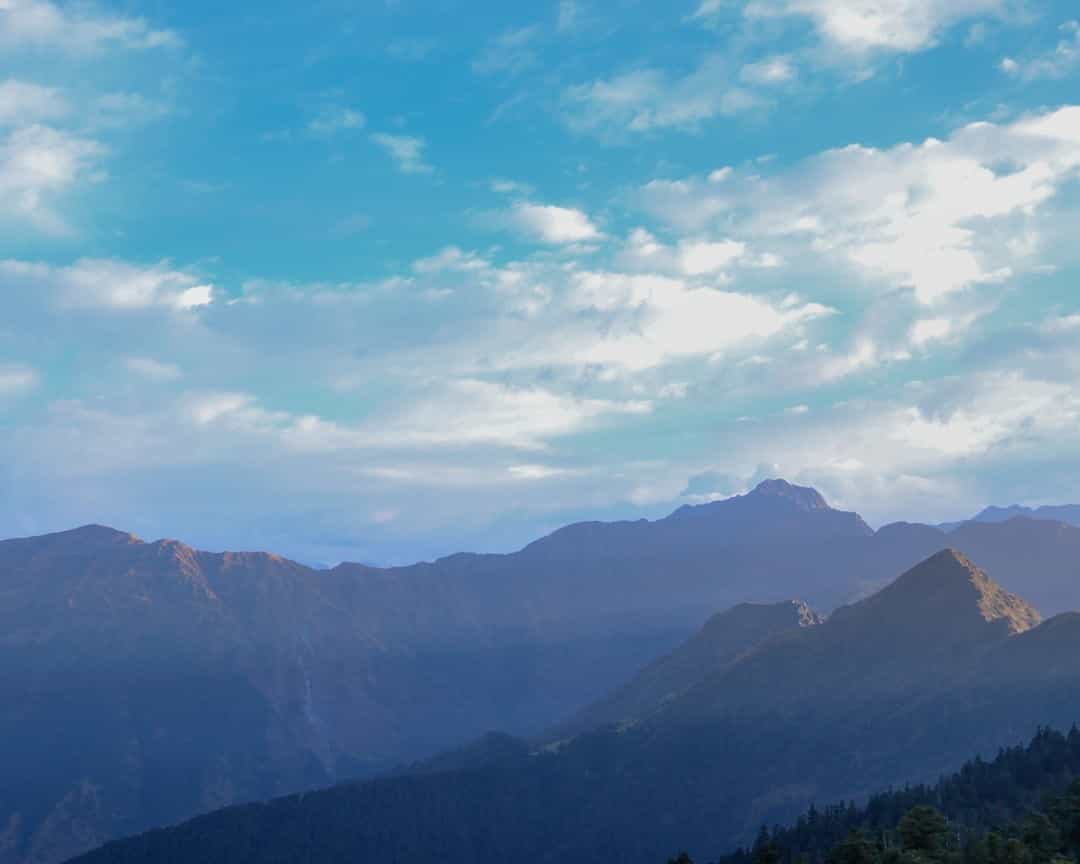
- Scenic approach trails with views of the Ganga and surrounding ridges
- No major built infrastructure — an intimate, low-impact experience
Things to do
- Meditation and quiet reflection inside and around the cave
- Short treks/walks through nearby forest trails
- Photography of natural rock features and forest/Ganga vistas
- Combining visit with Ganga-side aarti, ashram visits, and yoga sessions in Rishikesh
Festivals & Events
- Rishikesh International Yoga Festival (March) — many visitors combine a cave visit with festival activities
- Daily Ganga aarti at prominent ghats (e.g., Parmarth/Triveni) — not at the cave but commonly paired on the same itinerary
Best Time to Visit
October to March for cool, clear weather; avoid heavy monsoon months (July–September) when trails can be slippery and access may be difficult.
Weather Conditions
Temperate to cool in winter (5–20°C), warm in summer (20–35°C). Monsoon brings heavy rain and high humidity. Nights can be chilly from December–February.
Entry Fees & Permits
There is no official entry fee. The cave is best visited during daylight hours (sunrise–sunset). There are no formal gate timings but avoid visiting after dark for safety.
Accessibility
Nearest town: Rishikesh (Tapovan / Laxman Jhula area). Nearest airport: Jolly Grant Airport, Dehradun (~35–40 km). Nearest major railway: Rishikesh Railway Station (~5–10 km); Haridwar is ~25 km. Reachable by road to Rishikesh then a short walk/trek (varies by the cave’s exact local access point). Paths may be uneven — not wheelchair accessible. Local taxis, auto-rickshaws and motorcycles serve the area; many visitors combine the visit with other nearby attractions.
Recommended Duration
Allow 2–4 hours to reach, explore, meditate briefly and return to nearby Rishikesh points (half-day if combining with other visits).
Clothing & Gear Tips
Wear sturdy, comfortable walking shoes; bring a light jacket for mornings/evenings (winter). Carry water, a small torch/flashlight, insect repellent, and a modest shawl or scarf if you plan to sit and meditate. Avoid loud music and maintain silence near the cave.
Local Food & Souvenirs
Rishikesh and Laxman Jhula area offer numerous cafes (including vegetarian, sattvic and Tibetan cuisine), juice bars and small restaurants. Popular souvenirs include prayer beads (mala), spiritual books, Ayurvedic products, incense, and locally made handicrafts. Support small local shops and ashram-run stalls.