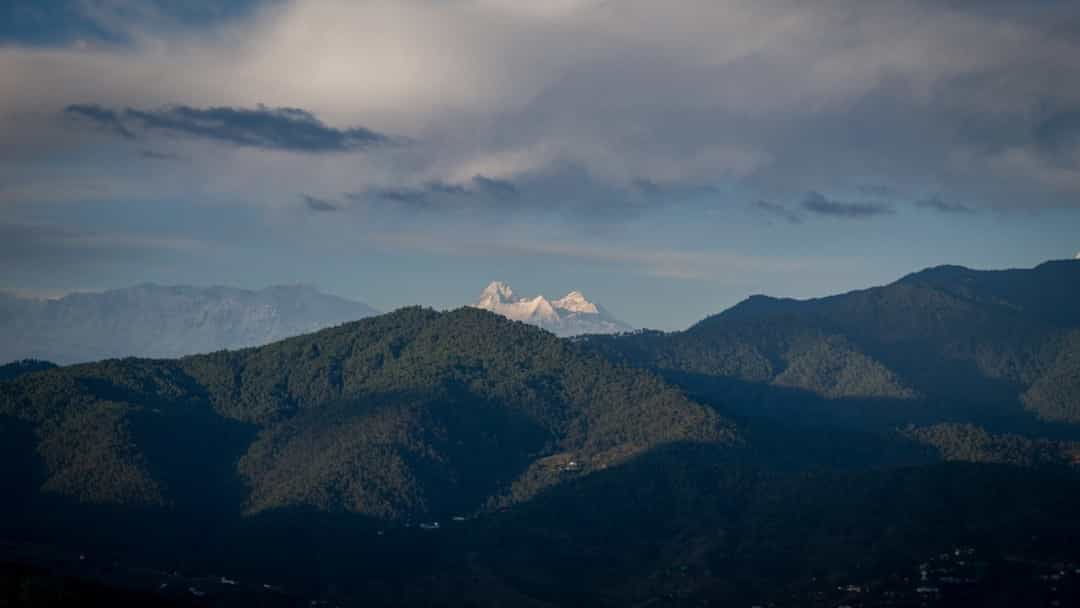
Yamunotri Temple, Uttarakhand
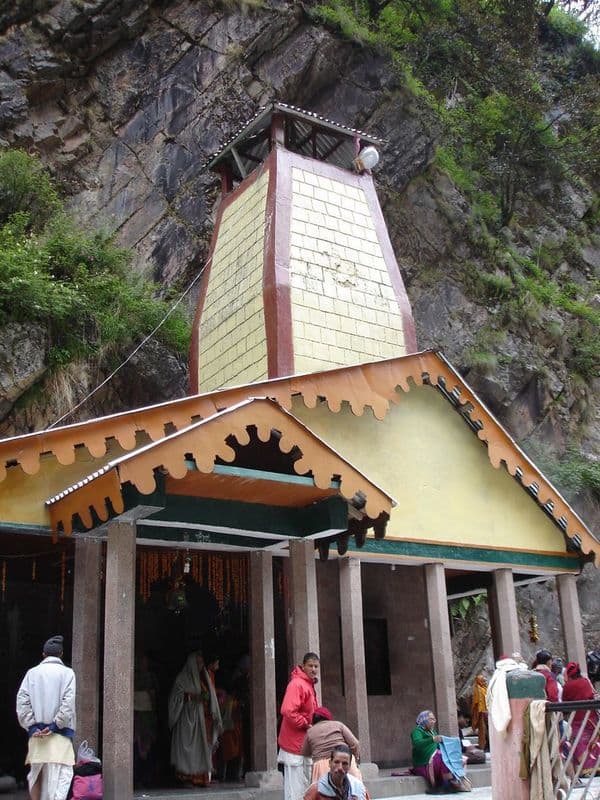
Yamunotri is the sacred source of the Yamuna River and one of the four primary Hindu pilgrimage sites of the Char Dham circuit. The temple is dedicated to Goddess Yamuna, revered as the divine daughter of the Sun (Surya) and sister of Yama (god of death). The present temple structure was built in the 19th century by the local Garhwal ruler (Maharaja of Tehri Garhwal) and the site has been an important pilgrimage and spiritual destination for centuries. The natural importance comes from the glacier and springs that form the headwaters of the Yamuna, set amid high Himalayan scenery.
Last updated: 23 Oct 2025
Historic Anecdotes
Local tradition links Yamunotri to the sage Asit Muni, who is said to have performed penance here; a shrine named after him (Asit Muni Ki Kuti) is associated with the site. Mythology holds that the goddess Yamuna descended here; the place is woven into Puranic and epic references that honor the river as life-giver and purifier. Pilgrims also revere the hot springs (Surya Kund) where rice and potatoes are cooked as prasad.
Places to visit
- Yamunotri Temple (shrine to Goddess Yamuna)
- Source of the Yamuna River (Yamunotri Glacier / headwater springs)
- Surya Kund (natural hot springs near the temple)
- Asit Muni Ki Kuti (legendary sage’s hermitage area)
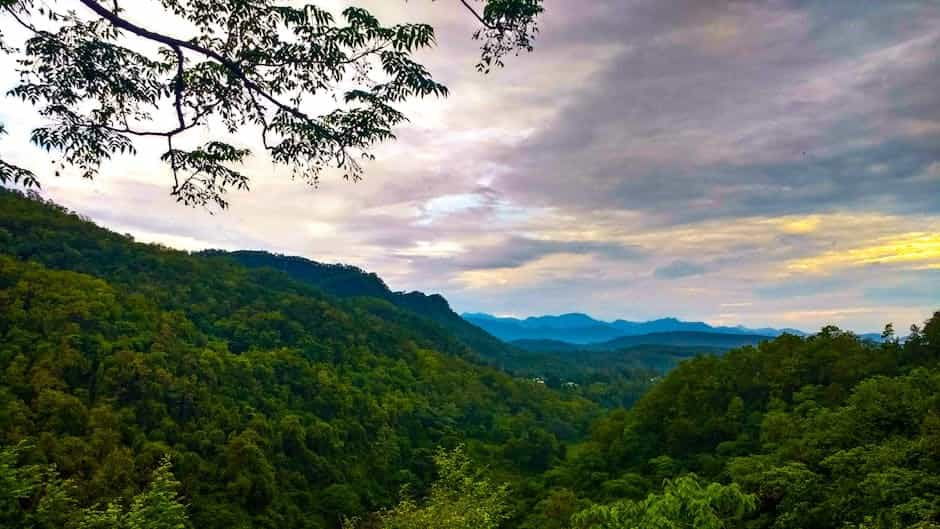
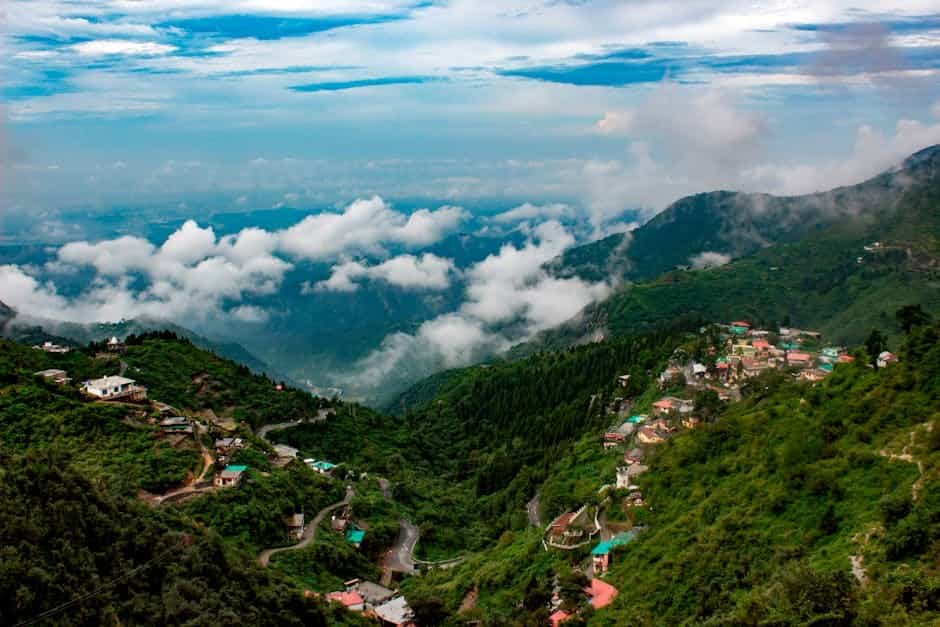
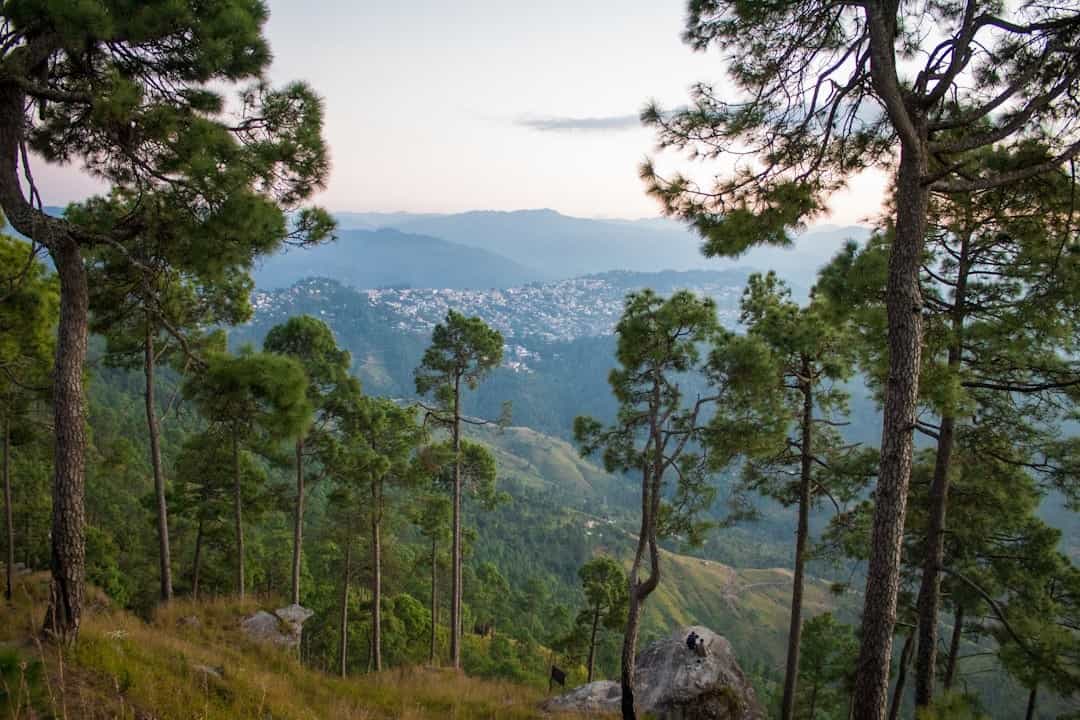
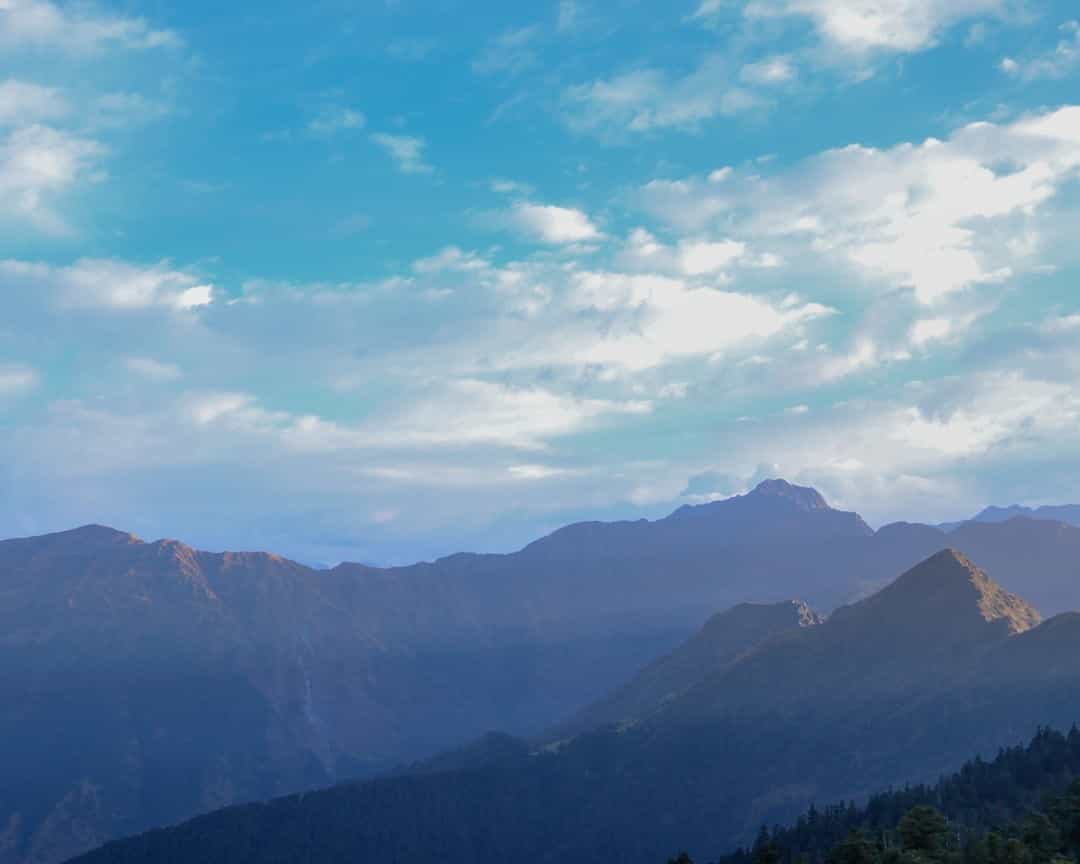
- Scenic Himalayan vistas and nearby peaks (visual backdrop)
Unique Aspects
- Thermal hot springs where pilgrims cook grains and potatoes as offering (unique ritual/prasad)
- High-altitude Himalayan environment with alpine flora and seasonal wildflowers
- Pilgrim trekking route from Hanuman Chatti / Janki Chatti with traditional mule/palki support
- Spiritual atmosphere as part of the Char Dham pilgrimage circuit
Things to do
- Darshan and puja at Yamunotri Temple
- Viewing the river’s source and the Yamunotri glacier area
- Cooking/observing rice and potatoes in Surya Kund hot springs as prasad
- Trekking the scenic trail from Hanuman Chatti or Janki Chatti (short to moderate trek)
- Hiring mules or palki for the uphill approach (local services available)
- Photography of Himalayan landscapes and pilgrimage life
Festivals & Events
- Yamuna Jayanti (celebrated locally with special rituals) — important for devotees
- Char Dham pilgrimage season (spring to autumn) draws major crowds
- Local fairs and temple-specific observances during opening and closing ceremonies of the pilgrimage season
Best Time to Visit
Best time: mid-May to June and September to early November (temple is open seasonally; heavy snow closes access in winter).
Weather Conditions
High-altitude mountain weather — cool to cold even in summer, with frequent temperature drops after sunset. Winters (Nov–Apr) bring heavy snowfall and sub-zero temperatures; monsoon brings landslide risk on roads.
Entry Fees & Permits
There is typically no entry fee for the temple. The temple is open seasonally (generally from late April/May to Diwali/November) with daily darshan hours during daylight (exact opening and puja timings vary by season and year).
Accessibility
Road access is available up to Hanuman Chatti / Janki Chatti from base towns (Barkot is a common roadhead). From there a trek of several kilometres (depending on route chosen) leads to Yamunotri. Palkis (palanquins) and ponies/mules are available for hire; the route includes steep sections and uneven paths, so moderate fitness is required. Nearest major transport hubs: nearest railheads and highway connections are at Haridwar/Rishikesh/Dehradun; the nearest airport is Jolly Grant (Dehradun). Travel times are long due to winding mountain roads — plan for multi-hour drives between hubs and the base of the trek.
Recommended Duration
Allocate 1–2 days for a visit to Yamunotri from the nearest base (Barkot/Hanuman Chatti) to allow for the trek, darshan, and return. If coming from distant cities, add travel days.
Clothing & Gear Tips
Warm layered clothing, waterproof outer layer, sturdy trekking shoes or boots, trekking poles, hat and gloves, sunscreen and sunglasses, basic first-aid and altitude-aware medication if needed.
Local Food & Souvenirs
Try the traditional prasad items cooked at the hot springs (coarse local grains/potatoes). Local eateries serve simple mountain fare — lentils, rice, roti, and tea. Souvenirs include hand-woven woolens, shawls, local handicrafts, religious items (puja paraphernalia), and packaged prasad sold near the temple.